MIND Diet: Best Foods to Keep Your Brain Young
Discover the MIND diet's top brain-boosting foods like leafy greens, berries, and nuts to slow cognitive decline and promote long-term brain health.
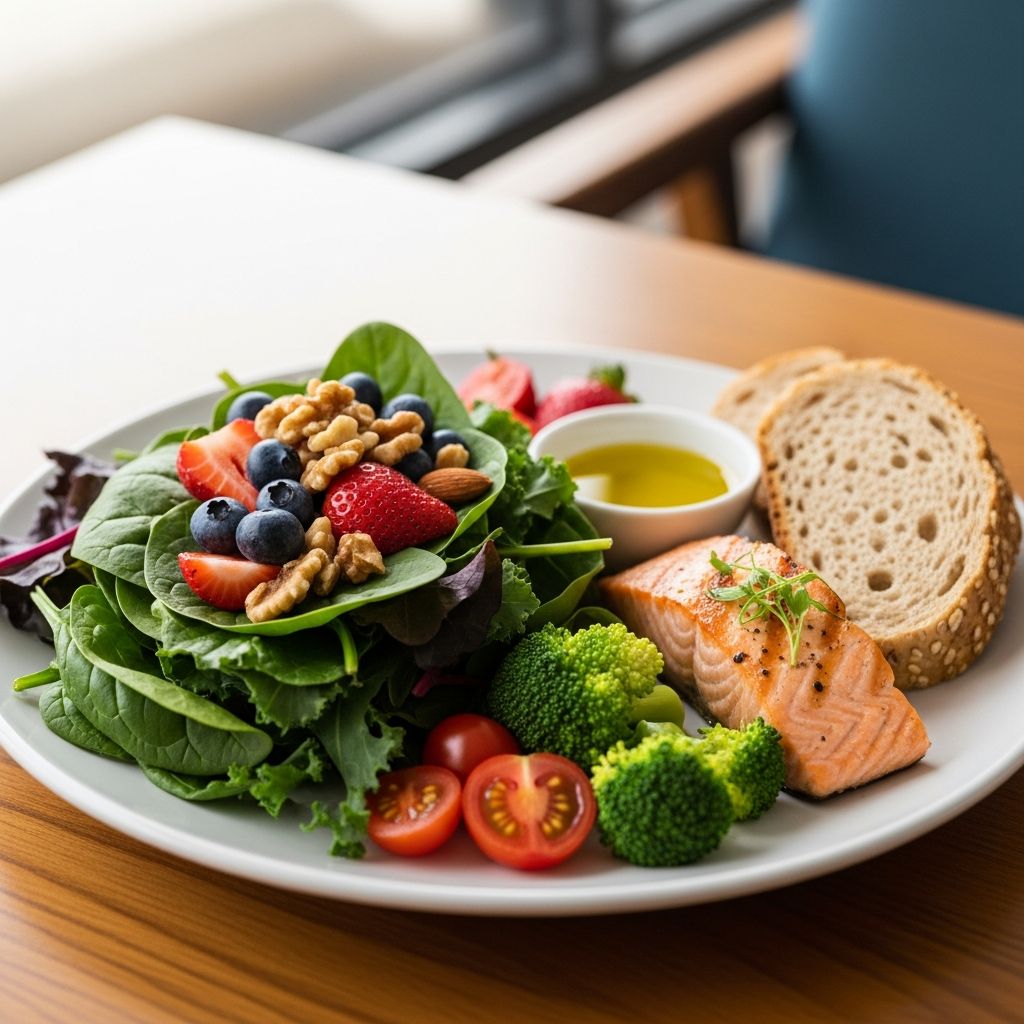
The MIND diet, short for Mediterranean-DASH Intervention for Neurodegenerative Delay, is a powerful eating pattern designed specifically to safeguard brain health and slow cognitive decline. Developed by researchers at Rush University Medical Center and Harvard T.H. Chan School of Public Health, it merges the heart-protective benefits of the Mediterranean diet with the blood pressure-lowering DASH (Dietary Approaches to Stop Hypertension) diet. Unlike general diets, the MIND diet prioritizes foods rich in antioxidants, anti-inflammatory compounds, and brain-nourishing nutrients like omega-3s, flavonoids, and vitamins that combat oxidative stress and inflammation—key culprits in Alzheimer’s disease and dementia.
Studies show remarkable results: those adhering most closely to the MIND diet experience a 53% reduced risk of Alzheimer’s, while moderate followers see a 35% drop compared to low adherers. A 2023 study confirmed faster information processing in middle-aged adults on the diet, and a 2024 NIH-linked analysis in Neurology reported a 4% lower cognitive impairment risk with high adherence. Even a 2022 trial showed improved memory and attention after just three months. This article dives into the diet’s best foods, guidelines, benefits, and practical tips to help you incorporate them for a sharper, younger brain.
What Is the MIND Diet?
The MIND diet targets neurodegenerative delay by emphasizing 10 brain-healthy food groups while limiting nine unhealthy ones. It’s flexible—no strict calorie counting or elimination of entire food categories—making it sustainable long-term. Core principles include daily intake of leafy greens and other vegetables, regular berries, nuts, whole grains, and olive oil; weekly poultry, fish, beans, and berries; and minimal red meat, butter, cheese, pastries, sweets, and fried foods.
Brain-protective nutrients abound: leafy greens provide lutein and folate to shield neurons; berries deliver flavonoids that enhance memory; omega-3s from fish reduce oxidative stress; and olive oil’s monounsaturated fats support synapse health. A MIND diet score, based on serving adherence, predicts cognitive outcomes—higher scores correlate with slower decline, larger brain volume, and better memory. Recent data from 2024 reinforces this, showing stronger effects in women and Black participants.
MIND Diet Food List
The diet’s power lies in its 10 recommended groups. Here’s a breakdown of servings and why they matter:
- Leafy green vegetables (6+ servings/week): Spinach, kale, collards—daily powerhouses loaded with vitamin K, lutein, folate, and beta-carotene to fight inflammation and support cognitive speed.
- Other vegetables (daily): Broccoli, carrots, bell peppers, zucchini provide antioxidants and fiber for overall brain protection.
- Berries (2+ servings/week): Blueberries, strawberries top the list for anthocyanins that delay memory decline—more effective than other fruits.
- Nuts (5+ servings/week): Almonds, walnuts offer vitamin E, healthy fats to reduce oxidative damage.
- Whole grains (3+ servings/day): Oats, brown rice, quinoa stabilize blood sugar for steady brain energy.
- Fish (1+ serving/week): Salmon, tuna rich in DHA omega-3s crucial for neuron health and synapse function.
- Poultry (2+ servings/week): Chicken, turkey as lean proteins without red meat’s risks.
- Beans and legumes (3+ servings/week): Lentils, chickpeas for plant protein and folate.
- Olive oil (primary fat): Anti-inflammatory monounsaturated fats mimic Mediterranean benefits.
Avoid or limit: red meats (<4/week), butter/margarine (<1 tbsp/day), cheese (<1/week), pastries/sweets (<5/week), fried food (<1/week).
Best Foods to Eat on the MIND Diet
Green Leafy Vegetables
At the top: spinach, kale, Swiss chard, collard greens. Aim for 1+ serving daily. These are packed with brain-boosting compounds: vitamin K for sphingolipids in brain cells, lutein for neural efficiency, folate to lower homocysteine (a dementia risk factor), and beta-carotene as an antioxidant. Studies link higher intake to slower cognitive aging equivalent to being 11 years younger. Tip: Add to smoothies, salads, or sautés.
Other Vegetables
Daily servings of broccoli, cauliflower, squash, peppers, carrots, zucchini. Cruciferous veggies like broccoli offer sulforaphane to detoxify and protect against decline; carrots’ beta-carotene combats oxidation. Variety ensures broad nutrient coverage for vascular brain health.
Related Stories



Berries
Blueberries and strawberries shine—2+ cups weekly. Flavonoids like anthocyanins improve memory, learning, and reduce neuroinflammation. One study found blueberry eaters had 2.5 years less mental aging. Tip: Fresh, frozen in yogurt, or oatmeal.
Nuts
Walnuts, almonds, pistachios—5+ servings/week (1 oz each). Vitamin E protects against free radicals; walnuts’ omega-3s enhance cognition. Daily handfuls correlate with larger brain volumes.
Whole Grains
Oatmeal, whole wheat, barley—3+ daily. Provide steady glucose, fiber for gut-brain axis health, and B vitamins.
Fish
Weekly fatty fish like salmon for DHA, vital for brain structure and reducing decline.
Olive Oil
Use as go-to oil for its polyphenols that lower Alzheimer’s markers.
Beans, Lentils, Soy
3+ servings/week for folate, iron, and anti-inflammatory effects.
Poultry
Lean chicken/turkey 2+ times weekly supports protein needs without saturated fats.
Wine (Optional, 1 glass/day)
Red wine’s resveratrol may protect, but moderation key.
Sample MIND Diet Meal Plan
| Meal | Example |
|---|---|
| Breakfast | Oatmeal with blueberries, walnuts, and almond milk |
| Lunch | Spinach salad with chickpeas, olive oil dressing, whole grain bread |
| Dinner | Grilled salmon, broccoli, quinoa |
| Snack | Handful of almonds or strawberries |
This plan hits daily targets easily.
Health Benefits Beyond the Brain
While brain-focused, MIND aids heart health (lower sodium, omega-3s), weight loss (11 lbs in trials), diabetes control, and cancer risk reduction via Mediterranean/DASH roots. A 2022 trial showed superior cognition and diet quality improvements.
Potential Downsides and Tips
Highly restrictive? No—more flexible than predecessors. Challenge: sourcing fresh produce. Tips: Shop seasonally, freeze berries, batch-cook grains. Consult a doctor for personalization. More research needed for long-term effects.
Frequently Asked Questions (FAQs)
What is the MIND diet?
A hybrid diet emphasizing brain foods like greens and berries to prevent decline.
Does the MIND diet prevent Alzheimer’s?
High adherence cuts risk by 53%; moderate by 35%.
How long to see benefits?
Trials show memory gains in 3 months; long-term for decline prevention.
Is wine required?
Optional; 1 glass/day max.
Best for whom?
Middle-aged+ for prevention; all for brain health.
References
- MIND Diet Good For Brain And Body — Franciscan Health. 2023. https://www.franciscanhealth.org/community/blog/mind-diet-good-for-brain-and-body
- The MIND Diet: A Detailed Guide for Beginners — Healthline. 2023-10-12. https://www.healthline.com/nutrition/mind-diet
- Healthful diet linked to reduced risk of cognitive decline — NIH. 2024-09-18. https://www.nih.gov/news-events/nih-research-matters/healthful-diet-linked-reduced-risk-cognitive-decline
- Diet Review: MIND Diet — Harvard T.H. Chan School of Public Health. 2024. https://nutritionsource.hsph.harvard.edu/healthy-weight/diet-reviews/mind-diet/
- A Diet That Will Change Your Mind — Neurotrack. 2023. https://neurotrack.com/resources/a-diet-that-will-change-your-mind
Similar Articles








Read full bio of medha deb