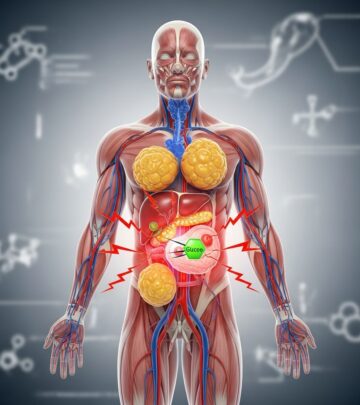
The Mind-Skin Stress Connection: Understanding Stress and Skin Cancer
Discover how psychological stress impacts skin health and increases skin cancer risk through immune dysfunction.
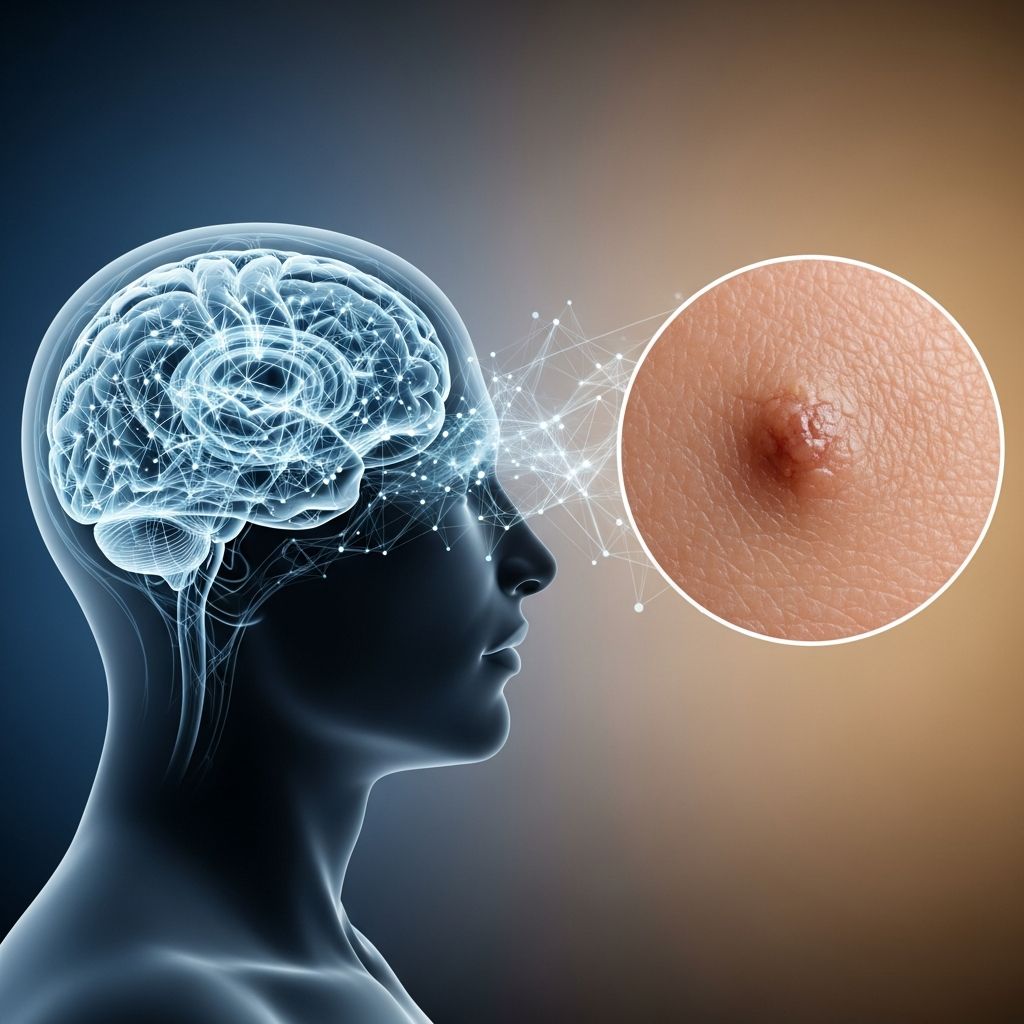
The Mind-Skin Stress Connection: How Psychological Stress Impacts Skin Cancer Risk
The relationship between our mental health and physical well-being is far more interconnected than many realize. While ultraviolet (UV) light from the sun remains the primary cause of skin damage leading to skin cancer, emerging research reveals that psychological stress plays a significant secondary role in both the development and progression of skin cancer. This complex mind-body connection operates through multiple biological pathways, fundamentally changing how we should approach skin cancer prevention and treatment strategies.
Understanding this relationship is increasingly vital in our high-stress modern world. The American Academy of Dermatology and leading cancer research institutions now recognize that comprehensive skin cancer care must address not only UV exposure but also the psychological and emotional factors that compromise our immune defenses against malignant cell growth.
The Biological Mechanisms: How Stress Damages Skin at the Cellular Level
When we experience psychological stress, our body initiates a complex physiological cascade designed to help us manage immediate threats. This stress response, while evolutionarily adaptive for short-term challenges, becomes problematic when activated chronically.
The primary mechanism involves the neuroendocrine system, which releases stress hormones including cortisol and adrenaline. These hormones prepare our body for immediate action by increasing heart rate, redirecting blood flow, and temporarily enhancing certain immune functions. However, when stress hormones remain elevated over extended periods, the effects become harmful to skin health.
Free Radical Production and DNA Damage
One critical pathway through which stress damages skin involves the production of free radicals—unstable oxygen molecules. These unstable molecules damage skin cells at the DNA level, creating mutations that can lead to cancerous transformation. Additionally, stress-induced free radicals increase inflammation throughout the body, which accelerates skin aging and amplifies vulnerability to malignant changes.
Immune System Suppression
Perhaps the most consequential effect of chronic stress is its impact on immune function. Stress hormones suppress the immune system’s ability to detect and eliminate early cancerous cells. This immunosuppression occurs through multiple pathways:
- Reduced production of natural killer cells that patrol for abnormal cells
- Decreased antibody production and T-cell function
- Impaired wound healing and skin barrier repair mechanisms
- Increased inflammation that paradoxically creates an environment favorable to cancer progression
The immune system’s role in preventing skin cancer is fundamental. When functioning optimally, immune cells continuously identify and eliminate cells showing signs of malignant transformation. Chronic stress essentially disarms this natural defense mechanism, allowing cancerous cells to proliferate unchecked.
Altered Cell Growth and Death Processes
Beyond immune suppression, stress hormones directly influence the rates of cell growth and cell death—critical processes in cancer development. Under normal conditions, our skin cells follow a carefully regulated lifecycle: they grow, mature, function, and die in an orderly manner. This process, called apoptosis, serves as the body’s built-in mechanism for eliminating damaged or abnormal cells.
Chronic stress disrupts this balance by:
- Accelerating cell proliferation in some tissues
- Inhibiting normal programmed cell death (apoptosis) of damaged cells
- Creating an environment where mutations accumulate
- Promoting epithelial-mesenchymal transition, which increases cell motility and invasiveness
Childhood Adversity and Lifelong Skin Cancer Risk
Recent research has uncovered a particularly troubling finding: adverse childhood experiences significantly increase skin cancer susceptibility in adulthood. This phenomenon reveals the deep, lasting impact of early psychological stress on our biological systems.
The Childhood-Adulthood Connection
A landmark study examining 268 individuals found that patients with melanoma reported significantly more adverse childhood experiences compared to control groups. More specifically, individuals who experienced childhood emotional maltreatment by parents showed substantially compromised immune responses to basal cell carcinoma when they subsequently faced stressful life events in adulthood.
This finding demonstrates that childhood trauma creates lasting neurobiological changes that increase vulnerability to stress-related diseases, including skin cancer. The immune dysregulation initiated in childhood becomes amplified when adult stressors activate the stress response system.
Resource Loss as a Mediating Factor
The research identified an important mechanism linking childhood adversity to adult cancer risk: resource loss from significant stressful life events partially mediated the association between adverse childhood experiences and melanoma incidence. In other words, people who experienced childhood trauma and subsequently lost important psychological or material resources during adult stress were at highest risk for developing melanoma.
This suggests that protective factors—social support, financial security, and psychological resilience—act as buffers against stress-related skin cancer development.
Stress and Non-Melanoma Skin Cancers
While much attention focuses on melanoma, basal cell carcinoma and squamous cell carcinoma also show strong associations with psychological stress. In fact, basal and squamous cell carcinomas affect more than 3 million Americans annually, making the stress connection particularly important for public health.
Basal Cell Carcinoma and Emotional Stress
Basal cell carcinoma demonstrates perhaps the clearest link to emotional stress among all skin cancers. Clinical observations have documented patients experiencing clusters of multiple basal cell carcinomas during emotionally turbulent periods of life—periods when the stress response is chronically activated.
The research shows that among patients with basal cell carcinoma who experienced recent severe life events, those with a history of childhood emotional maltreatment had significantly poorer immune responses to the developing tumors. This suggests a compounding effect: early-life emotional stress creates a baseline vulnerability that intensifies when activated by adult stressors.
The Clinical Pattern
Dermatologists have observed an interesting clinical pattern: basal cell carcinomas sometimes appear in areas of skin with minimal sun exposure during periods of high emotional stress. This pattern cannot be explained by UV exposure alone, pointing directly to stress-mediated immune dysfunction as a contributing factor.
The Role of Stress in Cancer Progression and Recurrence
Beyond cancer initiation, stress significantly influences how existing skin cancers progress and respond to treatment. For melanoma patients undergoing treatment, emotional distress and psychological stress negatively impact outcomes and increase recurrence risk.
This occurs through several mechanisms:
- Reduced adherence to treatment protocols during high-stress periods
- Impaired healing following surgical removal of cancerous lesions
- Compromised immune surveillance of remaining malignant cells
- Increased inflammation that promotes tumor growth and metastasis
- Activation of stress hormones that directly promote cancer cell survival and proliferation
Compounding Risk: The Stress and Sun Exposure Interaction
A critical insight emerges from understanding stress and skin cancer together: these risk factors interact and compound each other. UV radiation from sun exposure causes direct immune dysfunction within the skin by damaging DNA and suppressing local immune responses. When this UV-induced immune dysfunction combines with stress-related systemic immune suppression, the combined effect creates substantially greater cancer risk than either factor alone.
This means that individuals under significant stress should take particular care to limit UV exposure, as their already-compromised immune system has reduced capacity to defend against UV-induced mutations and cancerous transformation.
Comprehensive Stress Management for Skin Cancer Prevention
Given the established connection between stress and skin cancer, comprehensive cancer prevention strategies must now incorporate stress management as a foundational component. This represents a significant paradigm shift in dermatology and oncology.
Evidence-Based Stress Reduction Practices
Research supports several stress management approaches for individuals at high risk or currently battling skin cancer:
- Mindfulness and meditation: Regular mindfulness practice reduces cortisol levels and enhances immune function
- Yoga: Combines physical activity, breathing techniques, and mindfulness to address stress holistically
- Psychotherapy and counseling: Addresses underlying anxiety, trauma, and maladaptive coping patterns
- Exercise and physical activity: Reduces stress hormones while enhancing immune surveillance
- Social connection and support groups: Provides emotional support and reduces isolation during cancer treatment
- Sleep optimization: Quality sleep is essential for immune function and stress hormone regulation
- Nutrition and lifestyle modifications: Supports immune function and overall resilience
Integrated Care Approach
Leading cancer centers now recognize that effective skin cancer care requires integration of mental health support with traditional oncological treatment. This might include:
- Psychological screening and assessment for all new skin cancer patients
- Referrals to mental health professionals as part of standard care protocols
- Stress management programs specifically designed for cancer patients
- Trauma-informed care for patients with histories of childhood adversity
- Ongoing support throughout treatment and survivorship
Self-Care During Stressful Periods
For individuals at risk of skin cancer, self-care must intentionally address both stress and UV protection simultaneously during high-stress periods. This dual approach is essential because stress alone increases cancer risk while simultaneously reducing motivation for protective behaviors.
Critical self-care practices include:
- Maintaining consistent sunscreen use, even when emotional distress might otherwise reduce motivation
- Seeking shade during peak UV hours
- Wearing protective clothing and hats
- Engaging in stress-reducing activities daily
- Maintaining regular dermatological screening
- Addressing mental health proactively rather than waiting for crisis intervention
Understanding Individual Vulnerability Factors
Not everyone exposed to stress develops skin cancer, highlighting the importance of understanding individual vulnerability factors. Research suggests that certain individuals have greater susceptibility based on:
- History of childhood adversity and trauma
- Current coping resources and social support networks
- Personality factors related to stress reactivity
- Genetic predisposition to immune dysregulation
- Cumulative lifetime stress burden
- Presence of other medical conditions affecting immunity
Individuals with multiple vulnerability factors should prioritize stress management and mental health support as essential components of cancer prevention.
Future Research Directions
While substantial evidence now supports the stress-skin cancer connection, researchers continue investigating the precise mechanisms and identifying optimal interventions. Future research will likely:
- Clarify the specific immune pathways most critical for skin cancer prevention
- Develop biomarkers for identifying high-risk individuals
- Test interventions that specifically target stress-induced immune dysfunction
- Examine optimal timing and intensity of stress management interventions
- Investigate differences between melanoma and non-melanoma skin cancers
- Develop personalized prevention strategies based on individual risk profiles
Frequently Asked Questions (FAQs)
Q: Can stress alone cause skin cancer without sun exposure?
A: While stress is a significant risk factor, it typically works in conjunction with other factors like UV exposure. Stress primarily operates by impairing immune function and increasing inflammation, making the skin more vulnerable to malignant transformation. UV damage remains the primary initiating factor, but stress substantially amplifies risk.
Q: How quickly does stress increase skin cancer risk?
A: Skin cancer development is a multi-step process typically occurring over years or decades. However, stress hormones immediately begin suppressing immune function. The lag between stress exposure and cancer detection means that stress experienced today may contribute to cancer development months or years later.
Q: Can stress management reduce existing skin cancer risk?
A: Yes. Stress management interventions enhance immune function, reduce inflammation, and decrease cancer-promoting hormones. For individuals with history of skin cancer, stress management may reduce recurrence risk and improve treatment outcomes.
Q: Is the stress-cancer link proven or still theoretical?
A: The connection is well-established through multiple peer-reviewed studies examining neuroendocrine mechanisms, immune markers, and clinical outcomes. The evidence is sufficiently robust that major cancer centers now incorporate stress management into standard care protocols.
Q: How should I combine stress management with sun protection?
A: Treat them as complementary, not competing priorities. Continue rigorous sun protection (sunscreen, protective clothing, shade-seeking) while simultaneously implementing stress management practices like meditation, exercise, therapy, or yoga. Both are essential components of comprehensive skin cancer prevention.
Q: Are some people more stress-vulnerable to skin cancer than others?
A: Yes. Individuals with childhood trauma, limited social support, high trait anxiety, or genetic predisposition to immune dysregulation appear more vulnerable. People with multiple risk factors should prioritize stress management particularly carefully.
Conclusion: Integrating Mental Health Into Skin Cancer Care
The evidence is clear: psychological stress significantly influences skin cancer development, progression, and treatment outcomes. This understanding fundamentally expands our approach to skin cancer prevention and care beyond traditional focus on sun exposure and genetics. While ultraviolet radiation remains the primary risk factor, recognizing stress as an important secondary contributor allows for more comprehensive, effective prevention and treatment strategies.
The intersection of mental health and physical health in skin cancer is not merely a theoretical concern—it has profound clinical implications. Healthcare providers, patients, and public health officials must now acknowledge that protecting skin health requires attention to both external factors (UV protection) and internal factors (stress management and mental well-being). This integrated approach represents the future of skin cancer prevention and care.
References
- Understanding the Impact of Psychological Stress on Skin Cancer — MoleCheck Australia. 2024. https://www.molecheck.com.au/new-research-understanding-the-impact-of-psychological-stress-on-skin-cancer/
- Stressful life events and the occurrence of skin cancer — Shidlo et al., PubMed/NCBI. 2024. https://pubmed.ncbi.nlm.nih.gov/38697780/
- Can Emotional Stress Cause Skin Cancer? — Dr. Bailey Skin Care. 2024. https://drbaileyskincare.com/blogs/blog/can-emotional-stress-cause-skin-cancer
- The Mind-Skin Stress Connection, Part 1 — American Academy of Dermatology, Skin Cancer Foundation. 2024. https://www.skincancer.org/blog/the-mind-skin-stress-connection/
- High-Anxious Individuals Show Increased Chronic Stress Burden — Dhabhar et al., PLOS One. 2010. https://journals.plos.org/plosone/article?id=10.1371%2Fjournal.pone.0033069
- How stress affects cancer risk — MD Anderson Cancer Center. 2024. https://www.mdanderson.org/cancerwise/how-stress-affects-cancer-risk.html
- Early childhood experiences can influence recurrence of BCC — Oncology Nurse Advisor. 2024. https://www.oncologynurseadvisor.com/features/the-significance-of-stress-early-childhood-experiences-can-influence-recurrence-of-bcc/
Similar Articles








Read full bio of medha deb