Mindfulness For Parkinson’s Pain Relief: 5-Step Daily Routine
Discover practical mindfulness strategies to ease chronic pain in Parkinson's disease and reclaim daily comfort.

Chronic pain affects up to 85% of individuals with Parkinson’s disease, often stemming from muscle rigidity, dystonia, or neuropathic changes, significantly impacting daily life. Mindfulness practices offer a non-pharmacological pathway to alleviate this pain by altering perception and emotional responses, as supported by clinical studies showing reduced pain intensity and improved coping mechanisms.
Understanding Pain in Parkinson’s Disease
Pain in Parkinson’s arises from multiple sources, including motor symptoms like tremors and stiffness that strain muscles, as well as non-motor issues such as sleep disturbances amplifying discomfort. Unlike acute pain, this persistent type involves central sensitization, where the nervous system heightens sensitivity, making even mild stimuli feel intense. Traditional treatments like medications provide relief but may cause side effects, prompting interest in mind-body interventions.
Mindfulness, rooted in ancient contemplative traditions and validated by modern neuroscience, trains the brain to observe sensations without reactive judgment. For Parkinson’s patients, this means decoupling pain from suffering—acknowledging discomfort without letting it dominate thoughts or emotions. Research indicates that regular practice can lower pain interference in activities, enhance mobility, and boost overall well-being.
Neurological Mechanisms of Mindfulness in Pain Control
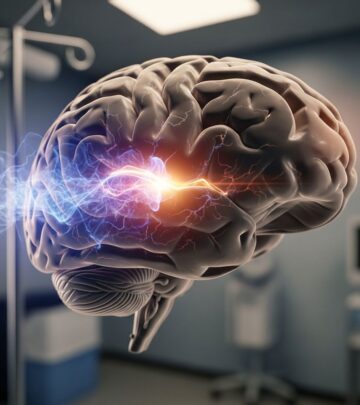
Brain imaging studies reveal how mindfulness reshapes pain processing. During meditation, activation decreases in the anterior cingulate cortex and orbitofrontal cortex—regions linked to pain appraisal—while the thalamus, a sensory gateway, shows reduced activity. This modulation mimics opioid effects without drugs, explaining sustained relief.
In Parkinson’s, where dopamine pathways are disrupted, mindfulness may counteract heightened limbic responses that amplify pain unpleasantness. A study by Fadel Zeidan demonstrated that brief mindfulness training reduced pain ratings by 27% and unpleasantness by 44% in healthy subjects, with similar patterns in chronic pain cohorts. Functional MRI confirms these changes persist post-session, suggesting neuroplasticity benefits for long-term management.
Core Mindfulness Techniques Tailored for Parkinson’s
Several accessible techniques suit varying mobility levels in Parkinson’s, focusing on breath, body awareness, and compassion. Start with short sessions of 5-10 minutes daily, gradually building tolerance.
- Breath-Focused Awareness: Sit comfortably or lie down, noticing the cool air entering nostrils and warm exhalation. When pain arises, label it neutrally (‘aching’) and return to breath. This anchors attention, reducing rumination.
- Body Scan Progression: Mentally sweep from toes to head, observing tension without forcing relaxation. For rigid areas, visualize gentle waves softening muscles. Evidence supports 15-minute sessions thrice weekly for decreased pain distress.
- Compassion Cultivation: Silently repeat phrases like ‘May I be at ease’ toward painful areas, extending to self and others. This counters isolation, lowering anxiety that exacerbates Parkinson’s pain.
Incorporate movement-based variants like mindful walking for those able: focus on foot-ground contact, syncing steps with breath to ease gait-related discomfort. Apps or guided audios from credible sources facilitate home practice.
Step-by-Step Guide to Daily Mindfulness Routine
Building a habit requires structure. Here’s a beginner-friendly plan:
- Prepare Environment: Choose a quiet spot, dim lights, supportive chair. Set a timer to avoid clock-watching.
- Settle In: Close eyes, straighten spine if possible. Take three deep belly breaths.
- Engage Practice: Spend 5 minutes on breath, 5 on body scan. Note pain shifts without judgment.
- Close Gently: Wiggle fingers/toes, open eyes. Journal insights: ‘Pain felt less overwhelming today.’
- Integrate Informally: During meals, fully taste food; while waiting, observe surroundings mindfully.
Related Stories



Consistency trumps duration—daily micro-practices yield compounding benefits, improving sleep and mood pivotal for Parkinson’s.
Evidence from Clinical Studies and Real-World Applications
| Study/Source | Key Findings | Population |
|---|---|---|
| PMC Meta-Analysis | Reduced pain intensity, interference; improved mental health via RCTs. | Chronic pain patients |
| Mayo Clinic Research | Less brain pain activation; opioid reduction in some. | General chronic pain |
| VA Health Study | Increased acceptance, functioning; lower anxiety/depression. | Veterans with pain |
| UCSD Brain Scans | 27-44% pain reduction; not placebo. | Healthy & pain sufferers |
Meta-analyses of mindfulness-based stress reduction (MBSR) programs, involving 8-week courses with group sessions and yoga, show significant gains in pain tolerance and quality of life for neurological conditions. Parkinson’s-specific adaptations, like seated yoga, address mobility limits while targeting dystonia-related pain.
Overcoming Common Challenges in Practice
Restlessness or wandering mind is normal—gently redirect without self-criticism. Parkinson’s symptoms like tremors may disrupt focus; view them as passing sensations. If fatigue hits, shorten sessions or practice lying down. Partner with therapists trained in mindfulness-based interventions for personalized tweaks.
Track progress via pain diaries: rate intensity (0-10) pre/post-practice. Many report gradual shifts, from pain dominance to background presence, freeing energy for valued activities.
Complementary Integration with Medical Care
Mindfulness enhances, not replaces, Parkinson’s treatments like levodopa or physical therapy. It fosters acceptance, reducing ‘off’ period distress and medication reliance. Holistic models emphasize biopsychosocial pain factors—mindfulness tackles psychological layers conventional meds overlook.
Consult neurologists before starting, especially with cognitive fluctuations. Programs like MBSR, offered via hospitals, combine instruction with community support.
Long-Term Benefits and Lifestyle Synergies
Beyond pain, practitioners experience better sleep, emotional resilience, and social engagement—crucial as Parkinson’s progresses. Reduced stress lowers cortisol, potentially slowing symptom worsening. Pair with exercise, nutrition, and support groups for amplified effects.
Patient testimonials highlight renewed autonomy: ‘Mindfulness turned my pain from enemy to signal, manageable amid Parkinson’s challenges.’ Sustained practice rewires responses, promoting empowerment.
Frequently Asked Questions
Is mindfulness safe for Parkinson’s patients?
Yes, when adapted. It’s low-risk, non-invasive, and endorsed by health authorities for chronic conditions.
How quickly does it work?
Some notice relief in weeks; full benefits emerge after 8 weeks of regular practice.
Do I need prior experience?
No—start simple. Guided resources build skills progressively.
Can it replace medications?
Not typically, but it may reduce dosage needs under medical supervision.
What if my mind wanders during practice?
That’s expected. Gently refocus—it’s the practice itself.
References
- Meditation for Alleviating Chronic Pain — PMC/NCBI. 2023. https://pmc.ncbi.nlm.nih.gov/articles/PMC10739252/
- Mindfulness to cope with chronic pain — Mayo Clinic Health System. 2023-12-15. https://www.mayoclinichealthsystem.org/hometown-health/speaking-of-health/use-mindfulness-to-cope-with-chronic-pain
- Live Whole Health #212: Mindfulness and chronic pain — VA News. 2022-05-10. https://news.va.gov/129371/live-whole-health-212-mindfulness-chronic-pain/
- Managing Chronic Pain through Mindfulness — Shirley Ryan AbilityLab. 2024. https://www.sralab.org/articles/blog/managing-chronic-pain-through-mindfulness
- Mindfulness Techniques For Pain Management — Physio-pedia. 2024. https://www.physio-pedia.com/Mindfulness_Techniques_For_Pain_Management
- Can Mindfulness Help with Pain Management? — American Psychiatric Association. 2023. https://www.psychiatry.org/news-room/apa-blogs/can-mindfulness-help-with-pain-management
- A Beginner’s Guide to Managing Pain Through Mindfulness — Parkinson’s Foundation. 2024. https://www.parkinson.org/blog/tips/pain-mindfulness
Similar Articles








Read full bio of medha deb