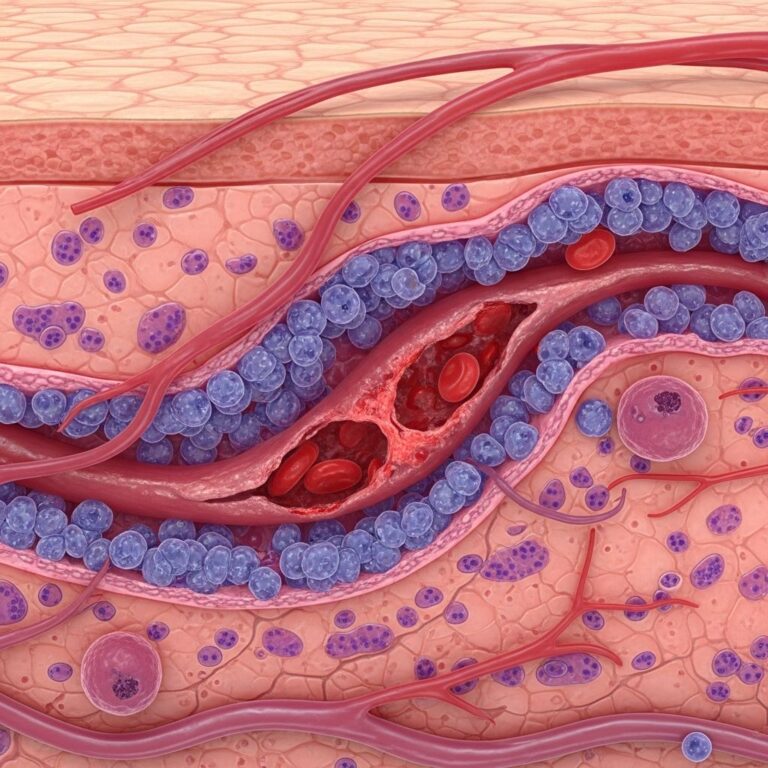
Mineral Oil Benefits: 6 Uses, Safety, And Dosage
Discover the versatile benefits of mineral oil for skin care, constipation relief, and more, backed by expert insights.
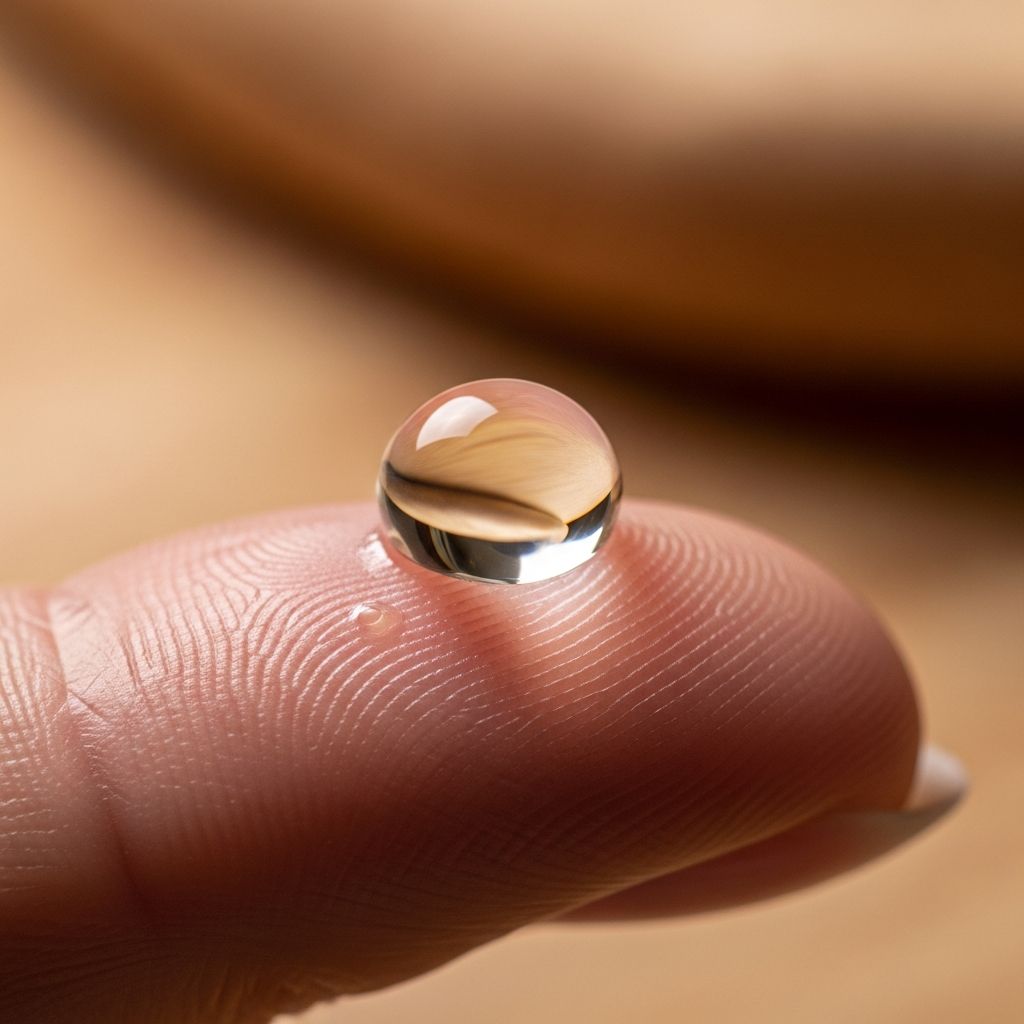
Mineral oil, a clear, odorless derivative of petroleum, offers multiple health and skincare benefits when used appropriately. Primarily recognized as an emollient and lubricant laxative, it effectively moisturizes dry skin and relieves constipation by coating surfaces to retain moisture.
What Is Mineral Oil?
Mineral oil is a highly refined, pharmaceutical-grade mixture of saturated hydrocarbons obtained from petroleum distillation. It is colorless, tasteless, and stable, making it suitable for topical and oral applications. Unlike industrial-grade versions, medical mineral oil undergoes rigorous purification to remove impurities, ensuring safety for human use. Its inert nature means it does not penetrate deeply into the skin or get absorbed systemically in significant amounts, reducing risks of adverse reactions.
Historically used since the 19th century, mineral oil has become a staple in cosmetics, pharmaceuticals, and laxatives due to its low cost, availability, and efficacy. Pharmaceutical-grade mineral oil differs substantially from food-grade or technical varieties, with higher purity levels critical for safety.
Mineral Oil Uses and Benefits
Mineral oil’s versatility stems from its occlusive properties, which lock in moisture, and its lubricating effects, which ease passage through the intestines. Key benefits include skin hydration, wound healing support, and bowel regularity.
1. Moisturizes Dry Skin
Applied post-bath or shower, mineral oil prevents transepidermal water loss, keeping skin soft and supple, especially in winter. It promotes overall skin health by reducing wrinkle appearance through sustained hydration. Studies confirm it does not dry out skin or cause premature aging; instead, it supports barrier function.
For severe dryness like xerosis—common in cancer patients undergoing radiation—mineral oil soothes irritated areas effectively. A 2012 study in the International Journal of Medical Sciences highlighted its role in combating radiation-induced skin dryness.
2. Relieves Constipation
As a lubricant laxative, mineral oil coats the bowel and stool, retarding water absorption and softening contents for easier passage. Effective doses range from 15-45 mL orally, though lower placebo doses show minimal systemic effects. It takes 6-8 hours to work, ideal for bedtime use, and is available as oral liquid, capsules, or enemas.
Safe for occasional use in adults and children over 6, it helps with hemorrhoids or fissures by reducing straining. Unlike stimulant laxatives, it does not cause dependency or electrolyte imbalance at therapeutic doses.
3. Soothes Eczema and Irritated Skin
For mild eczema affecting 10.1% of the U.S. population, mineral oil provides relief without corticosteroids. The National Eczema Association notes its utility in calming dry, itchy, inflamed skin. It forms a protective barrier, mimicking the skin’s natural lipids.
4. Removes Earwax and Treats Cracked Feet
A few drops soften earwax buildup, facilitating safe removal. For cracked heels, nightly application after soaking locks in moisture, healing fissures overnight.
5. Infant Care and Dandruff Control
In pediatrics, it’s used cautiously for cradle cap or constipation. A small amount massaged into the scalp loosens flakes. For adults, it combats dandruff by moisturizing the scalp.
6. Wound Healing and Other Uses
Mineral oil aids minor wound healing by keeping the area moist, promoting faster recovery. It’s also in some eye drops and as a carrier in topicals.
How to Use Mineral Oil
- For Skin: Apply a thin layer to damp skin after bathing. Use 1-2 times daily.
- For Constipation: Adults: 15-45 mL orally at bedtime. Children: Consult a doctor for age-appropriate dosing. Enemas: Follow package instructions.
- For Ears: 2-3 drops warmed to body temperature; do not insert deeply.
- For Feet: Soak in warm water, pat dry, apply generously, and wear socks overnight.
Related Stories



Always use USP-grade (United States Pharmacopeia) mineral oil for purity. Shake well before use.
Mineral Oil Side Effects
Generally safe, but potential issues include:
- Gastrointestinal upset like diarrhea or cramps from oral overuse.
- Skin irritation or acne in sensitive individuals.
- Rare aspiration pneumonia if inhaled, especially in bedridden patients or infants—avoid lying down immediately after oral intake.
High doses may interfere with fat-soluble vitamin absorption (A, D, E, K, beta-carotene), so take on an empty stomach and supplement vitamins separately. No evidence links it to cancer or aging when properly refined.
Is Mineral Oil Safe?
Pharmaceutical-grade mineral oil is inert with no systemic effects beyond lubrication. The National Cancer Institute notes risks only from untreated or mildly treated industrial oils, not medical versions. REDUCE-IT trial confirmed its safety as a placebo, with minor lipid changes not clinically significant.
Pregnant individuals and long-term users should consult doctors. Not for chronic constipation.
Mineral Oil vs. Other Oils
| Oil Type | Absorption | Best For | Comedogenic |
|---|---|---|---|
| Mineral Oil | Low | Dry skin, laxative | Low |
| Coconut Oil | High | Moisturizing, antimicrobial | High |
| Jojoba Oil | Medium | Acne-prone skin | Low |
| Olive Oil | High | Cooking, hair | Medium |
Mineral oil excels in occlusion without greasiness, unlike plant oils that nourish but may clog pores.
Frequently Asked Questions (FAQs)
What are the benefits of mineral oil for skin?
It moisturizes deeply, prevents water loss, treats dryness, eczema, and xerosis without causing aging or dryness.
Does mineral oil help with constipation?
Yes, as a lubricant laxative at 15-45 mL doses, it softens stool effectively within 8 hours.
Is mineral oil safe for daily use?
For topical use, yes; orally, limit to occasional relief to avoid vitamin interference.
Can mineral oil cause cancer?
No, refined medical mineral oil does not; risks apply only to untreated industrial types.
Is mineral oil bad for your face?
Not typically; it’s non-comedogenic for most, but patch-test if acne-prone.
How does mineral oil compare to Vaseline?
Both occlusive; mineral oil is liquid and lighter, Vaseline (petrolatum) thicker.
Who Should Avoid Mineral Oil?
Avoid in cases of bowel obstruction, appendicitis, or aspiration risk. Infants under 6 months and pregnant women need medical advice.
References
- Mineral oil: Cancer risk, benefits, and how to use — Medical News Today. 2023. https://www.medicalnewstoday.com/articles/is-mineral-oil-bad-for-your-skin
- Mineral oil: safety and use as placebo in REDUCE-IT and other trials — PMC (PubMed Central). 2020-10-15. https://pmc.ncbi.nlm.nih.gov/articles/PMC7537802/
- 6 Uses of Mineral Oil: For Skin, Feet, Ears, Constipation, and More — Healthline. 2019-09-30. https://www.healthline.com/health/mineral-oil-uses
- Mineral Oil – Health Information Library — PeaceHealth. Accessed 2026. https://www.peacehealth.org/medical-topics/id/hn-1156003
- Mineral Oils: Untreated and Mildly Treated — National Cancer Institute (.gov). Accessed 2026. https://www.cancer.gov/about-cancer/causes-prevention/risk/substances/mineral-oils
Similar Articles








Read full bio of medha deb