Mineral Water: Health Benefits and How It Compares to Tap Water
Discover the health benefits of mineral water, its mineral content, and how it compares to tap water.
What Is Mineral Water?
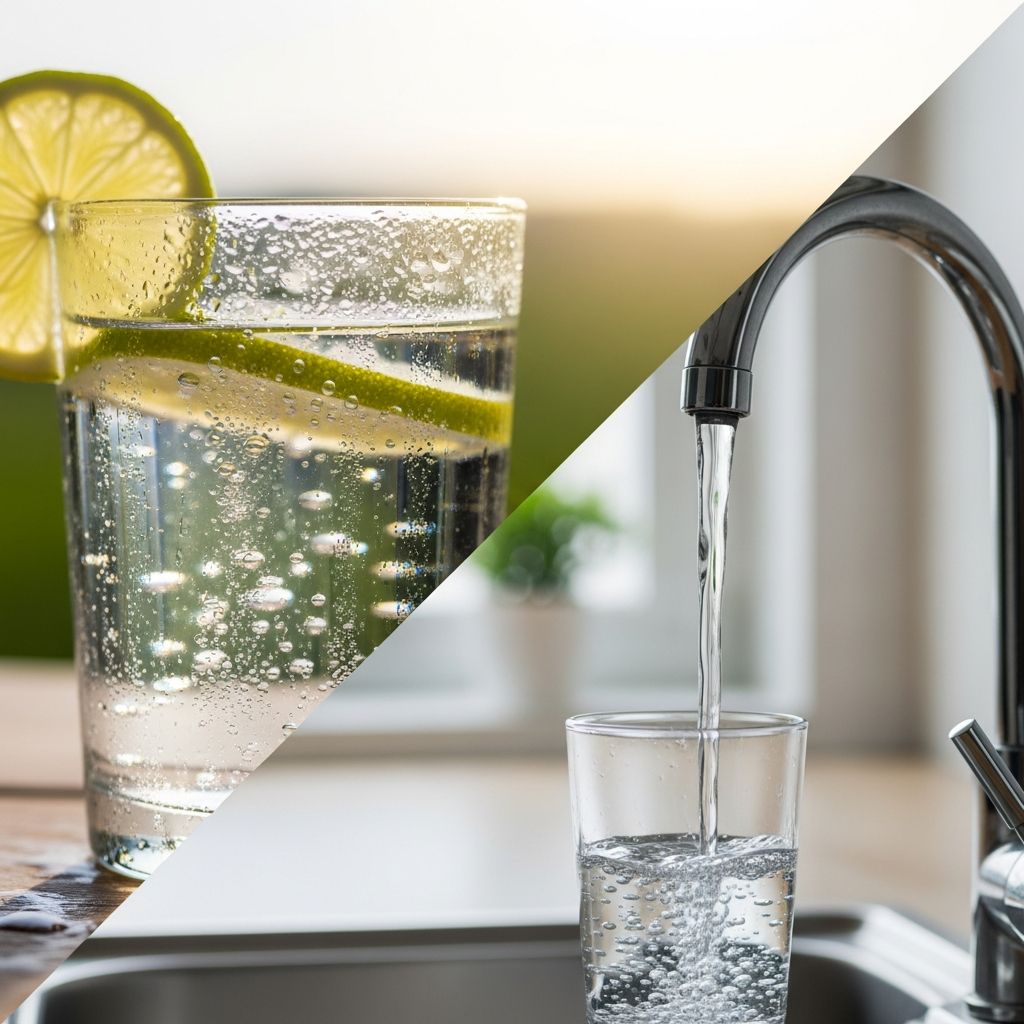
Mineral water is sourced from natural underground reservoirs and mineral springs, distinguishing it from regular tap water through its naturally elevated mineral content. According to the Food and Drug Administration (FDA), mineral water must contain at least 250 parts per million of total dissolved solids. Unlike tap water, which undergoes municipal treatment and chemical processing, mineral water is bottled directly at its source, preserving its natural mineral composition.
The FDA prohibits manufacturers from artificially adding minerals to products labeled as mineral water, ensuring that the mineral content derives exclusively from the natural source. This distinction makes mineral water fundamentally different from other bottled water varieties, which may be filtered, purified, or supplemented.
Key Minerals Found in Mineral Water
Mineral water contains a diverse array of naturally occurring minerals that contribute to its health profile. The primary minerals present include:
- Calcium — essential for bone development and cardiovascular health
- Magnesium — plays crucial roles in blood pressure regulation and nerve function
- Potassium — supports blood circulation and heart rhythm
- Sodium — aids in fluid balance and cellular function
- Bicarbonate — helps maintain pH balance in the body
- Iron — necessary for oxygen transport in blood
- Zinc — supports immune function and wound healing
The mineral composition varies significantly depending on the source and geographic location. European bottled waters, for instance, generally contain higher mineral levels than North American tap water sources and North American bottled waters.
Health Benefits of Mineral Water
A Source of Magnesium
Both bottled mineral water and tap water can serve as sources of magnesium, a nutrient that plays essential roles in regulating blood pressure, blood glucose levels, and nerve function. The amount of magnesium in water can vary substantially across different sources.
Having low levels of magnesium may contribute to high blood pressure, congestive heart failure, and conditions that cause irregular heartbeats. Mineral water rich in magnesium may therefore help lower the risk of cardiovascular disease. For individuals with inadequate dietary intake of magnesium, mineral water can serve as a supplementary source of this vital nutrient.
Lowering Blood Pressure
The minerals in water—particularly magnesium and potassium—have been associated with blood pressure regulation. Studies examining the relationship between waterborne minerals and cardiovascular health suggest that adequate mineral intake may help maintain healthy blood pressure levels. Magnesium, specifically, plays a critical role in vascular function and helps prevent arterial stiffness.
Regulating Blood Circulation
Mineral water may contain large amounts of calcium, magnesium, and potassium, all of which promote blood circulation. These minerals work synergistically to support cardiovascular health and maintain proper blood flow throughout the body. Potassium, in particular, helps regulate heart rhythm and reduces cardiovascular strain.
Strengthening Bones
Related Stories



Calcium is necessary for building and maintaining strong bones. It also regulates the rate and rhythm of the heartbeat. Mineral water contains bioavailable calcium, which helps promote bone strength. When bone tissue breaks down, the body deposits new bone in its place.
During adolescence, new bone is deposited faster than old bone breaks down. However, after the age of 20, bone loss can start outpacing bone formation, which can lead to brittle, weak bones. Adequate calcium intake through mineral water and other dietary sources becomes increasingly important in adulthood and particularly for older adults at risk of osteoporosis.
Mineral Water vs. Tap Water: A Comparison
Mineral Content Differences
Based on current evidence, the differences between mineral water and tap water are not always very significant, though important distinctions exist. Both types contain minerals and undergo some form of processing. However, by definition, mineral water must contain a certain minimum amount of minerals, and the bottling process takes place at the source.
Tap water contains added minerals, including calcium, magnesium, and potassium, with mineral content varying by location. Hard tap water has higher mineral contents, which some consider more healthful. However, minerals in hard water form deposits that can corrode pipes or restrict the flow. Research analyzing 21 major North American cities found that mineral levels varied significantly among tap water sources. For half of the tap water sources examined, adults may fulfill between 8% and 16% of their calcium dietary reference intake and between 6% and 31% of their magnesium dietary reference intake by drinking 2 liters per day.
Processing and Safety
Tap water undergoes rigorous treatment to remove contaminants, while mineral water may undergo minimal processing. In the United States, the EPA strictly regulates tap water quality to ensure that it is free from harmful microbes. Tap water also contains added minerals, making it a cheaper alternative to mineral water.
However, mineral water may undergo some processing to enhance safety and shelf stability. This can include adding or removing carbon dioxide (CO2) gas or eliminating toxic substances, such as arsenic. CO2 helps prevent oxidation and limits bacterial growth in mineral water. Naturally carbonated water gets its CO2 from the source, while manufacturers can also infuse their water with CO2 after extraction.
Despite the efforts of public water suppliers, contaminants from rusted or leaking pipes can pollute tap water in some regions. Some people prefer mineral water due to its perceived purity and the lack of chemical disinfection treatments. However, mineral water cannot undergo the same disinfection process as tap water because it is bottled at the source, so the range of microbes can vary.
Health and Safety Considerations
Is Mineral Water Safe to Drink?
Mineral water is generally safe to drink. Very little research points to any immediate negative health impacts associated with drinking plain mineral water. However, mineral water and other bottled water may contain specific contaminants. By definition, mineral water must contain a minimum quantity of microbes.
The carbonation in mineral water is safe and does not pose significant health risks for most individuals. Carbonated mineral water contains carbonic acid, which can cause hiccups or bloating in some people. Additionally, drinking carbonated mineral water may cause some tooth erosion, but not to the same extent as sugar-sweetened beverages such as sodas.
Clinical Importance of Mineral Content
Research demonstrates that drinking water sources available to North Americans may contain clinically important levels of calcium, magnesium, and sodium, and may provide clinically important portions of the recommended dietary intake of these minerals. Adequate daily consumption of some tap and bottled waters may help North American children and adults supplement dietary intake of calcium and magnesium as well as reduce sodium intake.
Physicians should encourage patients to check the mineral content of their drinking water, whether tap or bottled, and choose the water most appropriate for their individual dietary needs. This is especially important for children and for individuals with poor dietary habits, who may benefit significantly from mineral-supplemented water sources.
Choosing the Right Water for Your Needs
The choice between mineral water and tap water depends on individual health goals and local water quality. People in the U.S. can check the EPA’s water quality reports by state, which contain information about water sources, levels of contaminants, and mineral contents.
For those seeking to supplement calcium and magnesium intake, mineral waters with moderate mineralization levels may best fulfill dietary reference intakes. Adult women may fulfill more than 20% of their calcium dietary reference intake and more than 17% of their magnesium dietary reference intake when drinking 1 liter of such moderately mineralized bottled waters.
People who want to buy mineral water can find it in supermarkets or choose from brands online. However, for most individuals with access to clean tap water, tap water remains a cost-effective and adequately mineralized hydration option that is subject to strict regulatory oversight.
Frequently Asked Questions (FAQs)
Q: What is the minimum mineral content required for water to be labeled as mineral water?
A: According to the FDA, mineral water must contain at least 250 parts per million of total dissolved solids.
Q: Can manufacturers add minerals to mineral water?
A: No, the FDA prohibits manufacturers from adding minerals to products labeled as mineral water. All minerals must come naturally from the source.
Q: Is mineral water better for bone health than tap water?
A: Mineral water can contribute to bone health due to its calcium content, but both mineral and tap water contain calcium. The specific benefit depends on the mineral content of both the mineral water brand and local tap water source.
Q: Can carbonated mineral water damage teeth?
A: Carbonated mineral water may cause some tooth erosion, but not to the same extent as sugar-sweetened beverages such as sodas. The risk is relatively low for most people.
Q: How much mineral water should I drink to meet dietary requirements?
A: This varies by mineral content and individual needs. Some mineral-rich tap waters may provide 8–31% of daily magnesium and calcium needs at 2 liters per day, while moderately mineralized bottled waters can provide over 20% of calcium needs at 1 liter per day.
Q: Is tap water as safe as mineral water?
A: Yes, in the United States, the EPA strictly regulates tap water to ensure it is free from harmful microbes and contaminants. Both tap and mineral water are safe, though mineral water is not subject to the same disinfection standards.
Q: Why do some people prefer mineral water over tap water?
A: Some prefer mineral water for its perceived purity, the lack of chemical disinfection treatments, and higher mineral content. However, both sources can be suitable depending on local water quality and individual nutritional needs.
References
- Comparison of the Mineral Content of Tap Water and Bottled Waters — National Center for Biotechnology Information (NCBI). 2006. https://pmc.ncbi.nlm.nih.gov/articles/PMC1495189/
- Is Mineral Water More Healthful? Benefits and Side Effects — Medical News Today. 2024. https://www.medicalnewstoday.com/articles/324910
Similar Articles








Read full bio of Sneha Tete