Minocycline Medication Guide: Uses, Dosage, Risks
Comprehensive insights into minocycline's uses, benefits, risks, and safe administration for bacterial infections and skin conditions.
Minocycline belongs to the tetracycline class of antibiotics, effective against a broad spectrum of bacterial infections. It works by inhibiting bacterial protein synthesis, preventing pathogen growth and spread in the body. Primarily prescribed for respiratory infections, urinary tract issues, and severe acne, this medication offers targeted relief when other treatments fall short.
Primary Applications and Therapeutic Benefits
Healthcare providers recommend minocycline for conditions where bacteria resist standard antibiotics. It excels in managing pneumonia, chlamydia, gonorrhea, and skin disorders like acne vulgaris and rosacea. Unlike some peers, minocycline penetrates tissues deeply, reaching hard-to-treat areas such as the brain and bones, making it ideal for complicated infections.
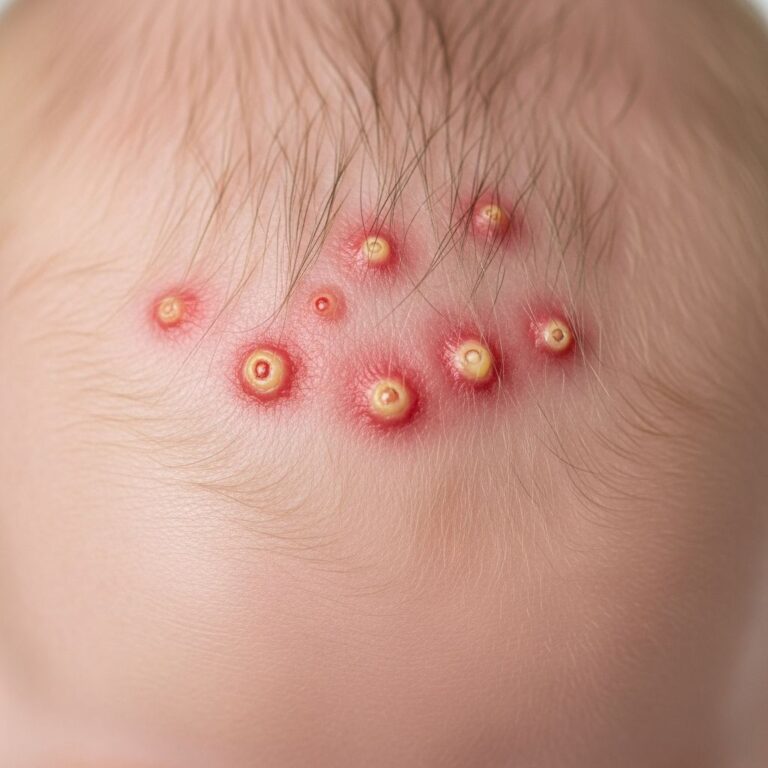
In dermatology, its anti-inflammatory properties reduce acne lesions beyond mere bacterial kill. Patients often see clearer skin within weeks, with sustained results upon completion of therapy. For respiratory tract infections, it alleviates symptoms like cough and fever by targeting culprits such as Mycoplasma pneumoniae.
- Respiratory infections: Pneumonia, bronchitis exacerbations.
- Skin conditions: Moderate to severe acne, rosacea flares.
- Sexually transmitted infections: Chlamydia, certain gonorrhea strains.
- Other uses: Urinary tract infections, tick-borne illnesses like Lyme disease in early stages.
Understanding Dosage and Administration Protocols
Dosage varies by infection severity, patient age, and kidney function. Adults typically start with 200 mg initially, followed by 100 mg every 12 hours. For acne, lower maintenance doses of 50-100 mg daily suffice. Pediatric use requires caution, often calculated at 4 mg/kg initially, then 2 mg/kg every 12 hours, but only for children over 8 years due to dental risks.
Take capsules or tablets with a full glass of water, remaining upright for 30 minutes to avoid esophageal irritation. Food can reduce absorption, so empty-stomach timing optimizes efficacy. Extended-release formulations for acne minimize daily peaks, improving tolerability. Treatment duration spans 7-21 days for acute infections, longer for chronic acne.
| Condition | Adult Dose | Pediatric Dose (over 8 years) | Duration |
|---|---|---|---|
| Acne | 50-100 mg once daily | 1 mg/lb every 12 hours | 6-12 weeks |
| Pneumonia | 100 mg every 12 hours | 4 mg/kg day 1, then 2 mg/kg every 12h | 10-14 days |
| UTI | 100 mg every 12 hours | Not typically recommended | 7-10 days |
Adjust for renal impairment: halve doses if creatinine clearance falls below 30 mL/min. Never self-adjust; consult physicians for personalized regimens.
Common Adverse Reactions and Management
Most users experience mild issues resolving without intervention. Gastrointestinal disturbances top the list, affecting up to 20% of patients. Nausea, vomiting, diarrhea, and heartburn respond to taking doses with meals or antacids (non-aluminum based). Dizziness, headache, and fatigue, reported in 10-15%, improve with rest and hydration.
Related Stories



Skin and mucosal changes include pigmentation shifts in nails, teeth, scars, or bodily fluids like urine and tears. These are dose- and duration-dependent, more common in long-term therapy. Vaginal itching or rectal discomfort signals yeast overgrowth; probiotics or antifungal creams help restore balance.
- Frequent mild effects: Nausea (14%), dizziness (11%), itching (7%).
- Manageable with lifestyle tweaks: Dry mouth (sugared lozenges), sore throat (lozenges), muscle aches (stretching).
Serious Risks and When to Seek Urgent Care
Severe reactions, though rare (less than 1%), demand immediate attention. Intracranial hypertension mimics migraines with severe headaches, vision changes, or papilledema, especially in young women. Liver toxicity presents as jaundice, right-upper quadrant pain, or elevated enzymes; routine monitoring aids early detection.
Hypersensitivity syndromes like DRESS involve rash, fever, eosinophilia, and organ involvement, potentially fatal. Minocycline-induced lupus features joint pains, ANA positivity, and resolves post-discontinuation. Anaphylaxis—hives, swelling, breathing difficulty—requires epinephrine.
Sun sensitivity heightens burn risk; broad-spectrum SPF 50+ is essential. Rare vestibular effects like vertigo or tinnitus warrant dose review. Long-term use risks autoimmune flares, hypothyroidism, or pneumonitis.
Special Considerations for Vulnerable Groups
Pregnant individuals face fetal risks: tooth discoloration, bone growth inhibition (FDA Pregnancy Category D). Avoid in first trimester; use only if benefits outweigh harms. Breastfeeding passes into milk, potentially affecting infant gut flora and dental development.
Children under 8 risk permanent enamel hypoplasia and growth stunting. Elderly patients monitor for superinfections like C. difficile diarrhea. Those with myasthenia gravis may worsen muscle weakness.
Interactions with Foods, Drugs, and Lifestyle
Dairy, antacids, iron supplements bind minocycline, slashing absorption by 80-90%. Space by 2-3 hours. Warfarin potentiates bleeding; monitor INR. Oral contraceptives efficacy drops, risking pregnancy. Avoid alcohol to prevent liver strain.
Photosensitizing drugs like isotretinoin amplify sunburn. Live vaccines (e.g., typhoid) may fail during therapy. Penicillins antagonize effects; sequence carefully.
Monitoring and Long-Term Safety Strategies
Baseline labs include CBC, liver/kidney panels, ANA if prolonged use. Monthly checks for extended acne therapy catch elevations early. Vision screening for pseudotumor cerebri symptoms. Dermatology follow-ups assess skin progress and pigmentation.
Taper doses gradually for chronic regimens to prevent relapse. Probiotics mitigate GI disruption. Hydration flushes kidneys, reducing crystal formation risk.
Alternatives When Minocycline Isn’t Suitable
For allergy or intolerance, doxycycline offers similar spectrum with fewer vestibular issues. Topical minocycline foam targets acne locally, bypassing systemic risks. Azithromycin suits short-course respiratory needs. Clindamycin aids anaerobic infections.
Combination therapies like benzoyl peroxide with topicals enhance acne control without oral exposure.
Frequently Asked Questions
Can minocycline treat viral infections?
No, it targets bacteria only. Viruses like colds require supportive care.
How long until acne improves?
Visible changes in 4-6 weeks; full benefits by 12 weeks.
Does it cause weight gain?
Not directly; GI effects may alter appetite temporarily.
Is it safe for long-term acne use?
Up to 6 months with monitoring; reassess periodically.
What if I miss a dose?
Take ASAP unless near next; skip double-dosing.
Patient Tips for Optimal Outcomes
Complete full course to prevent resistance. Store at room temperature, away from moisture. Report new symptoms promptly. Lifestyle supports: balanced diet, sun protection, stress management boost recovery.
References
- Minocycline: MedlinePlus Drug Information — U.S. National Library of Medicine. 2023-10-15. https://medlineplus.gov/druginfo/meds/a682101.html
- Minocycline (oral route) — Mayo Clinic. 2024-05-01. https://www.mayoclinic.org/drugs-supplements/minocycline-oral-route/description/drg-20075715
- What Minocycline Side Effects Do People Usually Experience? — GoodRx. 2024-02-20. https://www.goodrx.com/minocycline/minocycline-side-effects-people-experience
- A Review of Systemic Minocycline Side Effects and Topical… — PubMed Central (PMC). 2021-07-15. https://pmc.ncbi.nlm.nih.gov/articles/PMC8300648/
- Minocycline Capsules & Tablets: Uses & Side Effects — Cleveland Clinic. 2023-11-10. https://my.clevelandclinic.org/health/drugs/18167-minocycline-capsules-or-tablets
Similar Articles








Read full bio of Sneha Tete