Minoxidil for high blood pressure (Loniten)
Minoxidil (Loniten) is a specialist-prescribed vasodilator for severe hypertension resistant to other treatments.

Minoxidil (also called Loniten®) is a powerful medicine used to treat very high blood pressure (hypertension) that has not been controlled by other treatments. It is prescribed only by hospital specialists for severe cases and requires additional medications to manage side effects like fluid retention and rapid heartbeat.
About minoxidil
| Type of medicine | Used for |
|---|---|
| A vasodilator antihypertensive medicine | The treatment of very high blood pressure |
| Also called | Loniten® |
| Available as | Tablets |
Minoxidil belongs to a group of medicines called antihypertensives, specifically direct-acting peripheral vasodilators. It relaxes the smooth muscles in blood vessel walls, widening them to reduce peripheral vascular resistance and lower elevated systolic and diastolic blood pressure. This improves blood flow and oxygen delivery throughout the body, reducing strain on the heart and arteries.
High blood pressure increases the heart’s workload, potentially leading to heart disease, stroke, kidney damage, or heart failure if uncontrolled. Minoxidil is reserved for severe, refractory hypertension where maximum doses of diuretics and at least two other antihypertensives have failed. Clinical studies show it controls blood pressure in about 75% of such patients, often reducing supine diastolic pressure by 20 mm Hg or to ≤90 mm Hg.
Treatment is typically long-term, with most patients requiring combination therapy: a beta-blocker to control tachycardia, a diuretic to prevent fluid retention, and minoxidil. It does not cause orthostatic hypotension alone but can when combined with drugs like guanethidine.
Key facts
- Minoxidil starts lowering blood pressure within 2 hours of a 5 mg oral dose, with peak effects in 2-3 hours and duration up to 75 hours.
- The effective daily dose ranges from 5-40 mg, often in divided doses; response is log-linear with dose.
- It enhances microcirculatory blood flow without significantly affecting the central nervous system.
- Not for mild hypertension; reserved for severe cases resistant to other therapies.
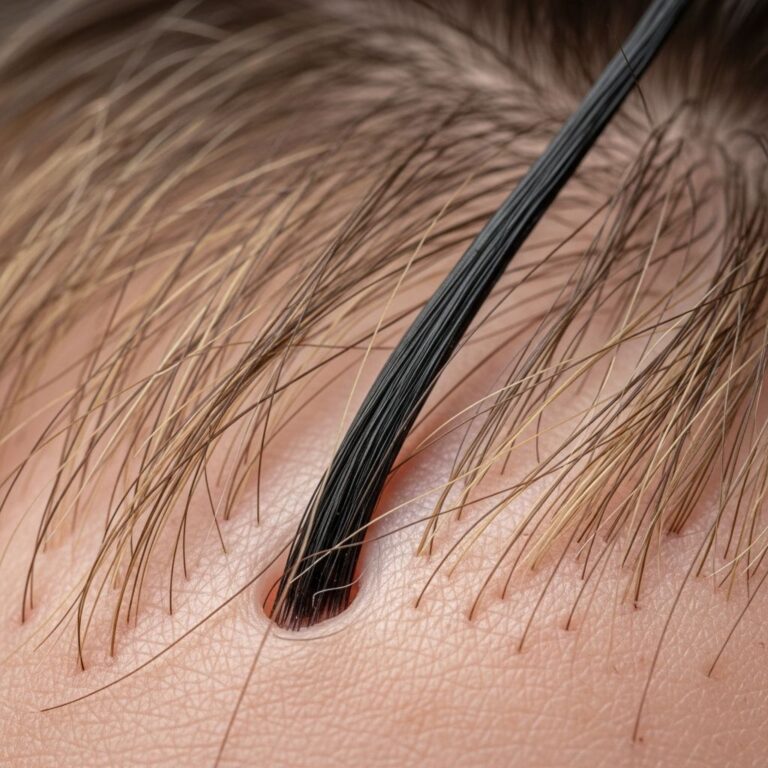
- Common non-cardiac side effect: hypertrichosis (excessive hair growth, especially facial).
Before taking minoxidil
When not to take minoxidil
Minoxidil is contraindicated in certain conditions due to risks of exacerbating them:
- Pheochromocytoma (may stimulate catecholamine release).
- Porphyria (rare blood disorder).
- Recent heart attack or angina (increases cardiac demand).
- Hypersensitivity to minoxidil.
Warnings and precautions
Discuss your medical history with your doctor. Initial treatment for malignant hypertension or with guanethidine should occur in hospital to monitor for rapid blood pressure drops. Animal studies show myocardial lesions at high doses, warranting close supervision.
- Pregnancy and breastfeeding: Limited data; use only if benefits outweigh risks. Consult specialist.
- Driving/operating machinery: May cause dizziness; avoid until effects known.
- Surgery: Inform anaesthetists, as it affects blood pressure control.
Interactions
Tell your doctor about all medications, including over-the-counter, herbal, or complementary therapies:
- Guanethidine: Risk of profound orthostatic hypotension; hospital initiation required.
- Beta-blockers: Mandatory to counter reflex tachycardia.
- Diuretics: Essential to manage salt/water retention.
- NSAIDs (e.g., ibuprofen): May reduce antihypertensive effect.
- Alcohol: Enhances blood pressure lowering; limit intake.
Related Stories



How and when to take minoxidil
Take exactly as prescribed, usually with other antihypertensives. Swallow tablets whole with water, with or without food. Aim for consistent daily times to maintain steady levels.
Dosage
Start low to minimize side effects:
| Patient Group | Initial Dose | Maintenance Range | Maximum |
|---|---|---|---|
| Adults | 5 mg once daily | 10-40 mg/day (single or divided) | 100 mg/day (rare) |
| Children | 0.2 mg/kg once daily | 0.25-1 mg/kg/day | 50 mg/day (≥12 years) |
Increase gradually (double weekly) based on blood pressure response and tolerance. Most respond to 10-40 mg/day. Monitor supine diastolic pressure.
Missed dose: Take as soon as remembered unless near next dose. Do not double up.
Overdose: Seek emergency help; symptoms include excessive hypotension, tachycardia.
Side effects
Minoxidil causes reflex increases in heart rate, cardiac output, and fluid retention, hence combination therapy. Most effects are manageable.
Common side effects
- Fast heartbeat (tachycardia): Controlled by beta-blockers.
- Fluid retention (edema, weight gain): Diuretics prevent pericardial effusion.
- Hypertrichosis: Fine hair growth on face/body, reversible on stopping.
- Hypertrichosis affects women more noticeably; temporary.
Serious side effects (seek medical help)
- Chest pain, shortness of breath (pericarditis, heart failure).
- Severe dizziness, fainting (hypotension).
- Swelling in legs/ankles worsening despite diuretics.
- Nausea, vomiting (less common).
One study noted glucose intolerance in one patient. Long-term use up to 57 months showed good control in 45/47 refractory cases, with 4 unrelated deaths.
Report persistent or worrying effects to your doctor. Do not stop abruptly to avoid rebound hypertension.
How to cope with side effects
- Fluid retention/weight gain: Weigh daily; report >1-2 kg/week gain. Ensure diuretic compliance.
- Fast heartbeat: Beta-blockers usually suffice; monitor pulse.<90 bpm target.
- Hair growth: Cosmetic management (bleaching, shaving); fades 2-4 months post-discontinuation.
- Dizziness: Rise slowly, stay hydrated, avoid alcohol.
Regular monitoring includes ECG, chest X-ray, renal function, and echocardiograms for pericardial fluid.
Pregnancy and breastfeeding
Not routinely recommended. Animal studies show no teratogenicity, but human data limited. Use only if essential, under specialist advice. Unknown if excreted in breast milk; avoid breastfeeding.
Other medicines, food, drink and driving
Medicines: Check interactions as above. Avoid OTC NSAIDs.
Food/Drink: No specific restrictions; consistent timing aids absorption.
Driving: Dizziness risk; do not drive until stable on treatment.
Frequently asked questions
How long does minoxidil take to work?
Blood pressure drops within 2 hours, peaking at 2-3 hours; full steady-state in 3-5 days with divided dosing.
Can I stop taking minoxidil suddenly?
No; taper under supervision to prevent rebound hypertension.
Does minoxidil cause hair loss or growth?
Oral form causes hypertrichosis (growth); topical is for hair loss.
Is minoxidil safe long-term?
Yes, up to 5+ years in studies, with monitoring.
What if I forget a dose?
Take promptly; skip if near next. Never double.
References
- Clinical use of minoxidil (Loniten) — PubMed. 1981-05-01. https://pubmed.ncbi.nlm.nih.gov/7230242/
- Loniten (minoxidil) Tablets USP Label — FDA (AccessData). 2015-08-27. https://www.accessdata.fda.gov/drugsatfda_docs/label/2015/018154s026lbl.pdf
- Minoxidil (oral route) Description — Mayo Clinic. Accessed 2026. https://www.mayoclinic.org/drugs-supplements/minoxidil-oral-route/description/drg-20068757
- Minoxidil (Loniten) Uses and Side Effects — WebMD. Accessed 2026. https://www.webmd.com/drugs/2/drug-8680/minoxidil-oral/details
- Minoxidil for high blood pressure (Loniten) — Patient.info. Accessed 2026. https://patient.info/medicine/minoxidil-for-high-blood-pressure-loniten
- What is Oral Minoxidil? — GoodRx. Accessed 2026. https://www.goodrx.com/minoxidil/what-is
Similar Articles








Read full bio of Sneha Tete