Minoxidil For Women: Complete Guide To Regaine Use
Comprehensive guide to using Regaine for Women (minoxidil) to treat female pattern hair loss effectively and safely.
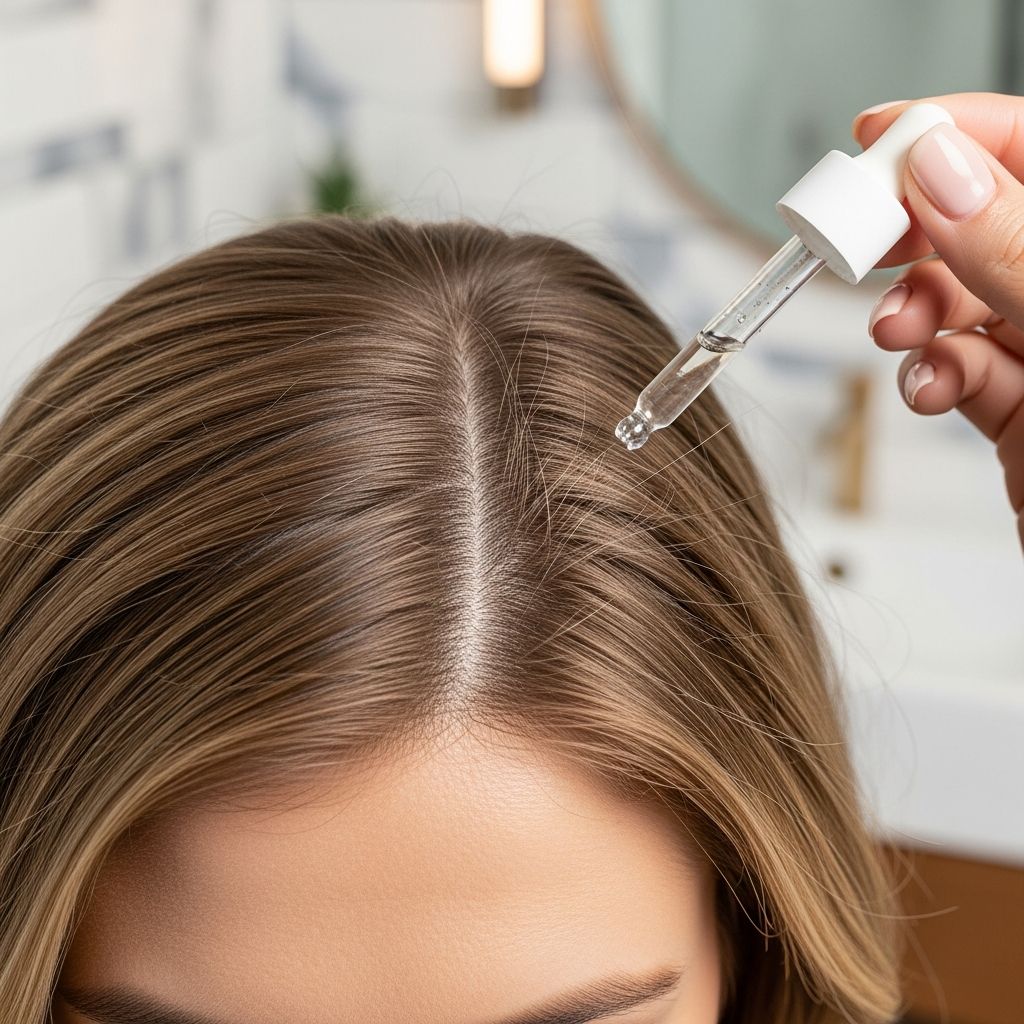
Minoxidil scalp preparations, such as Regaine for Women, are topical treatments specifically formulated to address female pattern hair loss. Originally developed as an oral medication for high blood pressure, minoxidil was repurposed into a topical solution after its hair growth-promoting side effect was discovered. It is the only FDA-approved topical medication for treating hereditary hair loss in women, widening blood vessels in the scalp to enhance nutrient delivery to hair follicles and prolong the growth phase of hair.
About Minoxidil for Women (Regaine for Women)
Regaine for Women contains 2% minoxidil and is designed for women experiencing gradual thinning at the top of the scalp, a condition known as female androgenetic alopecia or female pattern hair loss. This non-scarring hair loss affects many women, particularly post-menopause, but can occur earlier due to genetics or hormonal changes. Unlike male pattern baldness, it typically spares the frontal hairline while thinning the crown.
The active ingredient works by converting to minoxidil sulfate in the scalp, which stimulates hair follicles, lengthens the anagen (growth) phase, and shortens the telogen (resting) phase, leading to thicker, fuller hair over time. Clinical studies show it increases scalp hair count by 14-18% after one year in women, with peak effects around that time. It is available over-the-counter as a solution or foam, making it accessible without a prescription.
When not to use Minoxidil for Women (Regaine for Women)
- Sudden or patchy hair loss, as minoxidil is ineffective for alopecia areata or focal alopecias.
- Hair loss due to medication, childbirth, nutritional deficiencies, or other non-hereditary causes like telogen effluvium (unless combined with other treatments).
- Scalp conditions such as psoriasis, severe sunburn, or infection, which may worsen with application.
- Women under 18 years, pregnant or breastfeeding individuals, due to lack of safety data.
- Known hypersensitivity to minoxidil or propylene glycol (in liquid formulations).
Consult a doctor if hair loss persists beyond expected patterns or accompanies symptoms like scalp pain or inflammation.
Before using Minoxidil for Women (Regaine for Women)
A diagnostic assessment by a healthcare professional is essential to confirm female pattern hair loss and rule out underlying issues like thyroid disorders, iron deficiency, or hormonal imbalances. Self-diagnosis can lead to ineffective treatment. Inform your doctor of any scalp abnormalities, recent hair treatments, or concurrent medications.
For optimal results, start treatment early when hair loss is recent and follicles are still active. Minoxidil is most effective in women under 40 with mild to moderate thinning. Foam formulations are preferred for those sensitive to propylene glycol, reducing irritation risk.
How to use Minoxidil for Women (Regaine for Women)
- Ensure scalp and hair are completely dry.
- Apply 1ml (half a capful of foam or measured drops) twice daily to the affected area, spacing doses 8-12 hours apart (e.g., morning and evening).
- Part hair to expose scalp, then gently massage in with fingertips until absorbed.
- Wash hands thoroughly after use; allow to dry fully before styling or sleeping.
- Use consistently; initial shedding may occur in weeks 2-6 as follicles reset, resolving by week 8.
Related Stories



Visible regrowth typically begins after 3-6 months, with full effects at 12 months. Missing doses reduces efficacy. Do not exceed recommended dose, as it offers no added benefit and increases side effect risk.
Health Information for Patients on Minoxidil for Women (Regaine for Women)
Minoxidil does not cure baldness; it manages symptoms while used. Upon discontinuation, new hair sheds within 3-4 months, resuming pre-treatment progression—no worsening occurs. Combine with gentle hair care: avoid tight styles, harsh chemicals, and excessive heat. A balanced diet supporting hair health (iron, biotin, zinc) enhances outcomes, though not a substitute for treatment.
Strengths include 2% for women (safer profile, less facial hair risk) and 5% (more effective for moderate loss, used once daily by some). Oral low-dose minoxidil (0.25-2.5mg) is emerging off-label but riskier, with potential systemic effects like hypotension; not first-line for women.
Side-effects of Minoxidil for Women (Regaine for Women)
Most women tolerate topical minoxidil well, but side effects occur in a minority:
- Common (local): Itching, redness, dryness, flaking (often from propylene glycol; switch to foam).
- Initial shedding: Temporary increase in hair loss (2-6 weeks), normal and self-resolves.
- Unwanted growth: Facial hair if solution drips; rare with proper use.
- Rare systemic: Dizziness, fast heartbeat if over-absorbed (e.g., large amounts on damaged skin).
| Side Effect | Frequency | Management |
|---|---|---|
| Scalp irritation | Common | Reduce frequency; use foam |
| Hair shedding | Common initially | Continue use; resolves in 4-6 weeks |
| Facial hair | Uncommon | Wipe drips; tweeze if needed |
| Contact dermatitis | Occasional | Discontinue; antihistamines |
Seek immediate care for chest pain, swelling, or rapid weight gain. Only 1% discontinue due to adverse effects.
Looking after your medicine
- Store at room temperature, away from heat/moisture.
- Keep out of children’s reach.
- Discard after expiry; do not share.
- Track usage to ensure compliance.
Further information and support
For personalized advice, consult dermatologists or trichologists. Organizations like the American Academy of Dermatology provide resources. Track progress with photos monthly.
Frequently Asked Questions (FAQs)
Q: How long until I see results with Regaine for Women?
A: Improvement starts at 3-6 months; peak at 12 months with consistent twice-daily use.
Q: Does minoxidil work for all women?
A: Best for female pattern hair loss; 60% see significant regrowth. Ineffective for frontal recession or scarring alopecias.
Q: Can I use 5% minoxidil as a woman?
A: Yes, once daily for better results, but monitor for facial hair; 2% is standard.
Q: What if I stop using it?
A: Regrown hair sheds within 3-4 months; loss resumes normally—no acceleration.
Q: Is oral minoxidil safe for women?
A: Low doses (0.625-2.5mg) show promise (12% density increase vs. 7% topical), but risks hypertrichosis, hypotension; doctor-supervised only.
Q: Can I combine with other treatments?
A: Yes, with finasteride (men), laser therapy, or PRP for synergy.
References
- Minoxidil (Rogaine) for Women: What You Need to Know — Hair Center. 2023. https://haircenter.com/blog/minoxidil-rogaine-for-women-what-you-need-to-know/
- Treatment of Hair Loss with Minoxidil — American Academy of Family Physicians (AAFP). 2023-10-12. https://www.aafp.org/pubs/afp/afp-community-blog/entry/treatment-of-hair-loss-with-minoxidil.html
- Minoxidil for hair loss — Gloucestershire Hospitals NHS. 2024. https://www.gloshospitals.nhs.uk/your-visit/patient-information-leaflets/minoxidil-for-hair-loss-ghpi1649/
- Minoxidil (topical route) — Mayo Clinic. 2025-01-01. https://www.mayoclinic.org/drugs-supplements/minoxidil-topical-route/description/drg-20068750
- Minoxidil — StatPearls, NCBI Bookshelf. 2024-06-20. https://www.ncbi.nlm.nih.gov/books/NBK482378/
- Minoxidil (Rogaine): Hair Loss Treatment — Cleveland Clinic. 2024. https://my.clevelandclinic.org/health/drugs/18238-minoxidil-topical-solution-or-foam
- Minoxidil: Formulation, Dosage & Side-Effects — International Society of Hair Restoration Surgery (ISHRS). 2024. https://ishrs.org/patients/treatments-for-hair-loss/medications/minoxidil/
Similar Articles








Read full bio of Sneha Tete