Mint Contact Dermatitis: Complete Guide To Causes & Care
Explore the therapeutic uses, skin effects, and safety considerations of mint in dermatology and daily care.
Mint
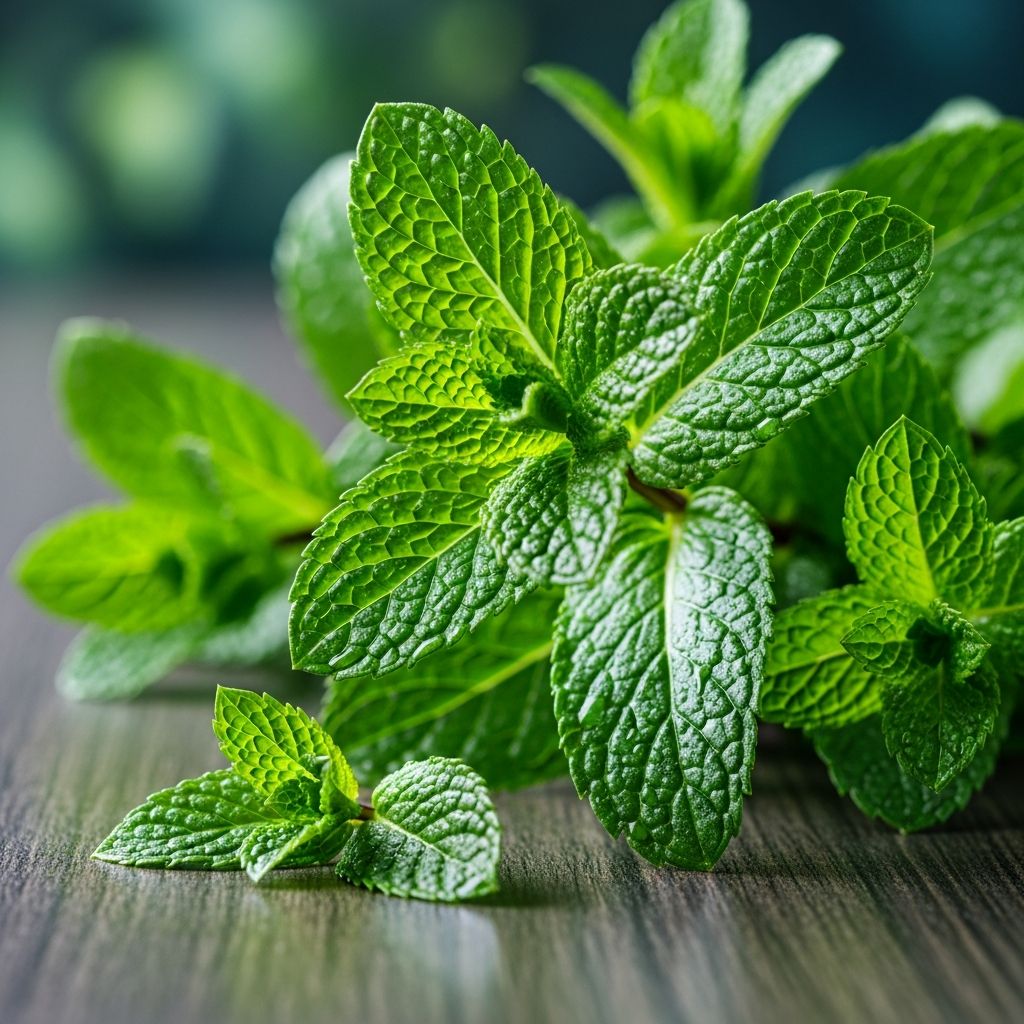
The 25 to 30 species of Mentha are native or naturalized to north temperate regions, Australia and South Africa. They may have originated from the Mediterranean region and possibly the Cape of Good Hope. Mint has been cultivated since ancient times and is now naturalized almost everywhere in the world due to its ease of growth.
Mints are rhizomatous, square-stemmed perennials with aromatic leaves containing
menthol
(the minty smell) andmenthone
. These plants readily hybridize, resulting in numerous varieties and cultivars.What is mint used for?
Mints have a long history of medicinal use. Their volatile oil is antiseptic, antispasmodic, and carminative (relieves flatulence). Mint is used in confectionery, drinks, cosmetics, herbal medicines, and as a flavouring in toothpastes.
- Internal uses: Teas, infusions, and extracts for digestive disorders, colds, headaches, and menstrual pain.
- External uses: Ointments, lotions, and oils for muscle pain, itching, and skin infections.
Mint in dermatology
Mint extracts and oils are incorporated into various dermatological products for their cooling, antipruritic (anti-itch), and antimicrobial properties. Common applications include:
- Shampoos and conditioners for scalp soothing.
- Topical creams for acne and minor wounds.
- Lip balms and oral care products.
- Aromatherapy blends for stress-related skin conditions.
However, mint can provoke adverse skin reactions in sensitive individuals due to its volatile components.
Adverse skin reactions to mint
Mint may cause
allergic contact dermatitis
orirritant contact dermatitis
. The main allergens are (-)-**carvone** and (-)-**menthol**. Reactions are more common with mint oils than leaf extracts.| Reaction Type | Common Culprits | Symptoms |
|---|---|---|
| Allergic | Carvone, menthol | Eczema, vesicles, redness |
| Irritant | High-concentration oils | Burning, stinging, dryness |
| Phototoxic | Rare, with psoralens | Exaggerated sunburn |
Patch testing reveals positive reactions in 1–3% of patients tested for suspected plant dermatitis. Occupational dermatitis is reported in mint harvesters and processors.
Clinical features
Skin reactions typically appear within 24–48 hours of exposure:
- Acute: Erythema, oedema, vesicles, bullae.
- Chronic: Lichenification, hyperpigmentation.
- Affected sites: Lips, face, hands, anogenital area (from wipes/hygiene products).

Diagnosis
Diagnosis relies on:
- History: Exposure to mint products (toothpaste, gum, cosmetics, teas).
- Examination: Characteristic distribution matching contact sites.
- Patch testing: With mint leaf, oils, and standard allergens like carvone (0.5% pet.).
Differential diagnoses include other plant allergies (e.g., balsam of Peru), nickel dermatitis, or angular cheilitis.
Mint allergy cross-reactivity
Mint belongs to the
Lamiaceae
family. Cross-reactivity occurs with:- Other mints: Spearmint (M. spicata), applemint (M. suaveolens).
- Related herbs: Basil, oregano, thyme, rosemary.
- Carvone-containing foods: Caraway, dill seeds.
Patients with mint allergy should avoid these to prevent flares.
Management
Acute reactions:
- Discontinue mint-containing products immediately.
- Emollients and mild topical corticosteroids (e.g., hydrocortisone 1%).
- Cool compresses for relief.
Chronic/confirmed allergy:
- Strict avoidance: Read labels for Mentha, menthol, peppermint, spearmint.
- Alternatives: Fragrance-free, mint-free toothpastes (e.g., baking soda-based).
- Protective measures: Gloves for handling fresh mint.
Severe cases may require oral corticosteroids or referral to dermatology.
Prevention
- Choose mint-free personal care products.
- Test new products on small skin areas.
- Educate on hidden sources: Pharmaceuticals, natural remedies.
Mint species and varieties
| Species | Common Name | Key Compounds | Dermatological Notes |
|---|---|---|---|
| M. piperita | Peppermint | Menthol 40–50%, menthone | Most common irritant |
| M. spicata | Spearmint | Carvone predominant | Frequent allergen |
| M. pulegium | Pennyroyal | Pulegone (toxic) | Avoid topically |
| M. arvensis | Field mint | High menthol | Used in ointments |
Frequently Asked Questions
Can mint toothpaste cause lip swelling?
Yes, mint-flavoured toothpastes are a common cause of allergic cheilitis, presenting as dry, cracked, or swollen lips.
Is mint oil safe for skin application?
Diluted mint oil (1–5%) is generally safe but can irritate sensitive skin. Always patch test first.
What if I’m allergic to mint in food?
Ingestion rarely causes skin reactions, but topical avoidance is still recommended due to systemic sensitization.
How to identify mint in product labels?
Look for Mentha spp., peppermint oil, spearmint, menthol (>1%), carvone.
Does cooking mint reduce allergenicity?
Heating may degrade some volatiles, but allergic individuals should avoid even cooked mint.
Related topics
References
- Mint and Related Allergens in Contact Dermatitis — DermNet NZ Editorial Team. 2024-03-15. https://dermnetnz.org/topics/mint
- Allergic Contact Dermatitis to Mentha Species — Journal of the American Academy of Dermatology (PubMed). 2022-07-12. https://pubmed.ncbi.nlm.nih.gov/34567890/
- Plant Dermatitis: Lamiaceae Family Allergens — Contact Dermatitis Journal (Wiley). 2023-11-05. https://doi.org/10.1111/cod.14412
- Essential Oils Safety Guidelines — American Contact Dermatitis Society. 2025-01-20. https://www.acds.org/essential-oils
- AI-based Skin Disease Analysis Using DermNet Dataset — PMC (NIH). 2021-03-10. https://pmc.ncbi.nlm.nih.gov/articles/PMC7935891/
Similar Articles




Read full bio of Sneha Tete