Mint Benefits: Nutrition and Health Perks
Discover mint's powerful health benefits, from digestive relief and fresh breath to brain boost and skin care, backed by science.
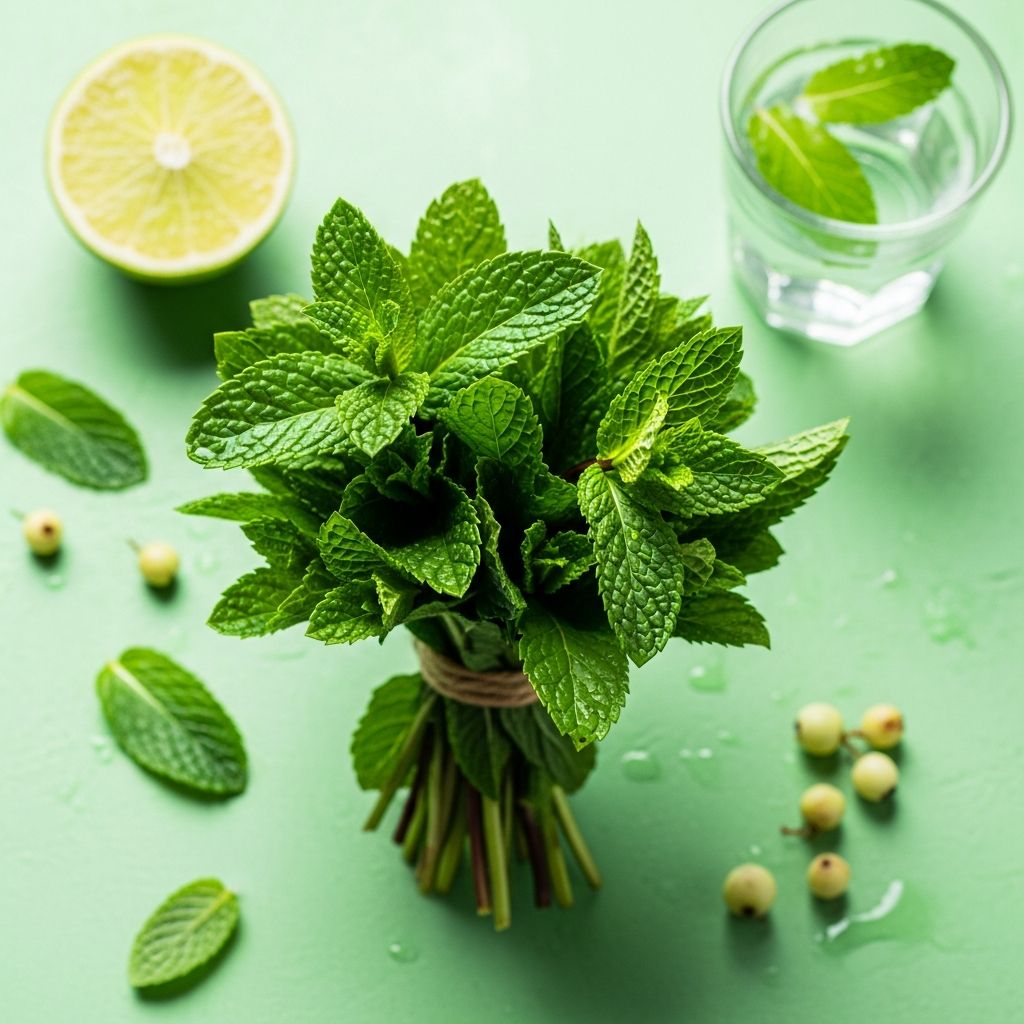
Mint, a fragrant herb from the Mentha genus, has been cherished for centuries in culinary and medicinal applications. Its refreshing aroma and flavor come from menthol, a compound offering numerous health advantages. This article delves into mint’s nutritional value and key benefits, drawing from scientific insights to help you incorporate it effectively into your routine.
What Is Mint?
Mint encompasses over 20 species, with peppermint (Mentha piperita) and spearmint (Mentha spicata) being the most common. Native to Europe and Asia, mint thrives worldwide and is used fresh, dried, or as essential oil. Historically, ancient civilizations employed it for digestion and respiratory relief. Today, it’s a staple in teas, salads, and remedies, prized for antioxidants like rosmarinic acid and flavonoids that combat oxidative stress.
Mint Nutrition Facts
Though typically consumed in small quantities, mint packs a nutrient punch. Per 2 tablespoons (about 11 grams) of fresh leaves:
- Vitamin A: 42% of Daily Value (DV), vital for vision and immunity.
- Vitamin C: 9% DV, supporting collagen and antioxidants.
- Iron: 10% DV, aiding hemoglobin production.
- Calcium: 4% DV, for bone health.
- Folate: 8% DV, essential for cell division.
- Manganese: 12% DV, for metabolism and nerves.
- Fiber: Supports gut regularity.
Antioxidants in mint surpass many herbs, protecting cells from free radicals. Low-calorie (about 5 kcal per serving), it’s ideal for flavor without excess sodium or sugar.
7 Evidence-Based Health Benefits of Mint
1. Rich in Nutrients, Especially Vitamin A and Antioxidants
Mint excels as a vitamin A source, crucial for eye health, skin integrity, and immune function. Its antioxidants neutralize free radicals, potentially lowering chronic disease risk. Studies highlight mint’s superior antioxidant activity compared to parsley or basil.
2. May Improve Irritable Bowel Syndrome (IBS) Symptoms
Menthol in peppermint oil relaxes gastrointestinal muscles, easing IBS pain, bloating, and urgency. Meta-analyses confirm peppermint oil capsules outperform placebos, speeding gastric emptying. Note: Use enteric-coated capsules to avoid heartburn. Fresh leaves show less evidence.
3. May Help Relieve Indigestion
Mint accelerates stomach emptying, reducing indigestion from food stagnation. Clinical trials with peppermint oil report symptom relief in 75% of participants. Combine with meals for best results, though oil forms are most studied.
4. Improves Brain Function and Mood
Inhaling peppermint oil enhances memory, alertness, and learning in animal and human studies. A 2022 study showed neuroprotection and reduced oxidative brain damage. Aromatherapy boosts cognitive performance, making mint ideal for focus.
5. Eases Cold and Allergy Symptoms
Mint’s menthol acts as a decongestant, opening airways and loosening phlegm. Antibacterial properties reduce respiratory inflammation, aiding asthma and colds. Traditional uses include mint tea for throat soothing. Steam inhalation amplifies effects.
6. Freshens Breath and Promotes Oral Health
Mint’s antimicrobial action kills odor-causing bacteria. Chewing leaves or using mint tea freshens breath naturally. It prevents plaque, gingivitis, and supports clean gums, explaining its prevalence in oral products.
Related Stories



7. Other Potential Benefits: Skin, Breastfeeding, and Weight Management
Topical mint relieves nipple pain in breastfeeding mothers and insect bites. Its soothing properties aid skin glow, acne reduction, and liver function. For weight loss, mint boosts fat metabolism via enzyme release. Emerging research suggests anti-cancer potential from enzymes.
How to Add More Mint to Your Diet
Fresh or Dried Leaves: Garnish salads, yogurt, or fruit. Brew tea: Steep 5-10 leaves in hot water.
Essential Oil: Inhale for brain/breathing benefits; dilute for skin.
Capsules: For IBS/indigestion (0.2-0.4 mL peppermint oil).
Recipes:
- Mint Tea: 10 leaves + hot water + lemon. Aids digestion.
- Mojito Mocktail: Mint, lime, soda, cucumber. Refreshes.
- Mint Yogurt Dip: Blend with yogurt, garlic for veggies.
- Salad Booster: Chop into greens with feta, nuts.
Grow your own for freshness—mint spreads easily in pots.
Mint Possible Side Effects
Generally safe, but:
- GERD/Heartburn: Relaxes lower esophageal sphincter.
- Oil Toxicity: Avoid ingesting pure oil; use capsules.
- Allergies: Rare, but test topically.
- Pregnancy: Moderate use okay; consult doctor for oils.
Drug interactions: May affect cyclosporine or antacids.
Frequently Asked Questions (FAQs)
What are the main health benefits of mint?
Mint supports digestion (IBS, indigestion), freshens breath, boosts brain function, relieves colds, and provides antioxidants.
Is mint tea good for digestion?
Yes, it relaxes gut muscles and speeds digestion, though oil is more potent.
Can mint help with bad breath?
Absolutely—its antibacterials combat oral pathogens effectively.
Does mint improve brain function?
Inhaling aroma enhances memory and alertness per studies.
Is mint safe for daily use?
Yes in food amounts; caution with oils for certain conditions.
Can mint aid weight loss?
It promotes fat-burning enzymes and healthy digestion.
How much mint should I consume daily?
1-2 tablespoons fresh leaves; start low with oils.
References
- Mint – Health Benefits, Uses and Important Facts — Potsandpans.in. 2023. https://www.potsandpans.in/blogs/articles/mint-health-benefits-uses-and-important-facts
- 8 Health Benefits of Mint — Healthline (Medically reviewed by Kerry Boyle). 2024-07-24. https://www.healthline.com/nutrition/mint-benefits
- Health Benefits of Mint And Its Side Effects — Lybrate. 2023. https://www.lybrate.com/topic/benefits-of-mint-and-its-side-effects
- Mint: Benefits, nutrition, and dietary tips — Medical News Today. 2023. https://www.medicalnewstoday.com/articles/275944
- A Descriptive Overview of the Medical Uses Given to Mentha — PMC (NCBI, peer-reviewed). 2020. https://pmc.ncbi.nlm.nih.gov/articles/PMC7767097/
Similar Articles








Read full bio of medha deb