Mint Tea: 5 Science-Backed Health Benefits
Discover the refreshing power of mint tea, backed by science, for digestion, relaxation, and overall wellness.
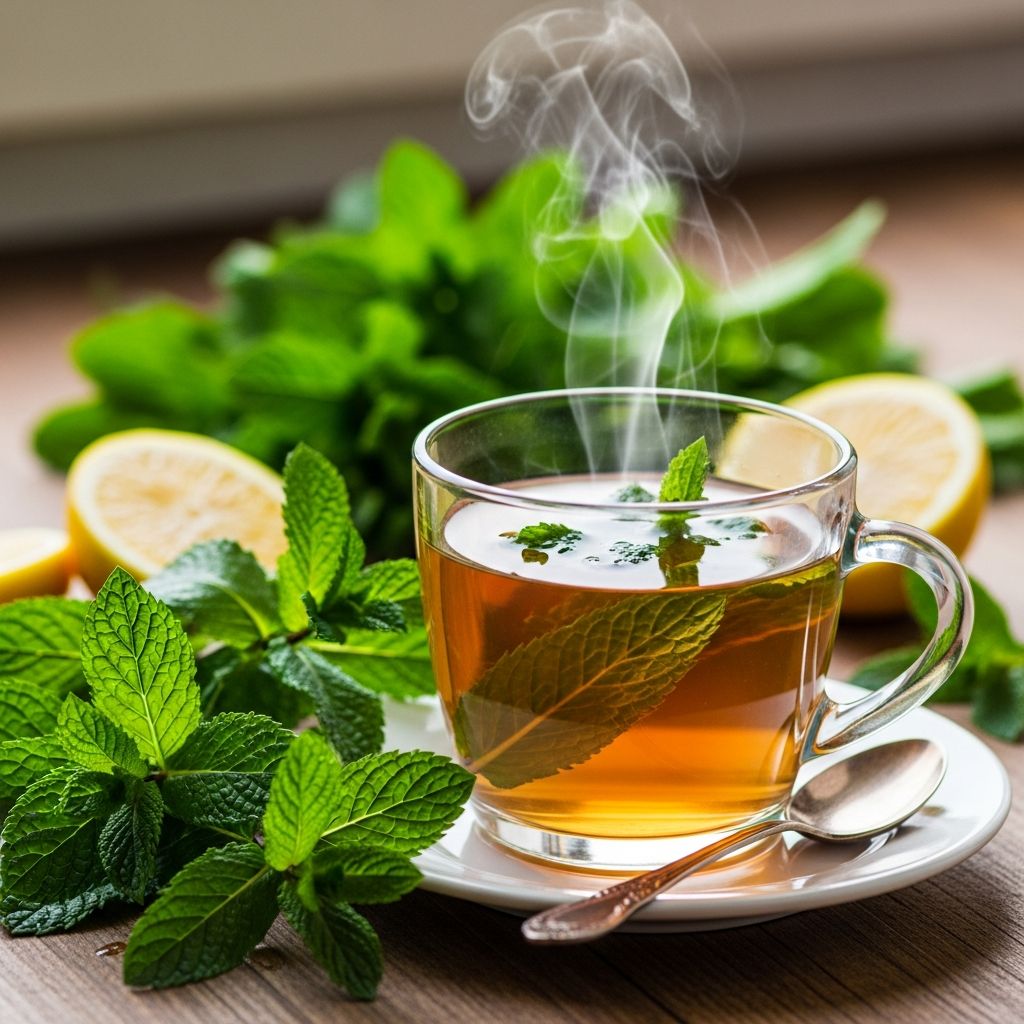
Mint tea, a refreshing and aromatic beverage made from peppermint or spearmint leaves, has been cherished for centuries across cultures for its soothing qualities and potential health perks. Whether enjoyed hot on a chilly evening or iced during summer, this caffeine-free drink delivers a cool, invigorating flavor while supporting various aspects of well-being. Backed by traditional use and emerging research, mint tea’s active compounds like menthol offer benefits ranging from digestive aid to stress relief. This article delves into its top five health advantages, nutritional profile, simple preparation methods, and important considerations for safe consumption.
What Is Mint Tea?
Mint tea is an herbal infusion crafted primarily from the leaves of the mint plant, belonging to the Mentha genus. The two most common varieties are peppermint (Mentha piperita), known for its intense menthol content providing a sharp, cooling sensation, and spearmint (Mentha spicata), which offers a milder, sweeter taste due to carvone. Historically, ancient Egyptians, Greeks, and Romans used mint for medicinal purposes, while Native Americans brewed it to settle upset stomachs. In Moroccan tradition, it’s often blended with green tea and sugar for a social ritual drink. Today, mint tea is prized as a zero-calorie, naturally sweet alternative to sugary beverages, free of caffeine unless mixed with other teas.
The tea’s appeal lies in its versatility: it can be sipped plain, sweetened naturally with honey, or enhanced with lemon for added vitamin C. Its low-calorie nature—typically just 2 calories per 100ml—makes it ideal for hydration without excess energy intake. Essential oils like menthol, menthone, and limonene contribute to both flavor and bioactive properties, setting the stage for its health benefits.
1. Eases Digestive Discomfort and IBS Symptoms
One of the most well-documented benefits of mint tea is its ability to alleviate digestive issues, including bloating, gas, indigestion, and symptoms of irritable bowel syndrome (IBS). Peppermint’s menthol acts as a natural antispasmodic, relaxing the smooth muscles of the gastrointestinal tract and promoting bile flow for efficient digestion. This reduces cramping, pain, and discomfort after meals. A review of studies highlights peppermint’s role in improving IBS symptoms, with enteric-coated peppermint oil capsules showing significant relief in clinical trials, suggesting similar effects from the tea form.
Registered dietitians note that sipping mint tea post-meal can expedite gastric emptying, minimizing bloating. Animal studies further support this, demonstrating peppermint’s relaxing effect on the digestive system. For best results, consume 1-2 cups daily, but avoid if you have GERD, as menthol may relax the lower esophageal sphincter, exacerbating acid reflux.
- Relaxes stomach muscles to reduce spasms.
- Improves bile flow for better fat digestion.
- Helps with common issues like gas and overeating discomfort.
2. Relieves Nausea
Mint tea shines as a gentle remedy for nausea, whether from motion sickness, pregnancy, chemotherapy, or general queasiness. The cooling menthol soothes the stomach lining and distracts from nausea signals via its aromatic vapors. Research on peppermint extracts shows efficacy in reducing postoperative nausea and vomiting, with aromatherapy alone providing relief in some cases. Human trials indicate that peppermint oil inhalation or ingestion decreases nausea intensity by up to 50% in certain scenarios.
Pregnant individuals often turn to spearmint tea for mild morning sickness, as it’s caffeine-free and safe in moderation. A cup of warm mint tea can calm the gut and provide psychological comfort through its pleasant scent. Brew it strong for maximum effect, inhaling the steam while sipping slowly.
3. Promotes Relaxation and Better Sleep
In our fast-paced world, mint tea serves as a calming evening ritual, potentially aiding relaxation and sleep quality. Its mild sedative properties stem from menthol’s muscle-relaxing effects and the tea’s caffeine-free profile, making it superior to stimulant-laden drinks before bed. Anecdotal reports and limited studies link peppermint aroma to reduced anxiety, while animal research suggests neuroprotective benefits that could enhance sleep.
Related Stories



Unlike chamomile, mint tea invigorates mildly during the day but unwinds at night by easing tension headaches and promoting mental clarity without drowsiness. Pair it with deep breathing for a bedtime wind-down routine. One study on peppermint oil noted less mental fatigue, implying sustained focus transitioning to restful sleep.
4. Freshens Breath Naturally
The potent antibacterial properties of mint tea make it an excellent natural breath freshener. Menthol and other compounds combat oral bacteria responsible for bad breath, while the tea’s enzymes break down odor-causing sulfides. Chewing fresh mint leaves has long been a folk remedy, but brewing tea provides a sustained release. Regular consumption may reduce plaque and gingivitis risk, as supported by in vitro studies on peppermint’s antimicrobial action.
For optimal results, swish the tea in your mouth before swallowing. It’s a healthier alternative to mints, with no sugar or artificial additives.
5. Soothes Cold and Flu Symptoms
When colds strike, mint tea’s decongestant qualities can open nasal passages and ease symptoms. Menthol acts as a natural expectorant, thinning mucus and improving airflow perception, as shown in research on nasal airflow. Its anti-inflammatory, antiviral, and antioxidant effects may shorten cold duration, while the warm steam provides additional relief. Peppermint’s rosmarinic acid also combats seasonal allergies by reducing histamine responses.
- Clears sinuses via menthol vapors.
- Reduces inflammation in respiratory tract.
- Supports immunity with antioxidants.
Mint Tea Nutrition Facts
Mint tea is nutritionally modest but valuable for its bioactive compounds. A typical 8-ounce cup provides negligible calories (about 2), no fat, carbs, or protein, but traces of vitamin C, iron, and manganese from the leaves. Its real power lies in antioxidants like rosmarinic acid, flavonoids, and polyphenols, which combat oxidative stress. Menthol content varies by plant type—peppermint has more (up to 40%) than spearmint. Unlike black tea, it lacks caffeine, making it suitable anytime.
| Nutrient | Per 8 oz Cup | % Daily Value |
|---|---|---|
| Calories | 2 | 0% |
| Vitamin C | Trace | <1% |
| Iron | Trace | <1% |
| Manganese | Trace | <1% |
| Caffeine | 0 mg | 0% |
How to Make Mint Tea at Home
Homemade mint tea surpasses store-bought in freshness and potency. Use organic leaves for best quality.
- Boil 2 cups water.
- Add 10-15 fresh mint leaves (torn for more flavor) or 1-2 tsp dried.
- Steep covered 5-10 minutes.
- Strain, sweeten optionally with honey, add lemon.
- Serve hot or chill for iced tea.
Experiment: peppermint for bold coolness, spearmint for subtlety. For iced version, brew double strength and pour over ice.
Potential Side Effects and Precautions
Generally safe, mint tea may cause heartburn in GERD sufferers due to esophageal relaxation. High doses could lead to menthol toxicity (rare from tea), causing nausea or dizziness. Those on cyclosporine or antacids should consult doctors, as peppermint interferes. Pregnant/nursing women: limit to 2 cups daily. Spearmint may lower testosterone in excess, affecting libido.
Frequently Asked Questions (FAQs)
Is mint tea good for weight loss?
Mint tea is calorie-free and may curb appetite via its refreshing taste and digestion aid, but it doesn’t boost metabolism directly. Use it as a healthy swap for sugary drinks.
Can I drink mint tea every day?
Yes, 2-3 cups daily is safe for most, providing hydration and benefits without risks.
Does mint tea have caffeine?
Pure mint tea is caffeine-free, unlike blends with black or green tea.
Is peppermint tea the same as mint tea?
Peppermint is a hybrid mint; both are used interchangeably, but peppermint is stronger.
Can children drink mint tea?
In moderation, yes, for tummy aches, but dilute and consult pediatricians.
References
- Mint Tea: Health Benefits, Nutrition, Preparation — WebMD. 2023. https://www.webmd.com/diet/mint-tea-health-benefits
- Top 5 health benefits of peppermint tea — BBC Good Food. 2023. https://www.bbcgoodfood.com/health/nutrition/health-benefits-peppermint-tea
- 12 Science-Backed Benefits of Peppermint Tea and Extracts — Healthline. 2023-03-10. https://www.healthline.com/nutrition/peppermint-tea
- A review of the bioactivity and potential health benefits of peppermint oil (Mentha piperita) — PubMed (McKay DL et al.). 2006-08. https://pubmed.ncbi.nlm.nih.gov/16767798/
- Mint | Health Topics — NutritionFacts.org. 2023. https://nutritionfacts.org/topics/mint/
Similar Articles








Read full bio of medha deb