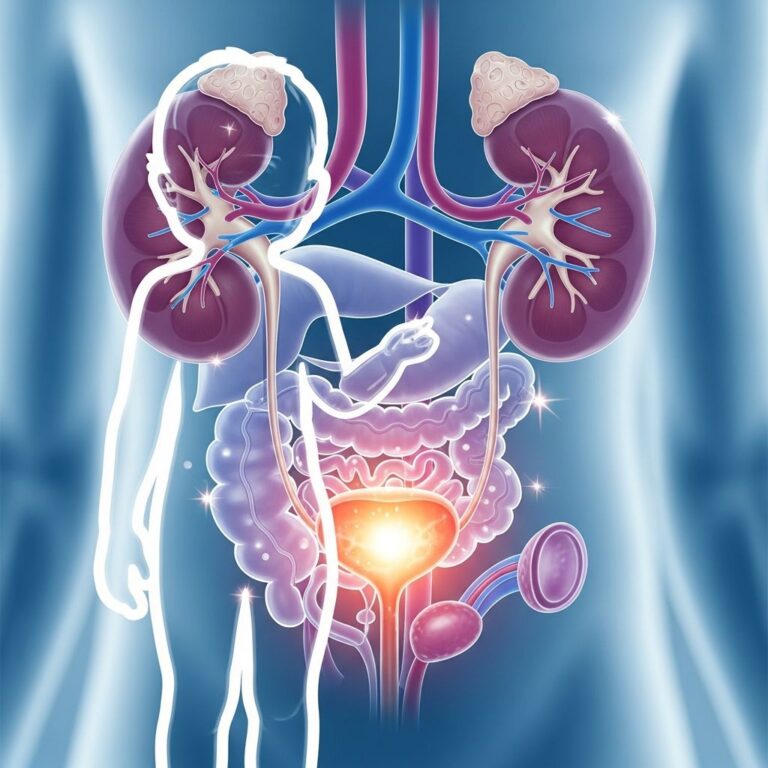
Mirabegron for Urinary Symptoms (Betmiga)
Comprehensive guide to Betmiga (mirabegron): uses, dosage, side effects, and management of overactive bladder symptoms in adults and children.
Mirabegron, marketed as Betmiga in Europe and Myrbetriq elsewhere, is a prescription medication designed to manage symptoms of overactive bladder (OAB) in adults and neurogenic detrusor overactivity (NDO) in children. It functions as a beta-3 adrenergic receptor agonist, relaxing bladder muscles to increase capacity and reduce urgency, frequency, and incontinence.
About mirabegron
Mirabegron is a selective beta-3 adrenoceptor agonist that targets the smooth muscle in the bladder wall. Unlike traditional antimuscarinic drugs, it works by activating beta-3 receptors, promoting detrusor muscle relaxation during the bladder’s filling phase. This mechanism increases bladder capacity, delays contractions, and alleviates symptoms without significantly affecting antimuscarinic pathways, potentially reducing common side effects like dry mouth.
Approved by the European Medicines Agency (EMA) for adults with OAB and children aged 3 to under 18 years with NDO, mirabegron was first licensed in 2012-2013. It is available as prolonged-release tablets (25 mg, 50 mg) or granules for oral suspension, ensuring steady release over hours for once-daily dosing.
In clinical practice, it is often prescribed when antimuscarinics fail or cause intolerable side effects. Studies show it improves micturition frequency, urgency episodes, and incontinence by 1-2 episodes per day on average, with benefits noticeable within weeks.
Key facts
- Mirabegron typically starts working within hours, but full effects may take 4-8 weeks.
- Dosage is once daily, with adjustments for renal/hepatic impairment or pediatrics based on weight.
- Common side effects: urinary tract infections (UTIs), tachycardia, headache; monitor blood pressure.
- Not a cure; used long-term for symptom control.
- Contraindicated in severe uncontrolled hypertension or with certain CYP2D6 inhibitors.
About overactive bladder syndrome and neurogenic detrusor overactivity
**Overactive Bladder (OAB):** A common condition affecting up to 16% of adults, characterized by urgency (sudden, compelling desire to urinate), increased frequency (more than 8 voids/day), and urge incontinence (involuntary leakage). It impacts quality of life, sleep, and daily activities due to unpredictable bladder contractions.
**Neurogenic Detrusor Overactivity (NDO):** Occurs in children and adults with neurological disorders like spina bifida, spinal cord injury, or multiple sclerosis, where nerve signals cause involuntary bladder contractions. In pediatrics (ages 3+), it risks incontinence, infections, and kidney damage if unmanaged.
Both conditions arise from detrusor muscle overactivity. Mirabegron addresses this by enhancing bladder compliance without impairing voiding in most patients.
How mirabegron works
The bladder’s detrusor muscle contracts via parasympathetic stimulation. Mirabegron binds to beta-3 receptors on these cells, activating adenylate cyclase, raising cAMP levels, and relaxing smooth muscle. This increases bladder volume by 20-50 mL and reduces contraction amplitude, per urodynamic studies.
Related Stories



Pharmacokinetics: Peak plasma levels in 3-5 hours; half-life ~50 hours in adults, 26-31 hours in children. Primarily renal excretion (50% unchanged), with CYP3A4/CYP2D6 metabolism. Food delays absorption but not extent.
Unlike antimuscarinics, it minimally affects salivary glands or cognition, making it suitable for elderly patients.
How and when to take it
Dosage in adults (OAB)
| Form | Starting Dose | Maintenance Dose | Notes |
|---|---|---|---|
| Prolonged-release tablets | 25 mg once daily | 50 mg once daily (after 4-8 weeks if tolerated) | Swallow whole; with/without food |
Dosage in children (NDO, 3-18 years, ≥11 kg)
| Body Weight | Granules Dose | Equivalent mg |
|---|---|---|
| 11-30 kg | 2 packets | 25 mg |
| 31-50 kg | 3 packets | 37.5 mg |
| ≥51 kg | 4 packets | 50 mg |
Mix granules in 100 mL water; administer via syringe. Adjust for renal/hepatic issues.
Take at the same time daily. Do not crush/chew tablets. If a dose is missed, take as soon as remembered unless near next dose.
Dosage in adults and the elderly
Standard: 25 mg daily, titrate to 50 mg if blood pressure stable. Elderly: No adjustment unless renal/hepatic impairment (max 25 mg if CrCl 15-29 mL/min or moderate liver issues).
Monitor BP before and 1-2 weeks after initiation/escalation, as increases of 3-4 mmHg systolic noted.
Dosage in children
For NDO: Weight-based granules as above. Not for <11 kg or <3 years. Limited data; use under specialist supervision.
Getting the most out of your treatment
- Combine with bladder training, pelvic floor exercises, and fluid management for optimal results.
- Track symptoms in a voiding diary to assess response.
- Lifestyle: Reduce caffeine/alcohol, manage constipation.
- If no improvement after 8 weeks, consult doctor for alternatives like solifenacin combo.
Side-effects
Most are mild, resolving over time. Frequency:
| Common (≥1/10) | Uncommon | Rare/Serious |
|---|---|---|
| Tachycardia, UTI | Headache, nausea, constipation, dizziness | Hypertension, allergic reactions, urinary retention |
Report chest pain, severe rash, or vision changes immediately. No increased risk of QT prolongation.
Pregnancy and breastfeeding
Limited data; animal studies show no direct harm, but use only if benefit outweighs risk. Not recommended breastfeeding due to excretion in milk.
Other medicines, food and alcohol, medical tests
- Interactions: Avoid strong CYP2D6 inhibitors (e.g., paroxetine); digoxin (monitor levels); antihypertensives (BP effects).
- Food: No effect on bioavailability.
- Alcohol: Limit, as it irritates bladder.
- Tests: May raise BP; monitor in glaucoma patients.
Common questions
How long does mirabegron take to work?
Effects begin in hours; significant improvement in 4-8 weeks. Patience advised.
Can you stop taking mirabegron suddenly?
Taper if long-term; symptoms may return. Consult doctor.
Does mirabegron affect blood pressure?
Yes, dose-dependent increase (2-4 mmHg); contraindicated in severe hypertension.
Is mirabegron safe for long-term use?
Yes, up to 12 months in trials with good tolerability.
Can children take mirabegron?
Yes, for NDO from age 3, weight-based.
References
- Betmiga for Urinary Symptoms — Bladder & Bowel Community. 2023. https://www.bladderandbowel.org/medicinal-treatment/betmiga/
- Betmiga — European Medicines Agency (EMA). 2024-01-15. https://www.ema.europa.eu/en/medicines/human/EPAR/betmiga
- Mirabegron — MedlinePlus, U.S. National Library of Medicine. 2024. https://medlineplus.gov/druginfo/meds/a612038.html
- Mirabegron: Uses, Interactions, Mechanism of Action — DrugBank. 2025. https://go.drugbank.com/drugs/DB08893
- Mirabegron (oral route) — Mayo Clinic. 2024-06-01. https://www.mayoclinic.org/drugs-supplements/mirabegron-oral-route/description/drg-20075675
- Mirabegron Extended-release Oral Tablets — Cleveland Clinic. 2024. https://my.clevelandclinic.org/health/drugs/19467-mirabegron-extended-release-oral-tablets
- Mirabegron Label — U.S. Food and Drug Administration (FDA). 2018-03-28. https://www.accessdata.fda.gov/drugsatfda_docs/label/2018/202611s011lbl.pdf
Similar Articles








Read full bio of medha deb