Misoprostol Tablets for Stomach Ulcers: Uses and Guidance
Complete guide to misoprostol tablets: how they prevent NSAID-induced stomach ulcers.
Misoprostol Tablets for Stomach Ulcers
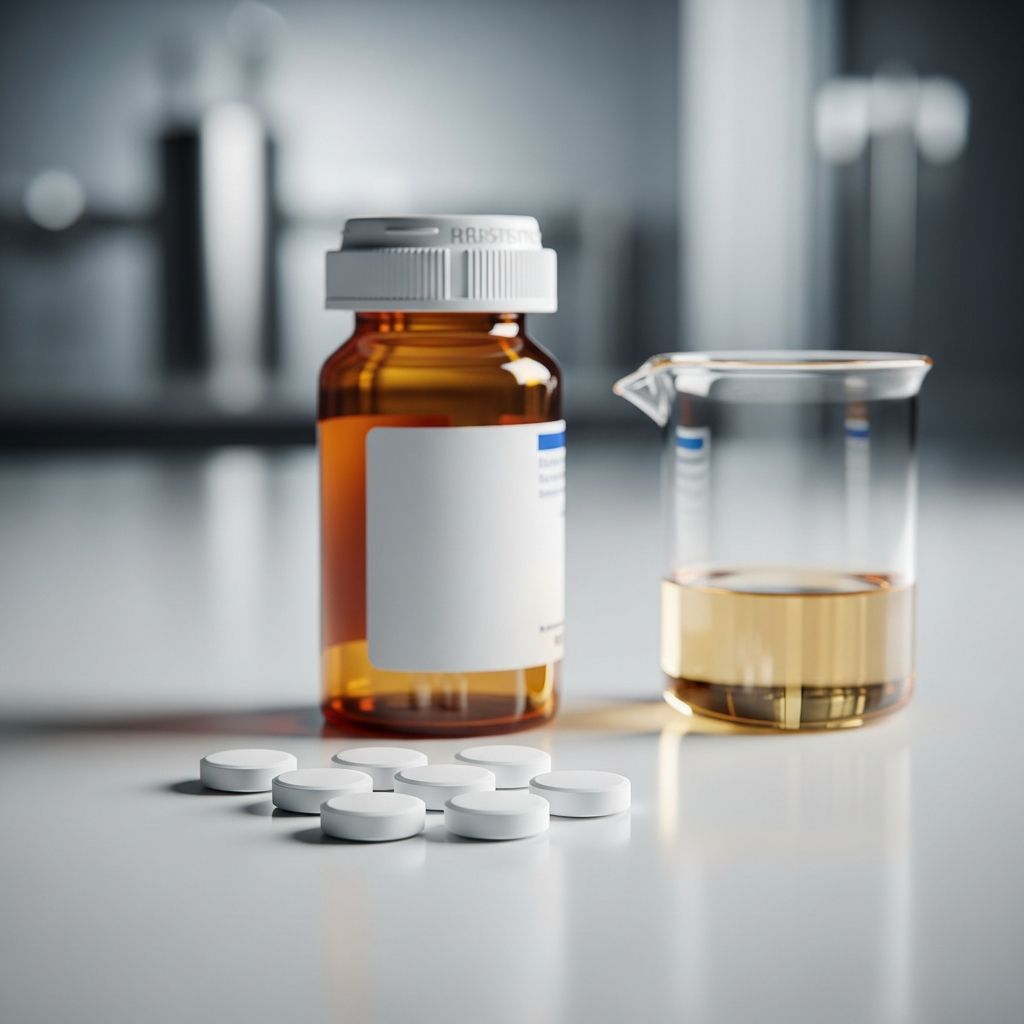
Misoprostol tablets are a medication prescribed to reduce the risk of stomach ulcers caused by nonsteroidal anti-inflammatory drugs (NSAIDs). This medication is particularly important for patients who need long-term pain management with NSAIDs but face increased risk of developing gastric ulcers. Understanding how misoprostol works, how to take it properly, and what side effects to expect can help you use this medication safely and effectively.
What Are Misoprostol Tablets?
Misoprostol is an FDA-approved medication belonging to a class of drugs called prostaglandin analogues. The medication works by enhancing the stomach’s natural protective mechanisms. Specifically, misoprostol increases bicarbonate and mucus production in the stomach lining, which helps shield the stomach from damage caused by NSAIDs. Additionally, misoprostol has antisecretory properties that reduce stomach acid production, further protecting the gastric lining from ulcer formation.
The medication comes in tablet form and is typically prescribed under the brand name Cytotec, though generic versions are also available. Misoprostol tablets are measured in micrograms (mcg), with common strengths being 100 mcg and 200 mcg.
Why Are NSAIDs a Risk Factor for Stomach Ulcers?
Nonsteroidal anti-inflammatory drugs are widely used to treat pain and inflammation. Common NSAIDs include ibuprofen, naproxen, piroxicam, and aspirin. While these medications are effective for pain relief, they can damage the protective lining of the stomach and increase the risk of developing gastric ulcers.
Gastric ulcers are holes or sores that develop in the stomach lining, leading to symptoms such as indigestion, nausea, vomiting, and loss of appetite. Certain patients are at higher risk of developing NSAID-induced ulcers, including:
- Elderly patients
- Patients with a history of peptic ulcers
- Patients with concomitant debilitating diseases
- Patients with a history of gastrointestinal bleeding
- Patients with cardiovascular disease
For these high-risk populations, misoprostol offers a protective strategy when NSAID therapy is necessary for managing chronic pain or inflammation.
Indications and Uses
Primary Use: Misoprostol tablets are indicated specifically for reducing the risk of NSAID-induced gastric ulcers in patients at high risk of complications. The medication is taken alongside NSAID therapy to provide protection against ulcer formation.
It is important to note that misoprostol has not been shown to reduce the risk of duodenal ulcers in patients taking NSAIDs. Additionally, while misoprostol can reduce the incidence of gastric ulcers, it does not relieve gastrointestinal pain or discomfort associated with NSAID use.
Misoprostol should be taken for the entire duration of NSAID therapy. Clinical studies demonstrated that misoprostol is effective in reducing gastric ulcer risk over periods of up to three months. Research shows that at the 12-week mark, 99% of patients taking 200 mcg misoprostol four times daily were ulcer-free, compared to only 78% of patients receiving placebo.
Dosage and Administration
Related Stories



The standard dosage of misoprostol for preventing NSAID-induced gastric ulcers is:
| Parameter | Details |
|---|---|
| Dose | 200 mcg |
| Frequency | 4 times per day |
| Administration | Oral tablet, swallowed whole |
| Available strengths | 100 mcg or 200 mcg tablets |
The 200 mcg dose has been shown to be significantly more effective than lower doses in clinical trials. However, a lower dose of 100 mcg four times daily may be considered, though it is somewhat less effective. Your doctor will determine the appropriate dose based on your individual risk factors and NSAID regimen.
It is essential to take misoprostol consistently throughout your NSAID therapy. Do not skip doses or stop taking the medication without consulting your doctor, as this may reduce its protective effectiveness.
How to Take Misoprostol Tablets
To maximize the effectiveness of misoprostol and minimize side effects, follow these guidelines:
- Take with food: Misoprostol should be taken with meals or food. This helps reduce gastrointestinal side effects, particularly diarrhea.
- Consistent timing: Take misoprostol at regular intervals throughout the day, ideally four times daily as prescribed.
- Continue full course: Do not stop taking misoprostol without medical guidance, even if you feel well. You need continuous protection while taking NSAIDs.
- Store properly: Keep misoprostol tablets at room temperature, away from moisture and heat.
Side Effects
Common Side Effects
Misoprostol tablets may cause gastrointestinal side effects in some patients. The most frequently reported side effects are:
- Diarrhea: The most common side effect, occurring in 13 to 40% of patients depending on dosage. At higher doses (800 mcg daily), diarrhea rates range from 14 to 40%.
- Abdominal pain: Occurs in approximately 13 to 20% of patients in NSAID trials.
- Nausea: May occur in some patients, particularly during initial treatment.
- Abdominal cramping: Can accompany diarrhea and abdominal pain.
These side effects are typically mild to moderate in severity and most commonly develop during the first few weeks of therapy. In most cases, these symptoms resolve after about one week of continued use.
Managing Side Effects
Because misoprostol side effects are usually temporary and manageable, most patients can continue taking the medication. To minimize side effects:
- Take misoprostol with food at each dose
- Ensure adequate hydration, particularly if experiencing diarrhea
- Eat a balanced diet with adequate fiber
- Give your body time to adjust during the first one to two weeks
However, if you experience prolonged difficulty lasting more than 8 days, or if you develop severe diarrhea, cramping, or nausea, contact your doctor immediately. Your healthcare provider may adjust your dose or recommend alternative treatments if side effects are intolerable.
Important Warnings and Precautions
Pregnancy Considerations
One of the most critical warnings regarding misoprostol is its contraindication in pregnancy. Do not take misoprostol tablets if you are pregnant or planning to become pregnant. Misoprostol is known to cause uterine contractions and has been associated with miscarriage, premature labor, and birth defects. Women of childbearing age should use effective contraception while taking this medication.
Drug Interactions
Misoprostol may interact with certain medications. Inform your doctor of all medications, supplements, and herbal products you are taking before beginning misoprostol therapy. This includes over-the-counter medications and supplements.
Medical Conditions
Inform your healthcare provider if you have any of the following conditions before taking misoprostol:
- History of inflammatory bowel disease
- Cardiovascular disease
- Kidney or liver disease
- Dehydration or electrolyte imbalances
Clinical Effectiveness
Extensive clinical research has demonstrated the effectiveness of misoprostol in preventing NSAID-induced gastric ulcers. In controlled studies spanning 12 weeks, misoprostol 200 mcg four times daily caused a marked, statistically significant reduction in gastric ulcers in patients taking ibuprofen, piroxicam, or naproxen.
Misoprostol has been shown to reduce serious NSAID-induced gastrointestinal complications by approximately 40% in older patients with rheumatoid arthritis compared with placebo. This represents a clinically meaningful benefit for high-risk populations who require long-term NSAID therapy for chronic pain management.
Prophylactic use of misoprostol has produced a 15-fold reduction in the rate of gastric ulcer among symptomatic NSAID users. These findings underscore the importance of preventive therapy in patients at elevated risk of NSAID-induced complications.
Frequently Asked Questions
Q: Why do I need misoprostol if I’m taking NSAIDs?
A: NSAIDs can damage the stomach lining and increase ulcer risk, particularly in elderly patients or those with a history of ulcers. Misoprostol protects the stomach lining by increasing mucus and bicarbonate production, reducing your ulcer risk while you continue necessary NSAID therapy.
Q: How long do I need to take misoprostol?
A: You should take misoprostol for the entire duration of your NSAID therapy. Do not stop taking it without consulting your doctor, as this removes your stomach protection.
Q: Can I take misoprostol if I’m pregnant?
A: No. Misoprostol is contraindicated in pregnancy and can cause serious harm to a developing fetus. Use effective contraception while taking this medication.
Q: What should I do if I experience severe diarrhea?
A: Contact your doctor if diarrhea lasts longer than 8 days or is severe. Your doctor may adjust your dose or recommend alternatives. In the meantime, take misoprostol with food and ensure adequate hydration.
Q: Will misoprostol relieve my stomach pain?
A: No. Misoprostol is a preventive medication that reduces ulcer risk but does not relieve pain or discomfort associated with NSAID use. Your doctor may recommend additional medications for pain management.
Q: Can I take misoprostol with other medications?
A: Inform your doctor of all medications you take, as some may interact with misoprostol. Your healthcare provider will determine if misoprostol is safe to use with your other treatments.
When to Contact Your Doctor
Seek medical advice if you experience any of the following while taking misoprostol:
- Severe or persistent diarrhea (lasting more than 8 days)
- Severe abdominal cramping or pain
- Persistent nausea or vomiting
- Signs of dehydration (dizziness, dark urine, extreme thirst)
- Allergic reactions (rash, itching, swelling, difficulty breathing)
- Unexplained abdominal bleeding
Summary
Misoprostol tablets represent an important protective strategy for patients requiring long-term NSAID therapy who face increased risk of gastric ulcers. By enhancing the stomach’s natural protective mechanisms, misoprostol has been clinically proven to significantly reduce NSAID-induced ulcer risk. While side effects like diarrhea are common during initial treatment, they are typically mild and manageable with proper administration techniques like taking the medication with food.
The key to successful misoprostol therapy is consistency and adherence to your prescribed dosage throughout your NSAID treatment course. Work closely with your healthcare provider to monitor your response to therapy, manage any side effects, and ensure that misoprostol remains the right choice for your individual circumstances. Never discontinue misoprostol without medical guidance, as doing so removes your stomach protection and may increase your ulcer risk.
References
- Misoprostol tablet — National Library of Medicine, DailyMed. 2024. https://dailymed.nlm.nih.gov/dailymed/lookup.cfm?setid=28a4138c-f302-5109-e063-6394a90a94fa
- Peptic Ulcer Disease: Causes and Treatment — Patient.info. 2024. https://patient.info/doctor/gastroenterology/peptic-ulcer-disease
- Misoprostol oral tablet: Dosage, side effects, uses, and more — Medical News Today. 2024. https://www.medicalnewstoday.com/articles/drugs-misoprostol-tablet
- Misoprostol in the Treatment and Prevention of Nonsteroidal Anti-inflammatory Drug-Induced Gastric and Duodenal Ulcer: A Multicenter, Double-Blind Study — Canadian Journal of Gastroenterology. 1990. https://onlinelibrary.wiley.com/doi/10.1155/1990/416532
- Misoprostol Reduces Serious Gastrointestinal Complications in Patients with Rheumatoid Arthritis Receiving Nonsteroidal Antiinflammatory Drugs — Annals of Internal Medicine. 1995. https://www.acpjournals.org/doi/10.7326/0003-4819-123-4-199508150-00001
- Patient Information: Misoprostol — Pfizer Labeling. 2024. https://labeling.pfizer.com/ShowLabeling.aspx?id=912&Section=PPI
- Economic Effects of Prophylactic Use of Misoprostol to Prevent NSAID-Induced Gastric Ulcer — JAMA Internal Medicine. 1995. https://jamanetwork.com/journals/jamainternalmedicine/fullarticle/612228
Similar Articles








Read full bio of medha deb