Mitochondrial Diseases: Causes, Symptoms & Treatment
Understanding mitochondrial diseases: genetic conditions affecting cellular energy production and multiple organ systems.
Understanding Mitochondrial Diseases
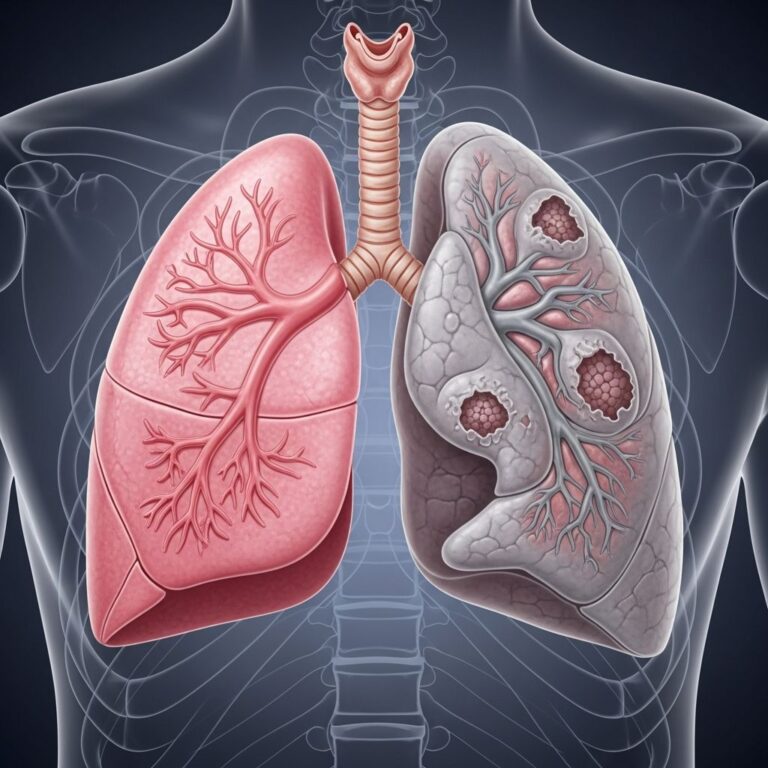
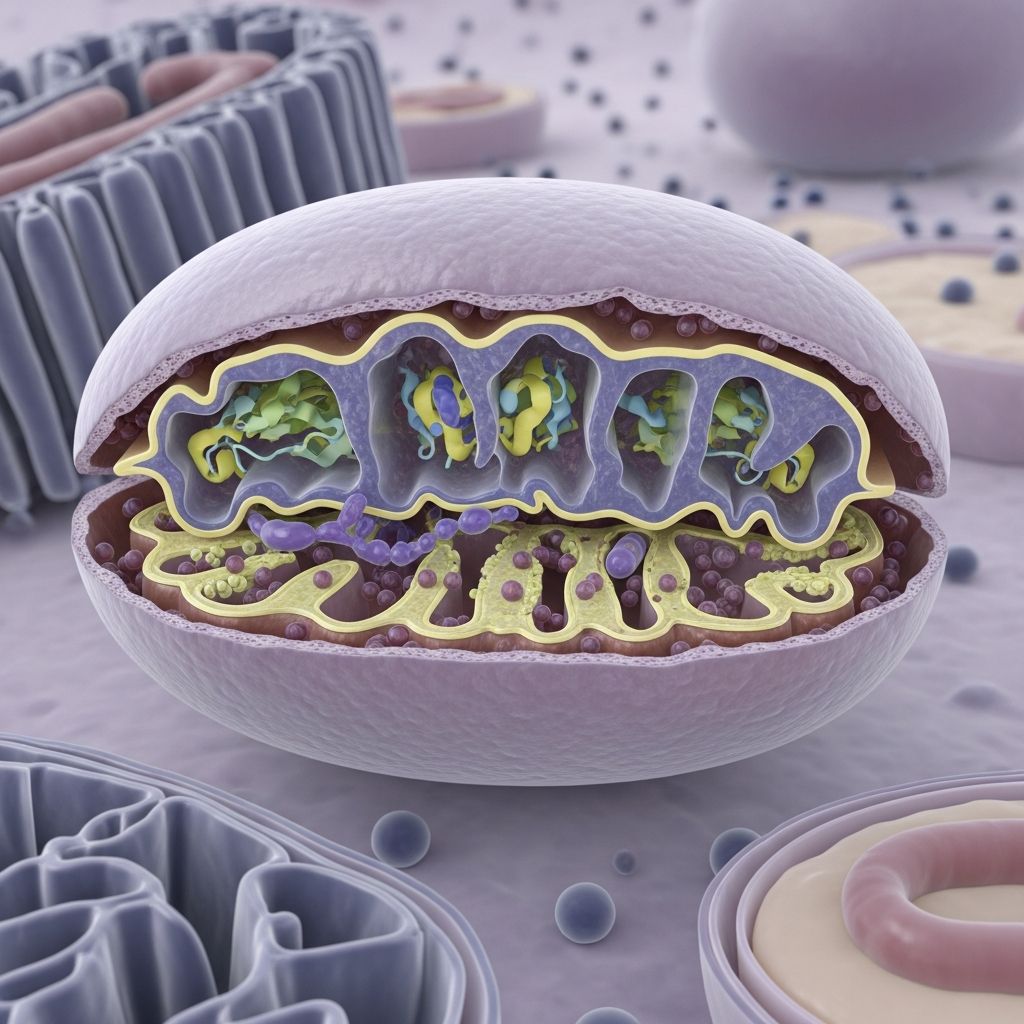
Mitochondrial diseases represent a diverse group of neuromuscular and metabolic disorders that result from the malfunction of mitochondria, the specialized compartments within cells responsible for generating energy. These organelles, often referred to as the powerhouses of the cell, convert nutrients into adenosine triphosphate (ATP), the molecule that fuels cellular functions. When mitochondria fail to function properly, cells receive insufficient energy, leading to cell injury and potential cell death. This energy deficit particularly impacts organs with high metabolic demands, such as the brain, heart, muscles, liver, and kidneys.
An estimated 1 in 5,000 people has a genetic mitochondrial disease, though this number may be significantly underestimated due to frequent misdiagnosis. The condition’s complexity stems from its highly variable presentation, affecting multiple organ systems simultaneously, and the absence of absolute diagnostic criteria that would make identification straightforward.
How Mitochondrial Diseases Develop
Mitochondrial diseases arise from defects in the mitochondrial genome or nuclear genes that encode mitochondrial proteins. Unlike typical genetic inheritance patterns, mitochondrial DNA is inherited primarily through maternal transmission, as mitochondria within the egg cell contribute genetic material to the offspring. However, nuclear genetic mutations affecting mitochondrial function can follow standard inheritance patterns.
The severity and onset of mitochondrial diseases depend on several factors, including the type and location of genetic mutation, the proportion of mutated mitochondrial DNA (heteroplasmy), and which organs are primarily affected. In adults, symptoms typically develop gradually over years, creating a clinical presentation that may appear disconnected from mitochondrial disease initially.
Common Types of Mitochondrial Diseases
Multiple distinct mitochondrial disease syndromes have been identified and characterized. Among the most commonly recognized are:
Mitochondrial Encephalomyopathy, Lactic Acidosis, and Stroke-like episodes (MELAS): This syndrome features varying degrees of cognitive impairment and dementia, accompanied by lactic acidosis and stroke-like events. Patients often experience transient ischemic attacks, hearing loss, weight loss, and gastrointestinal dysmotility. Complex migraine is a common symptom, along with transient hemiparesis and hemisensory loss.
Myoclonic Epilepsy and Ragged-Red Fibers (MERRF): Characterized by progressive myoclonic epilepsy, this condition involves the accumulation of diseased mitochondria in muscle fibers, appearing as ragged-red fibers under microscopic examination. Additional features include short stature and progressive neurological decline.
Leigh Syndrome (Leigh’s Disease): This rare and severe mitochondrial disease typically begins after normal development, usually in the late first year of life, though adult-onset cases occur. It causes rapid functional decline marked by seizures, altered consciousness, dementia, and potentially ventilatory failure due to nervous system damage.
Neuropathy, Ataxia, Retinitis Pigmentosa, and Ptosis (NARP): This syndrome presents with progressive symptoms as described in its acronym, along with dementia. The condition develops over time with variable severity.
Additional mitochondrial disease types include Alpers progressive sclerosing poliodystrophy, Barth syndrome, chronic progressive external ophthalmoplegia, dominant optic atrophy, Friedreich’s ataxia, Kearns-Sayre syndrome, and Leber hereditary optic neuropathy.
Related Stories



Symptoms and Clinical Manifestations
Mitochondrial disease symptoms vary considerably based on the specific disease type, genetic mutations involved, and which organs are primarily affected. Severity ranges from mild to profound, and no single symptom is pathognomonic for the condition. The diseases most frequently affect the central and peripheral nervous systems but can impact any organs composed of postmitotic cells—cells that have completed their division—including muscles, liver, kidneys, heart, ears, eyes, and endocrine organs.
Neurological Symptoms
Neurological manifestations are among the most common presentations. Patients may experience developmental delay, mental retardation, autism, dementia, seizures, and neuropsychiatric disturbances. Atypical cerebral palsy, atypical migraines, and unexplained stroke-like events frequently occur. Unexplained cerebellar disease with volume loss and myoclonic epilepsy serve as important diagnostic red flags.
Muscular Involvement
Muscle-related symptoms include hypotonia, weakness, cramping, muscle pain, and ptosis. Ophthalmoplegia, or limited eye movement, may develop. Skeletal muscle enzyme levels may elevate to significant degrees, sometimes exceeding 10,000 U/L, indicating muscle damage.
Multi-System Involvement
Beyond neuromuscular manifestations, mitochondrial diseases affect numerous organ systems. Hepatic complications include hypoglycemia, gluconeogenic defects, and nonalcoholic liver failure. Ophthalmologic problems encompass optic neuropathy and retinitis pigmentosa. Hearing loss and aminoglycoside sensitivity characterize auditory involvement. Pancreatic dysfunction results in diabetes and exocrine pancreatic failure. Systemic symptoms include failure to gain weight, short stature, fatigue, and respiratory problems.
Cardiac and smooth muscle involvement can occur, while esophageal, gastric, and intestinal motility dysfunction creates significant morbidity. Anorexia and weight loss commonly develop, particularly in MELAS syndrome. No symptom is universal, and any combination of organ dysfunctions may manifest in affected individuals.
Diagnostic Approach
Diagnosis of mitochondrial disease presents significant challenges, as no absolute diagnostic criteria exist and screening tests typically lack adequate specificity and sensitivity. However, certain symptom combinations serve as important diagnostic indicators. A particularly high-impact combination involves simultaneous hearing loss and diabetes in either pediatric or adult patients—this unusual pairing warrants mitochondrial disease evaluation if not explained by other conditions.
In neurology, unexplained brain lesions in symmetric patterns affecting deep gray matter structures like the basal ganglia and thalami, unexplained strokes in young patients, unexplained cerebellar disease with volume loss, and unexplained myoclonic epilepsy all constitute reasons for mitochondrial disease workup.
Diagnostic evaluation typically involves genetic testing, muscle biopsy with histochemistry to identify ragged-red fibers, biochemical assays measuring mitochondrial enzyme function, and neuroimaging studies. Laboratory findings may reveal elevated lactate levels, particularly during metabolic stress. Genetic sequencing can identify specific mitochondrial or nuclear mutations.
Treatment and Management
Currently, no cure exists for mitochondrial diseases, making symptom management and disease progression monitoring the foundation of clinical care. Treatment approaches focus on maximizing quality of life and preventing complications through multidisciplinary management.
Therapeutic strategies may include supplementation with coenzyme Q10, L-arginine, and other compounds that support mitochondrial function, though evidence for efficacy varies. Seizure management requires appropriate antiepileptic medications. Cardiac monitoring and intervention may be necessary for patients with cardiac involvement. Stroke prevention strategies apply to conditions like MELAS.
Nutritional support addresses metabolic complications, while respiratory support may become necessary for patients with breathing difficulties. Physical therapy and rehabilitation optimize mobility and functional capacity. Management of diabetes, hearing loss, and other systemic manifestations follows standard clinical protocols adapted to the mitochondrial disease context.
Secondary mitochondrial dysfunction, occurring when mitochondrial function deteriorates due to other conditions such as Alzheimer’s disease, muscular dystrophy, amyotrophic lateral sclerosis (ALS), diabetes, or cancer, also requires comprehensive management addressing both the primary condition and mitochondrial complications.
Living with Mitochondrial Disease
Mitochondrial diseases are chronic conditions requiring ongoing medical management and lifestyle adjustments. Patients benefit from care coordination among multiple medical specialties familiar with disease manifestations. Specialized mitochondrial disease centers provide comprehensive evaluations and coordinated care, improving diagnostic accuracy and treatment effectiveness.
Genetic counseling helps families understand inheritance patterns and recurrence risks. Participation in research studies through national consortia advances scientific understanding and may provide access to emerging therapies. Patient advocacy groups offer support, resources, and community connections for affected individuals and families navigating the complexities of these conditions.
Frequently Asked Questions
Q: What is the main function of mitochondria in cells?
A: Mitochondria convert nutrients, particularly fatty acids and glucose, into adenosine triphosphate (ATP), the energy molecule that powers cellular functions throughout the body.
Q: How are mitochondrial diseases inherited?
A: Mitochondrial diseases can be inherited through maternal transmission of mitochondrial DNA or through nuclear genetic mutations following standard inheritance patterns. The inheritance pattern depends on whether the mutation affects mitochondrial or nuclear genes.
Q: Why is mitochondrial disease often misdiagnosed?
A: Misdiagnosis occurs because symptoms are highly variable and nonspecific, multiple organ systems are affected simultaneously, no absolute diagnostic criteria exist, and screening tests lack adequate sensitivity and specificity.
Q: What age does mitochondrial disease typically present?
A: While some mitochondrial diseases present in early childhood, others develop gradually throughout adulthood. Some conditions like Leigh syndrome typically begin in late infancy, while adult-onset presentations are also common.
Q: Are there effective treatments available for mitochondrial disease?
A: Currently, no cure exists for mitochondrial diseases. Treatment focuses on managing symptoms, preventing complications, and optimizing quality of life through multidisciplinary care involving multiple medical specialties.
Q: What diagnostic tests help identify mitochondrial disease?
A: Diagnostic evaluation includes genetic testing, muscle biopsy, biochemical assays measuring mitochondrial enzyme function, neuroimaging studies, and laboratory tests measuring lactate levels, particularly during metabolic stress.
Q: Can secondary mitochondrial dysfunction develop without inherited mitochondrial disease?
A: Yes, secondary mitochondrial dysfunction develops when mitochondria lose function due to other conditions such as Alzheimer’s disease, muscular dystrophy, ALS, diabetes, or cancer.
References
- Mitochondrial Cytopathy in Adults: What We Know So Far — Cleveland Clinic Journal of Medicine. 2015. https://www.ccjm.org/content/ccjom/68/7/625.full.pdf
- Mitochondrial Disease Clinic Overview — Mayo Clinic. 2024. https://www.mayoclinic.org/departments-centers/mitochondrial-disease-clinic/overview/ovc-20567504
- The Neurologic Manifestations of Mitochondrial Disease — PubMed/National Center for Biotechnology Information. 2010. https://pubmed.ncbi.nlm.nih.gov/20818726/
- Diagnosis and Management of Mitochondrial Diseases — Cleveland Clinic. 2024. https://consultqd.clevelandclinic.org/diagnosis-and-management-of-mitochondrial-diseases-podcast
- Leigh Syndrome (Leigh’s Disease): Causes & Symptoms — Cleveland Clinic. 2024. https://my.clevelandclinic.org/health/diseases/6037-leigh-syndrome-leighs-disease
Similar Articles








Read full bio of medha deb