MMR Vaccine: Essential Guide To Safety, Schedule, And Efficacy
Comprehensive insights into the MMR vaccine's role in preventing measles, mumps, and rubella for lifelong protection.
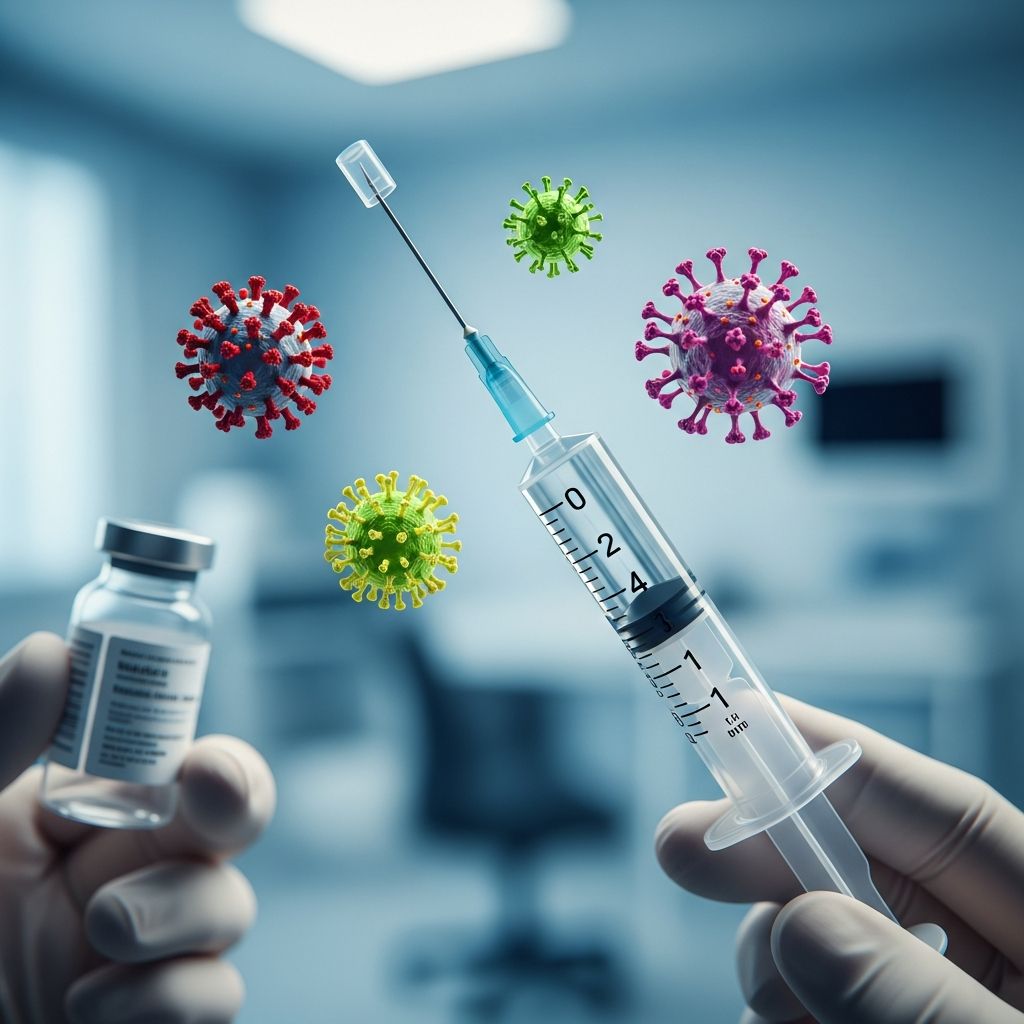
The MMR vaccine is a vital tool in public health, combining protection against three highly contagious viral illnesses: measles, mumps, and rubella. Administered as live attenuated viruses, it trains the immune system to recognize and fight these pathogens without causing disease, offering near-complete immunity with proper dosing.
Understanding the Diseases Targeted by MMR
Before delving into the vaccine, it’s essential to grasp the threats posed by measles, mumps, and rubella. These viruses spread through respiratory droplets and can lead to severe complications, particularly in unvaccinated populations.
Measles: A Highly Contagious Rash Illness
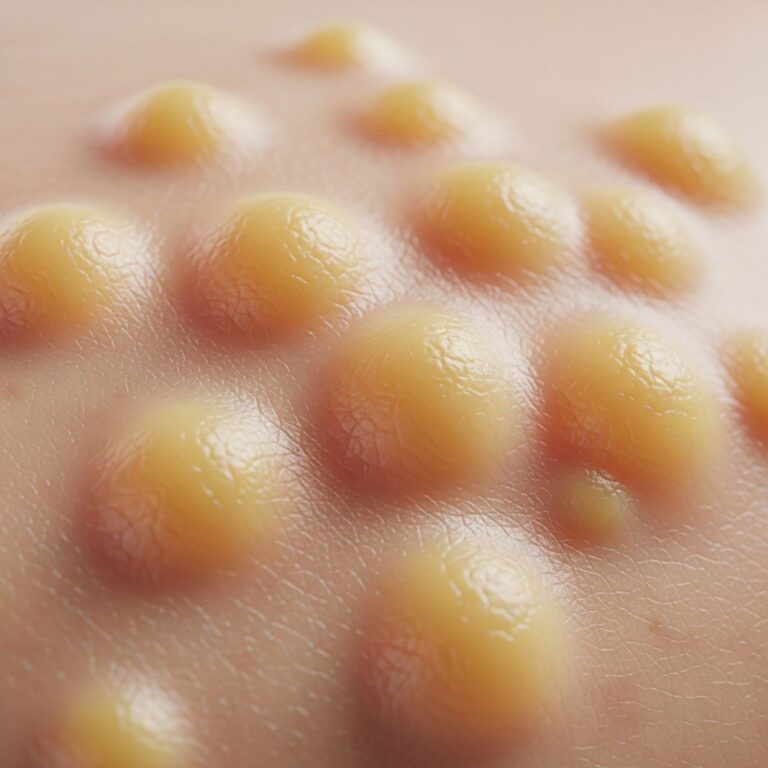
Measles begins with fever, cough, runny nose, and red eyes, followed by a distinctive rash. Complications include pneumonia, encephalitis, and death in about 1-2 per 1,000 cases. Globally, it remains a leading cause of child mortality despite available vaccines.
Mumps: Swelling and Potential Long-Term Effects
Mumps causes swollen salivary glands, fever, and headache. In severe cases, it leads to meningitis, orchitis (inflammation of testes), or pancreatitis. Fertility issues and hearing loss can occur as lasting effects.
Rubella: Danger to Pregnant Women and Fetuses
Often mild with rash and low fever, rubella is devastating if contracted during pregnancy, causing congenital rubella syndrome (CRS) with birth defects like heart issues, cataracts, and deafness in up to 90% of cases.
| Disease | Symptoms | Complications |
|---|---|---|
| Measles | Fever, rash, cough | Pneumonia, brain inflammation |
| Mumps | Swollen glands, fever | Meningitis, infertility |
| Rubella | Rash, mild fever | Birth defects in fetuses |
How the MMR Vaccine Works
The MMR vaccine uses weakened live viruses of measles, mumps, and rubella strains. When injected, these viruses replicate mildly in the body, prompting B-cells to produce antibodies and T-cells for cellular immunity. This mimics natural infection but safely, building memory cells for rapid response to future exposures.
Protection develops within two weeks post-first dose. Efficacy reaches 93-95% for measles after one dose, rising to 97-99% after two. Mumps protection is 86-88%, rubella 97%. Immunity against measles and rubella is typically lifelong, while mumps may wane, sometimes requiring boosters during outbreaks.
Recommended Vaccination Schedules
Health authorities like the CDC and NHS outline clear timelines to ensure optimal protection.
- Children: First dose at 12-15 months, second at 4-6 years. MMRV (includes varicella) may be used for children 12-47 months.
- Adolescents/Adults: Two doses for those born after 1957 without immunity evidence. Catch-up for older children born post-2020.
- High-Risk Groups: Healthcare workers, travelers, military get priority. Post-exposure: within 72 hours for measles.
Spacing: Minimum 4 weeks between doses. Brands like M-M-R II or Priorix are interchangeable if needed, administered subcutaneously or intramuscularly.
Who Should Receive the MMR Vaccine?
Broad recommendations ensure herd immunity, protecting vulnerable groups.
- Infants from 6-11 months traveling internationally.
- Adults without documented doses or immunity (titer tests).
- College students, international travelers.
- Women planning pregnancy (avoid during gestation).
Related Stories



Contraindications include pregnancy, immunosuppression, severe allergies to gelatin/neomycin, or recent blood products.
Safety Profile and Common Side Effects
Extensively studied, MMR is safe for millions annually. Mild reactions occur in 5-15%:
- Fever (5-15%, 6-12 days post-dose).
- Rash (5%).
- Joint pain (up to 25% in women for rubella component).
- Febrile seizures (1 in 3,000-4,000 doses, brief and harmless).
Serious adverse events are rare (less than 1 per million). No causal link to autism, as confirmed by numerous global studies.
Addressing Vaccine Hesitancy and Myths
Myths persist despite evidence. Key facts:
- No Autism Link: Large-scale research debunks this; vaccination rates don’t correlate with autism incidence.
- Not Overloading Immunity: Infants handle multiple antigens naturally.
- Herd Immunity Benefits: 95% coverage prevents outbreaks, safeguarding immunocompromised individuals.
Post-Exposure and Outbreak Management
For measles exposure, vaccinate within 72 hours or use immunoglobulin within 6 days for partial protection. Mumps/rubella post-exposure vaccination is less effective once symptoms start. During outbreaks, third MMR doses may be advised for high-risk groups like college students.
Global Impact and Success Stories
MMR introduction slashed measles cases by 99% in vaccinated regions. U.S. elimination in 2000 was reversed by hesitancy, but high coverage restores control. Similar triumphs in Europe and beyond highlight vaccination’s power.
Frequently Asked Questions (FAQs)
Can adults get the MMR vaccine?
Yes, recommended for those without immunity, especially post-1957 births.
Is MMR safe during pregnancy planning?
Avoid during pregnancy; wait 4 weeks post-vaccination before conceiving.
What if I miss a dose?
Catch-up anytime; no restart needed.
Does MMR protect forever?
Lifelong for measles/rubella; mumps may need boosters.
Can I get MMR if allergic to eggs?
Yes, egg allergy not a contraindication.
Preparing for Your MMR Vaccination
Consult providers for records review. Inform about allergies or conditions. Post-vaccination, monitor for fever/rash, manageable with acetaminophen. Report severe reactions immediately.
Vaccination contributes to community protection, reducing school absences and outbreaks. Stay informed via trusted sources.
References
- MMR Vaccine – StatPearls — NCBI Bookshelf. 2023. https://www.ncbi.nlm.nih.gov/books/NBK554450/
- Measles Vaccination — CDC. 2024. https://www.cdc.gov/measles/vaccines/index.html
- MMR (measles, mumps and rubella) vaccine — NHS. 2024. https://www.nhs.uk/vaccinations/mmr-vaccine/
- Package Insert – Measles, Mumps, and Rubella Virus Vaccine Live — FDA. 1978 (updated). https://www.fda.gov/files/vaccines,%20blood%20&%20biologics/published/Package-Insert-Measles-Mumps-and-Rubella-Virus-Vaccine-Live_2.pdf
- Measles, Mumps and Rubella (MMR): The Diseases & Vaccines — CHOP Vaccine Education Center. 2024. https://www.chop.edu/vaccine-education-center/vaccine-details/measles-mumps-and-rubella-vaccines
- MMR Vaccine (Measles, Mumps, and Rubella) – CDC VIS — CDC. 2024. https://www.cdc.gov/vaccines/hcp/current-vis/downloads/mmr.pdf
- Management of Obstetric-Gynecologic Patients During a Measles Outbreak — ACOG. 2024-03-01. https://www.acog.org/clinical/clinical-guidance/practice-advisory/articles/2024/03/management-of-obstetric-gynecologic-patients-during-a-measles-outbreak
Similar Articles








Read full bio of medha deb