Mobility Challenges in Parkinson’s Disease
Explore the core movement impairments in Parkinson's, their neurological roots, and proven strategies to enhance daily mobility and quality of life.
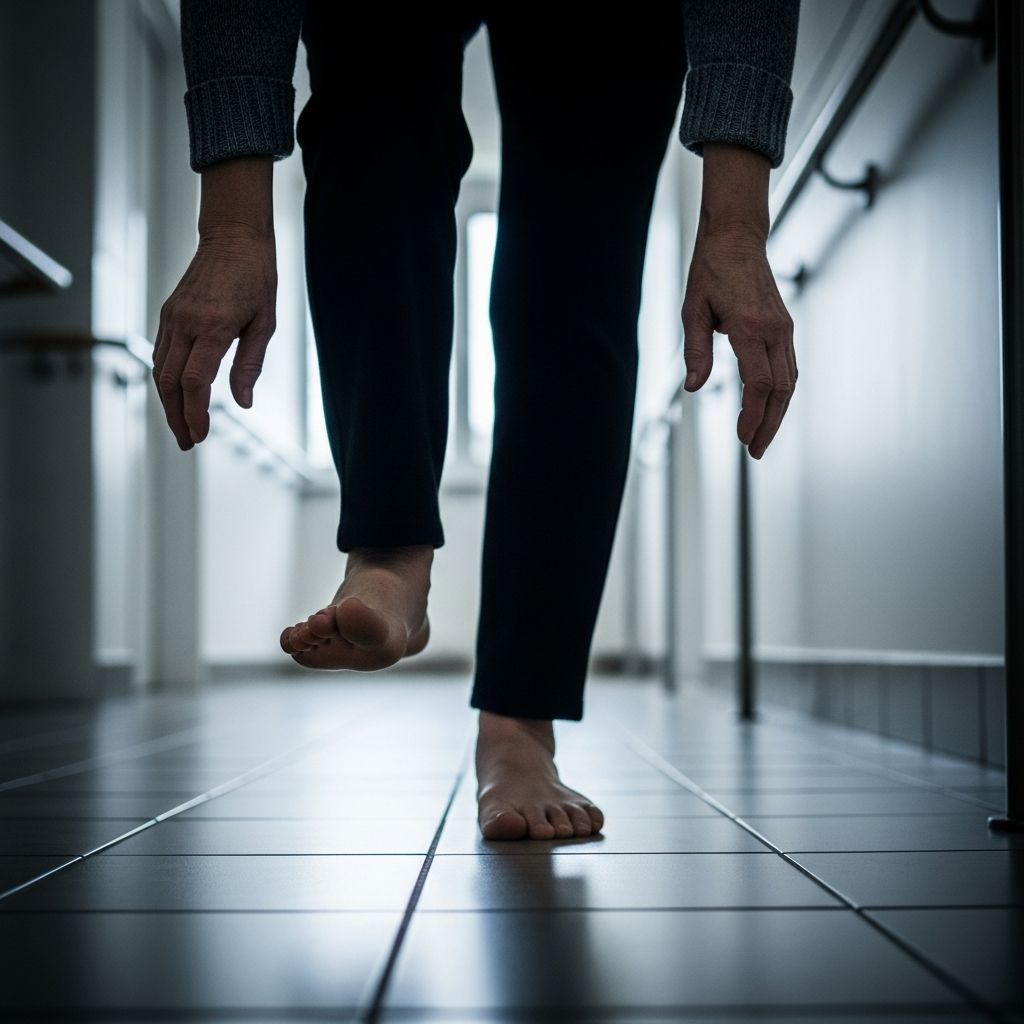
Parkinson’s disease fundamentally alters a person’s ability to move fluidly, primarily due to the loss of dopamine-producing neurons in the brain, leading to hallmark symptoms like slowed movements, tremors, and muscle rigidity. These impairments progressively hinder everyday activities but can be managed effectively with targeted therapies and lifestyle adjustments.
The Neurological Basis of Movement Difficulties
At the heart of Parkinson’s motor symptoms lies a deficiency in dopamine, a neurotransmitter essential for coordinating smooth muscle actions. Neurons in the substantia nigra region of the midbrain gradually deteriorate, reducing dopamine levels and disrupting brain signals that control motion. This imbalance causes irregular neural firing, manifesting as the classic triad of bradykinesia, resting tremor, and rigidity, which are diagnostic cornerstones.
As the condition advances, additional challenges emerge, including postural instability and gait disturbances. Early symptoms often start unilaterally, affecting one side before spreading, and intensify over time as up to 50% of dopamine cells are lost before noticeable signs appear. Unlike typical aging, these changes stem from specific neurodegeneration rather than general wear.
Core Motor Impairments Explained
Understanding each primary symptom helps in recognizing and addressing them promptly. Here’s a breakdown:
- Bradykinesia (Slowness of Movement): This involves reduced speed and amplitude in voluntary actions, making tasks like buttoning a shirt or walking feel laborious. Facial expressions may diminish, leading to a masked face appearance.
- Resting Tremor: A rhythmic oscillation, often starting in the hand as a ‘pill-rolling’ motion between thumb and fingers, occurs at rest and lessens with purposeful movement. Not all patients experience it.
- Muscle Rigidity: Stiff, tense muscles resist passive movement, causing cogwheel-like jerks and discomfort, particularly in limbs and trunk.
These symptoms combine to impair daily function, but their presence—specifically bradykinesia with tremor or rigidity—guides clinical diagnosis.
Secondary Mobility Issues and Progression
Beyond the primaries, Parkinson’s introduces complications like postural instability, where balance falters, increasing fall risk, especially later in the disease. Stooped posture, reduced arm swing, and shuffling gait with small steps become common, sometimes accompanied by ‘freezing’ episodes—brief halts in movement.
Speech and automatic movements also suffer: voice softens (hypophonia), speech slurs or hesitates, and actions like blinking or smiling decrease. These evolve gradually, varying widely among individuals, with some developing balance problems early signaling possible atypical parkinsonism.
| Symptom Type | Examples | Onset | Impact |
|---|---|---|---|
| Primary | Bradykinesia, Tremor, Rigidity | Early | Core diagnostic, affects initiation/speed |
| Secondary | Postural Instability, Freezing, Gait Changes | Later | Increases falls, limits independence |
Differentiating Parkinson’s from Similar Conditions
Parkinsonism encompasses symptoms mimicking Parkinson’s but arising from other causes like essential tremor, Lewy body dementia, or multiple system atrophy. True Parkinson’s responds to levodopa, aiding distinction via clinical evaluation. No single test exists; diagnosis relies on symptom patterns and progression.
Strategies to Combat Movement Limitations
Exercise stands as a cornerstone intervention, proven to alleviate symptoms, enhance mobility, and potentially slow progression. Physical therapy tailored to Parkinson’s expertise focuses on amplitude training (big movements), balance exercises, and gait strategies like cueing with rhythmic sounds.
Related Stories



- Aerobic Activities: Cycling, boxing, or dance boost cardiovascular health and dopamine sensitivity.
- Strength and Flexibility: Resistance bands and yoga combat rigidity.
- Balance Training: Tai chi reduces falls by 50% in studies.
Medications like levodopa restore dopamine temporarily, while deep brain stimulation offers relief for advanced cases. Occupational and speech therapies address fine motor and communication deficits.
Daily Living Adaptations for Better Mobility
Practical changes amplify therapy benefits. Use assistive devices like walkers with lasers for freezing, dress in front-zip clothing, and organize environments to minimize clutter. Mindful strategies, such as conscious arm swinging or exaggerated steps, counteract automatic deficits.
Caregivers play a vital role by encouraging activity without over-assisting, fostering independence. Regular monitoring tracks progression, adjusting plans as needed.
Long-Term Outlook and Research Advances
While progressive, early intervention preserves function longer. Ongoing research targets neuroprotection, gene therapies, and advanced implants to halt dopamine loss. Patients engaging in wellness report better outcomes, underscoring proactive management.
Frequently Asked Questions (FAQs)
What triggers the first signs of mobility issues in Parkinson’s?
Initial symptoms often include subtle tremor or slowness in one limb, emerging as dopamine levels drop significantly.
Can exercise reverse Parkinson’s movement symptoms?
No reversal, but consistent exercise improves symptoms and may delay worsening.
How does rigidity feel daily?
Muscles feel tight and resistant, causing pain and limiting range during activities like turning in bed.
Is every Parkinson’s patient tremulous?
No, up to 30% lack prominent tremor.
When should one seek specialist care for movement changes?
At onset of persistent slowness, tremor, or stiffness, consult a neurologist.
Embracing a multidisciplinary approach empowers those with Parkinson’s to navigate mobility challenges effectively.
References
- Movement Symptoms | Parkinson’s Foundation — Parkinson’s Foundation. 2023. https://www.parkinson.org/understanding-parkinsons/movement-symptoms
- Parkinson’s Disease Causes, Symptoms and Treatment — Brown University Health. 2024. https://www.brownhealth.org/be-well/parkinsons-disease-causes-symptoms-and-treatment-options
- Parkinson’s disease – Symptoms and causes — Mayo Clinic. 2025-02-01. https://www.mayoclinic.org/diseases-conditions/parkinsons-disease/symptoms-causes/syc-20376055
- Parkinson’s Disease: Symptoms & Causes — NewYork-Presbyterian. 2024. https://www.nyp.org/neuro/parkinsons-disease-movement-disorders/parkinsons-disease
- Parkinson’s Disease and Movement Disorders — Barrow Neurological Institute. 2024. https://www.barrowneuro.org/condition/parkinsons-disease-and-movement-disorders/
Similar Articles








Read full bio of medha deb