Moclobemide (Manerix): 5 Key Facts On RIMA Antidepressant
Comprehensive guide to Moclobemide (Manerix): uses, dosage, side effects, and precautions for treating depression and social phobia.
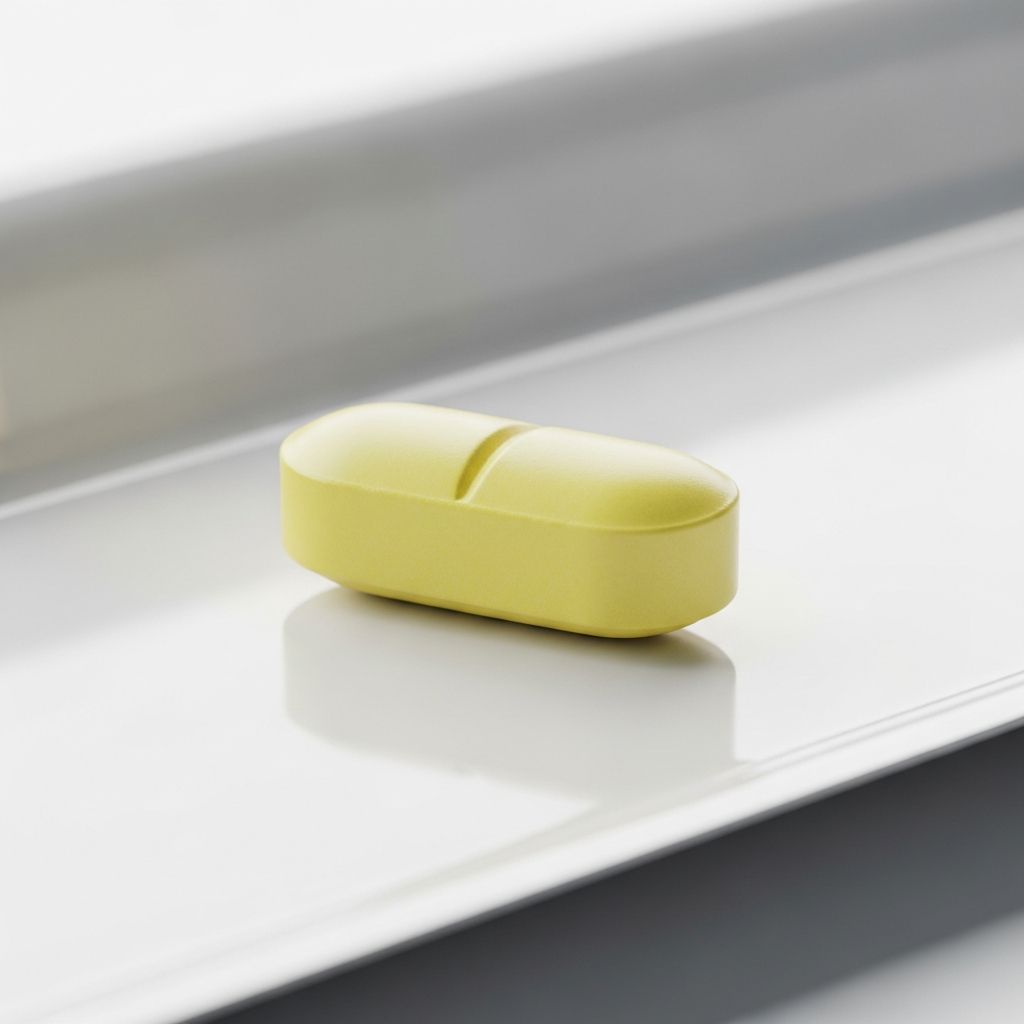
Moclobemide, marketed as Manerix, is a reversible inhibitor of monoamine oxidase A (RIMA) used primarily to treat major depressive disorder and social phobia. It increases levels of key neurotransmitters like serotonin, norepinephrine, and dopamine by selectively inhibiting MAO-A, offering efficacy similar to SSRIs and tricyclics with fewer side effects.
About moclobemide tablets
Manerix tablets contain moclobemide, available in 150 mg and 300 mg strengths. The active ingredient belongs to the antidepressant class, specifically reversible MAO inhibitors. Unlike traditional irreversible MAOIs, moclobemide’s effects wear off within 24 hours, reducing risks associated with dietary tyramine restrictions and drug interactions.
Each 150 mg tablet includes 150 mg moclobemide, with excipients like lactose, maize starch, povidone K30, sodium starch glycollate, magnesium stearate, hypromellose, ethylcellulose, polyethylene glycol 6000, talc, and titanium dioxide. The 300 mg version has the same inactive ingredients.
Key facts
- Drug class: Reversible MAO-A inhibitor (RIMA).
- Available as: Film-coated tablets (150 mg, 300 mg).
- Starting dose: Typically 300 mg/day in divided doses, up to 600 mg/day.
- Onset: Antidepressant effects often noticeable within the first week.
- Duration: MAO inhibition lasts 8-10 hours, fully reversible by 24 hours.
What is moclobemide used for?
Moclobemide treats major depressive disorder, including symptoms like low mood, fatigue, and concentration difficulties. It is also indicated for social phobia, helping reduce anxiety in social situations. Studies show it is more effective than placebo and comparable to TCAs or SSRIs in acute depression management.
Off-label uses include bipolar depression, fibromyalgia pain relief, and menopausal flushing, though evidence varies.
How does moclobemide work?
Moclobemide selectively and reversibly inhibits monoamine oxidase A (MAO-A), the enzyme that breaks down neurotransmitters such as serotonin, norepinephrine, and dopamine. This leads to increased synaptic levels of these chemicals, elevating mood, improving energy, and alleviating depressive symptoms.
Its reversible nature distinguishes it from older MAOIs; inhibition potency is about 10 times greater than phenelzine on MAO-A, with minimal impact on MAO-B. Long-term use may enhance cAMP signaling, supporting sustained efficacy.
Dosage
The usual adult dose starts at 300 mg daily, divided into 2-3 doses with food to enhance absorption and reduce side effects. It may be increased to 600 mg/day based on response. Elderly patients or those with hepatic impairment start at lower doses, e.g., 150 mg/day.
| Patient Group | Initial Dose | Maintenance Dose | Max Daily Dose |
|---|---|---|---|
| Adults | 300 mg/day (divided) | 300-600 mg/day | 600 mg |
| Elderly | 150-300 mg/day | Adjust per response | 600 mg |
| Hepatic Impairment | Lower initial dose | Titrate slowly | 300 mg |
Take tablets with or after meals. Swallow whole; do not crush. If a dose is missed, take as soon as remembered unless near next dose.
How to take moclobemide
Administer orally with food to minimize gastrointestinal upset and optimize bioavailability. Divide doses throughout the day to maintain steady levels. Continue as prescribed, even if feeling better, to prevent relapse. Abrupt discontinuation may cause mild withdrawal; taper if needed.
Monitor response after 2-4 weeks; full effects may take longer. Driving is generally safe at therapeutic doses up to 600 mg, unlike sedating antidepressants.
Related Stories



Who can and cannot take moclobemide tablets
Who can take moclobemide
- Adults with major depression or social phobia.
- Elderly patients, well-tolerated with similar efficacy.
- Patients unable to tolerate SSRIs or TCAs due to side effects.
Who cannot take moclobemide
- Allergic to moclobemide or excipients (e.g., lactose intolerance).
- Acute confusional states.
- Children under 18 (limited data).
- Pheochromocytoma or thyrotoxicosis.
Pregnancy, breastfeeding and fertility while taking moclobemide tablets
Limited data exist; use only if benefits outweigh risks. Animal studies show no teratogenicity, but human studies are insufficient. Discontinue breastfeeding due to potential transfer into milk. No known impact on fertility.
Taking moclobemide tablets with other medicines and herbal supplements
Moclobemide has fewer interactions than irreversible MAOIs but avoid:
- Serious interactions: Other MAOIs (wait 48 hours after stopping), SSRIs/SNRIs (risk of serotonin syndrome), tricyclics, opioids (e.g., morphine, codeine), sympathomimetics (e.g., ephedrine in cold meds).
- Cimetidine: Increases moclobemide levels; halve dose.
- Alcohol: Limit; may enhance CNS effects.
- Surgery: Inform anesthetist; reversible nature allows continuation unlike irreversible MAOIs.
Tyramine-rich foods (e.g., aged cheese, cured meats) pose low risk at standard doses, unlike non-reversible MAOIs.
Common questions about moclobemide tablets
How long does moclobemide take to work?
Improvements often start in the first week, faster than many antidepressants, with full effects in 2-4 weeks.
Is moclobemide a strong antidepressant?
Yes, meta-analyses confirm efficacy equal to SSRIs/TCAs, with better tolerability.
Does moclobemide cause weight gain?
Less likely than TCAs; no significant anticholinergic effects.
Can I drink alcohol on moclobemide?
Avoid excessive intake; moderate use generally safe but monitor for dizziness.
Side effects
Well-tolerated; side effects often resolve with time. No major anticholinergic, sedative, or hypotensive risks.
Serious side effects (stop and seek help)
- Fast/irregular heartbeat, severe headache, neck stiffness (hypertensive crisis signs).
- Serotonin syndrome: agitation, hallucinations, fever.
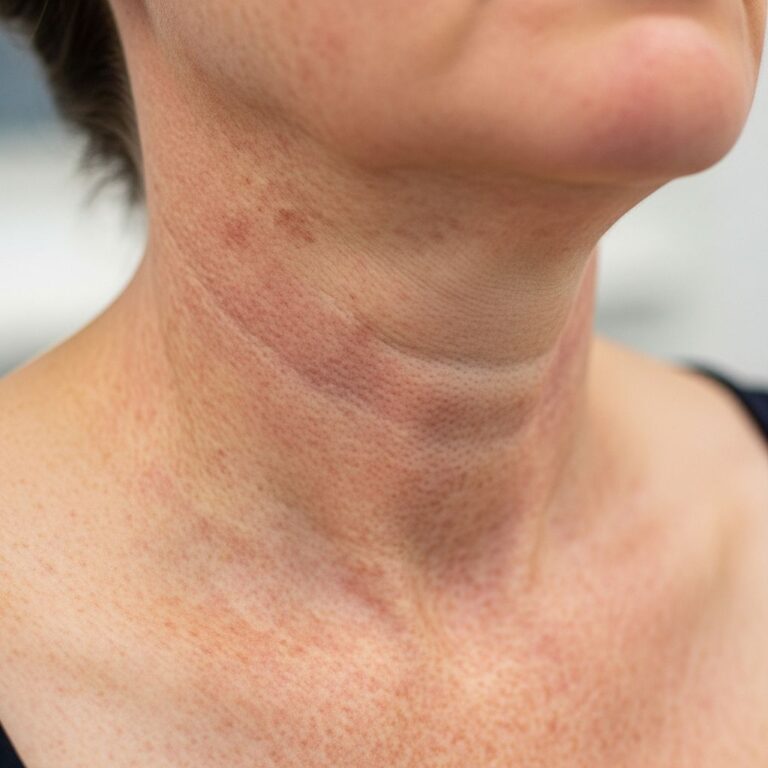
- Allergic reactions: rash, swelling.
Very common (>1/10)
- Insomnia, headache, dizziness, dry mouth, nausea.
Common (1/100)
- Anxiety, restlessness, paresthesia, constipation, blurred vision.
Overdose
Mild alone; severe with other drugs. Symptomatic treatment; low suicide risk due to safety profile.
Frequently Asked Questions
How long should I take moclobemide?
Typically 6-12 months after symptom relief to prevent relapse; long-term use maintains efficacy.
Can moclobemide be stopped suddenly?
Taper to avoid mild withdrawal; reversible action minimizes issues.
Does moclobemide affect driving?
No impairment at up to 600 mg; monitor initially for dizziness.
Is moclobemide safe in elderly?
Yes, well-tolerated with dose adjustment.
What if I miss a dose?
Take promptly; skip if near next dose. Do not double.
References
- Manerix® 150 mg and 300 mg film-coated Tablets (PIL) — Medicines.org.uk. 2023. https://www.medicines.org.uk/emc/files/pil.6661.pdf
- Moclobemide (oral route) Description and Side Effects — Mayo Clinic. 2024-10-01. https://www.mayoclinic.org/drugs-supplements/moclobemide-oral-route/description/drg-20064888
- Moclobemide: Uses, Interactions, Mechanism of Action — DrugBank Online. 2024. https://go.drugbank.com/drugs/DB01171
- Moclobemide Overview — PubMed/NCBI (via Wikipedia references). 2024. https://en.wikipedia.org/wiki/Moclobemide
- Moclobemide Prescribing Information — Cambridge University Press (Prescribers’ Guide). 2023. https://www.cambridge.org/core/books/prescribers-guide/moclobemide/FEB9E0B3EAD5FE7A2D4AFAE7BECED9C0
Similar Articles








Read full bio of Sneha Tete