Modern Eczema Management: Advanced Therapies in 2026
Comprehensive guide to cutting-edge eczema treatments beyond topical solutions
Eczema affects millions of people worldwide, with lifetime prevalence estimated at approximately 15–30% in children and 2–10% in adults. For decades, treatment options remained limited primarily to moisturizers and topical corticosteroids. However, the landscape has transformed dramatically. Today’s approach to moderate-to-severe eczema extends far beyond basic skin care routines, offering patients targeted therapies that address the underlying inflammatory mechanisms driving their condition.
The evolution of eczema treatment reflects a fundamental shift in how dermatologists understand and manage this chronic inflammatory skin disease. Rather than relying solely on symptom suppression, modern therapies work to interrupt the specific biological pathways responsible for itching, redness, and skin barrier dysfunction. This article explores the therapeutic options reshaping eczema care in 2026, from injectable biologics to oral medications and emerging topical innovations.
When Basic Care Is Not Enough: Understanding Treatment Escalation
The foundation of eczema management remains consistent: maintaining skin hydration through regular moisturizing and identifying personal triggers that provoke flare-ups. For mild disease, this approach typically proves sufficient. However, many patients experience symptoms that interfere with sleep quality, work productivity, or social well-being—indicators that escalation beyond routine care becomes necessary.
Dermatologists typically recommend considering advanced therapies when:
- Symptoms persist despite consistent moisturizing and trigger avoidance
- Topical treatments fail to provide adequate control or require frequent application
- Flare-ups disrupt sleep patterns or daily functioning
- Skin affected by eczema covers significant body surface area
- Patient quality of life is substantially compromised
Understanding your disease severity and personal treatment goals with your dermatologist helps determine the optimal starting point on the treatment spectrum.
Biologic Therapies: Precision Targeting of Inflammation
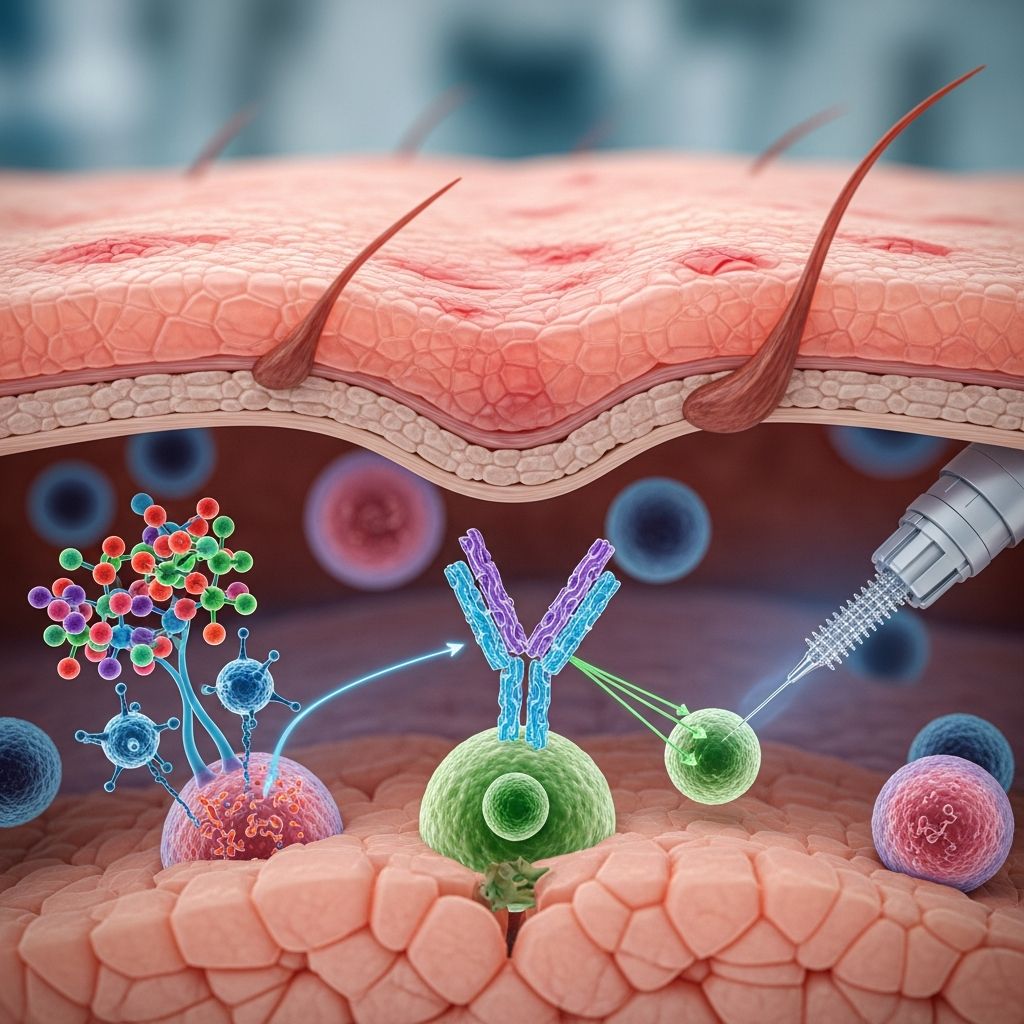
Biologic medications represent a watershed moment in eczema treatment. These injectable therapies work as monoclonal antibodies—laboratory-engineered proteins that target specific inflammatory molecules called interleukins driving the eczema cascade.
How Biologics Function
Unlike topical steroids that broadly suppress immune activity at the skin surface, biologics deliver precision targeting. The primary biological agents approved for eczema work through two main mechanisms:
- IL-4/IL-13 blocking agents: These inhibitors target two interleukins simultaneously, addressing multiple inflammatory pathways responsible for itch and redness
- IL-13 specific blockers: Newer agents focus exclusively on interleukin-13, a key mediator of the itching sensation and skin inflammation
Notable biologic treatments approved for use include dupilumab, tralokinumab, and lebrikizumab. Each offers distinct advantages depending on individual patient characteristics and disease patterns.
Administration and Timeline
Biologic medications are administered via subcutaneous injection, typically every two to four weeks depending on the specific drug and clinical response. After appropriate training, many patients self-administer injections at home, eliminating frequent clinic visits. Improvement typically follows a predictable timeline: itch often improves within weeks, while broader skin clearance accumulates gradually over subsequent months.
Real-World Efficacy Data
Recent research demonstrates the sustained benefits of biologic therapy. A Mount Sinai study published in the Journal of the American Academy of Dermatology examined lebrikizumab treatment over 52 weeks. Remarkably, patients who showed minimal initial response at 16 weeks often achieved significant improvements by continuing therapy. After one year of treatment, 75.5% of patients achieved a 75% improvement in eczema severity scores, with 44.2% reaching 90% improvement.
Related Stories



Additionally, dupilumab studies in diverse patient populations demonstrated that 76% of patients achieved major eczema area and severity index improvement by 24 weeks, with noticeable itch reduction appearing within just two weeks.
Oral JAK Inhibitors: Speed and Flexibility
Janus kinase inhibitors represent a fundamentally different approach to systemic eczema management. Rather than targeting specific interleukins, JAK inhibitors block the signaling pathways these molecules use to communicate with skin cells. This creates a broader anti-inflammatory effect, often producing faster symptomatic relief than biologic alternatives.
Mechanism and Administration
JAK1-centric oral inhibitors are currently most widely used for atopic dermatitis treatment. Patients take these medications as daily tablets, offering simplicity compared to injection protocols. Head-to-head clinical trials have shown that JAK inhibitors frequently produce greater itch reduction within 16 weeks compared to IL-4/13 biologic agents.
Advantages of Oral Therapy
The oral route offers distinct practical benefits:
- Daily dosing provides steady therapeutic levels without injection-related anxiety
- Dose flexibility allows step-up or step-down approaches tailored to individual response
- Rapid itch improvement often occurs within weeks of initiating therapy
- Simple administration requires no special training or injection skills
Safety Monitoring Requirements
JAK inhibitor therapy requires more frequent monitoring than biologics. Blood work to assess liver function, blood counts, and lipid profiles forms an essential component of responsible use. This monitoring framework helps ensure safety while allowing clinicians to optimize dosing for individual patients.
Innovation in Topical Therapy: Beyond Traditional Steroids
While systemic therapies address severe disease, topical innovations continue to expand options for milder-to-moderate cases and for complementary use alongside advanced therapies. A new generation of steroid-sparing creams and ointments now offers effective barrier repair and anti-inflammatory benefits without many side effects associated with traditional corticosteroids.
Emerging Topical Agents
Recent topical developments include medications targeting novel pathways:
- JAK inhibitor creams: Ruxolitinib cream achieved FDA approval for children aged 2 to 11 years, with almost 40% of patients reaching major improvement within four weeks and significant itch reduction occurring within 24 hours of first application.
- PDE-4 inhibitors: Roflumilast cream received FDA approval in October 2025 for mild-to-moderate atopic dermatitis treatment, offering a phosphodiesterase pathway approach to inflammation
- AHR modulators: Tapinarof targets aryl hydrocarbon receptors and has demonstrated significant potential in alleviating eczema-related itching
Itch-Targeted Innovations
Recognizing that itching represents the most disruptive symptom for many patients, researchers have developed drugs specifically targeting neuropeptide signaling in skin. Novel therapies blocking transient receptor vanilloid channels reduce neuropeptide secretion, offering alternative itch relief mechanisms. Additionally, experimental blood-thinning medications like vorapaxor show promise for itch reduction, with cream formulations currently undergoing testing.
Treatment Selection: A Personalized Approach
Choosing between biologics, JAK inhibitors, and other advanced therapies requires careful consideration of multiple factors beyond disease severity alone.
Decision-Making Framework
Effective therapy selection involves discussion with your dermatologist regarding:
- Preference for injection versus oral medication routes
- Speed of symptom relief priorities versus sustained control
- Comfort with ongoing laboratory monitoring requirements
- Personal or family history of certain conditions that may influence drug selection
- Lifestyle factors affecting medication adherence and administration feasibility
- Insurance coverage and medication access considerations
Rather than a single “best” therapy, modern eczema management involves matching individual patient circumstances with appropriate treatment options.
Combination Therapy Approaches
Advanced eczema management rarely involves monotherapy in isolation. Most patients benefit from combining systemic therapies with complementary treatments. Typical combinations include:
- Biologic or JAK inhibitor therapy combined with daily moisturizing to strengthen skin barrier function
- Systemic therapy paired with light therapy (phototherapy) for enhanced control
- Targeted topical anti-inflammatory treatments for localized flare-up management
- Ongoing trigger identification and avoidance strategies
This multi-modal approach maximizes therapeutic benefit while allowing lower doses of individual medications.
The Future Pipeline: Emerging Treatments on the Horizon
The eczema treatment pipeline remains robust, with over 100 clinical assets in various development stages. Several late-stage candidates show particular promise:
- Second-generation JAK inhibitors like abrocitinib and upadacitinib have now received NHS approval, with additional agents expected soon
- Dual-pathway inhibitors targeting both JAK and spleen tyrosine kinase pathways, such as cerdulatinib, are advancing through trials
- Specialized tyrosine kinase inhibitors like brepocitinib offer alternative mechanisms to traditional JAK blockade
- Novel IL-13 specific agents continue expanding patient options, with new approvals occurring in 2024–2025
This expanding pipeline ensures that eczema patients will have increasingly diverse options tailored to individual disease patterns and patient preferences.
Monitoring and Optimization: Getting the Most From Your Treatment
Starting advanced therapy represents just the beginning of successful eczema management. Systematic monitoring and optimization over subsequent weeks and months substantially improves outcomes.
Initial Assessment Phase
Before starting biologic or JAK inhibitor therapy, baseline documentation should include:
- Detailed itch severity rating on a 0–10 scale
- Sleep quality assessment and documented sleep disruption frequency
- Percentage of body surface area affected by active eczema
- Baseline laboratory studies (particularly for JAK inhibitor therapy)
- Photography of affected areas for objective comparison
Follow-Up and Adjustment Timeline
Effective therapy optimization follows a structured schedule:
- Weeks 2–8: Track itch levels, sleep improvements, and percentage of skin clearance; continue daily moisturizing to support barrier function
- Week 4–8: Schedule first formal follow-up to assess response adequacy and consider dose adjustments if needed
- 3–6 months: Evaluate sustained response; determine if current regimen achieves treatment goals or requires modification
- Ongoing monitoring: For JAK inhibitors, continued laboratory assessments help ensure continued safety and tolerability
Quality of Life and Long-Term Outcomes
While clinical metrics like eczema severity scores provide objective measures, the ultimate goal of modern eczema treatment extends beyond skin clearance. These therapies aim to restore normal sleep patterns, improve work or school attendance, and allow patients to engage fully in social and recreational activities.
Though no cure currently exists for eczema, treatment advances have fundamentally changed the disease trajectory for many patients. Consistent personalized management combining systemic therapies with foundational skin care strategies often produces extended periods of clear skin and substantially improved daily functioning.
Frequently Asked Questions
How long does it take for biologics to work?
Itch often improves within weeks of starting biologic therapy, while broader skin clearance typically develops over subsequent months. Some patients achieve maximum benefit at the 16-week mark, while others require 52 weeks or longer for optimal response.
Are JAK inhibitors faster than biologics?
Yes, clinical studies frequently demonstrate that JAK inhibitors produce faster itch reduction than biologic agents during the initial weeks of treatment. However, individual response varies, and some patients achieve superior long-term control with biologics.
Can I combine different treatment types?
Most patients benefit from combining systemic therapies with topical treatments and consistent moisturizing. However, combining multiple systemic agents requires careful medical supervision and is typically reserved for cases with inadequate response to monotherapy.
What happens if my initial therapy doesn’t work?
Inadequate response to one therapy does not predict failure with alternatives. Many patients achieve control after switching to a different biologic, JAK inhibitor, or combination approach. Patience and systematic optimization are essential.
Are these advanced therapies safe long-term?
Biologics require minimal laboratory monitoring and show excellent long-term safety profiles. JAK inhibitors require ongoing blood work to monitor liver function and blood counts. Both medication classes have demonstrated sustained safety over years of clinical use when properly monitored.
Conclusion: Empowered Choices for Modern Eczema Management
The eczema treatment landscape in 2026 offers unprecedented options for patients whose disease extends beyond the reach of basic skin care. From precision-targeted biologics to rapidly effective JAK inhibitors and innovative topical agents, modern medicine provides multiple pathways to disease control. Success requires partnership between informed patients and experienced dermatologists, systematic monitoring of response, and willingness to optimize therapy until treatment goals are achieved. For millions of eczema patients, these advances represent a genuine transformation in quality of life and long-term disease outlook.
References
- Best Eczema Treatments 2026: Biologics & JAK Inhibitors — NellaDerm. 2026. https://nelladerm.com/best-eczema-treatments-2026-biologics-jak-inhibitors/
- Atopic Dermatitis Treatment in 2026: New Options & Insights — Trillium Clinic. 2026. https://trilliumclinic.com/new-insights-on-atopic-dermatitis-treatment/
- Eczema Treatment Research Pipeline — National Eczema Society. 2025. https://eczema.org/research/national-eczema-society-and-research/eczema-treatment-research-pipeline/
- Mount Sinai Study Finds Long-Term Eczema Treatment Benefits Patients With Delayed Response — Mount Sinai, Icahn School of Medicine. January 2025. https://www.mountsinai.org/about/newsroom/2025/mount-sinai-study-finds-long-term-eczema-treatment-benefits-patients-with-delayed-response
- Eczema Pipeline 2026 Outlook: 100+ Clinical Assets and 3 Key Late-Stage Candidates to Watch — BarChart. 2026. https://www.barchart.com/story/news/293118/eczema-pipeline-2026-outlook-100-clinical-assets-and-3-key-latestage-candidates-to-watch-analyses-delveinsight
- Highlighting Major Breakthroughs for Atopic Dermatitis and Psoriasis in 2025 — Dermatology Times. 2025. https://www.dermatologytimes.com/view/highlighting-major-breakthroughs-for-atopic-dermatitis-and-psoriasis-in-2025
- Update on Drugs & Devices: January-February 2026 — Skin Therapy Letter. February 2026. https://www.skintherapyletter.com/drug-updates/jan-feb-2026/
Similar Articles








Read full bio of medha deb