MOGAD: Understanding Symptoms, Diagnosis & Treatment
Complete guide to MOGAD: causes, symptoms, diagnosis, and evidence-based treatment options.
What Is MOGAD?
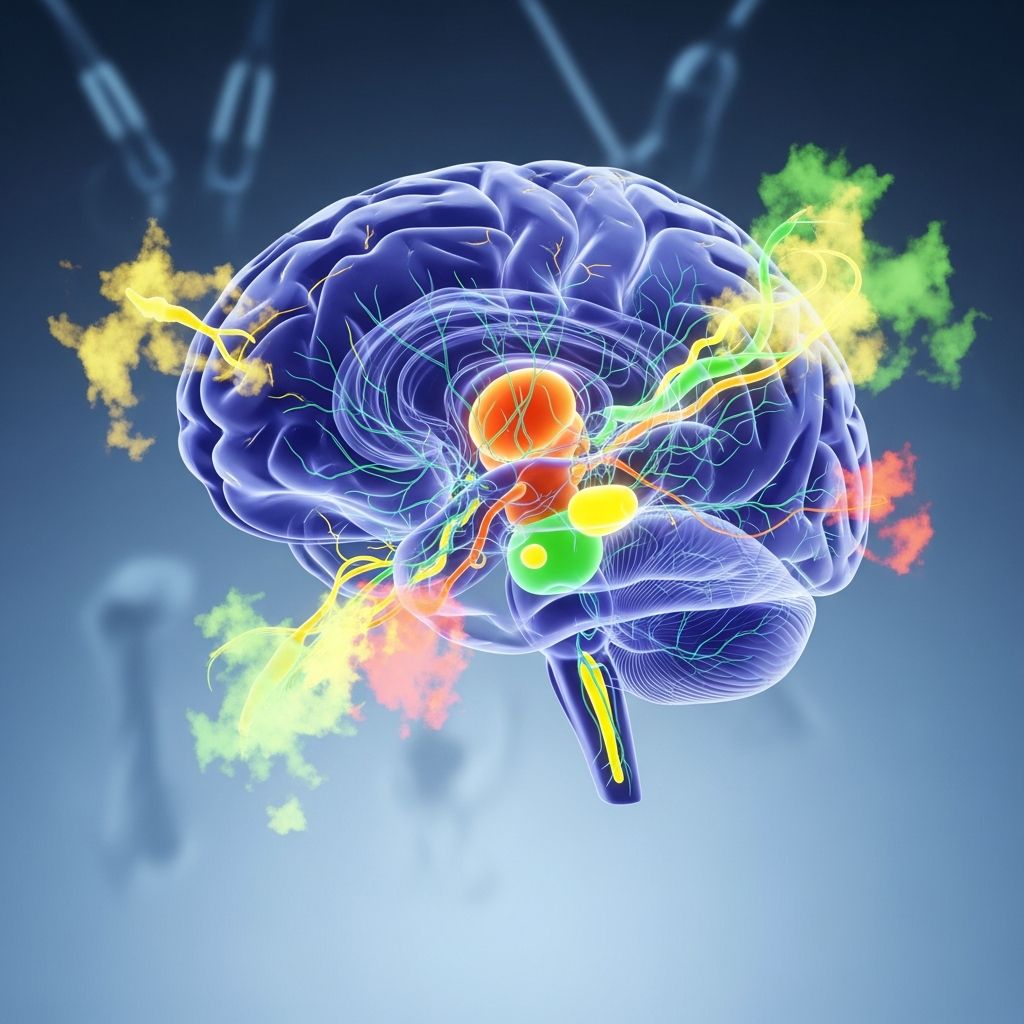
Myelin oligodendrocyte glycoprotein antibody-associated disease (MOGAD) is an autoimmune condition in which your immune system mistakenly attacks proteins in the protective covering around your nerves, known as myelin. This protective layer is crucial for transmitting nerve signals from your brain and spinal cord to the rest of your body. When antibodies damage myelin in a process called demyelination, these vital nerve communications become disrupted, leading to a variety of neurological symptoms. MOGAD is a rare but serious condition that can significantly affect vision, movement, and cognitive function. Understanding this disease is essential for patients, caregivers, and healthcare providers working together to manage symptoms and prevent complications.
The condition is characterized by inflammation that can occur in multiple areas of the central nervous system, including the optic nerves, brain, and spinal cord. Unlike some other demyelinating diseases, MOGAD has specific immunological markers that help distinguish it from similar conditions. Patients may experience either a single episode of inflammation (monophasic disease) or multiple episodes over time (relapsing disease), with outcomes varying significantly between individuals.
Symptoms of MOGAD
MOGAD causes inflammation in the brain, spinal cord, and optic nerves, resulting in a diverse range of symptoms that can vary widely among patients. Symptoms typically develop rapidly and may appear suddenly, affecting different parts of the nervous system. Understanding these symptoms is important for early recognition and prompt treatment initiation.
The most common symptoms include:
- Lost or blurred vision in one or both eyes
- Loss of color vision
- Pain in the eyes, back, legs, arms or chest area
- Paralysis or weakness in arms and legs
- Loss of sensation, numbness or tingling
- Bladder or bowel dysfunction
- Seizures
- Confusion, drowsiness or coma
Symptom Categories
Healthcare providers often group MOGAD symptoms into specific categories based on which areas of the nervous system are affected:
Optic Neuritis: This involves inflammation of the optic nerve and typically presents with visual loss, pain with eye movement, and reduced color vision. Patients may experience sudden vision changes that can range from mild blurriness to severe vision loss.
Transverse Myelitis: This condition affects the spinal cord and causes numbness or weakness of the limbs, along with bladder dysfunction. The inflammation may affect movement and sensation below the level of inflammation in the spine.
Acute Disseminated Encephalomyelitis (ADEM): This involves multiple areas of the central nervous system and presents with confusion, drowsiness, and encephalopathy along with other neurological deficits. ADEM can be particularly severe and may require intensive treatment.
Cerebral Encephalitis: This affects the brain and manifests as seizures and encephalopathy, potentially causing cognitive changes and altered mental status.
Causes and Risk Factors
MOGAD is an autoimmune disorder, meaning the body’s immune system mistakenly attacks its own tissues. In this case, the immune system produces antibodies against myelin oligodendrocyte glycoprotein (MOG), a protein present on the surface of oligodendrocytes and myelin in the central nervous system. The exact reason why some individuals develop these antibodies is not entirely understood, though research suggests a combination of genetic predisposition and environmental factors may play a role.
Unlike some autoimmune conditions that show clear hereditary patterns, MOGAD does not appear to run strongly in families. However, certain genetic factors may increase susceptibility. Environmental triggers, infections, or immune system dysregulation may precipitate the development of MOG antibodies in genetically predisposed individuals. MOGAD can affect people of all ages, though it may present differently in children versus adults.
Related Stories



Diagnosis of MOGAD
Diagnosing MOGAD requires a combination of clinical evaluation, imaging studies, and specialized laboratory testing. Your healthcare provider will begin with a thorough medical history and neurological examination to assess your symptoms and neurological function.
Diagnostic Tests and Procedures
MRI Imaging: Magnetic resonance imaging is a cornerstone of MOGAD diagnosis. MRI of the brain and spinal cord can reveal areas of inflammation and demyelination. The pattern of lesions on MRI can help differentiate MOGAD from other demyelinating diseases. Doctors often look for specific characteristics in the distribution and appearance of lesions.
MOG Antibody Testing: Blood tests can detect the presence of MOG antibodies, which are a hallmark of this disease. This specific antibody testing is essential for confirming the diagnosis. The test must be performed by specialized laboratories equipped to detect these antibodies accurately.
Lumbar Puncture (Spinal Tap): This procedure may be performed to analyze cerebrospinal fluid (CSF) for signs of inflammation and to rule out other conditions such as infections. The CSF analysis can provide additional information about the inflammatory process.
Visual Evoked Potentials (VEP): If optic neuritis is suspected, this test measures the electrical activity of the optic nerve and can confirm nerve damage affecting vision.
Optical Coherence Tomography (OCT): This imaging technique can assess the structural integrity of the optic nerve and retina, particularly useful when optic neuritis is present.
Treatment Options for MOGAD
Treatment of MOGAD focuses on two main goals: managing acute inflammation during attacks and preventing future relapses through maintenance therapy. The approach is individualized based on disease severity, frequency of relapses, and patient tolerance of medications.
Acute Attack Treatment
When patients experience an active MOGAD attack, immediate treatment is essential to reduce inflammation and prevent permanent nerve damage. Most patients respond well to acute treatments, and early intervention can significantly impact outcomes.
Intravenous Corticosteroids: High-dose intravenous methylprednisolone is the standard first-line treatment for acute MOGAD attacks. This treatment is typically administered for three to five days and works by suppressing the inflammatory response. Most patients respond favorably to this therapy, with significant symptom improvement observed during or shortly after the course of treatment. An oral steroid taper following intravenous therapy may help prevent steroid-withdrawal relapses.
Plasma Exchange (PLEX): Also known as plasmapheresis, plasma exchange may be initiated if symptoms are severe or if the patient shows inadequate response to steroids alone. PLEX works by removing antibodies from the blood that are attacking myelin. Retrospective studies have shown beneficial outcomes, particularly when started within days of initiating steroids and during the acute or sub-acute stage of inflammation. Treatment is typically most effective when started early, often before the steroid course has finished.
Intravenous Immunoglobulin (IVIG): Another option for treating acute MOGAD inflammation is intravenous immunoglobulin, derived from pooled blood donations from thousands of healthy individuals. IVIG is generally well-tolerated, though potential adverse reactions including headache, nausea, muscle pain, fever, chills, chest discomfort, and rarely anaphylactic reactions can occur. These reactions typically occur during or immediately after infusion.
Maintenance and Relapse Prevention
For patients experiencing relapses or at high risk for recurrent attacks, long-term immunosuppressive treatment is recommended to prevent future episodes and reduce disability. Currently, there are no FDA-approved medications specifically for maintenance treatment of MOGAD, so all maintenance therapies are prescribed off-label based on clinical experience and observational studies.
Mycophenolate Mofetil (CellCept): This is one of the primary maintenance therapies used in the United States. Mycophenolate works by suppressing the immune system and has been associated with reduced annualized relapse rates in retrospective studies. However, the medication has a delayed onset of action, typically requiring three to six months to become fully effective. Relapses may still occur in approximately 50 percent of patients, though early relapses may be secondary to the delayed onset of action.
Rituximab (Rituxan): As an anti-CD20 B-cell depleting therapy, rituximab targets and eliminates B cells responsible for producing MOG antibodies. Many experts consider rituximab effective for MOGAD maintenance therapy, with approximately 72.5% of surveyed clinicians believing in its effectiveness for relapse prevention.
Azathioprine (Imuran): Another purine synthesis inhibitor used for maintenance therapy, azathioprine helps suppress immune system activity. Standard first-line therapies for related conditions demonstrate that azathioprine is associated with reduced relapse rates in observational studies of MOGAD.
Repeated IVIG or Subcutaneous Immunoglobulin: Some patients receive regular IVIG infusions as maintenance therapy. Additionally, subcutaneous immunoglobulin (SCIg) represents an alternative delivery method that may have fewer severe side effects than intravenous administration. A recent study of six individuals with MOGAD treated with subcutaneous immunoglobulin found excellent tolerance and no relapses during a seven-year follow-up period.
Treatment Monitoring
Regular monitoring is essential to assess treatment effectiveness and make adjustments as needed. Monitoring typically includes MRI imaging to assess for new or evolving inflammation, optical coherence tomography for optic nerve assessment, and MOG antibody titre measurements. However, approximately 25% of clinicians indicate they would not discontinue maintenance therapy regardless of monitoring results, reflecting the serious nature of potential relapses.
Prognosis and Long-Term Outlook
The prognosis for MOGAD varies considerably among patients. Approximately half of MOGAD patients experience monophasic disease, meaning they have only one inflammatory episode and do not relapse. Complete recovery from the initial attack is common in children, and overall outcomes tend to be favorable in pediatric populations.
However, patients who experience severe initial attacks or develop relapsing disease face increased risk for more significant long-term neurological deficits. Relapses can have lasting effects on the central nervous system, including persistent gait and vision challenges. Early and aggressive treatment of acute attacks is crucial, as prompt intervention may limit permanent disability. Compared to other demyelinating conditions like aquaporin-4 antibody-positive neuromyelitis optica spectrum disorder (AQP4-Ab NMOSD), MOGAD generally has better motor and visual disability outcomes, though the impact of relapses on long-term disability remains an area of active research.
Rehabilitation and Supportive Care
Beyond medication management, comprehensive care for MOGAD often includes rehabilitation services. Your provider may recommend participating in rehabilitation programs if complications arise from myelin damage. Rehabilitation can help patients learn how to complete daily routines and move around independently if MOGAD affects vision and physical movement. Physical therapy, occupational therapy, and vision rehabilitation specialists can work together to optimize functional outcomes and quality of life.
Frequently Asked Questions About MOGAD
Q: Is MOGAD inherited or hereditary?
A: MOGAD is not a genetic condition that runs in families in the traditional sense. While there may be some genetic predisposition, MOGAD is primarily an autoimmune disorder triggered by environmental factors and immune system dysregulation. It can affect people of any age or family background.
Q: Can MOGAD be cured?
A: Currently, there is no cure for MOGAD. However, treatment can effectively manage symptoms, reduce inflammation, and in many cases, prevent relapses. About half of patients experience only one attack (monophasic disease) and may not require long-term treatment, while others benefit from ongoing immunosuppressive therapy.
Q: How is MOGAD different from multiple sclerosis (MS)?
A: While both are demyelinating diseases, MOGAD and MS are distinct conditions. MOGAD is defined by specific MOG antibodies, whereas MS is typically associated with oligoclonal bands in cerebrospinal fluid and different patterns of brain lesions on MRI. Treatment approaches and prognoses also differ between these conditions.
Q: What happens if MOGAD goes untreated?
A: Untreated MOGAD can lead to permanent neurological damage, including vision loss, paralysis, and cognitive impairment. Immediate treatment during acute attacks is crucial to limit disability. Early intervention significantly improves outcomes and reduces the risk of long-term complications.
Q: Can children develop MOGAD?
A: Yes, MOGAD can affect children of all ages. Children often have favorable outcomes with complete recovery from initial attacks. However, some children may experience relapses requiring long-term immunosuppressive treatment. Pediatric MOGAD requires specialized care from experienced neurologists.
Q: What is the likelihood of experiencing a relapse?
A: Approximately half of MOGAD patients experience monophasic disease with no relapses. However, some patients do experience recurrent attacks despite immunosuppressive therapy. There are currently no reliable predictors of who will relapse, making this an area of active research. Early aggressive treatment may reduce relapse risk.
Q: Are there any lifestyle modifications that help manage MOGAD?
A: While no specific lifestyle changes prevent MOGAD, maintaining overall health through proper nutrition, adequate sleep, stress management, and regular exercise (as tolerated) can support immune function. Avoiding known triggers and managing other health conditions is important. Discuss any lifestyle modifications with your healthcare provider.
Q: What side effects should I expect from MOGAD treatments?
A: Different treatments carry different side effect profiles. Corticosteroids may cause mood changes, sleep disturbances, and increased appetite. Immunosuppressive medications can increase infection risk. IVIG may cause headache or allergic reactions. Your provider will discuss specific side effects and monitoring requirements for your prescribed treatments.
References
- Myelin Oligodendrocyte Glycoprotein Antibody Disease — Children’s Hospital of Philadelphia (CHOP). 2024. https://www.chop.edu/conditions-diseases/myelin-oligodendrocyte-glycoprotein-antibody-disease
- Treatment of MOG Antibody Associated Disorders — PubMed Central (PMC), U.S. National Library of Medicine (NIH). 2021. https://pmc.ncbi.nlm.nih.gov/articles/PMC7954658/
- MOG Antibody Disease – Symptoms, Causes, Treatment — National Organization for Rare Disorders (NORD). 2024. https://rarediseases.org/rare-diseases/mog-antibody-disease/
- MOG Antibody Disease (MOGAD): Prognosis & Management — Spinal Cord Injury Association (SRNA). 2024. https://wearesrna.org/living-with-myelitis/disease-information/mog-antibody-disease/prognosis-management/
- MOGAD: What It Is, Diagnosis, Symptoms & Treatment — Cleveland Clinic. 2024. https://my.clevelandclinic.org/health/diseases/myelin-oligodendrocyte-glycoprotein-antibody-disease-mogad
- Myelin Oligodendrocyte Glycoprotein Antibody Disease — Cincinnati Children’s Hospital Medical Center. 2024. https://www.cincinnatichildrens.org/health/m/mogad
- MOG Disease and Treatments — Mass General Brigham (Harvard Medicine). 2024. https://www.massgeneralbrigham.org/en/patient-care/services-and-specialties/pediatric-ms/associated-conditions/mog-disorder
Similar Articles








Read full bio of medha deb