Mohs Micrographic Surgery: 5-Step Guide, Benefits, Recovery
Precision skin cancer removal technique offering highest cure rates while preserving healthy tissue for optimal outcomes.
Mohs Micrographic Surgery
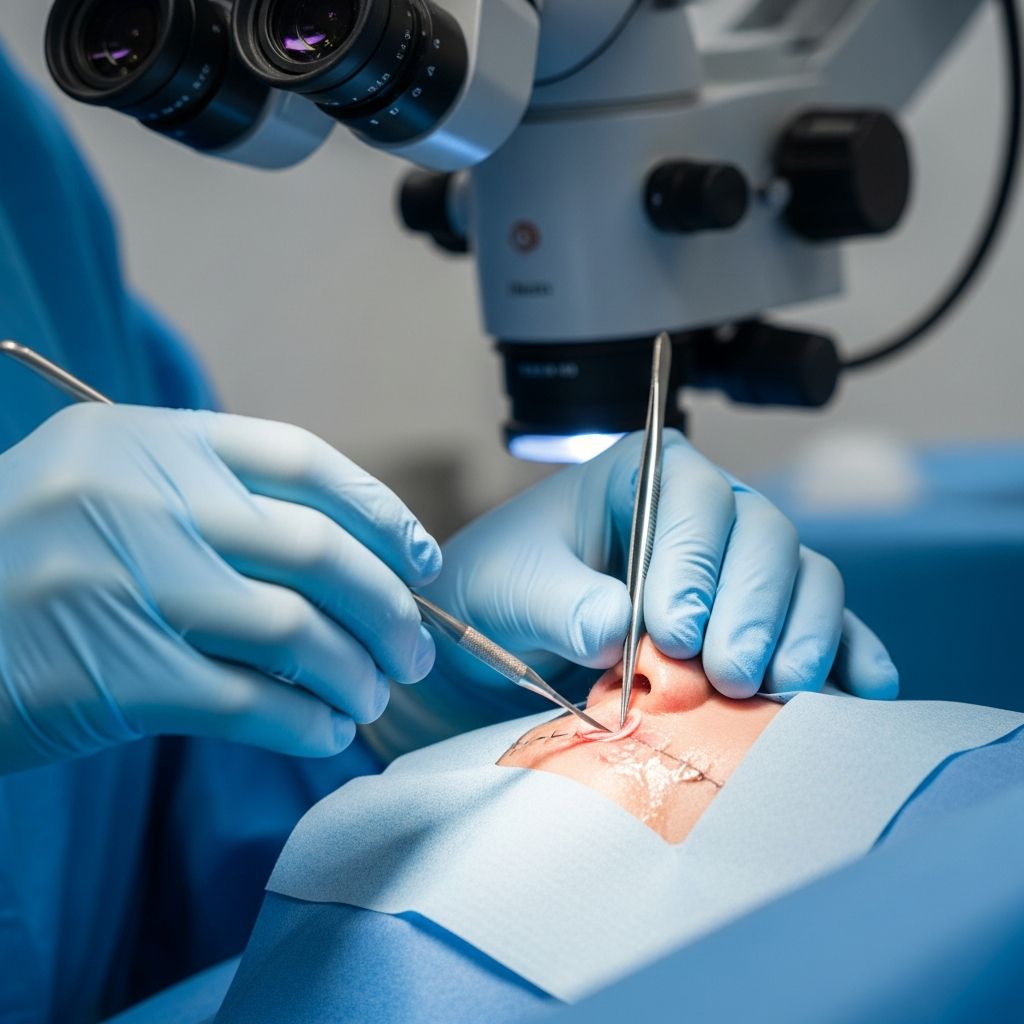
Mohs micrographic surgery is a specialized, highly effective technique for removing skin cancer. It combines surgical excision with immediate microscopic examination of all removed tissue margins, ensuring complete cancer removal while sparing as much healthy tissue as possible. This method achieves cure rates of 97–99% for primary basal cell carcinomas (BCCs) and squamous cell carcinomas (SCCs), superior to standard excision.
What is Mohs micrographic surgery?
Mohs micrographic surgery, often called Mohs surgery, is a precise method developed by Frederic E. Mohs in the 1930s. Originally using chemical fixation, modern Mohs uses fresh tissue frozen sections processed in a cryostat microtome for faster results (15–30 minutes per stage). The surgeon acts as both exciser and pathologist, examining 100% of peripheral and deep margins horizontally, unlike ‘bread-loafing’ in standard pathology which checks only 1–5% of margins.
This tissue-sparing approach is ideal for cancers in cosmetically or functionally sensitive areas like the face, ears, nose, lips, eyelids, scalp, hands, feet, genitals, or sites with high recurrence risk. It is indicated for recurrent, morpheaform, infiltrative, or aggressive-growth BCCs and SCCs, especially those >1 cm, perineural invasion, or in immunocompromised patients.
Who performs Mohs micrographic surgery?
Mohs surgery must be performed by fellowship-trained Mohs surgeons, certified by organizations like the American College of Mohs Surgery (ACMS). These specialists have completed 1–2 years of additional training beyond dermatology residency, focusing on cutaneous oncology, histopathology, and reconstruction. Only ACMS members are verified to meet these standards, ensuring expertise in over 100 cancer stages annually.
Advantages of Mohs micrographic surgery
- Highest cure rates: 99% for primary BCC/SCC, 94–97% for recurrent cases.
- Tissue conservation: Removes only cancerous tissue, minimizing scars in delicate areas.
- Real-time analysis: Immediate microscopic review allows precise additional excisions.
- Cost-effective: Single-visit outpatient procedure reduces recurrence treatment costs.
- Versatility: Suitable for melanoma in situ, dermatofibrosarcoma protuberans, and extramammary Paget disease.
Disadvantages of Mohs micrographic surgery
- Time-intensive: May last 4–12 hours over 1–2 days for extensive tumors.
- Requires specialized lab: Not available everywhere; travel may be needed.
- Patient discomfort: Prolonged wait times between stages, though local anesthesia minimizes pain.
- Limited for certain cancers: Less ideal for very thick melanomas or inflammatory lesions.
Who is suitable for Mohs micrographic surgery?
Ideal candidates include patients with:
- BCC or SCC in high-risk locations (central face, ears, nose, eyelids, lips, genitals, digits).
- Recurrent, incompletely excised, or clinically aggressive subtypes (morpheaform, infiltrative, desmoplastic).
- Carcinomas >2 cm, with perineural invasion, or in immunosuppressed individuals.
- Young patients prioritizing cosmesis.
- Rare tumors like microcystic adnexal carcinoma or sebaceous carcinoma.
Contraindications are rare but include remote locations without Mohs expertise or patient inability to tolerate outpatient surgery.
How is Mohs micrographic surgery performed? (Step-by-step)
Mohs surgery occurs in an outpatient setting under local anesthesia. The process repeats until clear margins are achieved, typically 1–3 stages.
Step 1: Preparation and debulking
The surgeon outlines the tumor, injects local anesthetic (e.g., lidocaine), and debulks visible cancer using curette or scalpel.
Step 2: Layered excision
A thin layer (circumferential and deep margins) is removed at a 45-degree bevel. Orientation marks (e.g., 12/3/6/9 o’clock) are etched on skin and tissue.
Step 3: Mapping and sectioning
Tissue is divided, color-coded with dyes, and mapped. It is flattened, frozen, sectioned horizontally in a cryostat, stained, and slidemounted to examine 100% of margins.
Step 4: Microscopic examination
The surgeon reviews slides for cancer cells, marking positive areas on the map.
Step 5: Repeat if needed
Additional layers are excised only from tumor-positive sites. Process repeats until negative margins.
| Stage | Description | Time |
|---|---|---|
| 1 | Debulk + first layer | 15–30 min surgery + 30–60 min lab |
| 2+ | Targeted excision + repeat | 1 hour per stage |
| Completion | Clear margins confirmed | Total: 2–8 hours |
Wound repair after Mohs micrographic surgery
After clear margins, wounds are repaired same-day:
- Healing by secondary intention: Small wounds granulate naturally (e.g., nose tip, ear helix).
- Primary closure: Sutures for straight edges.
- Flaps/grafts: Local tissue rearrangement or skin grafts for larger defects.
Mohs surgeons often perform reconstructions or collaborate with specialists.
Preoperative instructions
- Arrange transport; fast if sedation used.
- Wear loose clothing; bring entertainment for waits.
- Stop blood thinners per surgeon (e.g., aspirin 7–10 days prior).
- Single meal morning of; notify about allergies.
Postoperative care
- Keep dressing dry 24–48 hours; change daily.
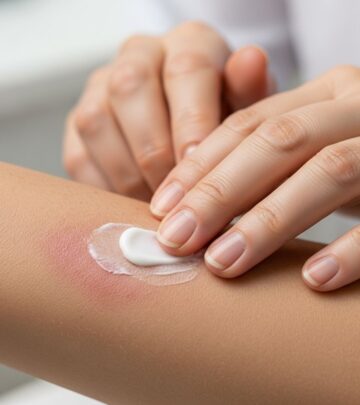
- Apply ointment (petrolatum/Vaseline); avoid picking scabs.
- No strenuous activity 1–2 weeks; sun protection lifelong.
- Sutures removed 5–14 days; follow-up 6–12 months.
Expect swelling/bruising 1–2 weeks; full healing 4–6 weeks. Infection risk low (<1%).
Outcomes of Mohs micrographic surgery
Cure rates: 99% primary BCC, 98% primary SCC, 94% recurrent BCC. Recurrence risk 1–2% vs. 10% standard excision. Superior cosmesis reduces functional impairment. Long-term studies confirm durability up to 10 years.
Alternatives to Mohs micrographic surgery
| Method | Cure Rate | Tissue Sparing | Best For |
|---|---|---|---|
| Standard Excision | 94–97% | Moderate | Trunk/limbs, low-risk |
| Curettage + Electrodessication | 95% | Low | Small, superficial |
| Radiation | 90–95% | High | Elderly, inoperable |
| Imiquimod/5-FU | 80–85% | High | Superficial BCC |
Frequently Asked Questions
Is Mohs surgery painful?
Local anesthesia ensures no pain during excision. Mild discomfort from injections or pressure possible; most report minimal pain.
How long does Mohs surgery take?
2–8 hours typically; extensive cases may span two days. Plan full day off.
Will I have a scar?
Yes, but smallest possible. Mohs minimizes size/location for best healing.
Is Mohs covered by insurance?
Usually yes for indicated cases; verify with provider.
When can I return to work?
Desk jobs same/next day; physical labor 1–2 weeks.
Can Mohs treat melanoma?
Yes, for melanoma in situ or thin invasive on sun-exposed skin, with MART-1 immunostaining.
References
- The Mohs Step-by-Step Process — American College of Mohs Surgery. Accessed 2026. https://www.mohscollege.org/for-patients/about-mohs-surgery/the-mohs-step-by-step-process
- Mohs Micrographic Surgery — StatPearls, NCBI Bookshelf, NIH. 2023-10-01. https://www.ncbi.nlm.nih.gov/books/NBK441833/
- What is Mohs Micrographic Surgery? — Solano Dermatology (clinical reference). Accessed 2026. https://www.solanodermatology.com/what-is-mohs-micrographic-surgery/
- Mohs Surgery — The Skin Cancer Foundation. Accessed 2026. https://www.skincancer.org/treatment-resources/mohs-surgery/
- Mohs Surgery for Melanoma — Melanoma Research Foundation. Accessed 2026. https://www.curemelanoma.org/patient-eng/melanoma-treatment/options/mohs-surgery
- Definition of Mohs Micrographic Surgery — National Cancer Institute. Accessed 2026. https://www.cancer.gov/publications/dictionaries/cancer-terms/def/mohs-micrographic-surgery
Similar Articles



Read full bio of Sneha Tete