Mohs Surgery: 5 Essential Things to Know Before
Complete guide to Mohs micrographic surgery: what to expect, how it works, and why it's the gold standard for skin cancer treatment.
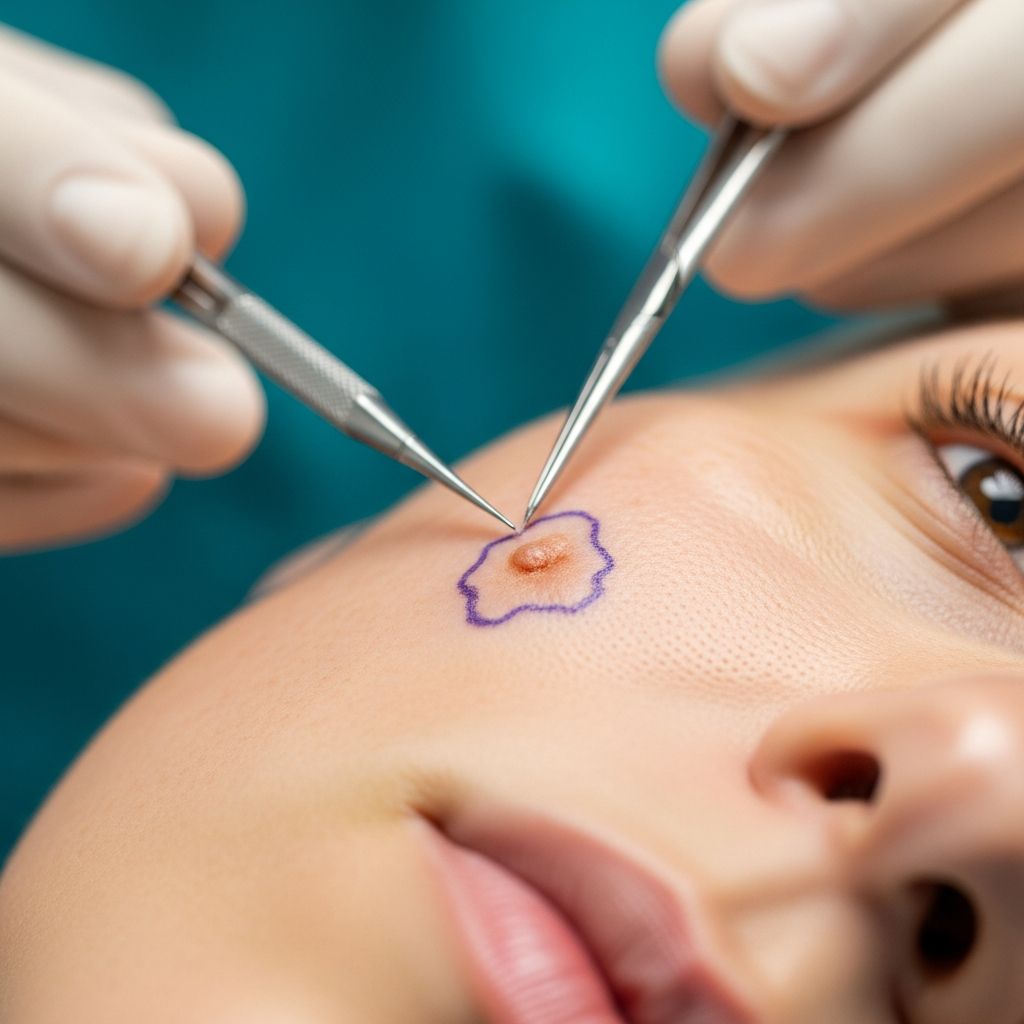
Mohs Surgery: 5 Essential Things to Know Before You Go
If you’ve been diagnosed with skin cancer and your dermatologist has recommended Mohs micrographic surgery, you likely have questions about what to expect. Mohs surgery is a highly specialized and precise technique that offers the best outcomes for certain types of skin cancer, but understanding the procedure before your appointment can help ease anxiety and prepare you mentally and logistically. This comprehensive guide covers five critical things you should know before undergoing Mohs surgery.
1. Understanding What Mohs Surgery Is and How It Works
Mohs micrographic surgery is a tissue-sparing, precise method of skin cancer removal developed by Dr. Frederick Mohs in the 1930s. Unlike traditional surgical excision where tissue is sent to an off-site laboratory for analysis, Mohs surgery involves removing thin layers of skin cancer one at a time and examining each layer under a microscope immediately, while you wait. This real-time analysis allows your surgeon to know exactly where cancer cells remain and remove additional tissue only from those specific areas.
The procedure is performed in distinct stages, all completed during a single outpatient visit under local anesthesia. The key advantage is that your surgeon can examine 100% of the tumor margins under a microscope, which significantly lowers the chance of cancer returning. This level of precision means that only cancerous tissue is removed, while healthy surrounding skin is preserved to the maximum extent possible.
The step-by-step process works as follows:
- Local anesthesia application: The surgical site is numbed with local anesthetic so you remain comfortable throughout the procedure.
- Initial layer removal: Using a scalpel, the surgeon removes a thin layer of visible cancerous tissue along with a small margin of apparently healthy skin around it.
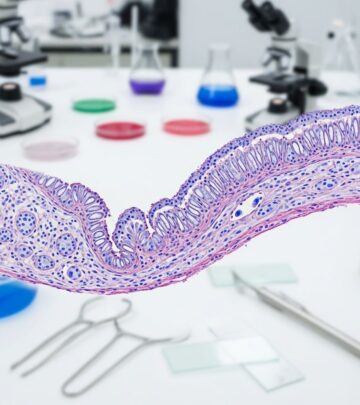
- Immediate microscopic analysis: The removed tissue is taken to an on-site laboratory where it is processed, stained, and examined under a microscope.
- Mapping and tracking: The tissue is marked with colored dyes to create a precise map showing where cancer cells remain.
- Repeated removal: If cancer cells are found at the edges or base of the removed tissue, you return to the operating room where additional anesthesia is applied if needed, and another layer of tissue is removed from the exact location where cancer persists.
- Confirmation of clear margins: This process repeats until no cancer cells remain at any margin.
This meticulous, layer-by-layer approach ensures complete cancer removal while preserving as much healthy tissue as possible.
2. Why Mohs Surgery Offers Superior Cure Rates
One of the most compelling reasons dermatologists recommend Mohs surgery is its exceptional cure rates. Mohs surgery achieves cure rates up to 99% for basal cell carcinoma and squamous cell carcinoma that has not been previously treated, and approximately 94% or higher for recurrent tumors. These rates are significantly higher than traditional excision methods.
The superior cure rates result from several factors:
- Complete margin examination: Every edge and corner of the tumor margin is examined microscopically, not just random samples as with traditional pathology.
- Real-time feedback: Your surgeon receives immediate results while you’re still in the office, allowing for immediate corrective action if needed.
- Precise tumor mapping: The colored-dye marking system creates an exact map of the tumor’s extent, ensuring no cancer cells are missed.
- Tissue conservation: By removing only cancerous tissue and sparing healthy skin, the procedure maintains the skin’s integrity and function.
These high cure rates make Mohs surgery the gold standard for skin cancers located on cosmetically or functionally sensitive areas, such as the face, nose, ears, eyelids, lips, hands, and feet. It’s also recommended for large tumors, tumors with aggressive features, and skin cancers that have recurred after previous treatment.
3. What to Expect During Your Mohs Surgery Appointment
Mohs surgery is performed as an outpatient procedure, meaning you go home the same day. However, the appointment typically takes several hours because the procedure occurs in stages with waiting periods between each stage while laboratory work is completed.
Here’s a realistic timeline of what to expect:
Arrival and preparation (15-30 minutes): You’ll check in and be taken to a pre-operative area where staff will review your medical history and any medications you’re taking. The surgical site will be cleansed and marked.
Anesthesia and initial excision (30-45 minutes): Local anesthesia is injected around the tumor. Once the area is numb, the surgeon uses a scalpel to remove the visible cancerous tissue plus a thin margin of surrounding skin. The entire procedure is painless due to the anesthesia, though you may feel pressure or hear the sound of instruments.
Laboratory analysis (30 minutes to 2 hours per stage): After tissue removal, you’ll be taken to a waiting area while the specimen is processed in the on-site laboratory. This is your opportunity to rest, have a snack, use the restroom, or make phone calls. The laboratory team prepares the tissue, cuts it into sections, stains it, and examines it under a microscope.
Surgeon review and decision (10-20 minutes): Your surgeon reviews the laboratory findings and either confirms that all cancer has been removed or determines that additional tissue needs to be excised from specific locations.
Additional excisions if needed (30-45 minutes per stage): If cancer cells remain, you return to the operating room for additional anesthesia and removal of another layer from the exact area where cancer persists. This cycle repeats until clear margins are achieved.
Closure and final instructions (30-60 minutes): Once all cancer is removed, the wound is closed. Depending on the size and location, closure may involve stitches, allowing the wound to heal by secondary intention, or reconstruction with a skin flap or graft.
The total appointment time varies significantly based on tumor size and complexity. Some patients complete the procedure in 2-3 hours, while others may need 4-6 hours or longer.
4. Recovery, Aftercare, and What You Can and Cannot Do
Recovery from Mohs surgery is generally straightforward, though specific aftercare instructions depend on how your wound was closed. Most patients experience minimal discomfort and can return to normal activities relatively quickly, though certain precautions are essential.
Immediate post-operative care: Right after surgery, your wound will be bandaged. You’ll receive detailed written instructions on wound care. Keep the bandage clean and dry for the first 24-48 hours. Avoid getting the wound wet until your surgeon advises it’s safe.
Pain management: Most patients experience minimal pain after Mohs surgery, often manageable with over-the-counter pain relievers like acetaminophen or ibuprofen. Your surgeon may prescribe stronger medication if needed.
Activity restrictions: Avoid strenuous exercise, heavy lifting, and activities that increase blood pressure or cause sweating for at least one week, as these can increase bleeding and slow healing. Return to normal activities gradually as directed by your surgeon.
Wound care: Follow your surgeon’s specific instructions regarding cleaning, bandage changes, and when stitches should be removed, typically 5-14 days post-operative depending on location.
Signs to monitor: Watch for signs of infection, such as increasing redness, warmth, swelling, pus, or fever. Contact your surgeon immediately if these occur.
Sun protection: Once the wound has healed sufficiently, apply broad-spectrum sunscreen with SPF 30 or higher daily and wear protective clothing when outdoors. Protect the surgical site from sun exposure for at least one year to prevent hyperpigmentation.
Long-term follow-up: Attend all scheduled follow-up appointments so your surgeon can monitor healing and check for any complications. Plan for regular skin checks to screen for new skin cancers.
5. Costs, Insurance, and Practical Preparation
Mohs surgery is typically covered by insurance because it’s considered medically necessary for appropriate skin cancer indications. However, coverage varies by insurance plan, so contact your insurance company before your procedure to understand your specific benefits, deductible, and any out-of-pocket costs you may incur.
Practical considerations for your appointment include:
- Arrange transportation: Although Mohs surgery uses only local anesthesia and you won’t be sedated, you may feel tired afterward. Plan to have someone drive you home if possible.
- Plan your schedule: Set aside a full day for your appointment. Avoid scheduling other commitments, as procedures often take longer than initially estimated.
- Dress appropriately: Wear loose, comfortable clothing that allows easy access to the surgical site. Avoid tight clothing that might rub against the wound.
- Bring essentials: Bring your insurance card, photo ID, a list of current medications, and any relevant medical records. Consider bringing reading material, as you may have waiting periods between stages.
- Eat beforehand: Have a light meal or snack before your appointment, as you’ll likely be in the office for several hours.
- Minimize sun exposure: On the day of your procedure, try to stay out of direct sunlight, especially if your surgical site will be on your face or another sun-exposed area.
Additional Key Information About Mohs Surgery
Who is a good candidate? Mohs surgery is particularly well-suited for basal cell carcinoma and squamous cell carcinoma, especially when they occur in cosmetically sensitive areas like the face, ears, eyelids, nose, lips, hands, and feet. It’s also recommended for large tumors, tumors with poorly defined edges, aggressive tumors, and cancers that have recurred after previous treatment.
Limitations and considerations: While Mohs surgery is highly effective for BCC and SCC, it may not be appropriate for all melanomas or for very large tumors that would require significant reconstruction. Your surgeon will discuss whether Mohs surgery is the best option for your specific situation.
Scarring: One major advantage of Mohs surgery is that it typically results in the smallest possible scar because only cancerous tissue is removed. However, scarring is still possible, and the appearance of the scar depends on wound size, location, and how it’s closed.
Frequently Asked Questions About Mohs Surgery
Q: Is Mohs surgery painful?
A: No, Mohs surgery is not painful. Local anesthesia is used to numb the surgical area completely. You may feel pressure or vibration, and hear instruments, but you should not experience pain. Tell your surgeon immediately if you feel any pain so additional anesthesia can be administered.
Q: How long does Mohs surgery take?
A: The total appointment time typically ranges from 2-6 hours, depending on tumor size and whether additional layers need to be removed. Most of this time involves waiting for laboratory analysis rather than actual surgical time.
Q: Will I have a scar after Mohs surgery?
A: Mohs surgery typically results in minimal scarring because it removes only cancerous tissue. However, some scarring is inevitable with any surgical procedure. Your surgeon will discuss closure options and expected scar appearance before your procedure.
Q: Can skin cancer return after Mohs surgery?
A: While Mohs surgery has exceptionally high cure rates (up to 99% for primary basal cell and squamous cell carcinomas), there is a small possibility of recurrence. Regular follow-up appointments and skin checks are important for early detection of any new lesions.
Q: When can I return to work after Mohs surgery?
A: Most patients can return to desk work within a day or two, provided they can keep the wound clean and dry. If your job involves physical labor or significant sweating, wait longer before returning—typically one week or as directed by your surgeon.
Q: What should I do to prevent skin cancer recurrence?
A: Practice comprehensive sun protection by using broad-spectrum sunscreen (SPF 30+) daily, wearing protective clothing, seeking shade during peak sun hours (10 AM-4 PM), and avoiding tanning beds. Additionally, perform monthly self-skin checks and attend annual professional skin examinations.
References
- Mohs Surgery Explained: A Seattle Patient’s Guide to Skin Cancer Treatment — Dermatology Seattle. 2024. https://dermatologyseattle.com/mohs-surgery-skin-cancer-guide/
- Mohs Surgery: For Skin Cancer, Procedure, Risks, Recovery — Cleveland Clinic. 2024. https://my.clevelandclinic.org/health/treatments/13312-mohs-surgery
- Mohs Surgery — The Skin Cancer Foundation. 2024. https://www.skincancer.org/treatment-resources/mohs-surgery/
- Mohs Surgery for Skin Cancer: Benefits, Process & What to Expect — Clarus Dermatology. 2024. https://clarusdermatology.com/mohs-surgery-explained/
- Mohs Surgery — Mayo Clinic. 2024. https://www.mayoclinic.org/tests-procedures/mohs-surgery/about/pac-20385222
- Mohs Micrographic Surgery — StatPearls, National Center for Biotechnology Information. 2024. https://www.ncbi.nlm.nih.gov/books/NBK441833/
Similar Articles



Read full bio of Sneha Tete