Moisturizers For Eczema: 5 Top Emollient Options
Essential guide to emollients: how they prevent dry skin, reduce eczema flare-ups, and integrate with steroid treatments for optimal skin health.
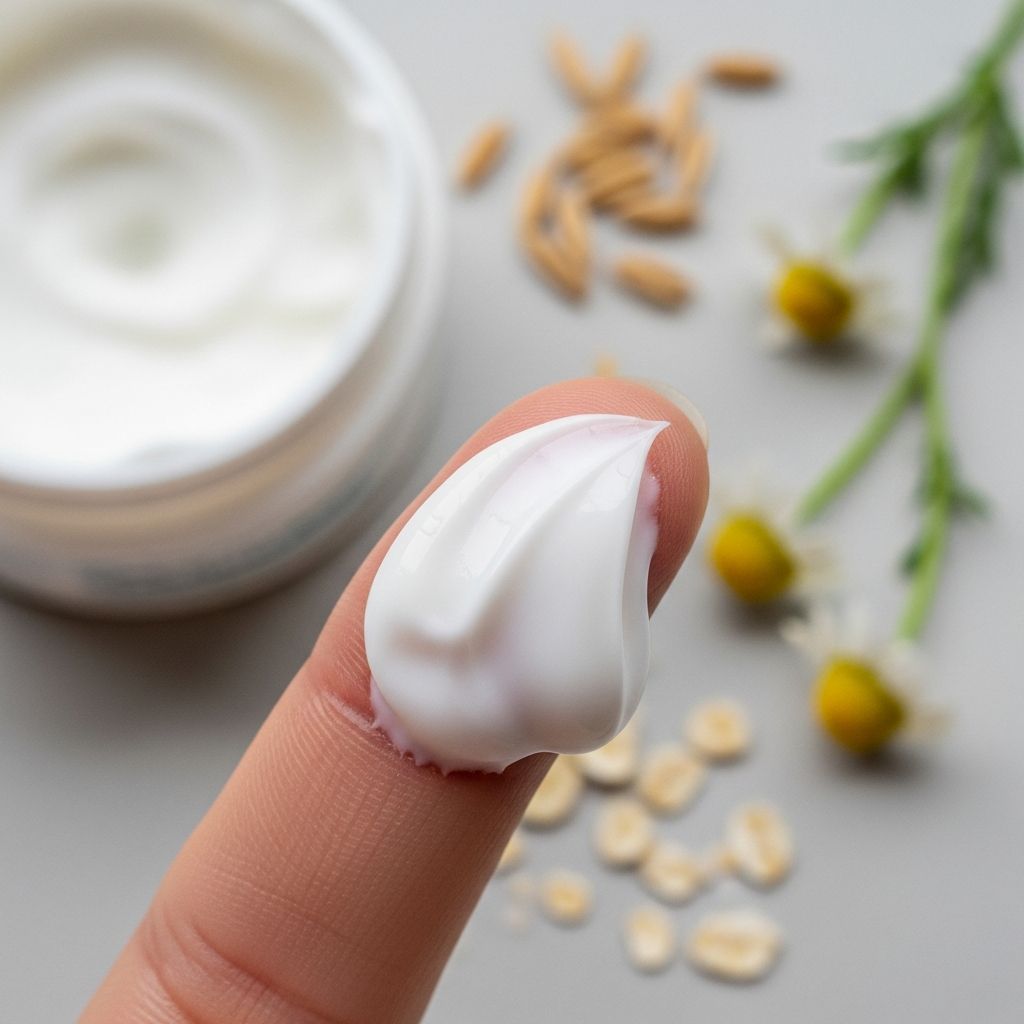
Emollients, commonly known as moisturisers, are a cornerstone treatment for eczema, particularly atopic eczema. They work by preventing the skin from drying out, which is a primary trigger for flare-ups. Regular use can significantly reduce itchiness, inflammation, and the frequency of eczema episodes.
How do emollients work?
Individuals with eczema often experience a defective skin barrier, leading to excessive moisture loss and vulnerability to irritants. Emollients address this by forming a protective oily layer on the skin surface. This layer replenishes natural oils, locks in hydration, and shields against environmental triggers like soaps, allergens, and harsh weather. Unlike topical steroids, which treat active inflammation, emollients primarily prevent flare-ups by maintaining skin suppleness and reducing dryness-induced itch.
A Cochrane review highlights that consistent emollient use prolongs remission periods, decreases flare frequency, and lowers reliance on corticosteroids, though no single product outperforms others universally. For best results, ‘complete emollient therapy’—incorporating creams, ointments, bath oils, and soap substitutes—is recommended.
Types of emollients
Emollients vary in consistency, absorption, and suitability for different skin areas or severities. Selection depends on dryness level, body region, and personal tolerance.
- Lotions: Light and non-greasy, ideal for mildly dry skin or hairy areas like the scalp. They absorb quickly but require frequent reapplication.
- Creams: Thicker than lotions with a good balance of oil and water. Suitable for moderate dryness; less messy than ointments but need more frequent use.
- Ointments: Greasy and occlusive, containing high oil content (e.g., petrolatum). Best for severe dryness, providing long-lasting protection but can feel heavy.
- Gels: Water-based and cooling, good for weepy or infected eczema but less moisturizing.
- Bath/shower additives and oils: Emulsify water to soften skin during bathing, offering background hydration.
Avoid products with fragrances, preservatives, or alcohol, as these can irritate eczema-prone skin. Aqueous cream, once popular, is now discouraged as a moisturiser due to its potential to worsen symptoms despite its soap-substitute origins. Opt for ‘greasy’ formulations like those with petrolatum, glycerin, or ceramides for superior barrier repair.
How to use emollients
Apply emollients liberally and frequently—ideally several times daily, especially after bathing or when skin feels dry. The ‘soak and seal’ method maximises efficacy: pat skin damp after washing, then apply within three minutes to trap moisture.
Key tips:
- Use clean hands or a spatula to avoid contamination.
- Apply in the direction of hair growth to prevent irritation.
- For children, top-to-toe application twice daily, plus after handwashing[10].
- Even clear skin benefits from daily use to prevent relapse.
A typical routine
For moderate-to-severe atopic eczema, integrate emollients into a comprehensive daily regimen.
- Morning:** Shower with emollient oil or soap substitute (e.g., thick ointment). Pat dry, apply cream/ointment to dry patches.
- Throughout day:** Reapply lotion/cream to hands, face, or itchy areas as needed.
- Evening bath:** Add bath oil, soak 5-10 minutes in lukewarm water. Use gentle cleanser if required, rinse, pat dry, apply thick ointment.
- Bedtime:** Generous layer of ointment for overnight protection.
This routine, using 250-500g weekly for adults (less for children), hydrates continuously and minimises flares.
Using moisturisers and topical steroids together
Emollients complement topical steroids: use emollients daily for maintenance, steroids sparingly for flares. Always apply emollient first, wait 10-15 minutes for absorption (skin should feel moist but not slippery), then steroid. This ensures steroid efficacy without dilution. Post-steroid course, continue emollients to sustain remission.
Related Stories



What if emollients don’t work?
If flare-ups persist despite regular use, consult a doctor. Factors include incorrect application, unsuitable product, infection, or need for additional therapies like antimicrobials or stronger steroids. Patch testing can identify allergies. Persistent cases may require specialist referral.
Other tips
- Skin barrier creams: Contain ceramides/lipids to repair barrier function.
- Ingredients to seek: Petrolatum, shea butter, oat, vitamin E, niacinamide.
- Avoid: Soap (use emollient substitutes), hot water, harsh fabrics.
- Storage: Keep at room temperature; ointments may solidify in cold.
Education on technique is vital for adherence.
Frequently Asked Questions (FAQs)
Q: How often should I apply emollients?
A: As often as needed, typically 2-3+ times daily or whenever skin dries. Frequency increases with severity.
Q: Are ointments better than creams?
A: Ointments provide superior occlusion for severe dryness but creams suit milder cases or daytime use.
Q: Can I use emollients with steroids?
A: Yes—emollient first, wait 10-15 minutes, then steroid.
Q: What if my skin stings?
A: Switch products; avoid irritants like fragranced lotions.
Q: Are bath oils necessary?
A: Helpful for full-body hydration but not essential if direct application suffices.
Table: Emollient Comparison
| Type | Best For | Pros | Cons |
|---|---|---|---|
| Lotion | Mild dryness, hairy skin | Quick-absorbing, non-greasy | Frequent reapplication |
| Cream | Moderate dryness | Balanced, easy to apply | Less occlusive |
| Ointment | Severe dryness | Long-lasting, protective | Greasy, messy |
References
- Atopic Eczema: Causes, Symptoms, and Treatment — Patient.info. 2023. https://patient.info/skin-conditions/atopic-eczema
- Atopic Dermatitis (Eczema): Symptoms and Treatment — Patient.info (Doctor). 2023. https://patient.info/doctor/paediatrics/atopic-dermatitis-and-eczema
- Atopic Eczema Patient Information Leaflet — Skin Health Info (PCDS). 2020-07-01. https://www.skinhealthinfo.org.uk/wp-content/uploads/2018/10/Atopic-eczema-PIL-July-2020-1-1.pdf
- Moisturizing for Eczema — National Eczema Association. 2024. https://nationaleczema.org/treatments/moisturizing/
- Topical Steroids for Eczema — Patient.info. 2023. https://patient.info/skin-conditions/atopic-eczema/topical-steroids-for-eczema
- Emollients and eczema creams — Patient.info. 2023. https://patient.info/skin-conditions/atopic-eczema/moisturisers-for-eczema-emollients
Similar Articles








Read full bio of Sneha Tete