How To Moisturize Your Vagina: Comprehensive Guide For Comfort
Discover effective ways to combat vaginal dryness with moisturizers, lubricants, and expert tips for lasting relief and comfort.
Vaginal dryness is a common issue that can cause discomfort, irritation, and pain during sex, affecting quality of life for many women, particularly those in menopause. Regular use of vaginal moisturizers and lubricants provides effective non-hormonal relief by hydrating tissues and improving elasticity.
What Causes Vaginal Dryness?
Vaginal dryness occurs when the vaginal walls lose natural lubrication, leading to thin, inflamed tissues. This is often due to declining estrogen levels in postmenopausal women, resulting in vulvovaginal atrophy (VVA), a key component of genitourinary syndrome of menopause (GSM). Symptoms include dryness, dyspareunia (painful sex), itching, burning, and urinary issues like dysuria or recurrent infections.
Other causes include:
- Menopause and perimenopause: Estrogen drop thins vaginal mucosa, reduces blood flow, and alters pH, worsening over time without treatment.
- Breastfeeding or postpartum: Hormonal shifts suppress estrogen, causing temporary dryness.
- Medications: Antihistamines, antidepressants, or cancer treatments can dehydrate tissues.
- Dehydration and lifestyle: Insufficient water intake disrupts vaginal secretions, while stress elevates cortisol, reducing blood flow to the area.
- Sexual inactivity: Infrequent intercourse leads to less natural lubrication and tissue maintenance.
Symptoms intensify with time since menopause and low sexual activity frequency. Early intervention prevents complications like microtears, infections, or sexual dysfunction.
Moisturizers vs. Lubricants: What’s the Difference?
Understanding the distinction is crucial for proper use. Moisturizers and lubricants serve different purposes in managing vaginal dryness.
| Aspect | Moisturizers | Lubricants |
|---|---|---|
| Purpose | Long-term hydration (daily/regular use) | Short-term relief during sex |
| Application | 1-3 times/week, adheres to mucosa | On-demand, before activity |
| Ingredients | Hyaluronic acid, polycarbophil, water-based | Water, silicone, or oil-based |
| Effects | Improves elasticity, pH, tissue integrity | Reduces friction, temporary lubrication |
| Best For | Mild-moderate dryness, ongoing care | Pain during intercourse |
Moisturizers mimic natural secretions, promoting sustained hydration and repair, while lubricants provide immediate slipperiness without absorption.
Best Vaginal Moisturizers
Choose products with vaginal pH (3.5-4.5) and low osmolality to avoid irritation. Water-based gels, creams, or suppositories with hyaluronic acid or aloe are ideal. They should be condom-compatible and free of parabens, glycerin, or fragrances.
- Hyaluronic acid-based: Facilitates cell migration, repairs inflammation, matches estrogen therapy for dryness and pH relief.
- Aloe vera and flax seed gels: Provide deep hydration; organic options release moisture as needed.
- Suppositories or creams: Easy insertion for internal use; apply regularly for best results.
Avoid oils like coconut for internal use if using condoms, as they degrade latex. Studies show moisturizers improve symptoms comparably to low-dose estrogen for mild cases.
How to Apply Vaginal Moisturizers
For optimal results, use consistently. Follow these steps:
- Prepare: Wash hands and vulva with mild, unscented soap; pat dry.
- Apply: Use applicator or clean fingers to insert a pea-sized amount inside vagina and on vulva. Massage gently.
- Frequency: 1-3 times weekly or as needed; daily for severe dryness.
- Tips: Lie down for 10-15 minutes post-application. Combine with pelvic floor exercises for better absorption.
Regular use enhances tissue pliability, reducing irritation from daily activities like walking or urinating.
Best Lubricants for Sex
Lubricants ease penetration and prevent pain. Water-based are safest with minimal irritation; silicone lasts longer but avoid with silicone toys.
Related Stories



- Water-based: Gentle, easy cleanup, condom-safe; fewer side effects.
- Silicone-based: Longer-lasting for extended sessions.
- Oil-based: Natural feel but condom-incompatible; for external use only.
Select pH-balanced, osmolality-matched products to prevent endothelial damage.
Natural Remedies and Home Tips
Complement products with lifestyle changes:
- Hydrate: Drink 8-10 glasses of water daily to support mucosal health.
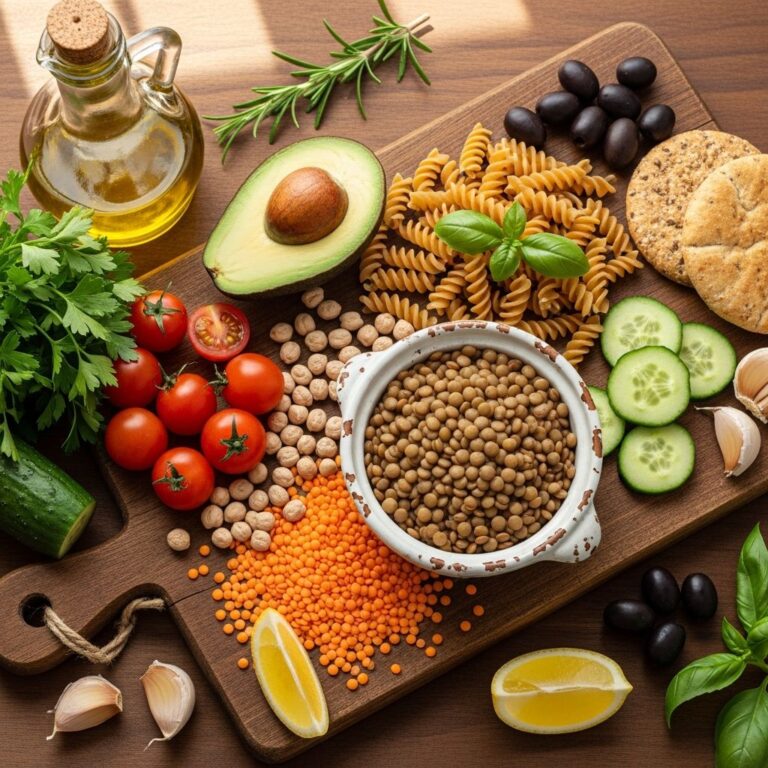
- Diet: Phytoestrogen-rich foods like soy, flaxseeds boost moisture.
- Exercise: Pelvic floor workouts improve circulation.
- Vitamin E oil: External application soothes vulva (consult doctor).
- Avoid irritants: Ditch douches, scented products, tight clothing.
These non-hormonal options are first-line for many women.
When to See a Doctor
Consult a gynecologist if dryness persists despite moisturizers, or with severe pain, bleeding, unusual discharge, or infections. They may recommend:
- Vaginal estrogen: Gold standard for GSM; creams, rings, or tablets restore tissues.
- Ospemifene: Oral selective estrogen modulator.
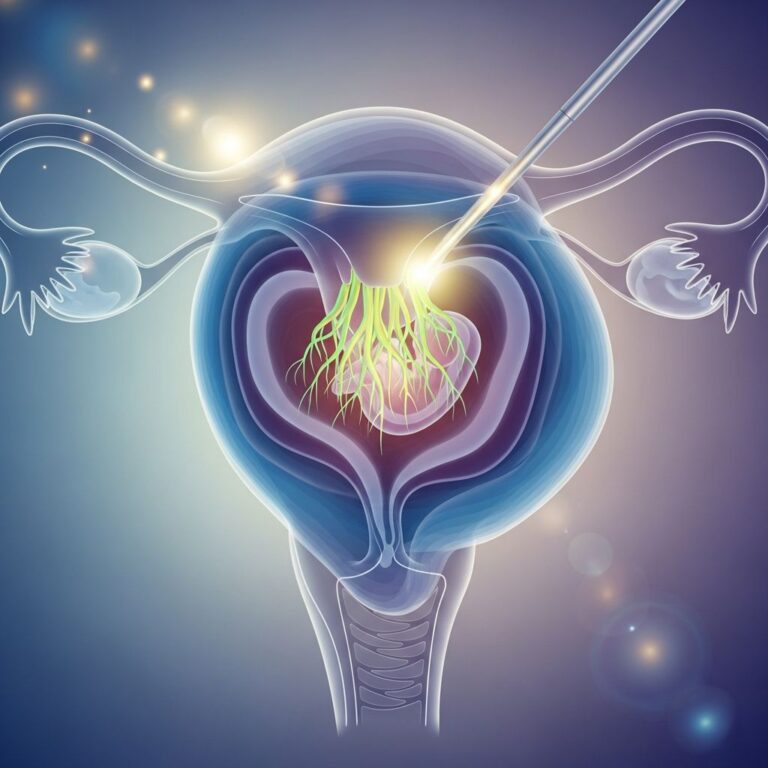
- Laser therapy: Stimulates collagen for some cases.
Screen for underlying issues like Sjögren’s syndrome or allergies.
Frequently Asked Questions (FAQs)
Can vaginal moisturizers replace lubricants?
No, moisturizers hydrate long-term, while lubricants provide instant friction relief during sex.
Are vaginal moisturizers safe during pregnancy?
Check with your doctor; many are, but avoid if history of preterm labor.
How long until I see results from moisturizers?
Improvements in 1-2 weeks with regular use; full benefits in 4-6 weeks.
Do lubricants affect condom efficacy?
Water/silicone-based do not; oil-based degrade latex.
Is vaginal dryness only a menopause issue?
No, it affects all ages due to hormones, meds, or dehydration.
Prevention Tips for Vaginal Health
Maintain moisture proactively:
- Stay sexually active to promote blood flow.
- Use breathable cotton underwear.
- Practice stress reduction like yoga.
- Monitor hydration and diet.
Non-hormonal options like moisturizers offer good efficacy with minimal side effects, ideal for estrogen-contraindicated women.
References
- Use of Moisturizers and Lubricants for Vulvovaginal Atrophy — PMC/NCBI. 2022-10-01. https://pmc.ncbi.nlm.nih.gov/articles/PMC9580673/
- Vaginal Moisturizer: What Is It, and Why Do You Need It? — Medicine Mama. 2023-01-15. https://medicinemama.com/blogs/vmagic/vaginal-moisturizer-what-is-it-and-why-do-you-need-it
- Our 5 Favorite Vaginal Moisturizers — Medical News Today. 2024-05-20. https://www.medicalnewstoday.com/articles/best-vaginal-moisturizers
- Vaginal Dryness During Menopause: Causes and Treatments — Hinge Health. 2024-08-10. https://www.hingehealth.com/resources/articles/vaginal-dryness-menopause/
Similar Articles








Read full bio of medha deb