Moisturizing For Eczema: 4 Essential Ingredients
Unlock the science behind effective moisturizing strategies to manage atopic dermatitis symptoms and strengthen skin barriers for lasting relief.

Atopic dermatitis, commonly known as eczema, affects millions by causing dry, itchy, and inflamed skin due to a compromised skin barrier. Moisturizers serve as the foundation of treatment, repairing this barrier, locking in hydration, and reducing flare-ups. This article delves into the mechanisms, product choices, and daily practices backed by medical guidelines to help manage symptoms effectively.
Understanding the Skin Barrier Breakdown in Eczema
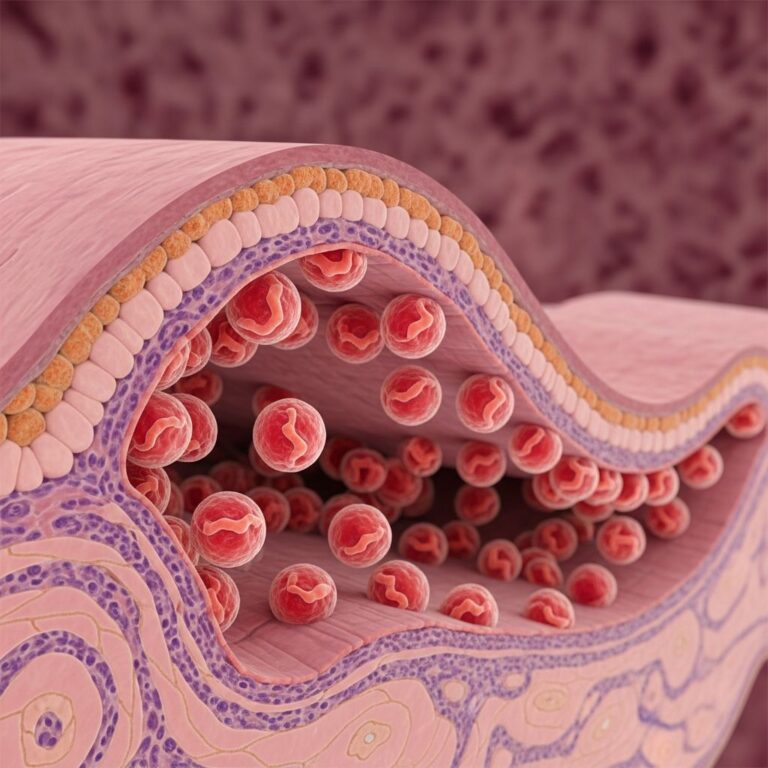
The skin’s outermost layer, the stratum corneum, acts as a protective shield, preventing water loss and blocking irritants. In atopic dermatitis, genetic and environmental factors disrupt this barrier, leading to transepidermal water loss (TEWL), dryness, and increased susceptibility to allergens. Moisturizers counteract this by replenishing lipids, attracting moisture, and forming protective films.
Key components include humectants like glycerin and urea, which draw water into the skin; emollients such as oils that soften and smooth; and occlusives like petrolatum that seal in moisture. Studies show regular use reduces TEWL and itch in atopic patients.
Core Ingredients Powering Effective Moisturizers
Selecting the right formulation is crucial for eczema-prone skin. High-quality moisturizers avoid irritants like fragrances, dyes, and alcohols.
- Glycerin and Urea: These humectants hydrate deeply. Urea at 10% concentration reduces TEWL and irritation in atopic skin, as shown in clinical trials.
- Petrolatum and Shea Butter: Occlusives like petrolatum create a robust barrier, ideal for severe dryness.
- Colloidal Oatmeal and Niacinamide: Soothe inflammation and support barrier repair, relieving itch without steroids.
- Ceramides: Rebuild lipid structures disrupted in eczema, enhancing long-term resilience.
Anti-inflammatory additives in some products may reduce reliance on corticosteroids for mild cases, but consult a dermatologist for allergies.
Types of Moisturizers: Matching to Severity and Preference
Moisturizer texture influences efficacy and tolerability. Guidelines recommend tailoring based on dermatitis severity, climate, and skin type.
| Type | Best For | Pros | Cons |
|---|---|---|---|
| Lotions | Mild dryness, humid climates | Light, quick-absorbing (e.g., CeraVe, Cetaphil) | Less occlusive, may need frequent reapplication |
| Creams | Moderate atopic dermatitis | Balances hydration and feel (e.g., Eucerin, Aveeno) | Contains water, potential for preservatives |
| Ointments | Severe flares, very dry skin | Superior barrier (e.g., Aquaphor, Vaseline) | Greasier, less acceptable for some |
For severe cases, zero-water ointments are preferred to maximize occlusion. In children, creams before school and ointments at night optimize compliance.
Optimal Application Techniques for Maximum Benefit
Timing and method amplify moisturizer efficacy. The “soak and seal” approach is gold standard: bathe briefly in lukewarm water, pat dry, and apply within three minutes while skin is damp.
- Soak 5-10 minutes in lukewarm water with colloidal oatmeal if needed.
- Gently cleanse without scrubbing.
- Pat dry, leaving skin damp.
- Apply thick layer of moisturizer liberally.
- Reapply at least twice daily, more in dry conditions.
This traps bath water, boosting hydration. Frequency varies: daily in winter, less in humid summers.
Integrating Moisturizers into Comprehensive Eczema Care
Moisturizers pair with other therapies for moderate-to-severe atopic dermatitis. Use alongside low-potency topical corticosteroids or calcineurin inhibitors on flare-prone areas weekly for maintenance.
Related Stories



Daily routines prevent 80% of flares when combined with trigger avoidance (e.g., harsh soaps, allergens). For infections, moisturizers support antibiotics; phototherapy complements in refractory cases.
Evidence from Clinical Guidelines and Studies
Authoritative bodies emphasize moisturizers as first-line. The American Academy of Pediatrics positions them as cornerstone for all severities. Asian-Pacific consensus highlights environmental factors in selection.
Double-blind studies confirm urea-based products reduce TEWL; glycerin hydrates rapidly in models. Mayo Clinic advocates twice-daily use with non-irritating formulas.
Common Pitfalls and How to Avoid Them
- Irritant Selection: Skip fragranced products; patch-test new ones.
- Inconsistent Use: Set reminders for twice-daily application.
- Overlooking Bathing: Hot water worsens dryness—stick to warm, short soaks.
- Age-Specific Needs: Infants need gentler options; adults tolerate ointments better.
FAQs on Moisturizing for Atopic Dermatitis
Can moisturizers replace prescription treatments?
No, they are foundational but complement topicals for inflammation control.
How often should I moisturize?
At least twice daily, immediately post-bath, adjusting for environment.
Are natural ingredients always safer?
Not necessarily; some like essential oils irritate. Opt for fragrance-free, tested formulas.
What if my skin stings from lotion?
Switch to ointment or barrier repair creams without preservatives.
Do moisturizers prevent flares long-term?
Yes, consistent use with maintenance therapy extends remission.
Building a Personalized Moisturizing Regimen
Start with patch-testing in mild areas. Track flares in a journal noting product, timing, and triggers. Consult dermatologists for custom plans, especially with comorbidities. Pediatric guidelines stress family involvement for child adherence.
In humid climates, lighter lotions suffice; arid areas demand ointments. Financial access influences choice—generics like petrolatum jelly are effective and affordable.
Advanced options include prescription barrier creams (e.g., EpiCeram) mimicking skin lipids. Emerging research explores anti-inflammatory moisturizers to taper steroids safely.
References
- Treatment of Atopic Dermatitis — American Academy of Pediatrics (AAP). Accessed 2026. https://www.aap.org/en/patient-care/atopic-dermatitis/treatment-of-atopic-dermatitis/
- The Role of Moisturizers in Addressing Various Kinds of Dermatitis — PMC (PubMed Central). 2018-03-29. https://pmc.ncbi.nlm.nih.gov/articles/PMC5849435/
- OTC Treatment for Atopic Dermatitis: What Are Your Options? — GoodRx. Accessed 2026. https://www.goodrx.com/health-topic/dermatology/otc-treatment-for-atopic-dermatitis
- Moisturizing for Eczema — National Eczema Association. Accessed 2026. https://nationaleczema.org/treatments/moisturizing/
- Atopic dermatitis (eczema) – Diagnosis and treatment — Mayo Clinic. Accessed 2026. https://www.mayoclinic.org/diseases-conditions/atopic-dermatitis-eczema/diagnosis-treatment/drc-20353279
Similar Articles








Read full bio of medha deb