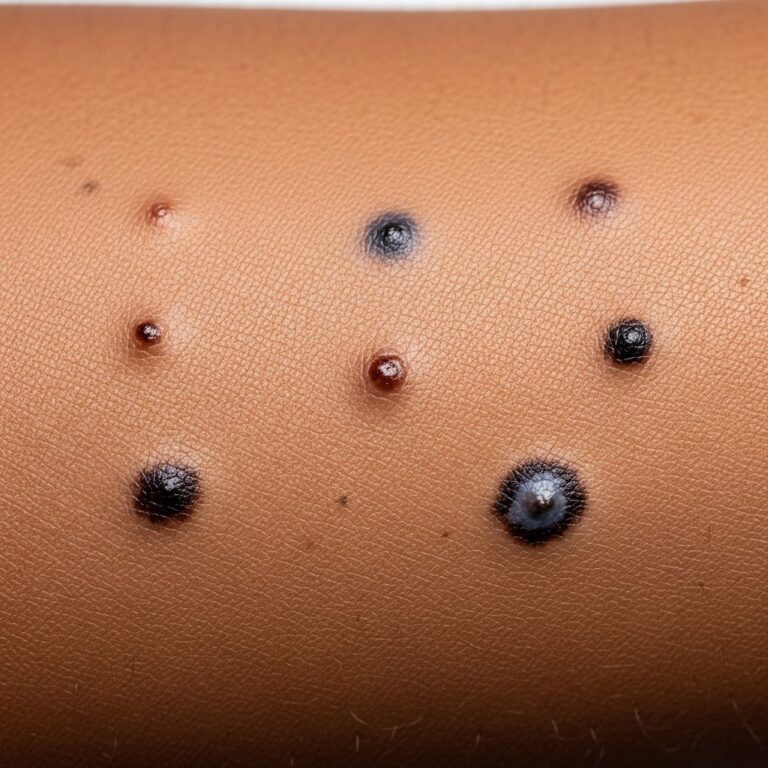
Mold Exposure Symptoms: Health Effects and When to Seek Help
Learn about mold exposure symptoms, risk factors, and when to contact your healthcare provider for respiratory issues.
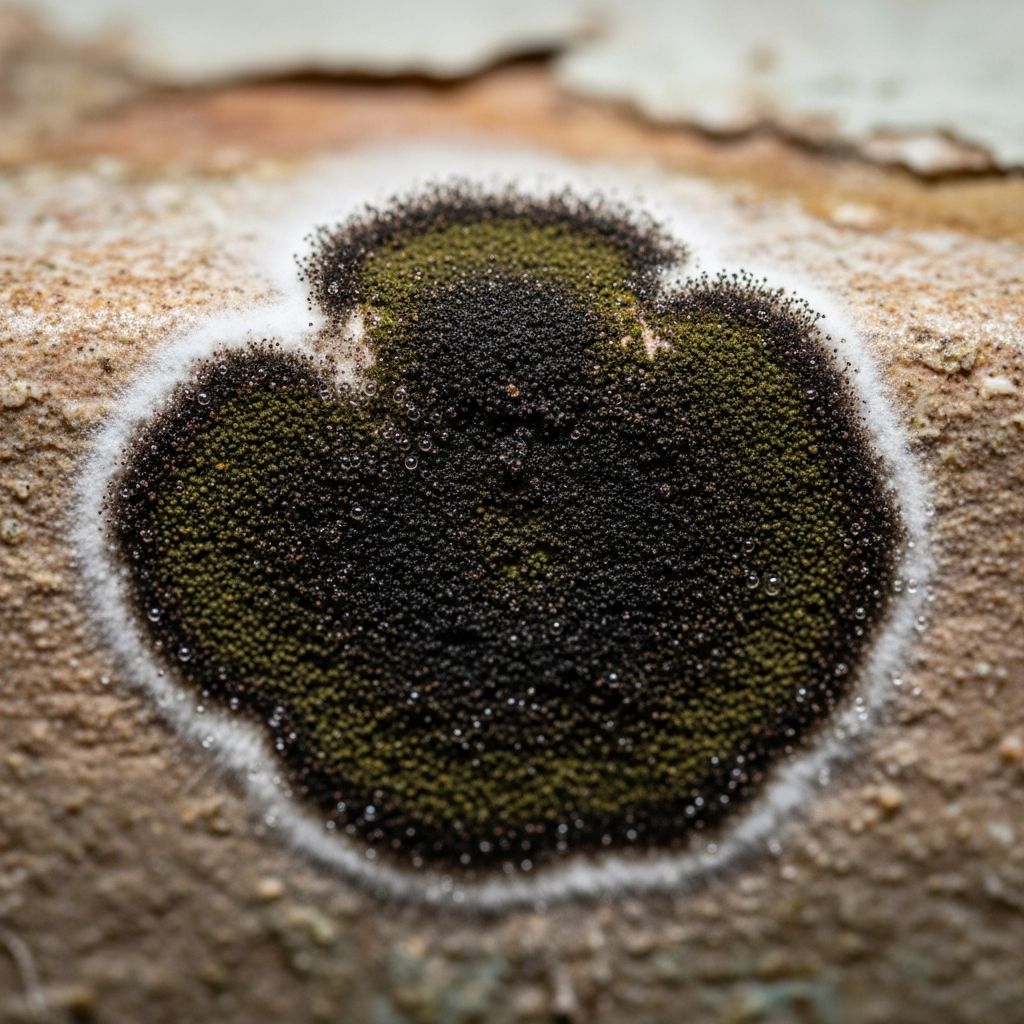
Understanding Mold Exposure and Its Health Effects
Mold is a type of fungus that grows in warm, damp environments and produces microscopic spores that can become airborne. While small amounts of mold exposure may not cause significant harm to most people, no species of mold is truly safe when inhaled. When mold spores enter your respiratory system or come into contact with your skin, they can trigger a variety of symptoms that range from mild to persistent. For many people, mold-related illness can be easily overlooked because symptoms often resemble seasonal allergies or the common cold, making it challenging to identify the underlying cause without proper investigation.
Mold produces two primary substances that affect human health: allergens that trigger allergic reactions, and irritants that can bother anyone exposed to them. Additionally, mold releases microbial volatile organic compounds (mVOCs) that create the distinctive musty smell associated with moldy environments. Understanding the connection between mold exposure and your symptoms is critical for getting appropriate treatment and preventing long-term health complications.
Common Mold Exposure Symptoms
Mold exposure affects people differently depending on their sensitivity levels and existing health conditions. For most people, symptoms develop when mold spores irritate the nose, throat, lungs, or skin. The following are the most commonly reported symptoms:
- Respiratory symptoms: Sneezing, nasal congestion, runny nose, scratchy throat, postnasal drip, and persistent cough
- Eye symptoms: Itchy, watery, or red eyes, and blurred vision
- Skin symptoms: Rash, hives, or general skin irritation
- Systemic symptoms: Headache and fatigue
These symptoms can appear immediately after exposure or develop over time, depending on whether you have mold allergies and your level of sensitivity. For individuals without mold allergies, symptoms may not appear at all, or they may be delayed. However, even non-allergic individuals can experience irritation from mold exposure, particularly from the volatile compounds it releases.
How Mold Affects People With Allergies
When you have a mold allergy, your immune system identifies mold spores as a threat and responds by creating immunoglobulin E (IgE) antibodies. These antibodies bind to mast cells in your mucus membranes, skin, and airways. During subsequent exposures to mold, your mast cells release histamine and other chemicals that trigger allergy symptoms within seconds to minutes. This rapid immune response explains why allergic individuals may experience symptoms almost immediately upon encountering mold.
The inflammatory chemicals released during an allergic reaction can cause ongoing inflammation beyond the initial allergic symptoms. This means symptoms may persist or worsen with continued exposure to the moldy environment. Understanding this mechanism is important because it highlights why removing yourself from a moldy environment often leads to symptom improvement.
Mold Exposure and Asthma
People with asthma face particular risks when exposed to mold, as research has shown that mold exposure can increase asthma risk in children and worsen symptoms in those already diagnosed with the condition. For individuals with existing asthma, mold exposure can trigger specific complications including:
Related Stories



- Wheezing and chest tightness
- Asthma flare-ups and attacks
- Difficulty controlling asthma symptoms with medications
The Institute of Medicine found sufficient evidence linking indoor mold exposure to asthma symptoms in people with asthma, making this a well-established health concern. People with asthma should take mold exposure seriously and work to minimize contact with moldy environments whenever possible.
Serious Health Risks for Vulnerable Populations
While most people experience only mild to moderate symptoms from mold exposure, certain groups face elevated risk for serious complications. These vulnerable populations include:
- People with chronic lung diseases: Conditions like COPD put individuals at higher risk for serious respiratory symptoms or infections from mold exposure
- Immunocompromised individuals: Those with weakened immune systems from conditions like immunodeficiency disorders or medications that suppress immunity may develop fungal infections in their airways or other body parts from mold exposure
- Workers in occupational settings: People exposed to large amounts of mold, such as farmers working around moldy hay, may experience severe reactions including fever and shortness of breath
For these populations, mold exposure is not merely an inconvenience but a potential health threat requiring careful monitoring and prevention strategies.
Long-Term Effects of Extended Mold Exposure
While acute mold exposure typically causes temporary symptoms that resolve once exposure ends, extended or chronic exposure to mold has been associated with more serious long-term health effects. Research suggests that prolonged mold exposure may contribute to:
- Cognitive issues: Short-term memory loss, lightheadedness, dizziness, and difficulty concentrating (often called “brain fog”)
- Mental health concerns: Increased levels of depression, anxiety, and stress in both children and adults
- Immune system changes: Long-term exposure to inhaled mycotoxins may promote inflammation and alter immune function
These longer-term effects underscore the importance of addressing mold problems promptly rather than ignoring them, especially in living and working spaces where extended exposure occurs.
Identifying Whether Mold Is Causing Your Symptoms
Because mold symptoms closely resemble seasonal allergies and colds, identifying mold as the culprit requires careful observation and environmental awareness. Healthcare providers recommend paying attention to when and where your symptoms arise. Specifically, note whether your symptoms worsen in particular locations—such as your home, workplace, or a specific room—and improve when you leave that environment. This pattern of symptom onset and improvement strongly suggests that mold may be a contributing factor.
Environmental clues can also help: a musty odor in your home, visible mold growth, water damage, or persistent dampness all indicate potential mold problems. If you notice your symptoms correlating with these environmental factors, mold exposure is likely involved.
When to Contact Your Healthcare Provider
Not every case of mold exposure requires medical attention, but certain situations warrant a conversation with your doctor. You should contact your healthcare provider if you experience:
- Persistent or worsening symptoms: Symptoms that don’t improve after leaving the moldy environment or that continue to worsen despite avoidance
- Difficult-to-control asthma: Changes in your asthma pattern or increased difficulty managing symptoms with your regular medications
- Signs of infection: Fever, chills, or other indicators of a respiratory or fungal infection
- Underlying chronic conditions: If you have chronic respiratory disease, mold allergies, or a compromised immune system, discuss mold exposure with your doctor even if symptoms seem mild
Your healthcare provider can monitor your symptoms, perform allergy testing if appropriate, and adjust your treatment plan as needed. They may also refer you to an allergist for skin testing to confirm mold allergies.
Mold Exposure in Different Environments
Mold can grow in virtually any environment with sufficient moisture and warmth. Common indoor locations where mold develops include bathrooms, basements, kitchens, and areas with water damage. Occupational settings present different challenges, particularly for workers in agriculture, construction, or water-damaged building restoration. Understanding where mold is likely to grow helps you take preventive measures to protect your health.
Recovery and Symptom Resolution
The good news is that mold-related symptoms typically improve once mold exposure ends. For most people with allergic or irritant symptoms, simply removing yourself from the moldy environment initiates symptom improvement. Avoiding continued exposure allows your immune system to normalize and inflammation to decrease. In cases where symptoms persist despite environmental removal, medications can help manage discomfort while your body recovers.
It’s important to note that there is no scientific evidence that mold toxins cause diseases requiring specialized “detoxification” treatments. Instead, the most effective approach involves eliminating exposure and allowing your body’s natural healing processes to work.
Frequently Asked Questions About Mold Exposure
Q: Is black mold more dangerous than other types of mold?
A: No. Black mold is not inherently more dangerous than other mold types. All types of mold can affect people with mold allergies, and the severity of symptoms depends more on individual sensitivity than on the specific mold species.
Q: How quickly do mold symptoms appear?
A: Symptom onset varies based on your allergies and sensitivities. If you’re allergic to mold, symptoms may appear immediately or within seconds to minutes of exposure. If you’re not allergic, you may not experience symptoms at all, or symptoms may develop gradually over time.
Q: Can mold exposure cause serious illnesses like memory loss or bleeding?
A: There is no scientific evidence that mold exposure causes serious conditions such as acute idiopathic pulmonary hemorrhage in infants, memory loss from direct mold toxins, nosebleeds, or mood disorders. While extended exposure may be associated with cognitive changes and mood effects in some individuals, these are not direct toxic effects from mold itself.
Q: What should I do if I think I have mold in my home?
A: If you suspect mold, address moisture issues immediately, as mold requires damp conditions to grow. Consider having a professional inspect your home if you notice water damage or persistent dampness. Proper ventilation, dehumidification, and prompt repair of leaks are essential for mold prevention.
Q: Are there medications to treat mold allergies?
A: While there’s no cure for mold allergies, healthcare providers can prescribe or recommend over-the-counter medications to manage your symptoms. These may include antihistamines, decongestants, nasal corticosteroids, or asthma medications, depending on your specific symptoms and medical history.
Prevention and Protection Strategies
Preventing mold exposure is more effective than treating symptoms after exposure occurs. Key prevention strategies include maintaining indoor humidity below 50%, ensuring proper ventilation in bathrooms and kitchens, promptly repairing water leaks, and using dehumidifiers in damp areas. Regular cleaning and inspection of areas prone to moisture can prevent mold growth before it becomes a health problem. For people with known mold allergies or compromised immune systems, these preventive measures are especially important.
References
- Can Mold Make You Sick? — Geisinger Health System. December 18, 2025. https://www.geisinger.org/health-and-wellness/wellness-articles/2025/12/18/14/59/mold-exposure-sickness-symptoms
- Black Mold Exposure: Symptoms, Risks & Treatment — Cleveland Clinic. https://my.clevelandclinic.org/health/diseases/24862-black-mold
- Mold — National Institute of Environmental Health Sciences (NIEHS). https://www.niehs.nih.gov/health/topics/agents/mold
- Mold – CDC — Centers for Disease Control and Prevention. https://www.cdc.gov/mold-health/about/index.html
- Mold and Health — U.S. Environmental Protection Agency (EPA). https://www.epa.gov/mold/mold-and-health
Similar Articles








Read full bio of Sneha Tete