Mold in the Home: Identifying and Treating to Prevent Health Problems
Learn how to identify, treat, and prevent mold growth in your home to protect your family's health.
Mold in the Home: Identifying and Treating the Issue to Prevent Health Problems
Mold is a common household problem that many homeowners face, yet it remains frequently overlooked or misunderstood. While all buildings and homes naturally contain different types of molds, excessive growth poses significant health risks that warrant immediate attention and action. Understanding how to identify mold, recognize its health implications, and implement effective treatment strategies is essential for maintaining a healthy living environment for you and your family.
Understanding Mold Growth in Homes
Mold is a type of fungus that thrives in damp, humid environments. It grows in homes when moisture accumulates in carpets, on surfaces, and inside walls. The relationship between moisture and mold is direct and predictable: if any part of a home is exposed to flooding or leaks and is not fully dried within 24 to 48 hours, mold growth is almost certain. This timeline is critical for homeowners to understand, as prompt drying can prevent the development of mold colonies that become increasingly difficult to manage.
Mold can develop in various locations throughout your home, but certain areas are more susceptible than others. Bathrooms and kitchens, with their high moisture levels, are common hotspots. Basements and crawl spaces frequently experience moisture problems, particularly in homes with poor drainage or foundation cracks. Even less obvious areas like inside walls and HVAC systems can harbor hidden mold growth, sometimes without any visible signs.
Health Effects of Mold Exposure
The health consequences of mold exposure range from mild allergic reactions to severe respiratory conditions. For some people, exposure to certain mold species triggers an immune response that can produce a range of persistent health symptoms. The mechanisms behind these health effects are still being researched, with scientists exploring multiple theories about how mold affects human health.
Common Health Symptoms
The most well-documented health effects of mold exposure are respiratory in nature. Common symptoms include:
- Congestion and nasal issues
- Asthma flare-ups and exacerbation
- Persistent cough
- Bronchitis
- Sore throats
- Skin irritation
Research has consistently demonstrated associations between indoor dampness or mold presence and cough. Studies report statistically significant associations with odds ratios ranging from 1.3 to over 5.0, indicating that people exposed to damp conditions or visible mold are substantially more likely to experience persistent cough.
Severe Health Complications
While respiratory symptoms are the most common, prolonged exposure to mold can lead to more serious complications. Hypersensitivity pneumonitis, a rare form of lung inflammation, can develop in susceptible individuals. Additionally, certain molds produce mycotoxins—naturally occurring toxins that can cause neurological damage, liver disease, and kidney dysfunction. These more severe health effects underscore the importance of prompt mold identification and remediation.
How Mold Affects Different Individuals
The degree of risk from mold exposure varies based on individual factors. People with compromised immune systems, those with known mold sensitivity, individuals with allergies to mold species, and those with pre-existing respiratory conditions face greater health risks. However, even healthy individuals can experience symptoms when exposed to high concentrations of mold spores.
The Science Behind Mold-Related Health Problems
Scientists continue to investigate the precise mechanisms by which mold causes health problems. One generally accepted theory suggests that certain mold species release small molecules called mycotoxins, which can trigger reactions in mold-sensitive people. These toxic compounds can accumulate in body tissues and may not be eliminated quickly, leading to persistent symptoms.
Related Stories



Another emerging theory involves microbial volatile organic compounds (mVOCs), such as mold spores, which may cause physical health problems through different pathways. Researchers at Yale University and other institutions continue to study how people are exposed to these pathogens and allergens in buildings. While the Centers for Disease Control and Prevention and Environmental Protection Agency acknowledge that mold can cause respiratory health problems, they note that more research is needed to confirm other potential effects such as lethargy and memory loss.
Identifying Mold in Your Home
Effective mold management begins with identification. However, mold isn’t always visible to the naked eye, making detection challenging for many homeowners. Learning to recognize visible signs and knowing when to conduct professional testing is crucial.
Visual Indicators of Mold
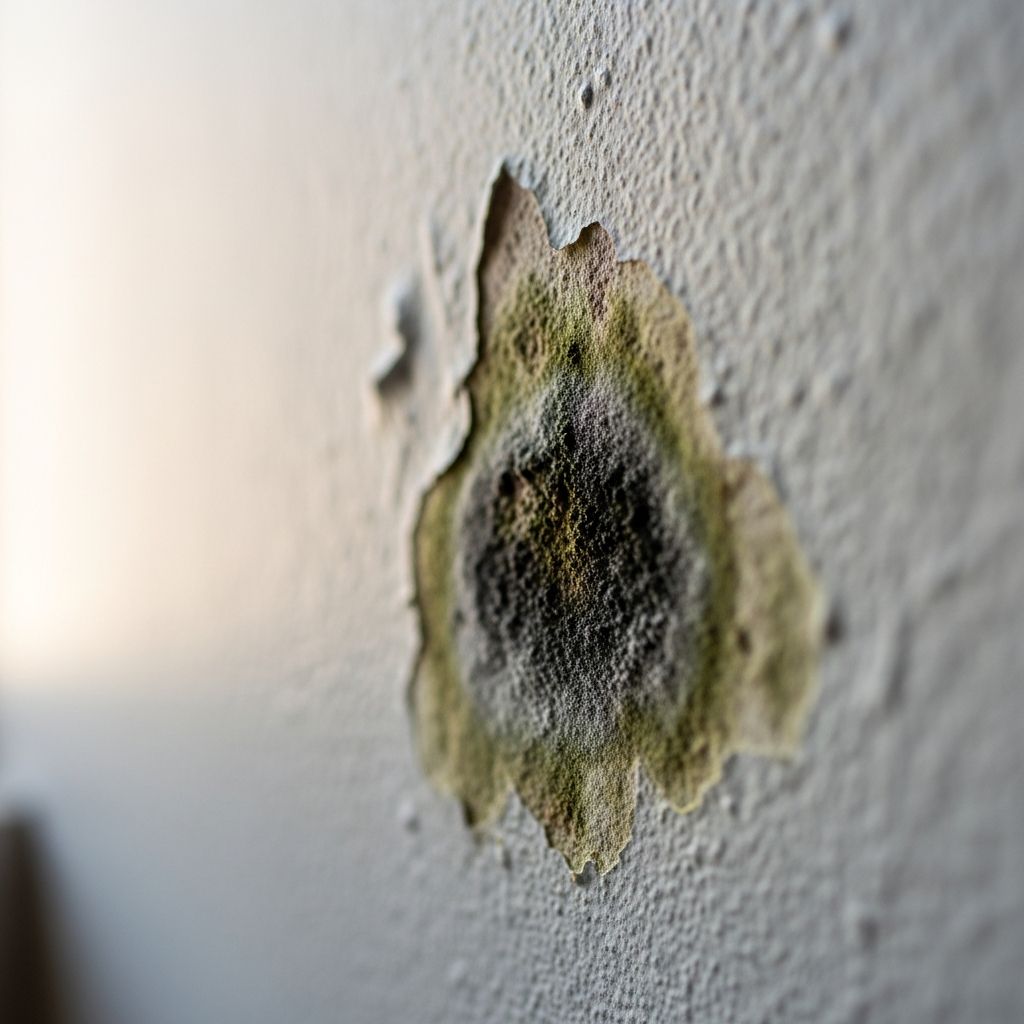
The most obvious sign of mold is visible growth on surfaces. This may appear as dark spots, discoloration, or fuzzy patches on walls, ceilings, bathrooms, or other areas. Black mold (Stachybotrys chartarum) is particularly concerning, though many other mold species pose health risks as well. Water stains, discoloration on walls or ceilings, and areas that smell musty are often indicators of hidden moisture and potential mold growth.
Hidden Mold Detection
The challenge with mold is that it often grows in places you cannot see. Inside walls, behind baseboards, under carpets, and within HVAC systems, mold can thrive undetected for months or even years. This hidden growth is particularly concerning because exposure continues without the occupants’ knowledge. One family discovered toxic mold spores growing inside their walls due to excessive condensation in the HVAC system, with no visible signs of the problem.
Testing for Mold
If you suspect mold but cannot identify it visually, several testing methods are available. The Environmental Relative Moldiness Index (ERMI) tool can be used to screen for the presence of water damage and estimate mold contamination levels. This test involves collecting dust samples that are analyzed for mold spore concentrations. Air and dust tests can identify specific mold species present in your home, providing valuable information for targeted remediation efforts.
It’s important to note that the American Academy of Family Physicians recommends that doctors not administer mold sensitivity tests to patients unless they are showing clear allergy or asthma symptoms. Professional mold testing should be considered when you have evidence of water damage, visible mold, or persistent symptoms that correlate with time spent in specific areas of your home.
Moisture Control and Prevention
Preventing mold growth is far more effective and cost-efficient than dealing with established mold problems. The foundation of mold prevention is moisture control. By managing humidity levels and promptly addressing water issues, you can dramatically reduce the likelihood of mold development.
Essential Prevention Strategies
Effective mold prevention includes several key practices:
- Fix water leaks immediately, regardless of size
- Remove water-damaged materials promptly, particularly carpeting in bathrooms, kitchens, and basements
- Install and maintain exhaust fans in high-humidity areas like bathrooms and kitchens
- Ensure clothes dryers are vented to the outside of the building
- Maintain indoor humidity levels below 50 percent
- Ensure proper ventilation throughout the home
- Address condensation on windows and pipes
Building Design Considerations
Emerging research suggests that building design plays a significant role in mold susceptibility. Factors such as building air tightness, bathroom exhaust fan airflow rates, window treatments, and roof age all influence indoor mold risk. Harvard researchers are exploring how changing weather patterns could make certain wood-framed residential buildings in areas like Philadelphia and Washington, D.C. more susceptible to mold growth in the future, emphasizing that traditional building designs may need updating to accommodate evolving climate conditions.
Treating Existing Mold Problems
Once mold has been identified in your home, prompt treatment is essential. The approach depends on the extent of contamination, the mold species involved, and the affected materials.
Professional Remediation
Contaminated materials should be cleaned under appropriate conditions using proper equipment. Professional remediation typically involves using vacuum cleaners with HEPA filtration and employing proper personal protective equipment. For extensive mold contamination, it may be necessary to remove and replace affected materials entirely, particularly porous materials like drywall and insulation that cannot be adequately cleaned.
Health Precautions During Remediation
It’s important to note that mold poses the same potential health hazard whether active or dormant. During remediation efforts, staff members with compromised immune systems or known mold sensitivity should not have contact with active mold. Proper protective equipment, including respirators rated for mold spores, should be used by anyone directly handling contaminated materials.
When to Vacate Your Home
In cases of significant mold contamination, particularly when mold is growing inside walls or HVAC systems, occupants may need to vacate the home until remediation is complete. One family discovered toxic mold in their walls and had to leave their home, requiring extensive remediation before they could safely return.
Climate Change and Future Mold Risks
Climate change presents new challenges for mold management in homes. As weather patterns shift, buildings designed for historical climate conditions may become more susceptible to moisture problems and mold growth. Researchers at Harvard’s Graduate School of Design are investigating these emerging risks, recognizing that what happens when climates shift could significantly alter the mold problem landscape. This research may lead to updated building codes and design standards that better address mold risks in changing environmental conditions.
Frequently Asked Questions
Q: How quickly does mold grow after water exposure?
A: Mold growth is almost certain if any part of a home is exposed to flooding or leaks and is not fully dried within 24 to 48 hours. This makes rapid drying of water-damaged areas critical for prevention.
Q: Can I clean mold myself or should I hire a professional?
A: Small areas of mold may be cleaned with appropriate protective equipment, but extensive contamination typically requires professional remediation. People with compromised immune systems or mold sensitivity should avoid direct contact with mold.
Q: What is the Environmental Relative Moldiness Index (ERMI)?
A: The ERMI is a testing tool that screens for the presence of water damage and estimates mold contamination levels by analyzing dust samples from your home.
Q: Are all molds toxic black mold?
A: No. While Stachybotrys chartarum (black mold) is particularly concerning, many other mold species can cause health problems. The specific species and concentration determine the health risk.
Q: How can I reduce humidity to prevent mold?
A: Install exhaust fans in bathrooms and kitchens, ensure proper ventilation, vent clothes dryers outside, fix leaks promptly, and maintain indoor humidity below 50 percent.
Q: Can mold grow inside walls without showing visible signs?
A: Yes. Mold frequently grows inside walls, behind baseboards, and within HVAC systems without visible indicators. This hidden growth makes professional testing important when you suspect mold problems.
References
- Toxic Mold Can Hurt Your Health—Climate Change Could Make It Worse — Women’s Health Magazine. 2024-04-10. https://www.womenshealthmag.com/health/a62412519/how-to-identify-toxic-black-mold/
- Human Health Effects Associated with Damp Indoor Environments — National Center for Biotechnology Information (NCBI), National Institutes of Health. 2004. https://www.ncbi.nlm.nih.gov/books/NBK215639/
- A Hidden Health Crisis Following Natural Disasters: Mold Growth in Homes — KFF Health News. 2024. https://kffhealthnews.org/news/article/mold-health-crisis-natural-disasters-public-health/
- Managing Mold Contamination — Harvard University Preservation Services. https://preservation.library.harvard.edu/managing-mold-contamination
- Predicting Indoor Mold Growth After Hurricanes With Machine Learning — Harvard T.H. Chan School of Public Health, Healthy Buildings Program. 2024. https://healthybuildings.hsph.harvard.edu/predicting-indoor-mold-growth-after-hurricanes-with-machine-learning/
Similar Articles








Read full bio of Sneha Tete