Mole Removal: Procedures, Aftercare & Scarring
Learn about mole removal techniques, recovery, and what to expect from your dermatologist.
What Is Mole Removal?
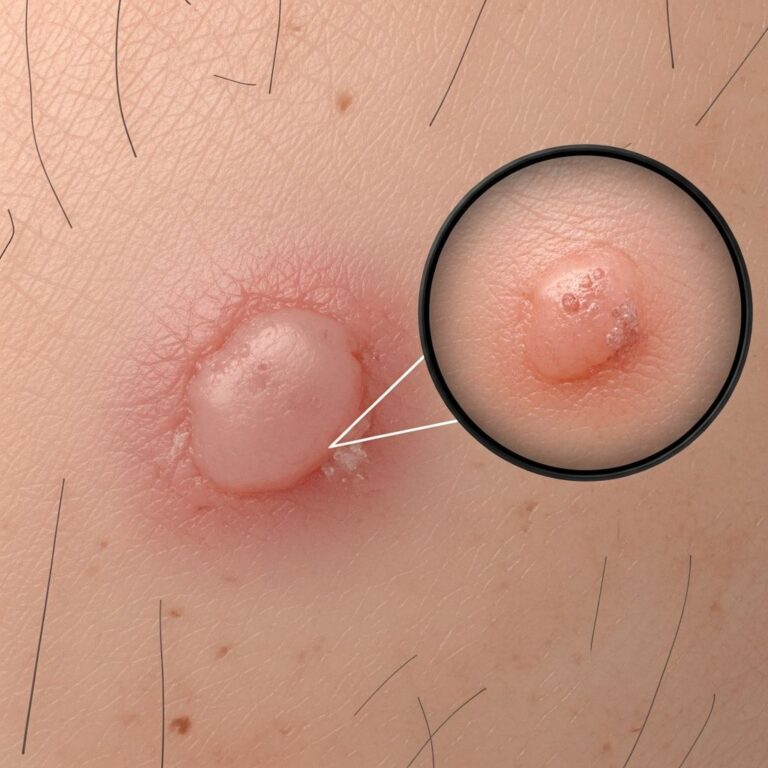
Mole removal is a common outpatient procedure performed by dermatologists to treat suspicious moles or for cosmetic reasons. Moles, also known as nevi, are clusters of pigmented cells that can appear anywhere on the skin. While most moles are harmless, some may be atypical or potentially cancerous, requiring removal and further testing. Mole removal is a quick, minimally invasive procedure that can be performed in a dermatologist’s office.
Why Is Mole Removal Done?
- Medical reasons: Removal of suspicious moles to check for skin cancer or precancerous changes.
- Biopsy: If a mole looks unusual, your dermatologist may remove it to send a sample for laboratory analysis.
- Curative treatment: If the mole is cancerous and hasn’t spread, removal may be curative.
- Cosmetic reasons: Some people choose to remove moles for aesthetic purposes.
Preparing for Mole Removal
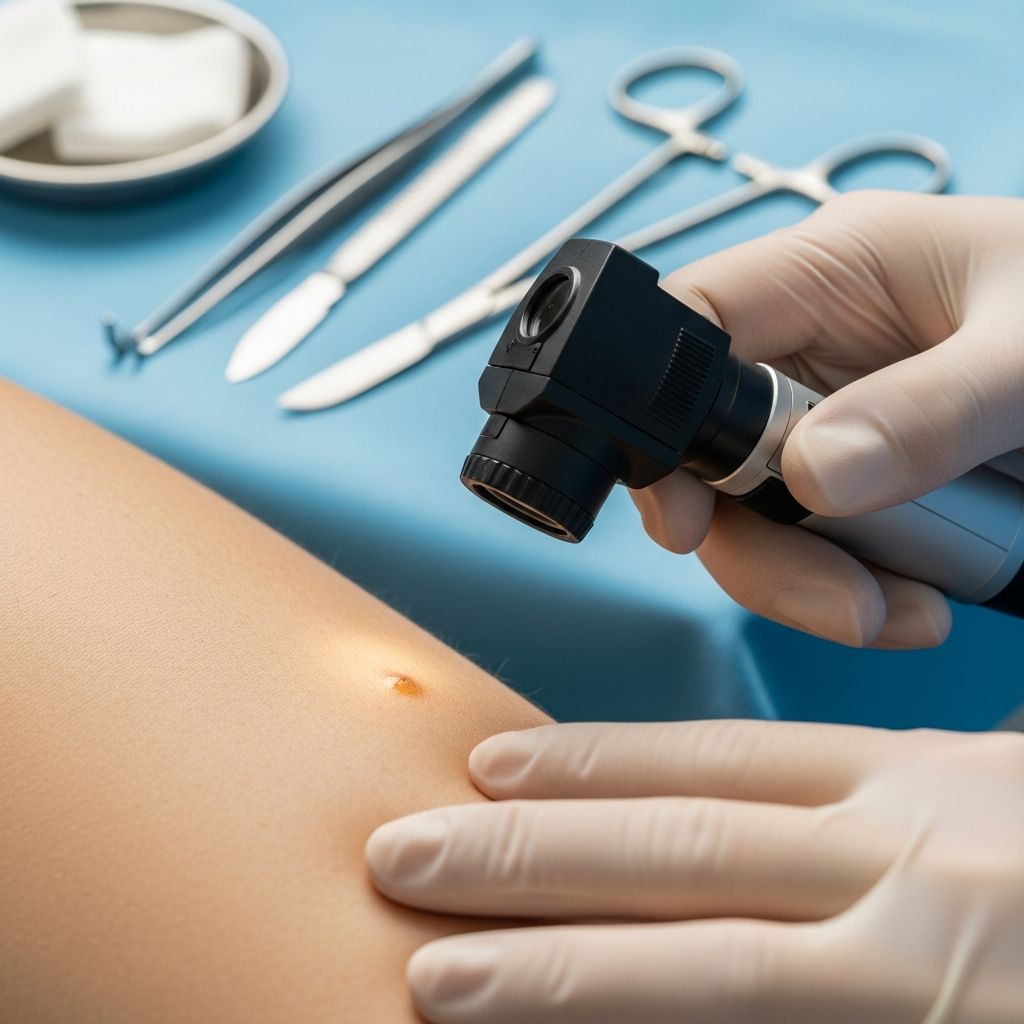
Before the procedure, your healthcare provider will inspect your skin and may take photographs of your moles for future comparison. They may use a dermoscope—a specialized tool that magnifies the skin—to closely examine the mole and determine the best removal method.
What Happens Before the Procedure?
- The area around the mole is cleaned.
- Your provider will mark the skin to indicate the area to be removed.
- Numbing medicine (anesthetic) is applied, either topically or via injection, to minimize discomfort.
Types of Mole Removal Procedures
There are two main methods for mole removal: surgical excision and shave excision. Each has its own benefits and risks, and your dermatologist will recommend the best option based on the mole’s characteristics.
Surgical Excision
Surgical excision is the most common technique for removing moles, especially those that are suspicious or deep.
- The area is cleaned and numbed.
- A scalpel is used to cut out the mole and a small margin of healthy skin around it.
- Forceps may be used to lift the mole away.
- Bleeding is controlled by applying pressure or cauterizing the area.
- Stitches are used to close the wound.
Shave Excision
Shave excision is often used for raised moles that are not suspicious.
- The area is cleaned and numbed.
- A single or double-bladed razor is used to shave the mole off to the level of the surrounding skin.
- The area may be lightly cauterized to improve the appearance of the scar.
- Stitches are usually not needed.
Other Mole Removal Methods
While surgical and shave excision are the most common, other techniques have been used in the past:
- Laser removal: Uses targeted light to destroy mole tissue. No tissue sample is obtained, so it’s not suitable for suspicious moles.
- Cautery (electric current): Burns off the mole. Again, no tissue sample is available for biopsy.
- Cryotherapy (liquid nitrogen): Freezes the mole off. Not recommended for suspicious moles due to lack of biopsy sample.
Related Stories



What to Expect During the Procedure
Mole removal is a quick and generally painless procedure, as long as the area is properly numbed. Most procedures take less than 30 minutes. You may feel a brief stinging or burning sensation when the anesthetic is injected, but the removal itself should not be painful.
Aftercare and Recovery
Proper aftercare is essential to promote healing and minimize scarring.
- Keep the area clean and moist with petroleum jelly (Vaseline®) for a few days.
- Cover the area with a bandage.
- Clean the wound daily.
- Avoid picking at the scab or exposing the area to direct sunlight.
- Follow your dermatologist’s instructions for wound care.
Potential Risks and Complications
Like any surgical procedure, mole removal carries some risks:
- Infection
- Bleeding
- Scarring
- Recurrence of the mole (more common with shave excision)
- Changes in skin pigmentation
Benefits of Mole Removal
- Allows for biopsy to check for skin cancer.
- Can be curative for early-stage skin cancer.
- Improves cosmetic appearance.
- Provides peace of mind for suspicious moles.
When to See a Dermatologist
You should see a dermatologist if you notice any changes in a mole, such as:
- Change in size, shape, or color
- Itching, bleeding, or crusting
- Irregular borders
- Multiple colors within the mole
Frequently Asked Questions (FAQs)
Is mole removal painful?
No, mole removal is not painful when the area is properly numbed. You may feel a brief stinging sensation from the anesthetic injection, but the procedure itself should be painless.
How long does mole removal take?
Most mole removal procedures take less than 30 minutes, depending on the size and method used.
Will I have a scar after mole removal?
Yes, mole removal usually leaves a scar, but the size and appearance depend on the method used and your skin type. Surgical excision tends to leave a more noticeable scar than shave excision.
Can moles come back after removal?
Moles removed by shave excision are more likely to come back than those removed by surgical excision. If a mole does return, it should be evaluated by a dermatologist.
Can I remove a mole at home?
No, mole removal should only be performed by a qualified healthcare provider. At-home removal can lead to infection, scarring, and missed diagnosis of skin cancer.
Conclusion
Mole removal is a safe and effective procedure for treating suspicious moles or for cosmetic reasons. With proper aftercare, most people heal well and are satisfied with the results. If you have any concerns about a mole, consult a dermatologist for evaluation and treatment.
References
- Mole Removal: Surgery, Aftercare & Scars — Cleveland Clinic. 2023. https://my.clevelandclinic.org/health/treatments/23312-mole-removal
- What Happens When You Get a Mole or Skin Tag Removed? — WebMD. 2023. https://www.webmd.com/skin-problems-and-treatments/mole-or-skin-tag-removal
- Is It Safe for a Dermatologist to Remove a Mole? — Children’s Skin Center. 2023. https://www.childrensskincenter.com/2025/10/10/is-it-safe-for-a-dermatologist-to-remove-a-mole/
Similar Articles








Read full bio of medha deb