Molluscum Contagiosum: Understanding This Common Viral Skin Infection
A comprehensive guide to recognizing, treating, and managing molluscum contagiosum
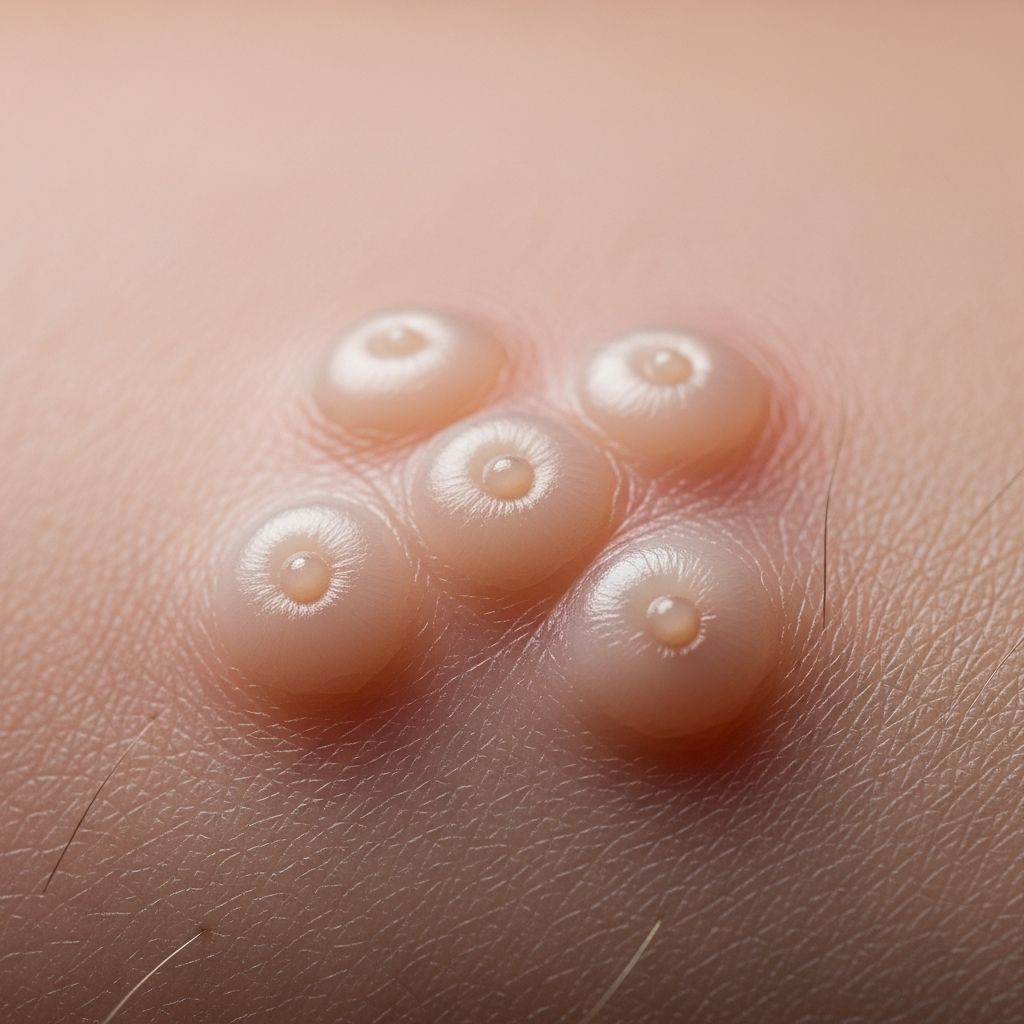
Molluscum contagiosum is a widespread viral skin infection caused by a poxvirus that affects individuals across all age groups, though it is particularly prevalent in children. The condition produces characteristic small, raised bumps on the skin that can appear individually or in clusters on various body areas. While not considered a serious health threat, molluscum contagiosum can persist for extended periods and cause significant cosmetic concern or discomfort for affected individuals. Understanding this infection’s characteristics, transmission methods, and available treatment approaches enables patients and healthcare providers to make informed decisions about management strategies.
What Causes Molluscum Contagiosum?
Molluscum contagiosum results from infection with the molluscum contagiosum virus (MCV), which belongs to the poxvirus family. This pathogenic microorganism gains entry to the skin through direct contact with infected individuals or contaminated surfaces. The virus replicates within skin cells, triggering the characteristic lesion formation that defines this condition. Several risk factors increase susceptibility to infection, including compromised immune function, participation in contact sports, attendance at crowded childcare settings, and poor hygiene practices. Adults may acquire molluscum contagiosum through sexual contact with infected partners, resulting in lesion distribution in genital areas.
Recognizing the Clinical Presentation
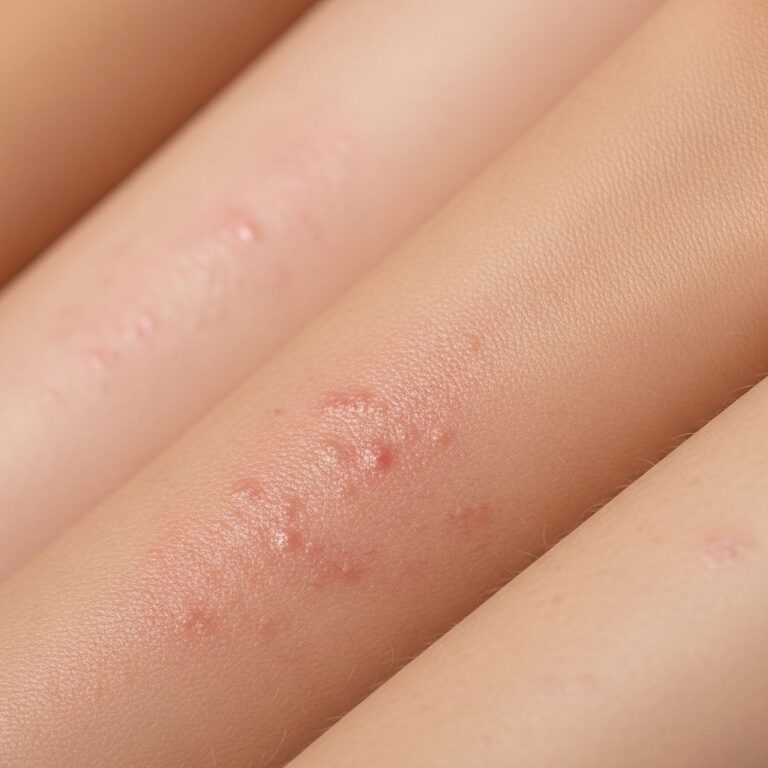
The visual appearance of molluscum contagiosum lesions follows a distinctive pattern that facilitates clinical diagnosis. The bumps typically present as small, firm, raised structures measuring from pinhead size to approximately one-quarter inch in diameter. A characteristic central indentation or dimple frequently appears at the lesion’s apex, distinguishing molluscum contagiosum from other skin conditions. The bumps usually display white, pink, or skin-colored appearances, though they may become inflamed and appear red or swollen in response to scratching or secondary bacterial contamination.
Most commonly, these lesions develop on the face, trunk, arms, and legs in children, while sexually transmitted infections typically manifest on the genitals, lower abdomen, or inner thighs in adults. The bumps rarely appear on the palms of the hands or soles of the feet, as these areas experience less frequent viral contact. Associated symptoms may include itching and mild discomfort, though many individuals experience no symptoms whatsoever. The infection’s progression is typically gradual, with new lesions developing over weeks or months as the virus spreads across the skin surface.
Natural Disease Course and Spontaneous Resolution
One of the most reassuring aspects of molluscum contagiosum is its self-limited nature. The infection typically resolves independently without medical intervention, though the timeline varies considerably among affected individuals. Most cases clear within six to nine months, though some patients experience prolonged infection lasting up to one year or longer. Immunocompromised individuals, including those with HIV/AIDS or undergoing immunosuppressive therapies, may experience more extensive and persistent infections lasting for years.
Spontaneous healing occurs as the patient’s immune system gradually mounts an effective cellular response against the viral infection. During this process, individual lesions may become inflamed, tender, or develop secondary bacterial infections before finally rupturing and clearing. This natural inflammatory response, while sometimes uncomfortable, actually indicates immune system engagement and eventual disease resolution.
Treatment Options: From Observation to Medical Intervention
Treatment decisions for molluscum contagiosum depend on multiple factors including lesion burden, symptoms, patient age, underlying immune status, and cosmetic concerns. Since most cases resolve spontaneously without complications, watchful waiting represents an appropriate initial approach for asymptomatic lesions in immunocompetent individuals. However, several circumstances warrant active intervention:
Related Stories



- High risk of viral transmission to close contacts or family members
- Presence of concurrent skin conditions such as eczema, which may worsen with infection
- Lesions located in genital areas
- Compromised immune function with multiple or spreading lesions
- Significant psychological distress or reduced self-esteem related to lesion appearance
- Secondary bacterial infections or complications from scratching
Destructive Procedural Approaches
Physical removal techniques aim to eliminate existing lesions while preventing viral spread. Cryotherapy, commonly known as “freezing” the lesions, applies extreme cold using liquid nitrogen to destroy molluscum bumps. This approach effectively destroys lesions but often requires multiple treatment sessions scheduled at two to three-week intervals for complete clearance. Cryotherapy can cause significant discomfort, making it less suitable for young children or patients with extensive lesion burden.
Curettage involves surgical scraping or removal of the lesion core using specialized instruments. During this procedure, the dermatologist applies local anesthetic to numb the treatment area, then gently squeezes or uses a scalpel to remove the cheesy viral material contained within each bump. This technique requires professional expertise, as improper technique may cause secondary infections, spread virus to other body areas, and result in scarring. Electrodessication employs heated electrical devices to burn off lesions under local anesthesia, providing an alternative destructive method for lesion removal.
Pulsed dye laser (PDL) therapy represents an advanced option particularly suited for patients with numerous molluscum lesions. Clinical studies demonstrate remarkable efficacy, with complete lesion clearance occurring in approximately 98% of patients within one month of treatment. The PDL uses intense, narrow light beams to target and destroy viral lesions while minimizing damage to surrounding healthy skin. Treated facial areas typically heal completely within one to two weeks, while lesions on other body areas require two to four weeks for complete healing.
Topical Pharmacological Treatments
Several topical medications enable patients to treat molluscum contagiosum at home, offering convenience and reduced procedural discomfort compared to in-office procedures. Cantharidin, derived from blister beetles, functions as a vesicant agent that induces blister formation beneath molluscum lesions, eventually causing them to lift away from the skin. Traditional cantharidin required in-office preparation with variable concentrations, but FDA approval of VP-102 in 2020 introduced a standardized 0.7% cantharidin formulation in convenient single-use applicators, offering improved consistency and safety profiles.
Berdazimer gel, recently approved by the FDA, represents the newest topical treatment option available for patients aged one year and older. Patients receive two tubes—one containing active berdazimer gel and another containing hydrogel—applied according to specific protocols. This medication works to clear or reduce molluscum bumps through direct chemical action on viral lesions.
Imiquimod, an immune-modulating topical agent, enhances the body’s cell-mediated immune response against molluscum virus. Typically applied at night and washed off in the morning, imiquimod requires consistent application for approximately 16 weeks until lesions clear. The CDC does not recommend imiquimod for pediatric patients, as clinical evidence indicates reduced effectiveness in children. Signs of immunological activation include skin swelling and irritation, which represent expected therapeutic responses.
Potassium hydroxide and podophyllotoxin offer additional topical options with chemical mechanisms that facilitate lesion disruption and clearance. Chemical treatments using podophyllin or phenol applied via sharp metal instruments cause lesions to gradually burst and empty their viral contents, though these approaches carry increased scarring risk and patient discomfort.
Emerging Immunotherapy Approaches
Immunotherapy represents an innovative treatment strategy leveraging the patient’s own immune system to combat molluscum contagiosum infection. Intralesional injection of antigenic substances directly into or near molluscum lesions stimulates robust local immune responses that facilitate viral clearance. Agents employed in this approach include Candida antigen, measles-mumps-rubella vaccine, tuberculin purified protein derivative, and varicella zoster vaccine. Clinical studies demonstrate complete lesion clearance rates ranging from 36% to 100%, with mostly mild local reactions. This approach proves particularly beneficial for patients with multiple persistent lesions, those seeking to avoid destructive procedures, and immunocompromised individuals experiencing treatment-resistant infections.
Potential Complications and Associated Risks
Although molluscum contagiosum typically resolves without serious complications, several adverse outcomes warrant attention. Scratching lesions significantly increases secondary bacterial infection risk, potentially requiring antibiotic treatment. Individuals with pre-existing skin conditions such as eczema or dermatitis frequently experience disease flare-ups triggered by molluscum contagiosum infection, resulting in increased itching, inflammation, and discomfort.
Scarring represents another potential complication, though most lesions heal without permanent marks. However, aggressive treatment methods and vigorous scratching substantially increase scarring likelihood. Patients with eczema should address this underlying condition before pursuing molluscum contagiosum treatment, as pre-existing inflammation may complicate healing and increase adverse effects.
Transmission Prevention and Infection Control
Reducing molluscum contagiosum transmission requires consistent implementation of infection control measures. Direct skin-to-skin contact with infected individuals poses the primary transmission route, making contact avoidance essential, particularly for individuals with compromised immunity. Covering lesions with clothing or bandages reduces transmission risk in shared environments. Individuals with molluscum contagiosum should avoid contact sports and close physical contact activities until lesions resolve.
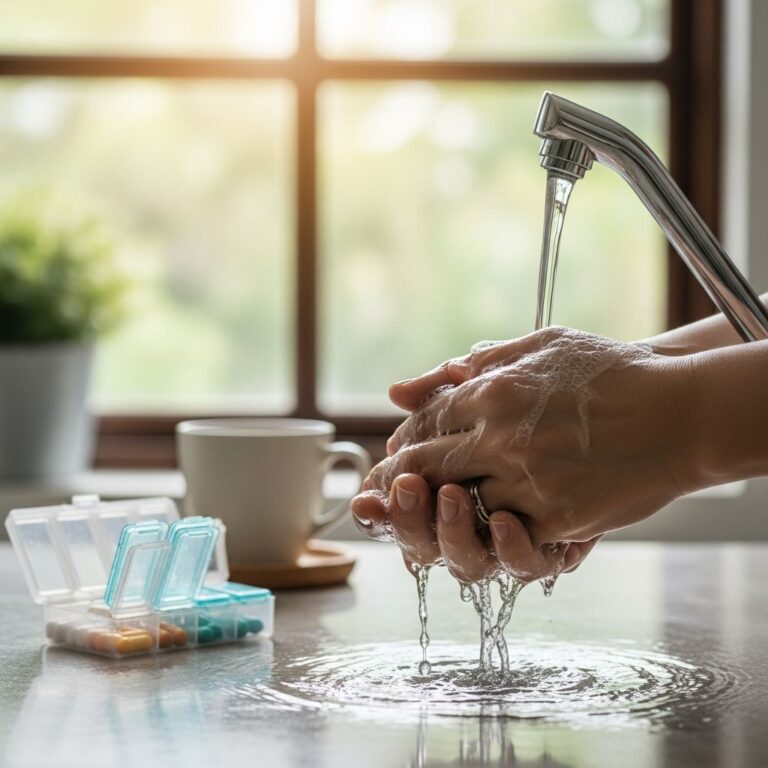
Maintaining rigorous personal hygiene helps prevent both infection acquisition and transmission to others. Regular handwashing, avoiding touching or scratching lesions, and refraining from sharing personal items such as towels, razors, or bath products minimize viral spread. Individuals in communal bathing environments should exercise particular caution, as the warm, moist environment of swimming pools and bathwater facilitates viral transmission.
When Professional Medical Consultation Becomes Necessary
While many molluscum contagiosum cases resolve without medical intervention, several circumstances warrant professional evaluation and guidance. Individuals with weakened immune systems experiencing numerous or spreading lesions require medical assessment to determine appropriate management strategies. Genital involvement necessitates professional diagnosis and treatment planning, as sexual transmission prevention becomes a priority consideration. Patients experiencing significant psychological distress related to lesion appearance or those with concerns about transmission should seek medical consultation to discuss available options and establish individualized treatment plans.
Frequently Asked Questions
How long does molluscum contagiosum typically last?
Most cases resolve within six to nine months, though some persist for up to one year or longer. Immunocompromised individuals may experience infections lasting several years without treatment.
Is molluscum contagiosum dangerous?
Molluscum contagiosum is not considered a serious health threat and does not cause systemic illness. However, secondary bacterial infections from scratching may require treatment, and psychological distress can accompany cosmetic concerns.
Can molluscum contagiosum recur after treatment?
Yes, reinfection or recurrence is possible if exposure to the virus occurs after initial infection clears. However, infection typically confers some degree of immunity in immunocompetent individuals.
Is treatment always necessary for molluscum contagiosum?
No, many cases resolve without treatment. Treatment becomes recommended when high transmission risk exists, when concurrent conditions such as eczema are present, or when psychological concerns warrant intervention.
Which treatment approach works best for molluscum contagiosum?
No single treatment proves universally effective for all patients. Selection depends on lesion number, symptom severity, patient age, immune status, and personal preferences. Dermatologists tailor treatment recommendations to individual circumstances.
Conclusion: Managing Molluscum Contagiosum Effectively
Molluscum contagiosum represents a common, self-limited viral skin infection that affects individuals across all age groups. While most cases resolve spontaneously within six to nine months, multiple evidence-based treatment options exist for patients desiring faster lesion clearance or those at high transmission risk. Treatment selection should reflect individual patient circumstances, symptom burden, and personal preferences, with professional medical guidance facilitating optimal decision-making. By understanding this condition’s natural progression, recognizing transmission routes, and implementing appropriate infection control measures, affected individuals can minimize spread to others while supporting their own healing process.
References
- Molluscum Contagiosum — National Center for Biotechnology Information (NCBI), U.S. National Library of Medicine. Accessed February 2026. https://www.ncbi.nlm.nih.gov/books/NBK441898/
- Molluscum Contagiosum — Treatment and Symptoms — Healthdirect Australia. https://www.healthdirect.gov.au/molluscum-contagiosum
- Molluscum Contagiosum: Symptoms, Causes, and Treatment — Medical News Today. https://www.medicalnewstoday.com/articles/179609
- Molluscum Contagiosum: Diagnosis and Treatment — American Academy of Dermatology (AAD). https://www.aad.org/public/diseases/a-z/molluscum-contagiosum-treatment
- About Molluscum Contagiosum — Centers for Disease Control and Prevention (CDC). https://www.cdc.gov/molluscum-contagiosum/about/index.html
- Molluscum Contagiosum — Symptoms & Causes — Mayo Clinic. https://www.mayoclinic.org/diseases-conditions/molluscum-contagiosum/symptoms-causes/syc-20375226
Similar Articles








Read full bio of medha deb