Monk Fruit Benefits: 7 Science-Backed Health Boosts
Discover the natural sweetness and powerful health benefits of monk fruit, a zero-calorie sweetener with antioxidant and anti-inflammatory properties.
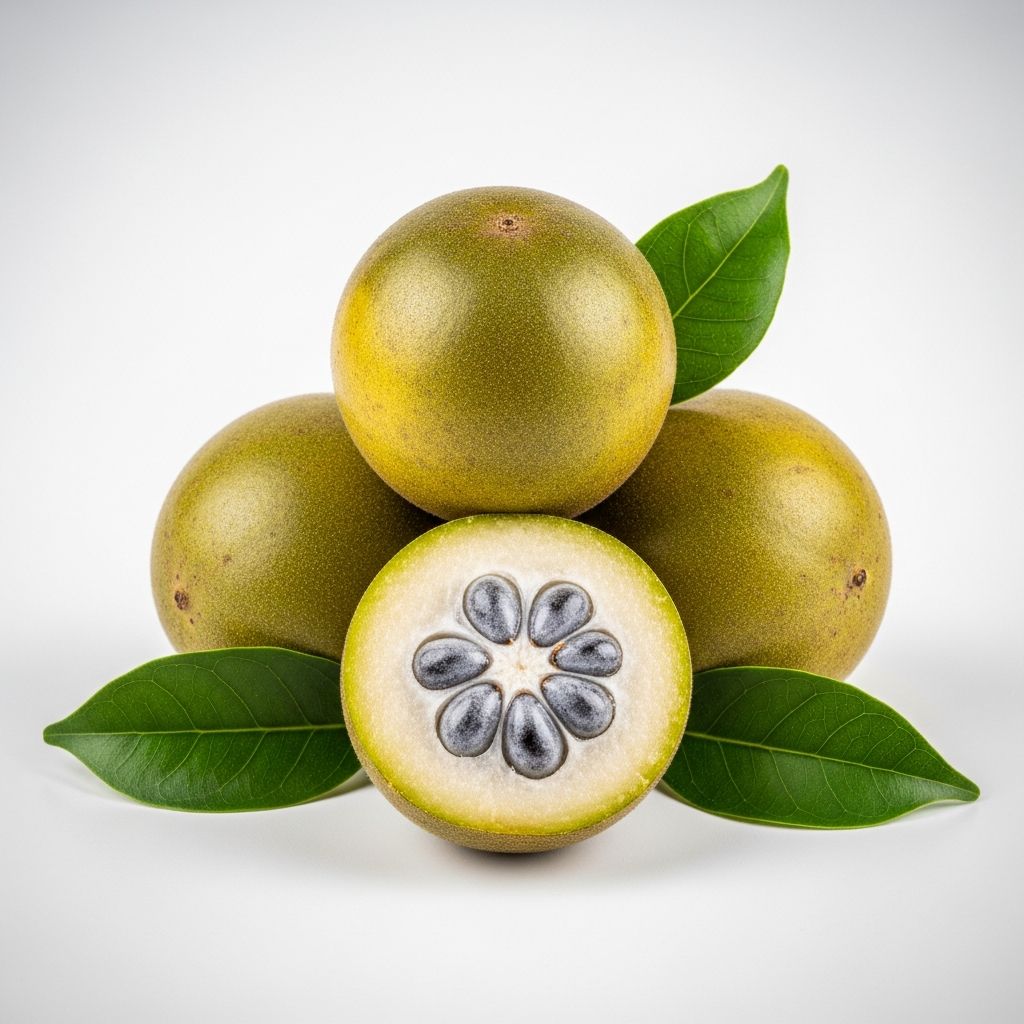
Monk fruit, also known as lo han guo or Swingle fruit, is a small, green melon native to southern China that has gained popularity as a natural, zero-calorie sweetener. Traditionally used in Chinese medicine for centuries, it contains mogrosides—compounds that deliver intense sweetness without calories, carbs, or impact on blood sugar. Today, it’s celebrated for potential health benefits like aiding weight loss, reducing inflammation, and supporting metabolic health, making it an attractive alternative to sugar and artificial sweeteners.
What Is Monk Fruit?
Monk fruit (Siraitia grosvenorii) grows on vines in the mountainous regions of southern China and northern Thailand. Its name derives from Buddhist monks who cultivated it over a thousand years ago for medicinal purposes. The fruit itself is not typically eaten fresh due to its short shelf life; instead, the extract from its pulp is dried and processed into a powder that’s 100–250 times sweeter than sugar.
The key sweetening agents are mogrosides, particularly mogroside V, which are antioxidants not metabolized by the body for calories. Unlike sugar alcohols like erythritol, monk fruit provides pure sweetness without a bitter aftertaste. It’s often blended with other natural ingredients for bulk in commercial products but remains carb-free and suitable for keto, low-carb, and diabetic diets.
Nutrition Facts of Monk Fruit
Pure monk fruit extract is essentially calorie-free, carbohydrate-free, and fat-free, with zero impact on glycemic index. A typical serving (e.g., 1/2 teaspoon of powder) provides no nutritional value beyond sweetness but allows calorie reduction when replacing sugar. For context, one teaspoon of sugar has 16 calories and 4 grams of carbs; monk fruit delivers the same sweetness with none.
| Nutrient | Per 1g Pure Extract | Compared to Sugar (1 tsp) |
|---|---|---|
| Calories | 0 | 16 |
| Carbs | 0g | 4g |
| Glycemic Index | 0 | 65 |
| Sweetness Level | 100-250x sugar | 1x |
This profile makes it ideal for baking, beverages, and cooking without altering blood glucose.
7 Health Benefits of Monk Fruit
1. May Aid Weight Loss
Monk fruit’s zero-calorie nature supports weight management by allowing sweet flavors without added energy intake. Substituting it for sugar in coffee, oats, or desserts can slash daily calories significantly. Animal studies show monk fruit extract (MFE) prevents weight gain on high-fat diets, reduces fat accumulation, and inhibits pancreatic lipase to limit fat absorption. In mice, it improved insulin sensitivity and fat metabolism, positioning it as a superior alternative to artificial sweeteners linked to obesity risks.
2. Improves Blood Sugar Control
Ideal for diabetes management, monk fruit does not raise blood sugar or trigger insulin responses since mogrosides aren’t recognized as sugars. Rat studies demonstrate mogroside V lowers fasting glucose, enhances insulin sensitivity, boosts glycogen synthesis, and suppresses post-meal glucose spikes by inhibiting intestinal enzymes like maltase. Human evidence is emerging, but its GRAS status by the FDA supports safe use.
3. Powerful Antioxidant Effects
Mogrosides act as potent antioxidants, neutralizing free radicals that damage cells and DNA. This protects against oxidative stress linked to aging, heart disease, and chronic conditions. In vitro and animal research confirms these properties, with monk fruit outperforming some synthetic antioxidants.
Related Stories



4. Reduces Inflammation
Chronic inflammation underlies diseases like arthritis, cancer, and diabetes. Monk fruit’s mogrosides downregulate inflammatory genes and cytokines while upregulating protective ones in cell and animal models. It also combats free radical-induced inflammation, offering natural relief.
5. May Have Anticancer Properties
Limited studies suggest mogrosides inhibit cancer cell growth. A mouse model showed mogroside V and 11-oxo-mogroside V suppressed skin carcinogenesis. Antioxidants reduce DNA damage associated with tumor development, though human trials are needed.
6. Fights Infections and Supports Immunity
Traditionally used for coughs and throat issues, monk fruit exhibits antimicrobial, antitussive, and expectorant effects. Its immunologic properties balance the immune system, with animal data showing benefits for respiratory health.
7. Liver and Metabolic Health
MFE protects the liver from fatty disease, lowers cholesterol/triglycerides, raises HDL, and restores antioxidant enzymes in diabetic models. It shows promise for non-alcoholic fatty liver disease and overall metabolic syndrome.
How to Use Monk Fruit Sweetener
Available as powder, liquid, or granules, monk fruit works 1:1 or less in recipes. Use in:
- Beverages: Tea, coffee, smoothies
- Baking: Cookies, cakes (stable at high heat)
- Yogurt, oatmeal, sauces
- Low-carb treats
Check labels for additives like dextrose in bulking agents. Start small due to potency.
Monk Fruit vs. Other Sweeteners
| Sweetener | Calories | GI | Taste | Health Notes |
|---|---|---|---|---|
| Monk Fruit | 0 | 0 | Clean, fruity | Antioxidants, anti-inflammatory |
| Stevia | 0 | 0 | Bitter aftertaste | Similar benefits, appetite control |
| Sugar | 4/g | 65 | Standard | Weight gain, diabetes risk |
| Aspartame | 4/g | 0 | Chemical | Potential side effects |
Monk fruit edges out with no aftertaste and added bioactives.
Is Monk Fruit Safe?
The FDA grants monk fruit GRAS status with no established upper limit, even in large amounts. No side effects reported in studies, safe for kids, pregnant people, and long-term use. Rare allergies possible; consult doctors for specific conditions.
Potential Downsides of Monk Fruit
- Cost: More expensive than sugar.
- Blends: Some products add carbs/fillers.
- Limited human data: Most benefits from animal/in vitro studies.
- Availability: Less common than stevia.
Frequently Asked Questions (FAQs)
What is monk fruit sweetener made of?
It’s extracted from the juice of monk fruit, concentrated into mogroside powder. No calories or carbs.
Does monk fruit raise blood sugar?
No, it’s zero-GI and safe for diabetics.
Is monk fruit better than stevia?
Many prefer its cleaner taste; both offer benefits, but monk fruit has stronger antioxidants.
Can kids eat monk fruit?
Yes, it’s safe as a non-nutritive sweetener.
Does monk fruit cause digestive issues?
Unlike sugar alcohols, it typically doesn’t.
References
- Monk fruit: Benefits, how to eat, and more — Medical News Today. 2023-10-12. https://www.medicalnewstoday.com/articles/monk-fruit-benefits
- The Battle of Natural Sweeteners: A Comprehensive Guide to Monk Fruit and Stevia — Food and Nutrition Journal. 2024-01-15. https://www.foodandnutritionjournal.org/volume13number1/the-battle-of-natural-sweeteners-a-comprehensive-guide-to-monk-fruit-and-stevia/
- Monk Fruit Sweetener: Benefits and Safety — Healthline. 2024-05-20. https://www.healthline.com/nutrition/monk-fruit-sweetener
- Bibliometric analysis on the literature of monk fruit extract and health benefits — NIH/PMC. 2023-09-01. https://pmc.ncbi.nlm.nih.gov/articles/PMC10495570/
- Monk Fruit Sweeteners and Type 2 Diabetes — Beyond Type 1. 2023-11-05. https://beyondtype1.org/monk-fruit-diabetes/
- Should I give my kids foods and drinks sweetened with monk fruit? — University of Nevada, Reno. 2024-03-12. https://www.unr.edu/nevada-today/news/2024/atp-monk-fruit
Similar Articles








Read full bio of medha deb