Monk Fruit Vs. Stevia: Which Natural Sweetener Is Best?
Discover the key differences between monk fruit and stevia to choose the best natural zero-calorie sweetener for your health needs.
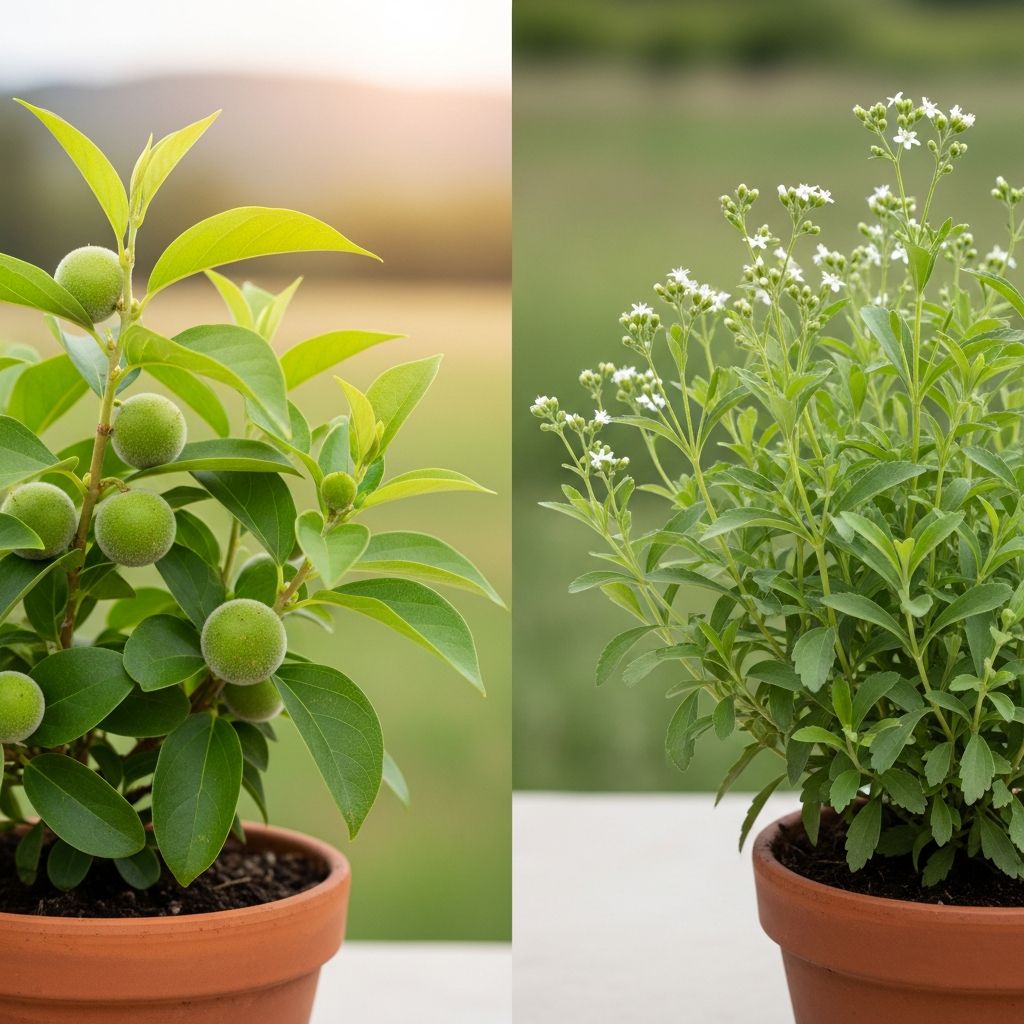
Monk fruit and stevia are two of the most popular
zero-calorie natural sweeteners
, offering sweet taste without the calories or blood sugar spikes of sugar. Both derive from plants and serve as excellent alternatives for people managing diabetes, weight, or simply reducing sugar intake. This article breaks down their origins, production, taste, health effects, pros and cons, and practical uses to help you decide which fits your needs.What Is Monk Fruit?
**Monk fruit**, also known as lo han guo or luo han guo, is a small, round fruit native to southern China. It has been used in traditional Chinese medicine since the 13th century for its potential cooling and digestive benefits, though modern scientific validation is limited. The fruit ripens from green to brown, resembling a kiwi or pear in appearance. When cut open, its pulp reveals a unique structure similar to garlic bulbs, which houses the source of its sweetness.
The intense sweetness—**150-250 times sweeter than sugar**—comes from
mogrosides
, natural compounds that are calorie-free and pass through the digestive system undigested. Unlike the fruit itself, which has a mild fruity flavor, extracted mogrosides provide pure sweetness with potential antioxidant properties. Manufacturers crush the fruit, remove skin and seeds, and isolate mogrosides to create powders, liquids, or granules. The U.S. Food and Drug Administration (FDA) grants monk fruit extractGenerally Recognized as Safe (GRAS)
status, confirming its safety for general use.What Is Stevia?
**Stevia** comes from the leaves of the Stevia rebaudiana plant, native to South America and used for centuries by indigenous peoples as a sweetener. Raw leaves offer a bittersweet taste akin to licorice or bitter greens like arugula, but commercial products refine this into a cleaner profile. Stevia is
200-400 times sweeter than sugar
, derived fromsteviol glycosides
, which are also non-nutritive and zero-calorie.Production involves extracting glycosides from dried leaves, purifying them to minimize bitterness, and forming them into powders, drops, or packets. While crude leaf extracts are not FDA-approved as food additives, highly refined steviol glycosides hold GRAS status. Stevia is widely available and often blended with other ingredients to balance flavor.
Monk Fruit vs. Stevia: Taste and Sweetness Comparison
Both sweeteners far exceed sugar’s sweetness, but their profiles differ:
| Aspect | Monk Fruit | Stevia |
|---|---|---|
| Sweetness Level | 150-250x sugar | 200-400x sugar |
| Taste Profile | Clean, fruity, minimal aftertaste | Sweet with licorice-like or bitter aftertaste |
| Versatility in Recipes | Excellent in beverages, baking (heat-stable) | Good in drinks, less ideal for baking due to aftertaste |
Monk fruit often wins for its subtler aftertaste, making it preferable in nuanced recipes, while stevia’s potency suits quick sweetening but may require masking its herbal notes.
Health Benefits of Monk Fruit and Stevia
Both are
non-nutritive sweeteners
, meaning they provide sweetness without calories, carbs, or glycemic impact—ideal for keto, diabetic, or weight-loss diets. They do not raise blood sugar levels, as confirmed by their undigested passage through the gut.Related Stories



Monk fruit’s mogrosides show promise as antioxidants and potential prebiotics. Preliminary lab studies suggest gut bacteria metabolize them into compounds promoting beneficial microbes and reducing oxidative stress. Stevia offers similar metabolic benefits and may support blood pressure regulation in some studies, though evidence is mixed.
Neither impacts dental health like sugar, reducing cavity risk. For those cutting added sugars—linked to obesity, diabetes, and heart disease by health authorities—these are superior choices.
Potential Downsides and Side Effects
- Monk Fruit: Rare side effects; no widespread GI issues reported. Some notice a mild aftertaste in high amounts.
- Stevia: Common complaints include bloating, gas, nausea, or allergic reactions in those sensitive to ragweed or sunflower families. Its bitterness can deter users.
Both may contain additives like erythritol in blends, which a 2023 study linked to potential cardiovascular risks in high consumers, though causation is unproven. Always check labels for purity.
Pros and Cons of Each Sweetener
Pros of Monk Fruit
- Zero calories and carbs; no blood sugar impact
- Natural antioxidants from mogrosides
- Cleaner taste, fewer GI complaints
- Heat-stable for cooking and baking
- GRAS status with no known allergies
Cons of Monk Fruit
- More expensive due to limited supply from China
- Harder to find in stores; best bought online
- May have subtle aftertaste in some blends
Pros of Stevia
- Zero calories; glycemic index of zero
- Widely available in packets, drops, powders
- Long history of use; affordable
- Multiple forms for easy integration
Cons of Stevia
- Prominent licorice aftertaste
- Potential digestive upset (bloating, gas)
- Allergy risks for certain plant-sensitive individuals
- Less heat-stable; can become bitter when cooked
How to Use Monk Fruit and Stevia in Your Diet
Incorporate these sweeteners mindfully:
- Beverages: Add drops to coffee, tea, smoothies, or water. Monk fruit excels in iced drinks for its fruity note.
- Baking: Use powdered forms; adjust for potency (e.g., 1 tsp monk fruit = 1 cup sugar). Monk fruit holds up better in ovens.
- Cooking: Sweeten sauces, yogurt, or oatmeal. Start small to avoid over-sweetening.
- Daily Tips: Blend with fruits to mask aftertastes. Pure extracts are best; avoid dextrose-filled packets.
For families, monk fruit suits kids’ products due to its neutral profile and potential gut benefits.
Monk Fruit vs. Stevia: Which Is Healthier?
Neither is definitively “healthier,” as both outperform sugar in calorie and glycemic control. Choose based on tolerance:
monk fruit
for minimal side effects, better taste, and emerging prebiotic perks;stevia
for accessibility and cost. If stevia causes GI distress or allergies, opt for monk fruit. Both support reduced sugar intake, but moderation is key—no sweetener replaces whole foods.Purity matters: Select products with minimal additives. Preliminary research favors monk fruit for gut health, but human trials are needed.
Frequently Asked Questions (FAQs)
What is the main difference between monk fruit and stevia?
Monk fruit offers a fruitier, cleaner taste from mogrosides, while stevia has a stronger, potentially bitter licorice aftertaste from steviol glycosides. Both are zero-calorie but differ in side effect profiles.
Is monk fruit better than stevia for diabetics?
Yes, both have zero glycemic impact, but monk fruit may edge out due to fewer reported GI issues and potential antioxidant benefits.
Can monk fruit or stevia cause weight gain?
No, as they are non-caloric and don’t spike insulin. However, over-reliance might not address underlying habits.
Are there any allergies to these sweeteners?
Stevia may trigger reactions in ragweed-allergic people; monk fruit has no known allergens.
Which is cheaper, monk fruit or stevia?
Stevia is generally more affordable and available; monk fruit costs more due to import challenges.
References
- Code of Federal Regulations Title 21 — U.S. Food and Drug Administration. 2024. https://www.accessdata.fda.gov/scripts/cdrh/cfdocs/cfcfr/CFRSearch.cfm?fr=101.30
- Steviol Glycosides — Joint FAO/WHO Expert Committee on Food Additives (JECFA). 2023-07-15. https://www.fao.org/food-safety/scientific-advice/jecfa/jecfa-stevia/en/
- Mogrosides — National Center for Biotechnology Information (PubMed). 2022. https://pubmed.ncbi.nlm.nih.gov/35814328/
- GRAS Notices for Monk Fruit Extract — U.S. Food and Drug Administration. 2024. https://www.fda.gov/food/generally-recognized-safe-gras/gras-notice-inventory
- Nonnutritive Sweeteners and Cardiometabolic Health — New England Journal of Medicine. 2023-10-05. https://www.nejm.org/doi/full/10.1056/NEJMra2303400
Similar Articles








Read full bio of medha deb