Monkeypox And Ocular Risks: Symptoms, Treatment, Prevention
Understand how monkeypox impacts vision, from pink eye to severe threats, and learn vital prevention and care strategies.
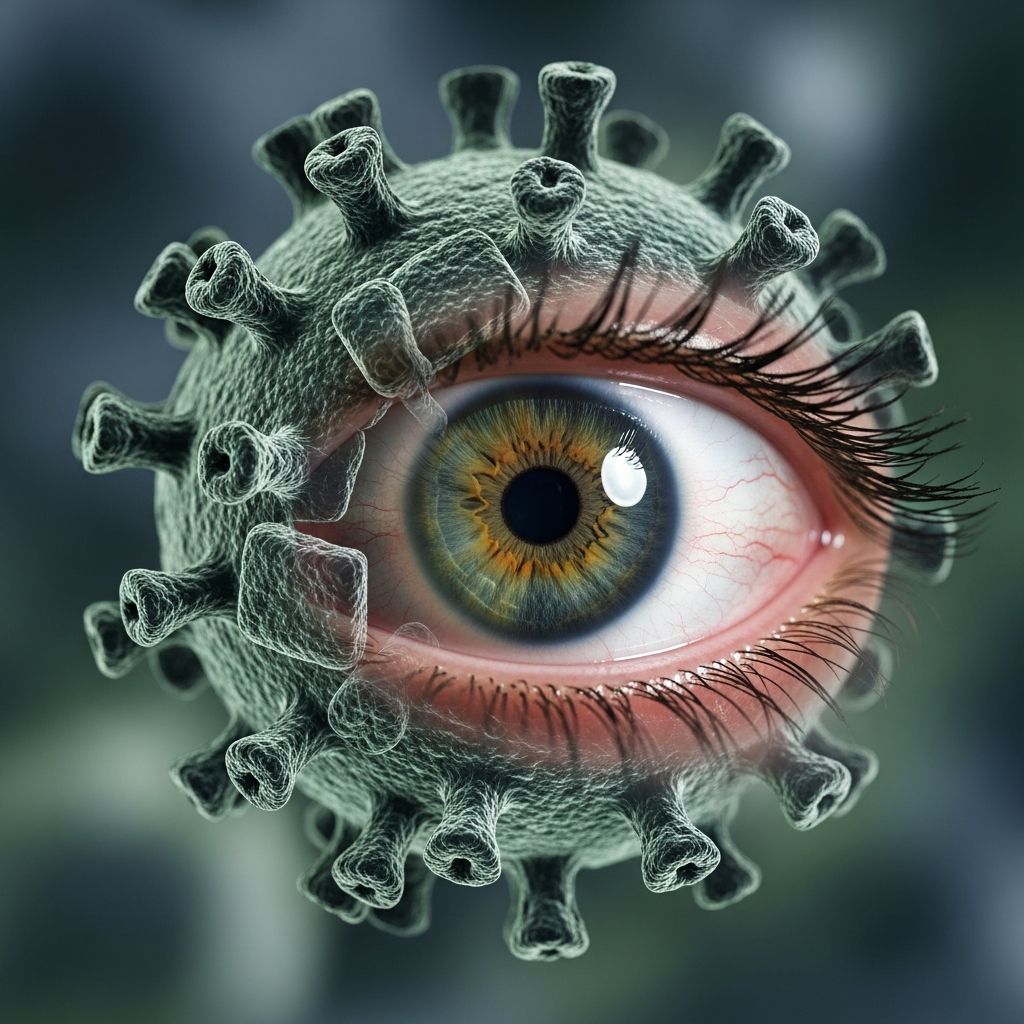
Monkeypox, now often called mpox, presents a range of systemic symptoms, but its potential to affect the eyes demands special attention. Ocular involvement can range from mild irritation to vision-threatening complications, making early recognition and intervention critical.
Understanding Monkeypox Transmission to the Eyes
The virus spreads primarily through close contact with infected lesions, respiratory droplets, or contaminated materials. Eye involvement typically occurs via autoinoculation, where individuals touch rash lesions on the body—especially near the face—and then rub their eyes. Facial rashes appear in up to 95% of cases, heightening this risk.
Periocular lesions, common around the eyelids and face, facilitate viral transfer to ocular surfaces. Systemic spread through lymphatics can also lead to direct eye infection. Vulnerable groups include those with facial lesions or high-touch behaviors during infection.
Common Eye Symptoms Linked to Monkeypox
Eye manifestations vary in severity. Initial signs often mimic common conditions like allergies or bacterial infections, delaying diagnosis.
- Conjunctivitis (Pink Eye): Redness, itching, watery discharge, and light sensitivity are hallmarks. Studies from past outbreaks noted rates up to 23-30%, though recent data suggest lower incidence around 1%.
- Blepharitis: Eyelid inflammation causing swelling, crusting, and discomfort.
- Keratitis and Corneal Ulcers: Corneal inflammation or ulceration leads to pain, blurred vision, foreign body sensation, and photophobia. These can scar the cornea, impairing sight permanently.
- Other Signs: Periocular vesicles/pustules, scleral injection, discharge, and rarely uveitis.
Symptoms often accompany systemic fever, lymphadenopathy, and rash, but isolated ocular issues occur.
Severe Complications and Vision Threats
Untreated ocular monkeypox risks escalation. Bacterial superinfection of ulcers exacerbates damage, while viral persistence causes scarring. Historical African outbreaks reported vision loss; modern cases emphasize urgency for corneal involvement.
| Complication | Symptoms | Potential Outcomes |
|---|---|---|
| Conjunctivitis | Redness, discharge | Mild, self-resolving |
| Keratitis | Pain, light sensitivity | Scarring, vision loss |
| Corneal Ulcer | Blurred vision, foreign body feel | Perforation, superinfection |
| Blepharitis | Eyelid swelling | Chronic irritation |
Recent reports link facial lesions with RT-PCR-confirmed ocular findings, often in sexually transmitted contexts.
When to Seek Immediate Eye Care
Any eye pain, vision changes, worsening redness, or photophobia warrants urgent ophthalmologic evaluation. Do not delay—prompt assessment prevents irreversible harm. Slit-lamp exams detect subtle corneal issues; PCR testing confirms orthopoxvirus.
Healthcare providers should prioritize ophthalmology consults for suspected cases, especially with risk factors like close contact or immunosuppression.
Diagnostic Approaches for Ocular Monkeypox
Diagnosis combines clinical exam and lab confirmation. Visual acuity, intraocular pressure, and detailed anterior segment evaluation are standard. Swabs from conjunctiva or lesions undergo two-stage PCR: non-variola orthopoxvirus followed by mpox-specific typing.
Monitor progression with serial exams, as symptoms evolve over days to weeks.
Treatment Strategies for Eye-Affected Monkeypox
No FDA-approved ocular-specific therapy exists, but multimodal approaches manage complications effectively.
Systemic Antivirals
Tecovirimat (Tpoxx) is first-line for severe cases, including ocular disease. Oral requires high-fat meals for absorption; IV for poor tolerators. Evidence shows symptom improvement without side effects in treated patients.
Related Stories



Topical Therapies
- Trifluridine: Preferred for keratitis/conjunctivitis, drawing from vaccinia experience. Antiviral action curbs replication.
- Lubricants/Artificial Tears: Relieve dryness, itch; first-line for mild cases.
- Antibiotics: Prophylactic or therapeutic for superinfection risks.
- Avoid Steroids: Risk viral persistence and corneal melt.
Severe scarring may need transplantation. Most recover fully with intervention; mpox resolves in 2-4 weeks.
Home Management and Symptom Relief
For mild symptoms without vision threat:
- Avoid touching/rubbing eyes or face.
- Use cool/warm compresses for comfort.
- OTC pain relievers as needed.
- Lubricating drops frequently.
- No makeup or contacts.
- Strict hygiene: frequent handwashing.
- Isolate until lesions crust/heal.
Prevention: Shielding Your Eyes from Monkeypox
Vaccination (JYNNEOS) protects high-risk individuals. During outbreaks:
- Avoid lesion contact; don’t share items.
- Wear PPE in care settings.
- Practice hand hygiene rigorously.
- Resist eye-rubbing urges.
- Monitor close contacts.
Public health emphasizes isolation and contact tracing to curb spread.
FAQs on Monkeypox and Eye Health
Q: How common are eye problems in monkeypox?
A: Varies by outbreak; past data up to 30%, recent lower at ~1-3%.
Q: Can monkeypox cause permanent blindness?
A: Rarely, via corneal scarring/ulcers, but treatable if addressed early.
Q: Is there a vaccine for ocular protection?
A: JYNNEOS reduces overall risk, including ocular.
Q: What if I have monkeypox rash near my eyes?
A: Avoid touching; seek medical advice immediately.
Q: Are antibiotics always needed?
A: Only for bacterial complications, not primary viral infection.
Outlook and Ongoing Research
Ocular mpox is uncommon but serious. Advances in antivirals and diagnostics improve outcomes. Stay informed via CDC/WHO updates, as data evolves. Early vigilance protects sight.
References
- Can Monkeypox Affect Your Eyes? — Keck Medicine of USC. 2022. https://www.keckmedicine.org/blog/can-monkeypox-affect-the-eyes/
- Interim Clinical Considerations for Management of Ocular Monkeypox — CDC. 2023-06-07. https://www.cdc.gov/monkeypox/hcp/clinical-care/ocular-infection.html
- Monkeypox and Your Eyes — Standard Optical. 2022. https://www.standardoptical.net/blog/monkeypox/
- Monkeypox — EyeWiki (AAO). 2023. https://eyewiki.org/Monkeypox
- Can monkeypox cause conjunctivitis? — ICR Ophthalmology Center. 2022. https://icrcat.com/en/monkeypox-conjunctivitis/
- Characteristics and Management of Ocular Involvement in mpox — PMC (NCBI). 2023-03-22. https://pmc.ncbi.nlm.nih.gov/articles/PMC10046120/
- Mpox (Monkeypox): Causes, Symptoms, Treatment & Prevention — Cleveland Clinic. 2024. https://my.clevelandclinic.org/health/diseases/22371-monkeypox
Similar Articles








Read full bio of Sneha Tete