Monoclonal Antibodies: Definition & How Treatment Works
Understanding monoclonal antibodies: Lab-made proteins revolutionizing targeted disease treatment and immune therapy.
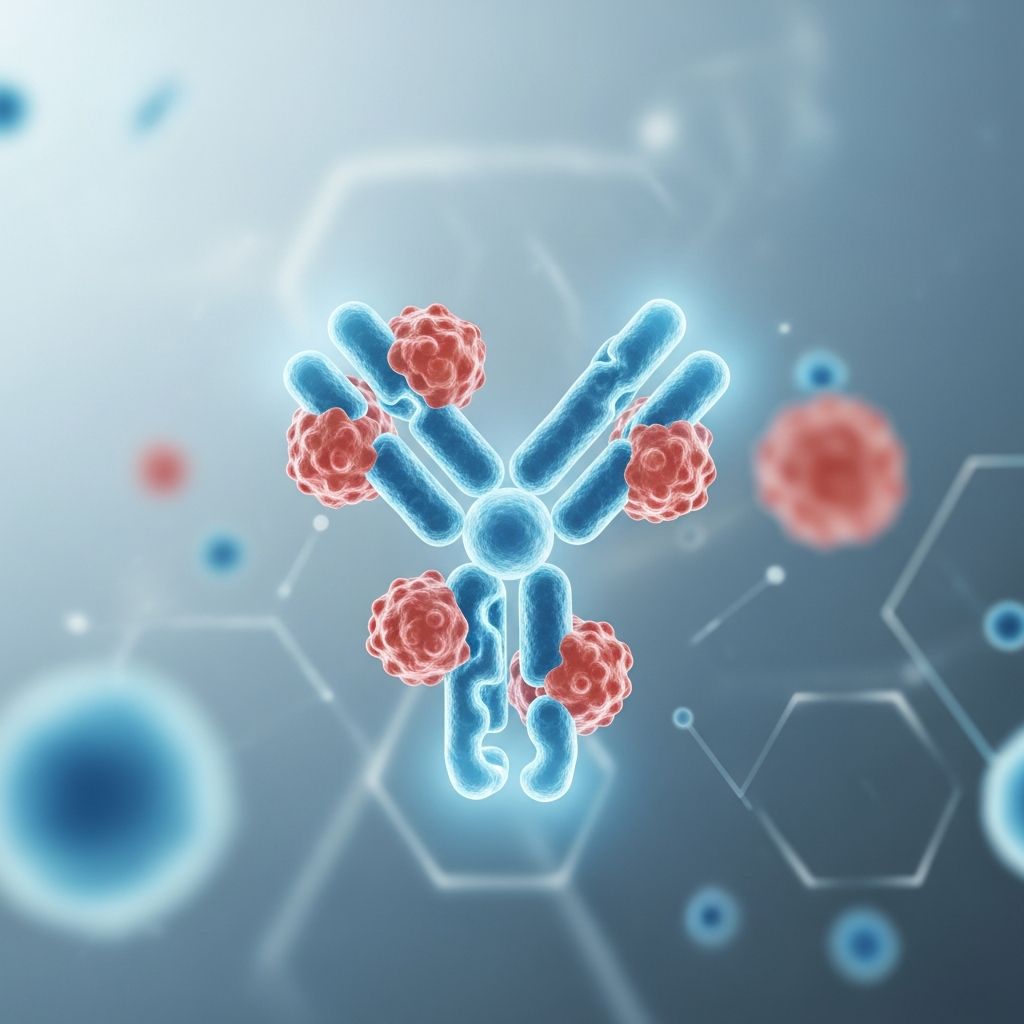
Understanding Monoclonal Antibodies: Definition and Overview
Monoclonal antibodies are proteins engineered in laboratory settings to stimulate and enhance your immune system’s response to disease. These synthetic antibodies are designed to mimic the natural antibodies your body produces to fight infections and abnormal cells. Unlike traditional treatments that broadly affect multiple body systems, monoclonal antibodies work with remarkable precision, targeting specific molecules and cells that cause disease.
The development of monoclonal antibody therapy represents a significant milestone in modern medicine. Since the first monoclonal antibody drug received FDA approval for human use in 1986, the number of approved therapies has grown substantially, reflecting the increasing confidence in this treatment approach and its proven effectiveness across numerous medical conditions.
What Are Antibodies and How Do They Work?
Antibodies are naturally occurring proteins that form a critical component of your immune system. They work by recognizing and binding to foreign substances, called antigens, such as bacteria, viruses, and abnormal cells. Your body’s immune system produces thousands of different antibodies, each designed to target specific threats. Monoclonal antibodies are laboratory-created clones of these natural antibodies, produced in controlled conditions to ensure consistency and purity.
Monoclonal antibody therapy leverages this biological process by introducing these engineered proteins into your body where they can identify and neutralize disease-causing agents or abnormal cells with precision. This targeted approach represents a fundamental advancement over conventional treatments, which often affect healthy tissue alongside diseased tissue.
Applications and Uses of Monoclonal Antibodies
Monoclonal antibodies serve three primary purposes in modern medicine: diagnosis, disease treatment, and research. Their versatility has led to their application in treating a wide range of medical conditions, demonstrating their importance across multiple therapeutic areas.
Disease Treatment Applications
Monoclonal antibodies have proven particularly effective in treating several categories of diseases:
- Certain types of cancer, including leukemia and lymphomas
- Autoimmune conditions such as multiple sclerosis and rheumatoid arthritis
- Viral infections, including COVID-19 in early stages
- Inflammatory diseases and complement-mediated disorders
- Allergic conditions and asthma
The success of monoclonal antibodies in cancer treatment has been particularly noteworthy. Some therapeutic monoclonal antibodies work by blocking proteins that cancer cells require to grow and multiply. Others function by marking cancer cells for destruction by the immune system, allowing T cells and other immune components to recognize and eliminate the abnormal cells. Additionally, some monoclonal antibodies can be engineered to carry toxic or radioactive materials directly to cancer cells, delivering lethal doses while minimizing exposure to healthy tissue.
How Monoclonal Antibody Treatment Is Administered
Intravenous (IV) Administration
In the majority of cases, monoclonal antibodies are administered intravenously as an infusion directly into your vein. This method is preferred because it allows for the entire dose to enter your bloodstream quickly, providing rapid access to target cells throughout your body. These treatments are typically delivered in specialized infusion centers where multiple patients receive treatment simultaneously under professional medical supervision.
The infusion process begins with healthcare providers establishing IV access and initiating a controlled flow of the monoclonal antibody solution. Infusion times vary depending on the specific medication and condition being treated. For example, COVID-19 monoclonal antibody treatments under Emergency Use Authorization required approximately one hour for infusion, followed by an additional hour of observation for potential adverse reactions.
Related Stories



Subcutaneous (Under-the-Skin) Administration
In certain cases, your healthcare provider may prescribe a monoclonal antibody delivered through subcutaneous injection. This method involves injecting the medication under your skin, typically in the abdomen or upper thigh. Patients receiving this form of treatment are usually trained to self-administer the injections at home, providing greater convenience and flexibility compared to in-center infusions.
First Treatment Considerations
If you are receiving monoclonal antibody treatment for the first time, it is advisable to bring a companion to your appointment. This person can learn about the procedure, understand what to expect, and provide support during your treatment. Healthcare providers will monitor you closely during your initial treatment, watching for any signs of serious allergic reactions or other adverse effects. This cautious approach ensures that any complications are identified and managed immediately.
Advantages of Monoclonal Antibody Therapy
Precision and Targeted Action
One of the most significant advantages of monoclonal antibodies is their precision. These therapies target specific molecules and cells involved in disease processes, rather than broadly affecting your entire immune system or body. This targeted approach dramatically improves treatment effectiveness while reducing the incidence and severity of side effects compared to traditional treatments like chemotherapy or broad-spectrum immunosuppressants.
Superior Treatment Outcomes
Monoclonal antibody therapy has demonstrated remarkable success in treating certain diseases, particularly various cancers. The ability to specifically target cancer cell markers while leaving healthy cells relatively unaffected has transformed treatment outcomes for patients with previously difficult-to-treat malignancies. Research continues to expand the list of conditions for which monoclonal antibody therapy proves beneficial.
Production Consistency and Scale
Modern manufacturing techniques now allow monoclonal antibodies to be produced in large quantities while maintaining strict quality standards. Every production batch meets the same rigorous quality specifications, ensuring consistency across all doses. This standardization is essential not only for therapeutic applications but also for diagnostic uses and research purposes, where reliability and reproducibility are paramount.
Potential Risks and Side Effects
Infusion Reactions
Infusion reactions represent the most common adverse effect associated with monoclonal antibody treatment. These reactions occur when your body mounts an unexpectedly strong immune response to the monoclonal antibody itself. During an infusion reaction, you may experience:
- Rash or skin reactions
- Fever
- Rigors or chills
- Shortness of breath or respiratory difficulty
- Excessive sweating
- Changes in blood pressure (either elevated or decreased)
- Increased heart rate
Healthcare providers can often minimize infusion reaction symptoms by slowing the rate of infusion or decreasing the dose being administered. This is why medical supervision during infusion is essential—trained personnel can recognize early signs of a reaction and adjust treatment accordingly to prevent escalation.
Condition-Specific Risks
Beyond infusion reactions, some risks associated with monoclonal antibody therapy are specific to the condition being treated. For instance, patients receiving monoclonal antibodies for cancer treatment may experience tumor lysis syndrome, a potentially serious condition that can result from the rapid death of cancer cells. This syndrome can lead to kidney failure and other serious complications if not properly managed. Healthcare providers anticipate and monitor for these condition-specific risks through careful patient selection, pre-treatment assessment, and ongoing clinical monitoring.
Monoclonal Antibodies in COVID-19 Treatment
During the COVID-19 pandemic, monoclonal antibodies gained prominence as a treatment option for patients with mild to moderate disease who faced high risk of progression to severe illness. Neutralizing monoclonal antibodies such as bamlanivimab and casirivimab-imdevimab were specifically engineered to target the spike protein on the SARS-CoV-2 virus surface, preventing the virus from infecting host cells.
These treatments work through a different mechanism than antiviral medications. While antivirals stop the virus from replicating itself, monoclonal antibodies directly bind to viral proteins and prevent the virus from entering and infecting your cells. This approach provides rapid protection that can last for weeks to months, though it differs from vaccines, which stimulate your immune system to produce its own antibodies for long-term protection.
The FDA authorized these monoclonal antibody treatments through Emergency Use Authorization, with the U.S. government committing to purchase large quantities and make them available to patients at no cost. Administration required specialized settings equipped to manage potential severe infusion reactions, and patients required monitoring for adverse effects for at least seven days following treatment.
Monoclonal Antibodies Versus Other Treatment Approaches
Monoclonal antibody therapy occupies a unique position in the treatment landscape. Unlike chemotherapy, which is broadly cytotoxic and affects rapidly dividing cells throughout the body, monoclonal antibodies can be engineered to recognize and target specific disease-related molecules. This specificity translates to improved efficacy and reduced collateral damage to healthy tissue.
Compared to vaccines, monoclonal antibodies provide immediate passive immunity through antibody-dependent cellular cytotoxicity and phagocytosis, offering protection within hours or days. Vaccines, by contrast, require your immune system to mount an active response, which takes one to two weeks or longer but provides lasting immunity.
Traditional immunosuppressive therapies broadly dampen immune function to control autoimmune conditions, whereas monoclonal antibodies can be designed to inhibit specific immune pathways, offering greater precision and fewer systemic effects.
Recent Advances and Future Directions
The field of monoclonal antibody therapeutics continues to advance rapidly. Recent partnerships between leading medical institutions and biotechnology companies demonstrate ongoing commitment to developing new monoclonal antibody-based treatments. These collaborations focus on identifying novel targets and improving antibody engineering techniques to enhance therapeutic effectiveness while minimizing adverse effects.
Current research and development efforts emphasize expanding monoclonal antibody applications into new disease areas, including complement-mediated diseases and previously untreatable cancers. Improvements in antibody humanization—making laboratory-created antibodies more similar to natural human antibodies—help reduce immune rejection and improve tolerability.
Frequently Asked Questions
How do monoclonal antibodies differ from your body’s natural antibodies?
Monoclonal antibodies are laboratory-created clones of natural antibodies, engineered for consistency and purity. While your body produces thousands of different antibodies in response to various threats, monoclonal antibodies are identical copies designed to target specific disease-related molecules. This uniformity allows for standardized dosing and predictable effects.
Can monoclonal antibodies be given orally or by injection at home?
Most monoclonal antibodies are administered intravenously in clinical settings. However, some newer formulations can be given as subcutaneous injections that patients can self-administer at home after proper training. Your healthcare provider will determine the appropriate administration method based on your specific treatment.
How long does a monoclonal antibody infusion typically take?
Infusion duration varies depending on the specific medication and condition. Some treatments require one hour for infusion plus additional observation time. Your healthcare provider will inform you about expected treatment length before beginning therapy.
What should I expect during my first monoclonal antibody treatment?
Bring a support person to your first treatment. Healthcare providers will establish IV access, begin the infusion at a carefully controlled rate, and monitor you closely for any adverse reactions. You’ll likely spend several hours at the infusion center for treatment and observation.
Are monoclonal antibodies effective for all cancer types?
Monoclonal antibodies have proven most effective for certain cancer types, particularly those with specific molecular markers that the antibodies can target. Your oncologist can determine whether monoclonal antibody therapy is appropriate for your specific cancer type.
References
- Monoclonal Antibodies: Definition & How Treatment Works — Cleveland Clinic. Accessed 2025. https://my.clevelandclinic.org/health/treatments/22246-monoclonal-antibodies
- Monoclonal antibodies for treating COVID-19 — Cleveland Clinic Journal of Medicine. 2021-02-17. https://www.ccjm.org/content/early/2021/02/17/ccjm.88a.ccc074
- What Is Immunotherapy for Cancer? — Cleveland Clinic. Accessed 2025. https://my.clevelandclinic.org/health/treatments/11582-immunotherapy
- Antibodies: Definition, Types & Function — Cleveland Clinic. Accessed 2025. https://my.clevelandclinic.org/health/body/22971-antibodies
- LifeArc and Cleveland Clinic join forces to develop new monoclonal antibody therapeutics — LifeArc. 2025. https://www.lifearc.org/2025/lifearc-and-cleveland-clinic-join-forces-to-develop-new-monoclonal-antibody-therapeutics/
- Monoclonal Antibodies To Fight COVID-19 — Cleveland Clinic Health. Accessed 2025. https://health.clevelandclinic.org/what-are-monoclonal-antibodies
Similar Articles








Read full bio of Sneha Tete