Monolid Eyes: Causes, Types, and Treatment Options
Understanding monolid eyes, their causes, and available treatment options for improved appearance and eye health.
What Are Monolid Eyes?
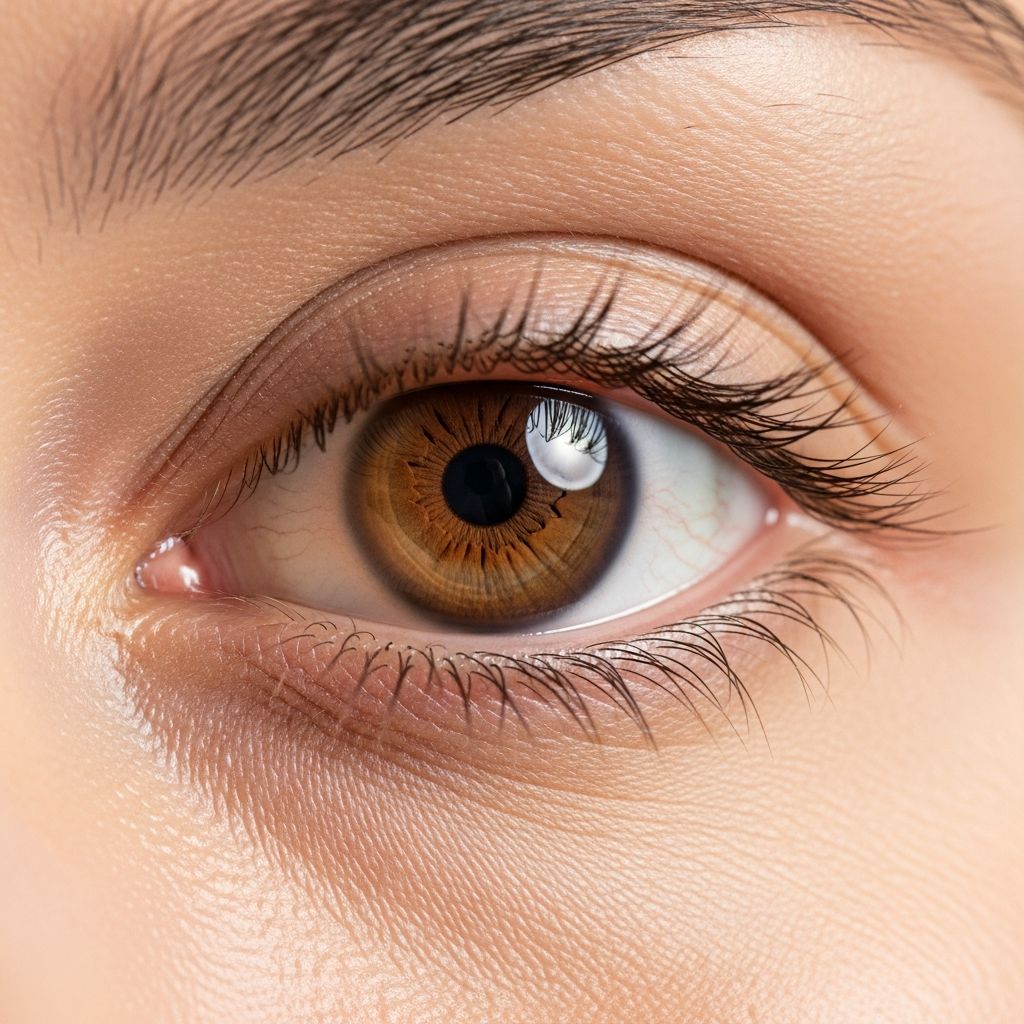
Monolid eyes, also known as eyes with an epicanthal or epicanthus fold, refer to eyelids that lack a visible crease or fold above the eyelashes. Instead of the typical double eyelid seen in many people, monolid eyes have a single, smooth fold. This anatomical feature is common in certain ethnic groups, particularly among East Asians, but can also occur in people of other backgrounds.
Types of Monolid Eyes
Monolid eyes can be categorized based on the presence and shape of the epicanthal fold:
- Epicanthal Fold: A skin fold that covers the inner corner of the eye, often seen in people of East Asian descent.
- Epicanthus Inversus: A fold that extends from the lower eyelid toward the upper eyelid, covering the inner corner of the eye.
- Epicanthus Palpebralis: A fold that extends from the upper eyelid toward the lower eyelid, covering the inner corner of the eye.
- Epicanthus Tarsalis: A fold that extends from the upper eyelid toward the lower eyelid, but is less pronounced than epicanthus palpebralis.
Causes of Monolid Eyes
The presence of monolid eyes is primarily determined by genetics. The epicanthal fold is a hereditary trait that is more common in certain populations. However, monolid eyes can also be associated with certain medical conditions:
- Genetic Factors: The most common cause of monolid eyes is genetic inheritance. The trait is passed down from parents to children.
- Developmental Disorders: In some cases, monolid eyes can be a sign of developmental disorders such as Down syndrome or blepharophimosis syndrome.
- Age-Related Changes: As people age, the skin around the eyes can change, sometimes leading to the appearance of a monolid.
Monolid Eyes and Eye Health
Monolid eyes are generally a normal anatomical variation and do not typically cause health problems. However, in some cases, the presence of an epicanthal fold can be associated with other eye conditions:
- Blocked Tear Ducts: The epicanthal fold can sometimes obstruct the tear ducts, leading to excessive tearing or eye infections.
- Vision Problems: In rare cases, the fold can affect vision, particularly if it is very pronounced.
- Eye Infections: The fold can trap debris and bacteria, increasing the risk of eye infections.
Treatment Options for Monolid Eyes
While monolid eyes are a normal anatomical variation, some people may seek treatment for cosmetic reasons or to address associated health issues. Treatment options include both surgical and non-surgical approaches:
Surgical Options
Surgery is the most common treatment for monolid eyes, particularly for those seeking a double eyelid. The procedure, known as blepharoplasty, involves creating a crease in the upper eyelid. The surgery is generally safe and effective, but like any surgical procedure, it carries some risks:
- Blepharoplasty: This procedure involves making an incision in the upper eyelid to create a crease. The incision is usually made along the natural fold of the eyelid, and excess skin and fat may be removed to achieve the desired result.
- Risks and Complications: Possible risks include infection, scarring, and asymmetry. In rare cases, the surgery may affect vision.
- Recovery: Recovery time varies, but most people can return to normal activities within a week. Swelling and bruising are common and usually resolve within a few days.
Related Stories



Non-Surgical Options
For those who do not wish to undergo surgery, there are non-surgical options available:
- Makeup Techniques: Using makeup can create the illusion of a double eyelid. Techniques include using eyeliner, eyeshadow, and false eyelashes to enhance the appearance of the eyelid.
- Adhesive Strips: Adhesive strips can be applied to the eyelid to create a temporary crease. These strips are available over-the-counter and are easy to use.
- Eye Exercises: Some people believe that certain eye exercises can help create a double eyelid, although there is limited scientific evidence to support this claim.
When to Seek Medical Attention
While monolid eyes are generally a normal anatomical variation, it is important to seek medical attention if you experience any of the following symptoms:
- Excessive Tearing: If you experience excessive tearing or eye infections, it may be a sign of a blocked tear duct or other eye condition.
- Vision Problems: If you experience vision problems, such as blurred vision or difficulty seeing, it may be a sign of a more serious eye condition.
- Pain or Discomfort: If you experience pain or discomfort in the eye, it may be a sign of an infection or other eye condition.
FAQs About Monolid Eyes
Q: Are monolid eyes a sign of a medical condition?
A: Monolid eyes are generally a normal anatomical variation and are not a sign of a medical condition. However, in some cases, they can be associated with developmental disorders or other eye conditions.
Q: Can monolid eyes be treated?
A: Yes, monolid eyes can be treated with surgery (blepharoplasty) or non-surgical options such as makeup techniques and adhesive strips.
Q: Is surgery for monolid eyes safe?
A: Surgery for monolid eyes is generally safe, but like any surgical procedure, it carries some risks. Possible risks include infection, scarring, and asymmetry.
Q: How long does it take to recover from blepharoplasty?
A: Recovery time varies, but most people can return to normal activities within a week. Swelling and bruising are common and usually resolve within a few days.
Q: Can non-surgical options create a permanent double eyelid?
A: Non-surgical options such as makeup techniques and adhesive strips can create a temporary double eyelid, but they do not provide a permanent solution.
Conclusion
Monolid eyes are a normal anatomical variation that is common in certain populations. While they do not typically cause health problems, some people may seek treatment for cosmetic reasons or to address associated health issues. Treatment options include both surgical and non-surgical approaches, and it is important to seek medical attention if you experience any symptoms that may indicate a more serious eye condition.
References
- Monolid Eyes: Epicanthal Folds & Causes — Cleveland Clinic. 2023-12-01. https://my.clevelandclinic.org/health/symptoms/22413-monolid-eyes
- Monolid Eyes: Types, Anatomy, Function & Common Conditions — Cleveland Clinic. 2023-12-01. https://my.clevelandclinic.org/health/body/eyelids
- Blepharophimosis Syndrome — Cleveland Clinic. 2023-12-01. https://my.clevelandclinic.org/health/diseases/24529-blepharophimosis-ptosis-epicanthus-inversus-bpes
Similar Articles








Read full bio of medha deb