MSG: What It Is and Why Consider Avoiding It
Understanding MSG: Its uses, health implications, and why you might reconsider consuming foods containing it.
Monosodium Glutamate: What It Is and Why You Might Consider Avoiding Foods That Contain It
Monosodium glutamate, commonly known as MSG, has become one of the most controversial food ingredients in modern nutrition. Whether you’re dining at a Chinese restaurant, eating processed snacks, or consuming canned soups, you’ve likely encountered this ubiquitous food additive. Despite its widespread use in the food industry, MSG remains a subject of significant debate among nutritionists, scientists, and health-conscious consumers. Understanding what MSG is, how it functions in food, and its potential effects on your health can help you make informed dietary decisions.
What Exactly Is Monosodium Glutamate?
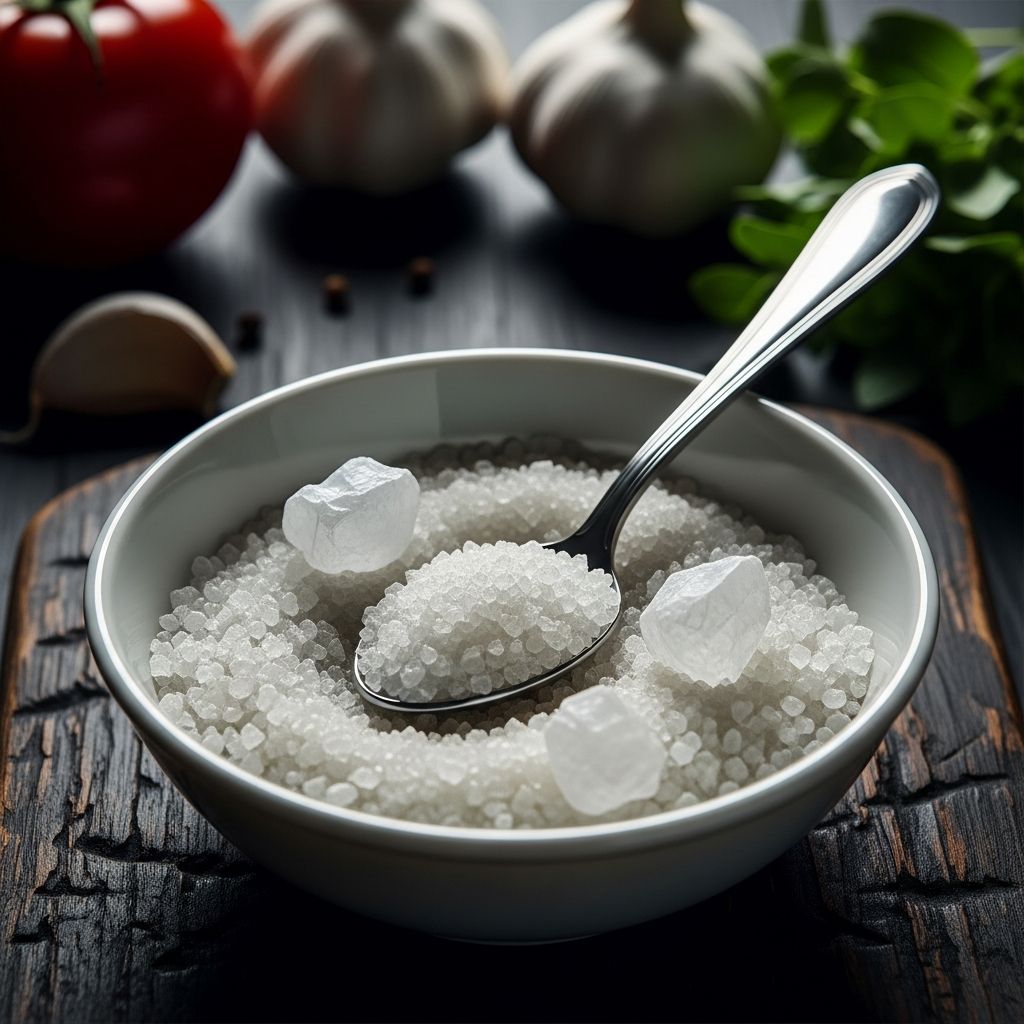
Monosodium glutamate is the sodium salt of glutamic acid, a naturally occurring amino acid found in many foods. MSG is the compound responsible for the umami taste, which many experts consider the fifth basic taste alongside sweet, salty, sour, and bitter. When MSG is added to food, it enhances flavor and intensifies the taste experience without significantly altering the nutritional content of the dish.
Today, MSG is primarily derived from starch, corn sugar, molasses, sugar cane, or sugar beets through fermentation processes. The compound has been used in food production for over a century, originating in Japan where it was first identified and extracted from kombu seaweed. MSG serves a practical function in commercial food manufacturing: it allows producers to reduce sodium content in foods while maintaining or even enhancing flavor, making it particularly valuable for consumers concerned about sodium intake.
The Role of MSG in Modern Food Production
The food industry relies heavily on MSG to improve the palatability and market appeal of products. MSG works by stimulating glutamate receptors on your taste buds and throughout your nervous system, creating a sensation of enhanced flavor and satisfaction. This umami taste enhances the perception of other flavors in food, making dishes taste richer and more complex than they might otherwise.
MSG is found in numerous food categories, including:
- Asian cuisine, particularly Chinese, Japanese, and Vietnamese dishes
- Processed meats and cured products
- Canned vegetables and broths
- Seasonings, spice blends, and condiments
- Instant noodles and dried soups
- Snack foods and savory crackers
- Prepared meals and frozen dinners
- Fast food and restaurant dishes
The typical American MSG intake averages approximately 3 grams per day, though this varies significantly based on dietary habits and consumption of processed foods.
How Your Body Processes Glutamate
Once ingested, research suggests that the human body treats glutamate from MSG similarly to glutamate found naturally in foods like tomatoes, cheese, mushrooms, and broccoli. However, the concentration and delivery method of MSG in processed foods differ substantially from naturally occurring glutamate in whole foods. When consuming MSG-containing products, you may receive much larger doses of free glutamate in a short period, which some research indicates could trigger physiological responses.
Glutamate acts on specialized receptors throughout your central nervous system, including in the hypothalamus, hippocampus, and amygdala, where they control autonomic and metabolic activities. These glutamate receptors include metabotropic receptors and ionotropic receptors such as NMDA, AMPA, delta, and kainite receptors. The widespread distribution and function of these receptors suggests that glutamate consumption could have systemic effects beyond simple taste sensation.
Related Stories



Understanding Chinese Restaurant Syndrome
One of the most famous phenomena associated with MSG consumption is “Chinese Restaurant Syndrome,” a term used to describe acute symptoms allegedly triggered by MSG ingestion. The symptoms typically include headache, facial pressure or tightness, chest pain, heart palpitations, numbness in the back of the neck spreading to the arms and back, tingling or burning in the face and neck, and weakness or muscle fatigue.
Despite the widespread anecdotal reports of these symptoms, scientific evidence proving a direct causal relationship between MSG and these symptoms remains inconclusive. Nevertheless, some sensitive individuals report experiencing these symptoms after consuming MSG-containing foods, which has prompted the FDA and other regulatory bodies to take such reports seriously.
Potential Health Concerns Associated with MSG
Metabolic and Weight-Related Effects
One of the most extensively studied concerns regarding MSG consumption is its potential link to metabolic disorders and obesity. Research in animal models has demonstrated that MSG consumption leads to insulin resistance and reduced glucose tolerance. Studies suggest that MSG may disrupt energy balance by increasing food palatability and interfering with leptin-mediated hypothalamus signaling cascades, potentially contributing to weight gain and obesity development.
The mechanism appears to involve MSG’s influence on inflammatory markers and adipose tissue physiology. MSG has been shown to trigger expression of pro-inflammatory molecules including interleukin-6 (IL-6), tumor necrosis factor-alpha (TNF-α), resistin, and leptin in visceral adipose tissue. This inflammatory cascade leads to elevated insulin, resistin, and leptin concentrations in the bloodstream, ultimately resulting in impaired glucose tolerance.
Neurological Effects
Because glutamate receptors are abundant throughout the central nervous system, MSG consumption raises concerns about potential neurological effects. Some research suggests that even low doses of MSG may have toxic effects on neural tissue. These effects could theoretically contribute to various neurological conditions, though more human clinical trials are needed to establish definitive causal relationships.
Hepatic Damage
Studies have indicated that MSG consumption may cause significant decreases in liver transaminases, markers that suggest hepatic damage. The mechanism appears to involve non-alcoholic steatohepatitis, which is associated with prolonged inflammation of liver tissue. Additionally, research has shown that MSG can cause hepato-cardiac toxicity, suggesting widespread organ system effects at high doses.
Reproductive Health Concerns
Animal studies have demonstrated concerning effects of MSG on reproductive organs. MSG causes disruption of stromal cell vacuolations and basement membrane and cellular hypertrophy of the theca folliculi in ovaries. These processes of atrophy and degeneration occur across different MSG dosage levels, raising questions about reproductive safety, particularly for pregnant women and developing fetuses.
Other Potential Effects
High doses and repeated exposure to MSG have been associated with embryotoxicity, teratogenicity, cardiotoxicity, hepatotoxicity, and kidney toxicity. Additionally, some reports indicate gastric distention occurring up to two hours after MSG ingestion, though MSG has not been definitively linked to altered hunger hormones.
The Safety Debate: FDA Approval Versus Ongoing Concerns
In 1958, the Food and Drug Administration designated MSG as a Generally Recognized as Safe (GRAS) ingredient, placing it in the same category as common food items like salt and baking powder. This classification was based on the scientific evidence available at that time and the assumption that MSG was safe at ordinary consumption levels for the general population.
However, scientific understanding has evolved considerably since 1958. The FDA commissioned the FASEB Report in 1995 to provide a comprehensive review of MSG scientific literature in response to ongoing public concern. Despite FDA approval, the scientific community remains divided on MSG safety, particularly regarding cumulative exposure and individual susceptibility.
Dose Matters: The Critical Distinction Between Safety Claims and Research Findings
An important aspect of the MSG controversy involves the distinction between safety at typical consumption levels and safety at higher or cumulative doses. Much of the research showing adverse effects involves doses considerably higher than typical dietary intake. However, some studies suggest that even modest doses may trigger symptoms in sensitive individuals, and the concept of cumulative exposure over years or decades remains poorly understood.
The lack of consensus about MSG safety persists partly because there are significant misunderstandings about the amounts of MSG actually absorbed and metabolized by different individuals. Factors such as genetic variations, gut microbiome composition, overall digestive health, and previous dietary exposure may influence how individuals process and respond to MSG.
Why You Might Consider Avoiding or Limiting MSG
Potential Benefits of Reduction
Given the accumulating research suggesting possible health risks, several reasons support considering a reduction in MSG consumption:
- Decreased inflammatory markers and reduced oxidative stress in the body
- Potential improvement in metabolic function and glucose tolerance
- Possible reduction in appetite dysregulation and improved weight management
- Lower exposure to neurotoxic compounds and potential neuroprotection
- Reduced hepatic stress and improved liver function
- Decreased risk during pregnancy or when planning conception
Individual Susceptibility Varies
Not all individuals respond to MSG in the same way. Some people experience no adverse effects at typical consumption levels, while others report symptoms after consuming relatively small amounts. If you experience headaches, palpitations, numbness, or other symptoms following MSG-containing meals, reducing or eliminating MSG from your diet may provide relief.
Strategies for Reducing MSG Intake
Reading Food Labels
MSG must be listed on food labels in the United States, typically appearing as “monosodium glutamate” in the ingredients list. However, MSG can also be present in ingredients listed as “hydrolyzed vegetable protein,” “natural flavoring,” “flavor enhancers,” or “yeast extract,” making complete avoidance challenging.
Cooking at Home
The most effective way to control MSG intake is by preparing meals at home using fresh, whole ingredients. This allows complete control over what enters your food and eliminates hidden MSG sources common in processed and restaurant foods.
Selecting Whole Foods
Focus on consuming whole foods such as fresh vegetables, fruits, legumes, nuts, seeds, whole grains, and unprocessed proteins. These foods contain glutamate naturally, but in forms and concentrations different from added MSG.
Choosing Unprocessed Options
When purchasing prepared foods, select products explicitly labeled as containing no MSG or no added MSG. Many specialty food brands and organic products actively avoid MSG as a marketing point.
Frequently Asked Questions
Q: Is MSG naturally occurring in food?
A: Yes, glutamate exists naturally in many foods including aged cheeses, tomatoes, mushrooms, soy sauce, and broccoli. However, the concentration and form differ from added MSG in processed foods.
Q: How much MSG is considered safe?
A: The FDA considers MSG safe at ordinary consumption levels. However, “ordinary” remains somewhat undefined, and individual tolerance varies significantly. The typical American intake is approximately 3 grams daily.
Q: Can MSG cause permanent damage?
A: Research suggests that chronic high-dose exposure may contribute to various health problems, but most damage appears reversible with reduced consumption, though more human studies are needed.
Q: Is MSG worse than salt?
A: MSG’s health impact differs from salt’s. MSG can reduce sodium content while enhancing flavor, but carries distinct risks related to glutamate receptor activation and metabolic effects.
Q: Are there genetic factors that make some people more sensitive to MSG?
A: Emerging research suggests genetic variations may influence glutamate receptor sensitivity and metabolism, potentially explaining why some individuals experience symptoms while others do not.
Q: Should pregnant women avoid MSG?
A: Given research demonstrating embryotoxicity and teratogenicity in animal models, pregnant women may wish to discuss MSG intake with their healthcare providers and consider limiting consumption.
Conclusion: Making Informed Dietary Choices
Monosodium glutamate remains a complex food ingredient with both practical applications in food production and potential health concerns that merit consideration. While regulatory agencies maintain that MSG is safe at typical consumption levels, mounting scientific evidence suggests that higher or cumulative exposures may trigger adverse effects in susceptible individuals.
The most prudent approach involves understanding what MSG is, recognizing its presence in foods, monitoring your personal response to it, and making conscious decisions about consumption based on your individual health status and preferences. If you experience symptoms you suspect are MSG-related, or if you have specific health concerns such as obesity, metabolic dysfunction, or pregnancy, discussing MSG reduction with your healthcare provider represents a reasonable precaution.
By preparing more meals at home, reading food labels carefully, and choosing whole foods over processed alternatives, you can effectively reduce your MSG intake while improving your overall nutritional quality and dietary control.
References
- Use of monosodium glutamate in foods: the good, the bad — Gottardo, FM et al., ABC Health Sciences. 2022. https://www.portalnepas.org.br/abcshs/article/view/1609
- Extensive use of monosodium glutamate: A threat to public health — Niaz, K et al., National Center for Biotechnology Information. 2018. https://pmc.ncbi.nlm.nih.gov/articles/PMC5938543/
- Fact or Fiction? The MSG Controversy — Singh, M. Harvard University. 2005. https://dash.harvard.edu/bitstreams/7312037c-ac1d-6bd4-e053-0100007fdf3b/download
- Reconsideration of the health effects of monosodium glutamate — Udom, GJ et al., Frontiers in Nutrition. 2025. https://www.tandfonline.com/doi/abs/10.1080/26896583.2024.2415202
- Monosodium glutamate causes hepato-cardiac effects — Banerjee, A et al. 2021. https://ui.adsabs.harvard.edu/abs/2021HETox..40S.359B/abstract
Similar Articles








Read full bio of medha deb