Mood Challenges In Parkinson’s Disease: 2025 Comprehensive Guide
Explore the emotional struggles of Parkinson's, from depression to anxiety, and discover proven strategies for better mental well-being.

Parkinson’s disease (PD) extends beyond motor symptoms, profoundly affecting emotional health. Up to 38% of individuals with PD experience depression, while anxiety impacts 30-40%, significantly influencing quality of life.
Understanding Emotional Impacts of PD
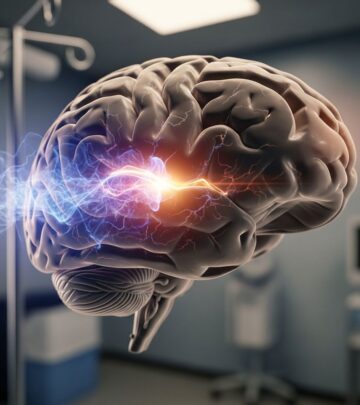
Parkinson’s disease disrupts brain chemistry, leading to non-motor symptoms like mood disorders that often emerge early. These challenges arise from dopamine loss, disease progression, and medication effects, creating a cycle of emotional distress.
- Depression Prevalence: Affects nearly 40% of PD patients, correlating strongly with reduced life satisfaction.
- Anxiety Rates: Seen in 30-40%, often co-occurring with depression and worsening motor function.
- Psychosis Elements: Hallucinations and delusions appear later, impacting up to 60% and linking to cognitive decline.
Recognizing these as integral PD features helps in proactive management, preventing isolation and despair.
Recognizing Signs of Mood Disorders
Distinguishing PD-related mood issues from general stress is crucial. Symptoms include persistent sadness, loss of interest, fatigue, sleep disturbances, and irritability, often intensifying during ‘off’ periods when medications wane.
| Symptom | PD-Specific Features | Common Impact |
|---|---|---|
| Persistent Sadness | Worsens with motor ‘off’ times | Reduces daily motivation |
| Anxiety/Panic | Tied to balance fears or hallucinations | Increases fall risk |
| Apathy | Looks like depression but lacks sadness | Hinders therapy adherence |
| Irritability | Linked to dopamine fluctuations | Strains relationships |
Early screening using tools like the Geriatric Depression Scale aids diagnosis, prompting timely intervention.
Comprehensive Treatment Approaches
Managing mood in PD requires a multifaceted strategy, starting with optimizing PD medications before adding antidepressants.
Medication Strategies
Dopamine agonists like pramipexole show antidepressant effects, improving mood and motor scores in trials. SSRIs and SNRIs are first-line for depression, with evidence of moderate efficacy despite limited PD-specific RCTs.
- SSRIs (e.g., sertraline): Safe, minimal motor interference.
- SNRIs (e.g., venlafaxine): Useful for combined pain and mood.
- For Psychosis: Pimavanserin or clozapine, with monitoring for side effects.
Always adjust PD therapy first to rule out ‘off’-state depression.
Psychotherapy Options
Cognitive behavioral therapy (CBT) rivals medications in reducing depression and anxiety, fostering coping skills without side effects. Tailored CBT emphasizes goal-setting, negative thought challenging, and habit-building.
Weekly sessions over 10-12 weeks yield lasting benefits, especially with care partner involvement.
Physical Activity Benefits
Exercise counters depression via neuroplasticity, reducing inflammation and boosting mood-regulating brain areas. Programs like aerobic training or tai chi lessen symptom severity.
- Aim for 150 minutes weekly of moderate activity.
- Combine with strength training to preserve muscle.
Advanced and Complementary Therapies
Brain Stimulation Techniques
Repetitive transcranial magnetic stimulation (rTMS) targets the prefrontal cortex, matching antidepressant efficacy in PD studies. Protocols involve daily sessions over weeks, offering non-invasive relief.
Related Stories



Electroconvulsive therapy (ECT) excels for severe, treatment-resistant cases, with strong outcomes but no large PD RCTs.
Mindfulness and Alternative Methods
Mindfulness-based interventions reduce anxiety and depression, enhancing quality of life in RCTs. Acupuncture shows promise for mood but lacks psychosis data.
Psilocybin-assisted therapy emerges as experimental, with positive pilot results for mood and motor symptoms when paired with counseling.
Lifestyle Adjustments for Emotional Resilience
Daily habits fortify mental health alongside treatments.
- Sleep Hygiene: Consistent routines combat insomnia common in PD.
- Nutrition: Anti-inflammatory diets support brain health.
- Social Engagement: Support groups reduce isolation.
- Care Partner Role: Shared decision-making improves adherence.
Multidisciplinary teams—neurologists, therapists, trainers—optimize outcomes through trial-and-error adjustments.
Overcoming Barriers to Care
Stigma, underrecognition, and treatment complexity hinder progress. Patients often prioritize motor symptoms, yet mood predicts quality of life most.
Educate on realistic expectations: Symptoms fluctuate, requiring ongoing tweaks. Shared decision-making empowers patients.
FAQs
Is depression a normal part of Parkinson’s?
Yes, it affects up to 38% due to brain changes and disease burden, but treatable with therapy and meds.
How does exercise help mood in PD?
It promotes brain repair, cuts inflammation, and builds confidence through achievements.
Are antidepressants safe with PD medications?
Generally yes, especially SSRIs; monitor for interactions.
What if standard treatments fail?
Consider rTMS, ECT, or clinical trials for advanced options.
Can family help manage mood issues?
Absolutely—join therapy, encourage activity, and watch for symptom changes.
Building a Support Network
Leverage helplines like SAMHSA’s for immediate aid. Organizations such as the Michael J. Fox Foundation offer resources.
Regular check-ins with healthcare teams track progress, adjusting as PD evolves.
References
- Spotlight on the Management of Depression, Anxiety, and Psychosis in People Living with Parkinson Disease — Practical Neurology. 2025-08. https://practicalneurology.com/archives/aug-2025-issue/spotlight-on-the-management-of-depression-anxiety-and-psychosis-in-people-living-with-parkinson-disease/36691/
- Management of Depression in Parkinson’s Disease — PMC (NCBI). 2018-10-19. https://pmc.ncbi.nlm.nih.gov/articles/PMC6174394/
- The Treatment of Depression in Parkinson’s Disease — Journal of Continuing Education. Undated (recent). https://journalce.powerpak.com/ce/the-treatment-of-depression
- Parkinson’s disease – Diagnosis and treatment — Mayo Clinic. Undated (ongoing). https://www.mayoclinic.org/diseases-conditions/parkinsons-disease/diagnosis-treatment/drc-20376062
- Depression in PD | Stanford Parkinson’s Community Outreach — Stanford Medicine. Undated. https://med.stanford.edu/parkinsons/symptoms-PD/depression.html
- National Helpline — SAMHSA (.gov). Ongoing. https://www.samhsa.gov/find-help/helplines/national-helpline
Similar Articles








Read full bio of Sneha Tete