Mood Disorders: Types, Symptoms, and Treatment
Understanding mood disorders: Explore symptoms, causes, and effective treatment options for lasting relief.
What Are Mood Disorders?
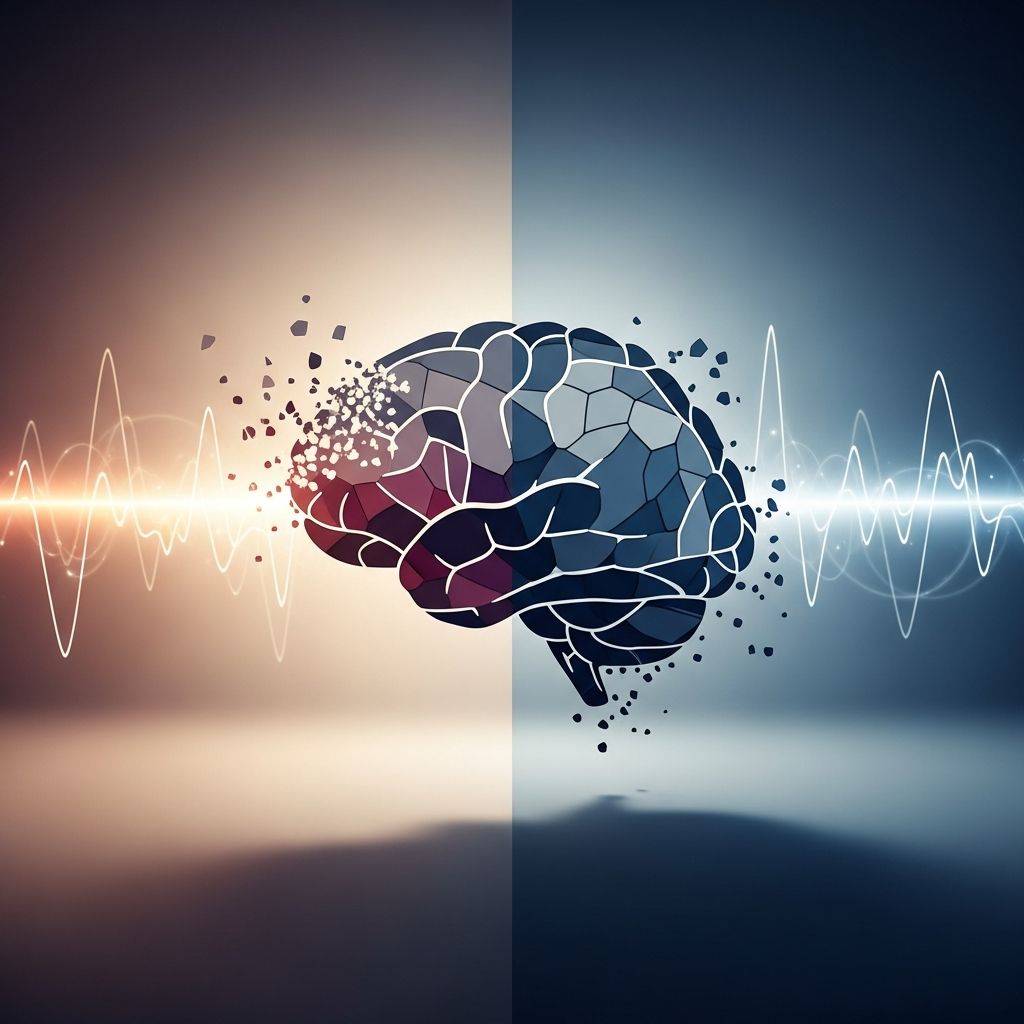
A mood disorder is a mental health condition that primarily affects your emotional state. These conditions can cause persistent and intense sadness, elation, and/or anger that extends far beyond typical emotional fluctuations. Unlike the normal mood variations that everyone experiences, mood disorders create ongoing distress that significantly interferes with daily functioning at work, school, home and in social relationships. Mood disorders are characterized by emotional states that continue for extended periods and result in significant impairment in various life domains.
Millions of people worldwide suffer from mood disorders involving very high moods, very low moods, or both. The key distinction between normal emotional responses and mood disorders is the duration, intensity, and impact on functioning. When feelings of sadness or excitement persist beyond what is situationally appropriate and create ongoing problems in daily living, professional help becomes essential.
Types of Mood Disorders
There are several distinct types of mood disorders, each with unique characteristics and symptom patterns:
Bipolar Disorder
Bipolar disorder is a lifelong mood disorder and mental health condition that causes intense shifts in mood, energy levels, thinking patterns and behavior. These shifts can last for hours, days, weeks or months and interrupt your ability to carry out day-to-day tasks. The condition is characterized by experiencing significant fluctuations in mood referred to as hypomanic/manic and depressive episodes, with periods of normal mood in between known as euthymia.
There are four basic types of bipolar disorder:
- Bipolar I Disorder: Characterized by at least one manic episode lasting at least a week, with or without depressive episodes. Mania involves abnormally elevated or irritable mood with extreme changes in emotions, thoughts, energy, talkativeness and activity level.
- Bipolar II Disorder: Involves hypomanic episodes (less severe than mania) combined with depressive episodes
- Cyclothymia: A condition with less severe mood swings than bipolar I or II
- Other specified bipolar disorder: Bipolar symptoms that don’t fit neatly into other categories
Depression
Depression is a mood disorder that causes a persistent feeling of sadness and loss of interest in things and activities you once enjoyed. This condition goes beyond temporary sadness and represents a significant change in emotional functioning that persists over time.
Disruptive Mood Dysregulation Disorder (DMDD)
Disruptive mood dysregulation disorder (DMDD) is a childhood condition that causes chronic, intense irritability and frequent temper outbursts that are out of proportion to the situation. While it’s normal for children to go through periods of moodiness, DMDD is more severe and longer lasting. The temper outbursts are greatly out of proportion in intensity and/or duration to the situation, and the condition disrupts the child’s daily life. Symptoms need to begin before the age of 10 to meet diagnostic criteria. Unlike bipolar disorder, which involves distinct episodes, the symptoms of DMDD are ongoing.
Symptoms of Mood Disorders
Related Stories



Mood disorders typically have symptoms that affect your mood, sleep, eating behaviors, energy level and thinking abilities such as racing thoughts or loss of concentration.
Depressive Symptoms
In general, depressive symptoms include:
- Persistent sadness or emptiness
- Loss of interest or pleasure in activities you once enjoyed
- Changes in appetite or weight
- Sleep disturbances (insomnia or excessive sleeping)
- Fatigue or loss of energy
- Feelings of worthlessness or guilt
- Difficulty concentrating or making decisions
- Thoughts of death or suicide
Manic and Hypomanic Symptoms
In general, symptoms of hypomanic or manic episodes include:
- Abnormally elevated, expansive, or irritable mood
- Increased energy and activity level
- Decreased need for sleep
- Inflated self-esteem or grandiosity
- Pressured speech
- Racing thoughts
- Distractibility
- Excessive involvement in pleasurable, high-risk activities
Causes and Risk Factors
Researchers believe several factors contribute to the development of mood disorders. The exact causes are complex and not completely understood. However, mood disorders likely develop from a combination of biological, genetic and environmental factors similar to conditions like oppositional defiant disorder and bipolar disorder.
Contributing factors may include:
- Genetic factors: Family history of mood disorders increases risk
- Biological factors: Differences in brain chemistry and neurotransmitter function
- Environmental factors: Stress, trauma, or significant life changes
- Brain structure and function: Variations in areas controlling emotion regulation
Mood disorders may appear out of nowhere, or may be triggered by a traumatic or life-changing event. While feelings of depression or high levels of excitement may seem like appropriate reactions to certain situations, continued distress that creates problems in daily living requires professional help.
Diagnosis
A mental health professional, such as a psychologist or psychiatrist, will conduct an interview or survey, asking questions about your symptoms, sleeping and eating habits and other behaviors. They use criteria in the American Psychiatric Association’s Diagnostic and Statistical Manual of Mental Disorders to make diagnoses of mood disorders.
In general, a mood disorder is diagnosed when sadness, elation, anger or other emotion is:
- Intense and persistent
- Interfering with daily functioning
- Causing significant distress
- Meeting specific diagnostic criteria
Mental health professionals often gather information from multiple sources to develop an accurate diagnosis. For children with suspected DMDD, psychiatrists and psychologists often rely on reports from the child’s parents, siblings, friends and teachers to get a full understanding of their behavior. DMDD can occur at the same time as other conditions associated with irritability, such as attention-deficit/hyperactivity disorder (ADHD) or anxiety disorders.
Treatment Options
Treatment for mood disorders depends on the specific condition and symptoms. Usually, treatment involves a combination of medication and psychotherapy (also called talk therapy). There are also other types of treatment, such as brain stimulation therapy.
Psychotherapy (Talk Therapy)
Psychotherapy, also called talk therapy, is a term for a variety of treatment techniques that aim to help a person identify and change unhealthy emotions, thoughts and behaviors. Psychotherapy takes place with a trained, licensed mental health professional, such as a psychologist or psychiatrist. It can provide support, education and guidance to you and/or your family to help manage mood disorder symptoms.
For conditions like DMDD, psychotherapy is often recommended first before trying medications. Various therapeutic approaches may be utilized depending on the specific diagnosis and individual needs.
Medications
Medications that healthcare providers may prescribe to help treat mood disorders include:
- Antidepressants: Help manage depressive symptoms
- Mood stabilizers: Help regulate mood fluctuations
- Antipsychotics: Used in certain mood disorder presentations
- Anti-anxiety medications: Help manage anxiety symptoms when present
As DMDD is a newly recognized condition, there haven’t been many research studies on its treatment. Current treatments are mainly based on research focused on other childhood conditions associated with irritability, such as anxiety and ADHD. The good news is that many of these treatments also work for DMDD. Medications should be used as needed to treat depression, but with an awareness of the possible side effects and with close patient monitoring.
Other Treatment Approaches
Beyond medication and traditional psychotherapy, other evidence-based treatments include:
- Brain stimulation therapy: Such as electroconvulsive therapy (ECT) or transcranial magnetic stimulation (TMS)
- Lifestyle modifications: Regular exercise, sleep hygiene, and stress management
- Social support: Family involvement and community resources
Key Differences Between Similar Conditions
Understanding distinctions between related conditions is important for proper diagnosis and treatment:
| Condition | Episode Type | Onset Age | Duration | Prognosis |
|---|---|---|---|---|
| Bipolar Disorder | Distinct manic/hypomanic and depressive episodes | Usually adolescence to early adulthood | Episodes last days to months | Lifelong condition |
| DMDD | Ongoing irritability and outbursts | Before age 10 | Chronic, continuous symptoms | Often transitions to depression or anxiety |
| Depression | Depressive episodes only | Any age | Episodes last weeks to months | Treatable; varies by individual |
While similar behaviors may overlap between bipolar disorder and DMDD, the symptoms of bipolar disorder are contained within episodes, while the symptoms of DMDD are ongoing. Additionally, bipolar is less common in children and adolescents, while DMDD typically begins in childhood. Bipolar disorder is usually a lifelong condition, whereas DMDD is more likely to “change” into major depressive disorder or generalized anxiety disorder later in life.
When to Seek Help
Professional help is recommended when:
- Moods persist for extended periods beyond situational circumstances
- Emotional distress creates problems at work, school, or home
- Daily activities are significantly disrupted
- There is significant impairment in social or occupational functioning
- Symptoms are severe enough to cause concern
The Cleveland Clinic Center for Mood Disorders team includes physicians, nurses, social workers, therapists and programming staff that are committed to improving and maintaining the mental health and well-being of patients in the community they serve.
Frequently Asked Questions
Q: Are mood disorders treatable?
A: Yes, mood disorders are treatable. Usually, treatment involves a combination of medication and psychotherapy (also called talk therapy). There are also other types of treatment, such as brain stimulation therapy.
Q: What is the difference between DMDD and bipolar disorder?
A: While similar behaviors may overlap between bipolar disorder and DMDD, the symptoms of bipolar disorder are contained within episodes, while the symptoms of DMDD are ongoing. Bipolar is also less common in children and adolescents, and bipolar disorder is usually a lifelong condition, whereas DMDD is more likely to change into major depressive disorder or generalized anxiety disorder later in life.
Q: Can mood disorders be caused by life events?
A: Mood disorders may appear out of nowhere, or may be triggered by a traumatic or life-changing event. However, researchers believe several factors contribute to the development of mood disorders, including genetic, biological, and environmental factors.
Q: How do mental health professionals diagnose mood disorders?
A: A mental health professional, such as a psychologist or psychiatrist, will conduct an interview or survey, asking questions about your symptoms, sleeping and eating habits and other behaviors. They use criteria in the American Psychiatric Association’s Diagnostic and Statistical Manual of Mental Disorders to make diagnoses of mood disorders.
Q: Is psychotherapy effective for mood disorders?
A: Yes, psychotherapy is an effective treatment for mood disorders. Psychotherapy, also called talk therapy, is a term for a variety of treatment techniques that aim to help a person identify and change unhealthy emotions, thoughts and behaviors.
References
- Disruptive Mood Dysregulation Disorder (DMDD) — Cleveland Clinic. 2024. https://my.clevelandclinic.org/health/diseases/24394-disruptive-mood-dysregulation-disorder-dmdd
- Bipolar Disorder (Manic Depression): Symptoms & Treatment — Cleveland Clinic. 2024. https://my.clevelandclinic.org/health/diseases/9294-bipolar-disorder
- Cleveland Clinic Center for Mood Disorders Treatment and Research — Cleveland Clinic. 2024. https://www.ccf.org/lp/mood-disorders/index.html
- Diagnosing and treating bipolar disorder in primary care — Cleveland Clinic Journal of Medicine. 2018. https://www.ccjm.org/content/85/8/601
- Mood Disorders: What They Are, Symptoms & Treatment — Cleveland Clinic. 2024. https://my.clevelandclinic.org/health/diseases/17843-mood-disorders
Similar Articles








Read full bio of Sneha Tete