Morbilliform Drug Reaction: Symptoms, Causes & Treatment Guide
Understanding the most common drug-induced skin eruption: causes, symptoms, diagnosis, and management strategies.
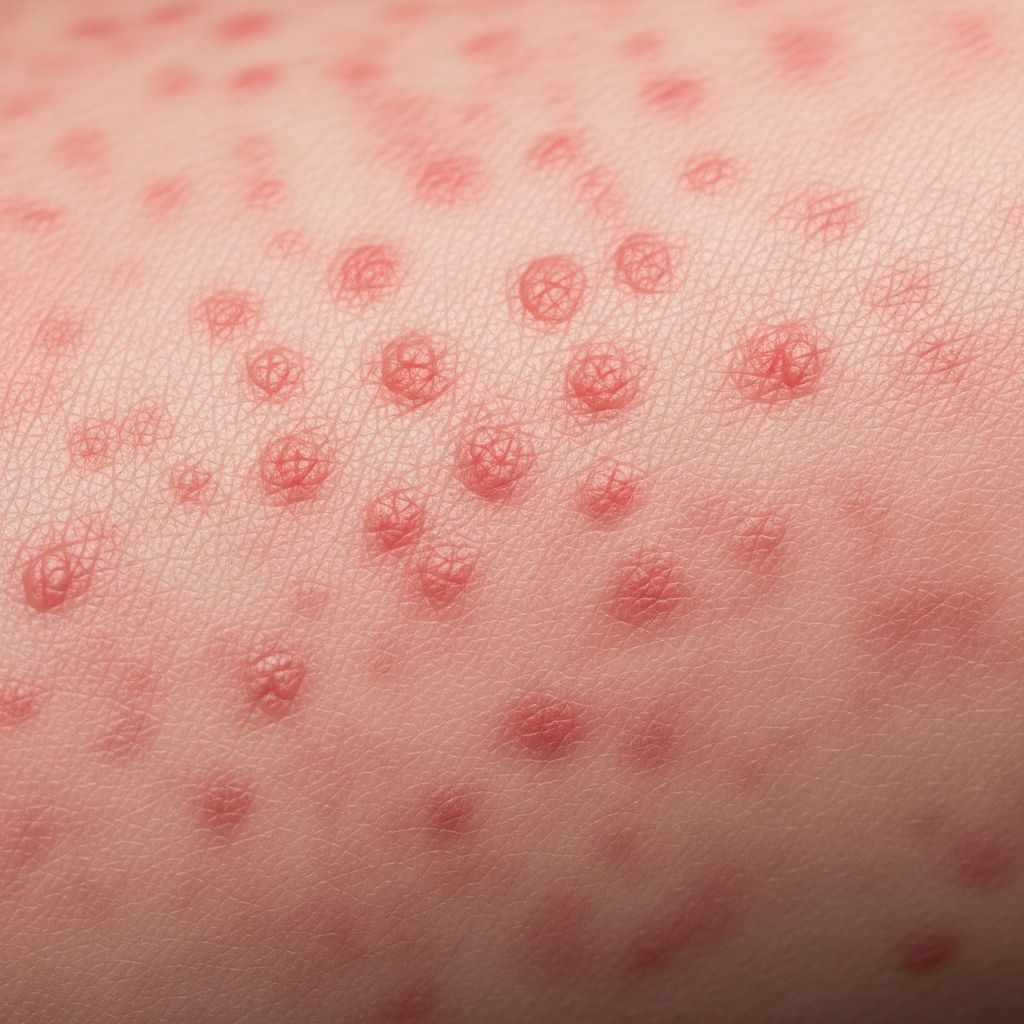
Morbilliform drug eruption, also known as maculopapular drug eruption or exanthematous drug eruption, represents the most prevalent type of cutaneous adverse reaction to medications. This hypersensitivity response manifests as a widespread rash resembling viral exanthems, such as those seen in measles (morbilli), hence the name. Antibiotics, particularly beta-lactams, are the primary culprits, affecting approximately 2% of new prescriptions.
What is morbilliform drug eruption?
Morbilliform drug eruptions account for about 95% of all drug-induced skin reactions. They arise from a delayed hypersensitivity mechanism involving T-cell mediated immunity, classified as a Type IVc reaction per the Gell and Coombs classification. The immune response targets the drug, its metabolites, or drug-protein complexes, leading to cytokine release and inflammation.
These eruptions typically develop 5–14 days after initiating the offending drug on first exposure, or within 1–3 days upon re-challenge. Chronic use over months rarely triggers this reaction, emphasizing the role of sensitization.
Who gets morbilliform drug eruption?
Any individual receiving medications can develop this eruption, but certain groups face higher risks. Common predisposing factors include:
- Previous exposure to the drug or cross-reacting agents, leading to faster onset on re-exposure.
- Concurrent viral infections, which may amplify the reaction.
- Genetic predispositions, such as HLA alleles linked to severe cutaneous adverse reactions (SCAR), though less common in uncomplicated cases.
- Polypharmacy, where multiple drugs increase the likelihood of identifying a culprit.
Reaction rates are notably high with antibiotics (1–8%), sulfonamides, NSAIDs, anticonvulsants, and allopurinol. Studies report incidences of 2–3% in patients on multiple medications.
Causes of morbilliform drug eruption
Numerous pharmaceuticals have been implicated, with antibiotics topping the list. High-risk drugs include:
- Beta-lactam antibiotics: Penicillins (e.g., amoxicillin, ampicillin) and cephalosporins, with rates up to 2–8%.
- Sulfonamides: Including co-trimoxazole, showing elevated reporting rates.
- Anti-epileptics: Such as carbamazepine and phenytoin.
- NSAIDs: Including aspirin and dipyrone, more often causing urticarial variants but also morbilliform types.
- Other agents: Allopurinol, gold compounds, fluoroquinolones, and even herbal remedies.
A drug calendar tracking initiation dates versus rash onset is invaluable for pinpointing suspects: drugs started 1–2 weeks prior are most likely causative.
Clinical features of morbilliform drug eruption
The eruption symmetrically begins on the trunk, spreading to extremities, neck, and occasionally the face. Primary lesions are erythematous macules or papules (1–5 mm), coalescing into plaques. Key characteristics include:
- Appearance: Pink-to-red, blanching on pressure initially.
- Symptoms: Mild pruritus and low-grade fever in 25–50% of cases.
- Evolution: Peaks in 3–5 days; resolves with desquamation over 1–2 weeks post-drug cessation.
| Feature | Description |
|———|————-|
| Onset | 5–14 days first exposure; 1–3 days re-exposure |
| Distribution | Trunk → limbs, symmetrical |
| Lesions | Macules/papules → plaques |
| Resolution | 1–2 weeks with peeling |
Complications of morbilliform drug eruption
Most cases are benign, but early stages may mimic severe reactions. Hospitalization is warranted for:
Related Stories



- High-risk features: Facial edema, mucosal involvement, Nikolsky sign, lymphadenopathy >2 cm, atypical rash progression.
- Systemic signs: Fever >38.5°C, elevated liver enzymes >5x upper limit.
- Progression to SCAR: Drug reaction with eosinophilia and systemic symptoms (DRESS), Stevens-Johnson syndrome/toxic epidermal necrolysis (SJS/TEN), acute generalized exanthematous pustulosis (AGEP).
Continuation of the drug risks exacerbation, blistering, or visceral involvement.
Diagnosis of morbilliform drug eruption
Diagnosis relies on clinical suspicion: temporal association, morphology, and drug history. Supportive tools include:
- Drug calendar: Classify drugs as unlikely (<1 day or >2 months prior) vs. probable (1–3 weeks).
- Lab tests (if indicated): CBC (eosinophilia), LFTs, RFTs, viral serology.
- Confirmatory tests (post-resolution): Patch testing (sensitivity 50–70%), lymphocyte transformation test (LTT, 73% sensitivity).
Differential diagnoses encompass infectious exanthems (measles, rubella, scarlet fever), Kawasaki disease, connective tissue disorders, and graft-versus-host disease.
Treatment of morbilliform drug eruption
Immediate discontinuation of the suspect drug is paramount, leading to improvement within 48 hours. Symptomatic management includes:
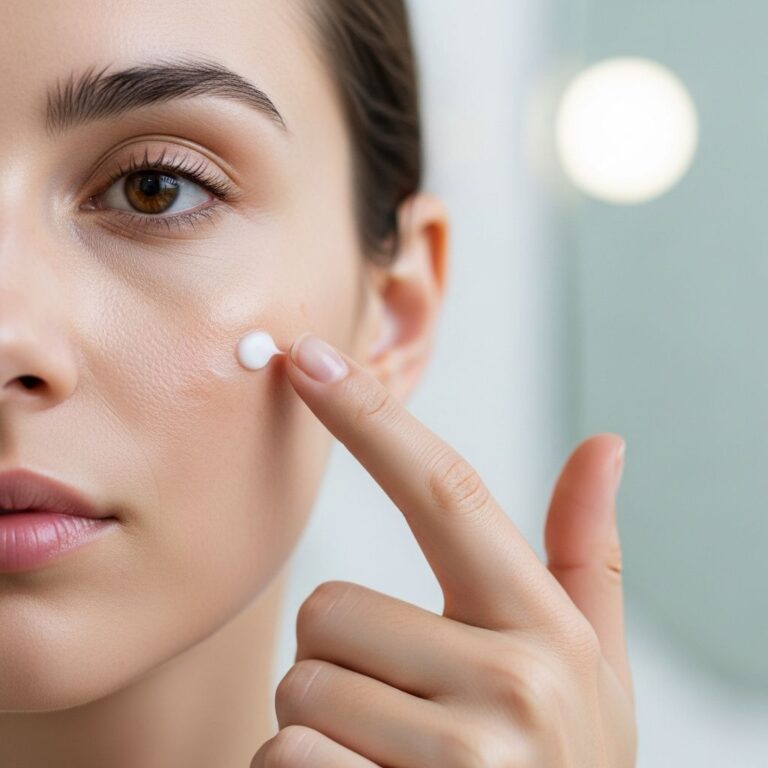
- Topical: Moderate-potency corticosteroids (e.g., hydrocortisone 1% for mild; betamethasone for severe itch).
- Oral: Antihistamines (loratadine, cetirizine) for pruritus; short-course prednisone (0.5–1 mg/kg) if extensive.
- Severe cases: Hospitalization, IV fluids, systemic steroids, monitoring for SCAR.
Avoid re-exposure to the culprit or cross-reactive drugs.
Prevention of morbilliform drug eruption
Complete prevention is challenging, but strategies include:
- Vigilant prescribing: Choose alternatives for high-risk patients (e.g., azithromycin over beta-lactams).
- Patient education: Report rashes promptly.
- Graded challenge or desensitization for confirmed allergies in select cases.
- Pre-treatment screening: HLA testing for high-risk drugs like carbamazepine in certain populations.
Outlook for morbilliform drug eruption
With prompt drug cessation, resolution occurs in 1–2 weeks without sequelae. Hyperpigmentation may linger in darker skin types. Recurrence is rare unless re-exposed; cross-reactivity (e.g., penicillins/cephalosporins ~10%) must be noted. Long-term allergy documentation prevents future issues.
Frequently asked questions about morbilliform drug reaction
What does a morbilliform drug rash look like?
It appears as symmetrical pink-red macules and papules starting on the trunk, spreading to limbs, often itchy with mild fever.
How long does it take for a morbilliform eruption to appear?
Typically 1–2 weeks after starting the drug; faster (1–3 days) on re-exposure.
Which drugs most commonly cause morbilliform reactions?
Antibiotics (penicillins, cephalosporins, sulfonamides), NSAIDs, anticonvulsants, allopurinol.
Is a morbilliform drug eruption dangerous?
Usually benign, but monitor for progression to severe forms like DRESS or SJS/TEN requiring urgent care.
How is the cause of a morbilliform rash identified?
Via drug calendar, history, and post-event tests like patch testing or LTT.
What is the treatment for morbilliform drug eruption?
Stop the drug, use topical steroids and antihistamines; systemic steroids if severe.
(Word count: 1678)
References
- Morbilliform drug reaction (maculopapular drug eruption) — DermNet NZ. 2023. https://dermnetnz.org/topics/morbilliform-drug-reaction
- Morbilliform drug eruptions — UT Southwestern Elsevier Pure. 2022-06-01. https://utsouthwestern.elsevierpure.com/en/publications/morbilliform-drug-eruptions
- Rates of Cutaneous Reactions to Drugs — JAMA Dermatology. 2001-03-01. https://jamanetwork.com/journals/jamadermatology/fullarticle/478353
- Deadly drug rashes: Early recognition and multidisciplinary care — Cleveland Clinic Journal of Medicine. 2023-06-01. https://www.ccjm.org/content/90/6/373
Similar Articles








Read full bio of Sneha Tete