Morning Bed Stretches: Start Your Day Right
Discover simple stretches you can do before getting out of bed to energize your body and improve flexibility.
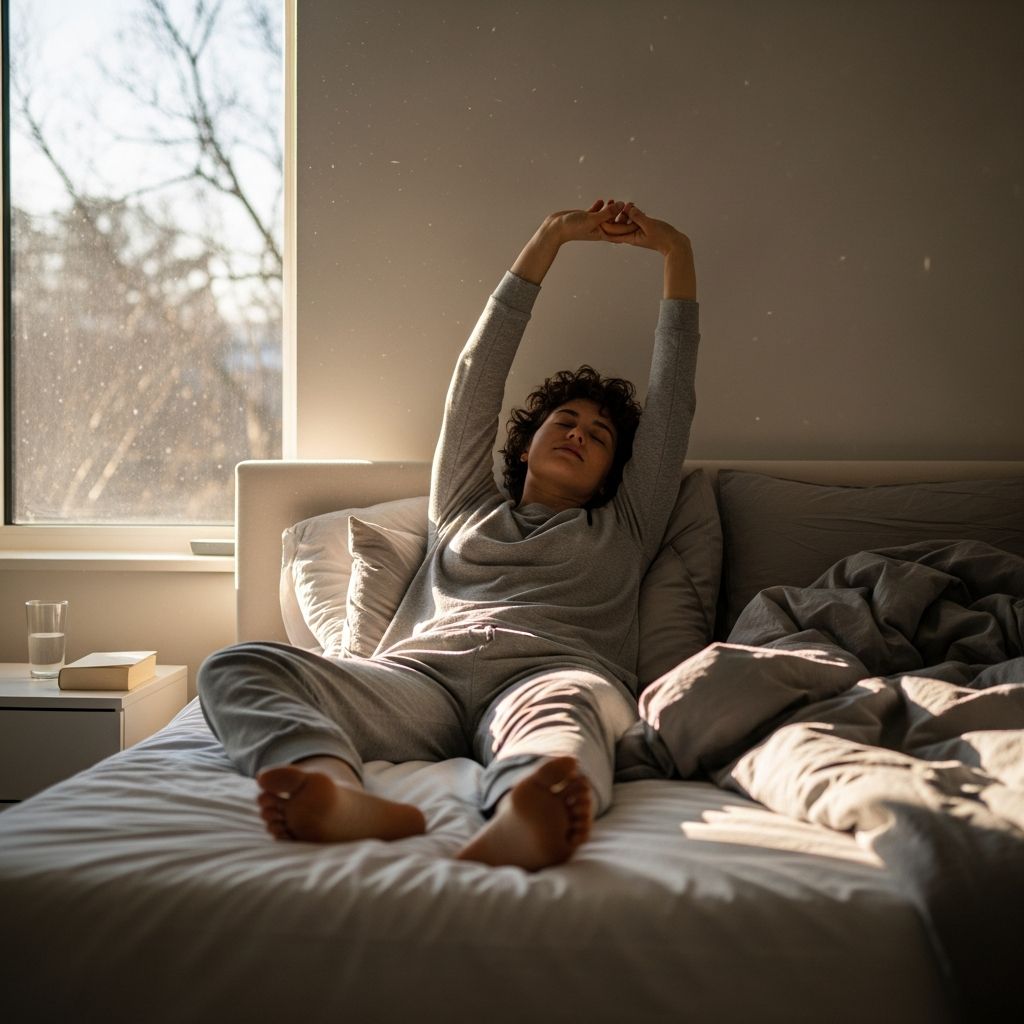
Many of us rush out of bed in the morning without taking a moment to prepare our bodies for the day ahead. Yet incorporating just a few minutes of gentle stretching while still in bed can significantly enhance your physical well-being, mental clarity, and overall energy levels. These simple movements require no special equipment, no need to get dressed, and can be performed in the comfort of your own bed. Whether you’re stiff from sleep or looking to ease into your day more gradually, morning bed stretches offer an accessible and effective way to improve flexibility, increase circulation, and reduce muscle tension before your feet even touch the floor.
Why Stretch in Bed?
The transition from sleep to wakefulness is an ideal opportunity to gently mobilize your body. During sleep, your muscles become relatively inactive, and your body naturally becomes stiff. By performing stretches while still in bed, you prepare your muscles, joints, and connective tissues for movement before engaging in more demanding activities. This practice can help prevent injury, reduce soreness, and improve your overall range of motion.
Morning bed stretches offer multiple benefits that extend beyond simple flexibility. They help activate your nervous system, increase blood flow to your muscles, and can improve circulation throughout your body. This increased circulation delivers oxygen and nutrients to your muscles and organs, supporting optimal function and cellular health. Additionally, performing stretches with mindful breathing can activate your parasympathetic nervous system, promoting relaxation and reducing stress hormones like cortisol before you even begin your day.
The Science Behind Stretching
Research demonstrates that regular stretching provides measurable improvements in flexibility and range of motion. A study referenced by Colorado State University’s Department of Health and Exercise Science found that stretching five times per week for six weeks increased range of motion by up to 2.4 degrees per week in each muscle group, with benefits appearing even with stretching durations as short as 15 seconds. This means that even brief morning stretching sessions can yield significant results over time.
Beyond physical flexibility, stretching has been shown to increase serotonin levels, potentially reducing stress, depression, and anxiety. For many people, the mental and emotional benefits of stretching are just as important as the physical improvements. Starting your morning with stretches can create a mental reset, enhancing your overall well-being and productivity throughout the day.
Key Muscle Groups to Focus On
Harvard Health Publishing recommends focusing on areas crucial for movement and daily function. These key muscle groups include your calves, hamstrings, hip flexors, and quadriceps, along with your shoulders, neck, and lower back. By targeting these areas in the morning, you address the muscle groups most affected by sleep and sitting, preparing your body for optimal movement throughout the day.
Hip Flexors: These muscles tighten significantly during sleep and prolonged sitting. Stretching them in bed can help counteract the negative effects of extended bed rest and prepare you for standing and walking.
Hamstrings: Located on the back of your thighs, hamstrings often become tight overnight. Gentle stretching of these muscles improves your ability to bend forward and reduces strain on your lower back.
Related Stories



Quadriceps: These powerful muscles on the front of your thighs benefit from gentle stretching that prepares them for the walking, climbing, and other activities you’ll perform throughout your day.
Calves: Your calf muscles can become quite tight during sleep, especially if you sleep with your toes pointed. Stretching them improves your ankle mobility and reduces the risk of cramping.
Shoulders and Neck: Many people unconsciously tense their shoulders and neck during sleep. Morning stretches in these areas can release accumulated tension and improve your posture for the day ahead.
Lower Back: Your lower back supports your entire body throughout the day. Gentle stretching while in bed can activate this area, reduce stiffness, and support spinal health.
Effective Morning Bed Stretches
The Knee-to-Chest Stretch
This fundamental stretch targets your lower back, glutes, and hip flexors. While lying on your back, gently pull one knee toward your chest, holding the stretch for 30 seconds without bouncing. Feel the tension in your hip and lower back, but avoid pain. Repeat on the other side. This stretch helps release tension that accumulates from lying down all night.
The Figure-Four Stretch
From your back, cross one ankle over the opposite knee, creating a figure-four shape with your legs. Gently pull the bottom leg toward your chest to deepen the stretch. Hold for 30 seconds on each side. This stretch is particularly effective for releasing tightness in your glutes and outer hips.
The Hamstring Stretch
While lying on your back, bend one knee and place your foot flat on the bed. Keeping the other leg extended, wrap your hands around the back of the bent leg’s thigh and gently pull it toward your chest. Hold for 30 seconds, feeling the stretch along the back of your thigh. This prepares your hamstrings for standing and walking.
The Spinal Twist
From your back, pull one knee toward your chest, then gently lower it across your body toward the opposite side while keeping your shoulders flat on the bed. Hold for 30 seconds on each side. This stretch mobilizes your spine, aids digestion, and releases lower back tension.
The Cat-Cow Stretch
While on your hands and knees in bed, alternate between two positions: first, arch your back gently, lifting your head slightly (cow position); then, round your spine gently, tucking your chin (cat position). Move slowly and deliberately, holding each position for a few seconds. This dynamic stretch mobilizes your entire spine and prepares your core for activity.
The Shoulder and Neck Stretch
While sitting up in bed, gently tilt your head toward one shoulder, feeling the stretch on the opposite side of your neck. Hold for 30 seconds, then repeat on the other side. You can also bring one arm across your body at shoulder height to stretch your shoulder muscles. These stretches release tension from your neck and shoulders that often accumulates during sleep.
Proper Stretching Technique
To maximize the benefits of your morning bed stretches and prevent injury, it’s important to follow proper technique. Harvard Health Publishing advises holding each stretch for 30 seconds without bouncing, feeling tension but not pain. Bouncing movements can cause muscle fibers to contract rather than lengthen, reducing the effectiveness of your stretches and potentially increasing injury risk.
When starting a stretching routine, begin with 2-3 sessions per week, holding each stretch for 15-30 seconds. As you become more comfortable and flexible, you can increase to 60-second holds and perform stretches daily. Remember that flexibility takes time; it may take weeks or months to see significant improvement, and consistent effort is needed to maintain gains.
Always approach stretching mindfully—listen to your body and avoid overextending. There’s a critical difference between feeling mild tension and experiencing pain. Tension indicates the stretch is working; pain indicates you’ve gone too far. Stop immediately if you experience discomfort or pain.
Breathing and Mindfulness During Stretching
The combination of stretching with mindful breathing amplifies the benefits of your morning routine. Slow, deep breathing activates your parasympathetic nervous system, the part of your body responsible for relaxation and recovery. As you perform each stretch, breathe deeply and slowly, inhaling through your nose and exhaling through your mouth. Never hold your breath while stretching, as this creates unnecessary tension.
By pairing physical stretching with conscious breathing and present-moment awareness, you transform your morning bed routine into a meditation-like practice. This mind-body connection helps reduce mental stress, improve clarity, and establish a calm, centered tone for your entire day before your feet even touch the floor.
Integrating Bed Stretches Into Your Morning Routine
The key to reaping stretching’s full benefits is consistency. Aim to dedicate 5-10 minutes each morning to your bed stretching routine. This small investment of time can yield significant returns in flexibility, energy, and overall well-being throughout your day. To make stretching a habit, anchor it to your natural waking process—perform your stretches immediately upon waking, before checking your phone or getting out of bed. This ensures you’ll maintain consistency and establish a powerful morning ritual.
For optimal results, gradually expand your routine as it becomes more ingrained. Start with just the most important stretches—perhaps the knee-to-chest, spinal twist, and hamstring stretches—then add additional stretches as your flexibility improves and you become more comfortable with the practice.
Special Considerations and Modifications
If you have any pre-existing injuries, chronic pain conditions, or medical concerns, consult with your healthcare provider or a physical therapist before beginning a new stretching routine. They can recommend modifications or alternative stretches that are appropriate for your specific situation.
For those with limited mobility or arthritis, gentle, shorter stretches may be more appropriate. Never force your body into deeper stretches; instead, work within your comfortable range and gradually expand it over time. Additionally, if you’re pregnant, recovering from an injury, or have recently undergone surgery, seek professional guidance before beginning any new exercise routine.
The Long-Term Benefits of Morning Stretching
By incorporating regular morning bed stretches into your routine, you’re investing in your long-term health and well-being. Over time, you’ll likely notice improved flexibility, reduced muscle tension, better posture, and enhanced physical performance in your daily activities. Beyond the physical benefits, many people report improved mood, reduced anxiety, and greater mental clarity when they maintain a consistent stretching practice.
Maintaining flexibility through regular stretching supports your ability to remain independent and mobile throughout your life. Flexibility is particularly important as we age, helping us maintain the ability to perform everyday tasks with ease and reducing our risk of falls and injury.
Common Questions About Morning Bed Stretches
Q: How long does it take to see improvements in flexibility?
A: While some people feel immediate relief from tension, significant improvements in flexibility typically take weeks or months of consistent practice. Research shows measurable gains after 6 weeks of regular stretching, but individual results vary based on your starting point and consistency.
Q: Is it better to stretch before or after exercise?
A: Morning bed stretches are gentle and don’t require a warm-up. However, if you exercise later in the day, light dynamic stretching before exercise and static stretching (like your bed stretches) after exercise is generally recommended for optimal results.
Q: Can stretching in bed help with back pain?
A: Yes, gentle stretching of your back, hip flexors, hamstrings, and lower back muscles can help reduce pain and tension. However, if you have chronic back pain, consult a healthcare provider or physical therapist for guidance on appropriate stretches.
Q: Should I stretch every morning or just some days?
A: While daily stretching provides the most benefits, even stretching 3-5 times per week will yield positive results. Aim for consistency—a regular schedule is more beneficial than sporadic intensive sessions.
Q: Can I do bed stretches if I have arthritis?
A: Gentle stretching can help maintain mobility for those with arthritis, but consult your doctor or physical therapist first. They may recommend specific modifications or alternative stretches appropriate for your condition.
Q: How many stretches should I do each morning?
A: Focus on the major muscle groups mentioned—calves, hamstrings, hip flexors, quadriceps, shoulders, neck, and lower back. Performing 6-8 different stretches, holding each for 30 seconds, takes about 5-10 minutes and provides comprehensive benefits.
Conclusion
Starting your day with morning bed stretches is a simple yet powerful way to enhance your physical health, mental well-being, and overall quality of life. These accessible exercises require no special equipment, no need to leave your bed, and can be integrated into your morning routine in just 5-10 minutes. By dedicating this small amount of time to stretching before you get out of bed, you prepare your body and mind for the day ahead, increase your flexibility and circulation, reduce muscle tension, and establish a calm, positive tone for everything that follows.
The beauty of morning bed stretches lies in their simplicity and accessibility. Whether you’re young or old, flexible or stiff, athletic or sedentary, there are stretches appropriate for your current fitness level. Start where you are, listen to your body, and gradually expand your routine as your flexibility improves. With consistent practice, you’ll experience measurable improvements in your range of motion, reduced muscle tension, better posture, and enhanced overall wellness. Make morning bed stretches a non-negotiable part of your daily routine, and experience the profound positive impact they can have on your physical and mental health.
References
- Harvard’s Groundbreaking Findings on Stretching for Energy and Longevity — Harvard Health Publishing. 2024. https://heal.me/articles/harvard-s-groundbreaking-findings-on-stretching-for-energy-and-longevity
- Relief for chronic pain through stretching and deep-breathing exercises — Journal of Complementary and Integrative Medicine. 2018. (Study findings on neck discomfort relief)
Similar Articles








Read full bio of Sneha Tete