Understanding Morning Eye Crust: Causes and When to Seek Care
Learn what causes crusty eyes upon waking and when it signals a need for medical attention.
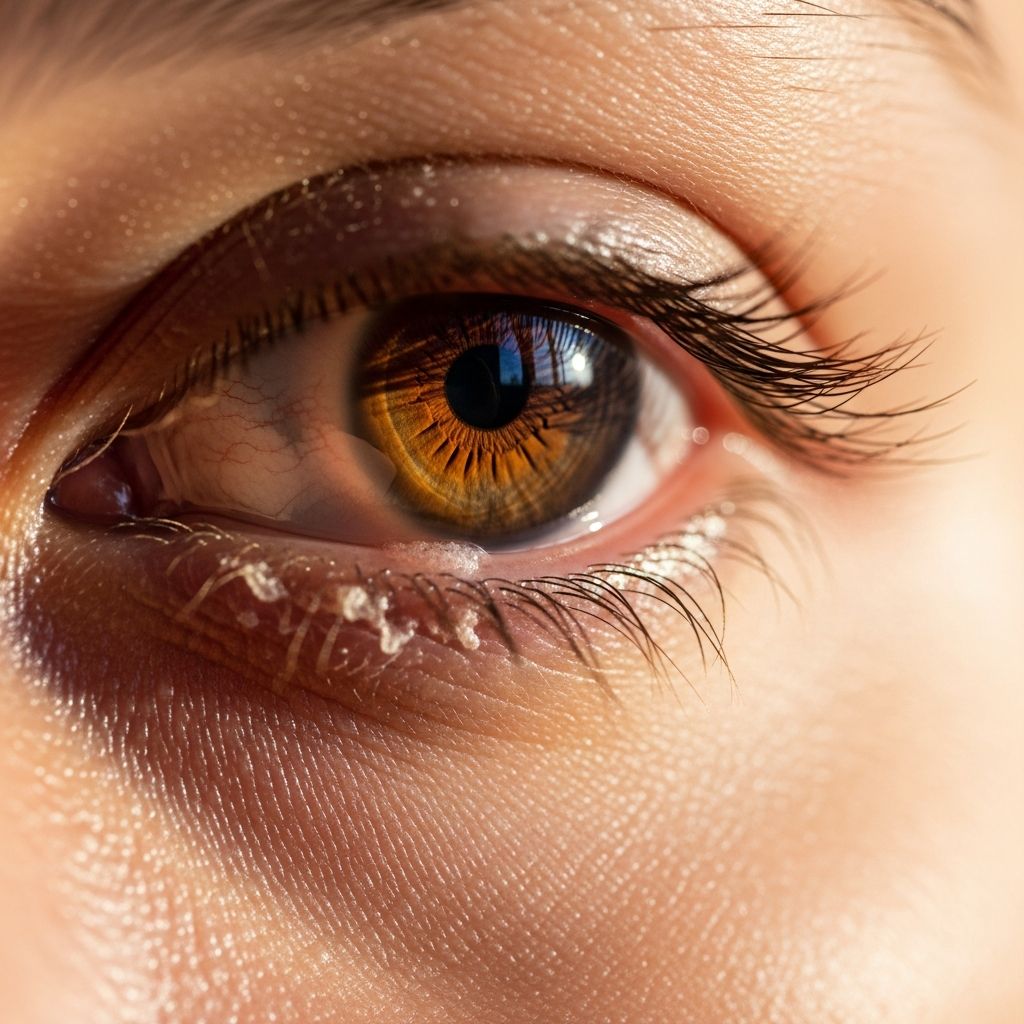
Nearly everyone experiences some form of crusty material accumulating in the corners of their eyes upon waking. This common phenomenon, medically termed rheum, is a natural byproduct of the eye’s nighttime biology. While small amounts are completely normal and harmless, understanding what constitutes healthy eye discharge versus a warning sign of underlying conditions is essential for maintaining optimal eye health.
The Biological Basis of Overnight Eye Accumulation
The human eye continuously produces protective secretions throughout the day and night. These secretions include mucus, tears, oils from specialized glands, and naturally shed skin cells from the eyelid margins. During waking hours, the eye’s natural cleaning mechanism—blinking—occurs approximately 10 to 20 times per minute. Each blink distributes these secretions across the eye’s surface, preventing accumulation.
When you sleep, this critical blinking reflex ceases entirely. Without the mechanical action of blinking to distribute and wash away these materials, they begin to collect in the eye’s inner corners. Gravity plays an additional role, pulling the accumulated debris toward the eye’s medial canthus—the inner corner where the upper and lower eyelids meet. Over the course of several hours of sleep, these materials dry and harden, forming the crusty substance commonly referred to as “sleep,” “eye gunk,” or “sleep crust.”
The composition of this discharge reflects the eye’s normal protective and lubricating systems. The mucus component serves as a protective barrier, tears provide nourishment and antibacterial protection, oils maintain the tear film’s stability, and exfoliated skin cells represent the normal turnover of eyelid tissue. This combination is entirely natural and indicates that your eye’s physiological systems are functioning as designed.
Distinguishing Normal Rheum from Problematic Discharge
A key indicator of whether your morning eye discharge requires medical attention is its appearance. Normal, healthy sleep crust typically exhibits the following characteristics:
- Clear, white, or very light cream coloration
- Minimal volume, often barely noticeable to some individuals
- Consistency that may vary from dry and crusty to slightly sticky
- Location limited to the inner corners of the eyes
- Absence of accompanying symptoms such as pain, redness, or vision changes
Variability in the amount of discharge individuals experience is completely normal. Some people produce so little that they rarely notice its presence, while others consistently find small but visible amounts upon waking. Seasonal factors can also influence the quantity produced, with many people experiencing increased discharge during allergy season or when environmental conditions cause temporary eye dryness.
Conversely, discharge that displays the following characteristics warrants professional evaluation:
- Yellow, green, or gray coloration
- Excessive volume that accumulates throughout the day
- Foul odor or appearance suggesting purulent material
- Discharge concentrated in a single eye
- Accompanying symptoms including eye pain, light sensitivity, blurred vision, or redness
- Discharge thick enough to cause the eyelids to stick together upon waking
Related Stories



Common Conditions Associated with Abnormal Eye Discharge
Bacterial and Viral Conjunctivitis
Conjunctivitis, commonly known as pink eye, represents one of the most frequent causes of abnormal eye discharge. This condition involves inflammation of the conjunctiva, the delicate membrane lining the white portion of the eye and the inner eyelid surface. Bacterial conjunctivitis typically produces thick, yellowish-green discharge that tends to accumulate more heavily overnight than viral forms. The infected eye often appears noticeably red, feels gritty beneath the eyelid, and may cause discomfort described as a foreign body sensation.
Viral conjunctivitis generally produces a watery discharge rather than thick mucus, though morning crusting can still occur. Both forms are highly contagious and spread through direct contact, contaminated hands, or shared personal items such as towels or eye makeup.
Blepharitis and Eyelid Inflammation
Blepharitis encompasses a group of conditions characterized by chronic inflammation of the eyelid margins. This inflammation often involves the meibomian glands, specialized oil-producing structures located at the eyelash base. When these glands become blocked or produce abnormally thick secretions, excessive eye discharge results. Individuals with blepharitis frequently experience white or yellowish foamy discharge, eyelid swelling, a sensation of grittiness, and sometimes redness extending beyond just the eye whites.
The condition can develop from various underlying causes, including bacterial colonization, skin conditions like rosacea or seborrheic dermatitis, or the presence of demodex mites on the eyelid margin. Unlike acute infections that develop suddenly, blepharitis typically develops gradually and persists chronically, requiring ongoing management rather than simple antibiotic treatment.
Meibomian Gland Dysfunction
Closely related to blepharitis, meibomian gland dysfunction (MGD) involves insufficient or abnormal oil production from these critical eyelid structures. Rather than producing the clear, mobile oil that normally contributes to a stable tear film, the glands release thick, viscous secretions. This dysfunction results from low-grade chronic inflammation within the glands themselves. The thickened secretions accumulate overnight, producing gunky, excessive discharge that differs noticeably from the light, clear rheum associated with healthy eyes.
Styes and Localized Eyelid Infections
A stye, medically termed a hordeolum, develops when bacteria infect an oil gland at the eyelash base or an eyelash follicle itself. Unlike systemic eye conditions that affect both eyes, styes typically manifest in a single eye, causing localized crusting, redness, swelling, and often pain. The discharge is frequently yellowish or purulent in character. Styes resemble small pimples on the eyelid margin and can make blinking uncomfortable or painful until the infection resolves.
Blocked Tear Ducts
Tear ducts serve as drainage pathways for tears and eye secretions, preventing excessive accumulation on the eye’s surface. When these ducts become obstructed, normal drainage is impaired, leading to increased discharge accumulation. Individuals with blocked tear ducts often notice white or yellowish mucus collecting in the eye’s inner corners, along with excessive tearing, eye discomfort, and sometimes redness or mild swelling.
Blockages can result from various causes, including infection, inflammation, structural abnormalities, or age-related changes. Dacryocystitis, inflammation specifically affecting the tear duct system, represents a more serious condition in which bacteria trapped behind the blockage cause infection, producing painful inflammation and purulent discharge.
When Seasonal and Environmental Factors Play a Role
Environmental conditions significantly influence eye discharge production in many individuals. Allergic reactions triggered by pollen, dust mites, pet dander, or mold during high-exposure seasons increase both tears and mucus production as the eye attempts to flush irritating substances. This increased baseline production naturally results in more noticeable accumulation by morning.
Dry eye conditions, paradoxically, can also increase discharge. When the tear film becomes unstable due to insufficient aqueous component or excessive evaporation, the eye compensates by increasing mucus production, attempting to stabilize the surface. This reactive increase in mucus, combined with already compromised tear drainage, can lead to more prominent morning discharge.
Additionally, exposure to environmental irritants such as smoke, air pollution, chlorine, or harsh indoor heating during winter months can trigger temporary increases in eye discharge as the eye’s protective mechanisms work to manage irritation.
Assessment Guidelines for Deciding on Professional Evaluation
Determining whether morning eye discharge warrants professional attention requires considering multiple factors beyond appearance alone. The following decision framework helps guide whether to schedule an eye care appointment:
| Finding | Urgency Level | Recommended Action |
|---|---|---|
| Clear or white discharge, minimal volume, no symptoms | No urgency | Normal; observe for changes |
| Slightly increased discharge during allergy season | Low | Monitor; consider allergy management |
| Yellow or green discharge, eye redness, pain | Moderate | Schedule appointment within 1-2 days |
| Heavy discharge gluing eyes shut, fever, severe pain | High | Seek urgent care or emergency evaluation |
| Discharge with vision changes, light sensitivity | High | Immediate professional evaluation |
Home Care and Management Strategies
For individuals experiencing normal, healthy sleep crust, simple daily hygiene practices suffice for management. Gentle cleansing with a clean, damp cloth upon waking effectively removes the accumulated discharge. Avoiding touching or rubbing the eyes with unclean hands prevents introducing bacteria that could cause infection.
For those with mild, non-infectious discharge increases, maintaining good lid hygiene helps minimize symptoms. Warm compresses applied to closed eyelids for 5-10 minutes several times daily can help soften and mobilize thickened meibomian gland secretions. Gentle massage of the eyelid margins following warm compresses further encourages proper gland function.
Ensuring adequate tear production through environmental humidity, proper hydration, and reduced screen time benefits overall eye health and may decrease discharge in some individuals. If environmental irritants or allergens contribute to increased discharge, minimizing exposure provides relief.
Professional Treatment Approaches for Abnormal Discharge
Eye care professionals employ different treatment strategies depending on the underlying cause of abnormal discharge. Infectious conjunctivitis typically requires topical antibiotic drops for bacterial forms or supportive care for viral infections, which resolve independently within 7-14 days. Proper application technique and strict hygiene prevent transmission to the unaffected eye.
Blepharitis and meibomian gland dysfunction benefit from combination approaches including regular eyelid hygiene, warm compresses, and sometimes prescription topical medications or oral antibiotics at low doses for their anti-inflammatory properties. More severe cases may warrant in-office treatments such as thermal meibomian gland expression or specialized procedures that improve gland function.
Blocked tear ducts may respond to conservative management with warm compresses and massage, while persistent cases sometimes require probing or other interventional procedures to restore normal drainage. Systemic infections like dacryocystitis require prompt antibiotic therapy to prevent serious complications.
Frequently Asked Questions
Is it normal to have sleep crust every morning?
Yes, most people naturally produce some amount of eye discharge overnight. The quantity varies significantly between individuals and can fluctuate based on environmental conditions and eye health status.
What’s the difference between normal rheum and concerning discharge?
Normal discharge appears clear, white, or light cream-colored, with minimal volume and no accompanying symptoms. Concerning discharge exhibits yellow or green color, excessive volume, eye pain, redness, or vision changes.
Can I prevent morning eye crust?
While you cannot eliminate normal rheum production, maintaining good eyelid hygiene and treating underlying conditions like allergies or dry eye can reduce excessive accumulation.
Should I be concerned about discharge in only one eye?
Asymmetrical discharge may indicate a localized infection such as a stye, blocked tear duct in that eye, or unilateral conjunctivitis, warranting professional evaluation.
Can sleep crust indicate serious eye conditions?
While normal rheum is benign, abnormal discharge characteristics can signal infections or chronic inflammatory conditions requiring diagnosis and treatment to prevent complications.
References
- What can cause crusty eyes in the morning? — Medical News Today. 2024. https://www.medicalnewstoday.com/articles/crusty-eyes-in-the-morning
- Is That Morning ‘Eye Gunk’ Normal? — University of Utah Health. 2025. https://healthcare.utah.edu/healthfeed/2025/10/morning-eye-gunk-normal
- What Causes Crusty Eyes in the Morning? — Prevention. 2024. https://www.prevention.com/health/a62569506/crusty-eyes-morning-sleep/
- Eye Discharge: Causes, Types and Treatment — All About Vision. https://www.allaboutvision.com/conditions/symptoms/eye-discharge/overview-of-eye-discharge/
- Eye Discharge (Eye Mucus): Causes, Types & Treatment — Cleveland Clinic. https://my.clevelandclinic.org/health/symptoms/eye-discharge
Similar Articles








Read full bio of Sneha Tete