Mosquito Bites: What They Look Like, Why They Itch & Treatment
Understanding mosquito bites: Learn why they itch, recognize symptoms, and discover effective treatment options.
Understanding Mosquito Bites
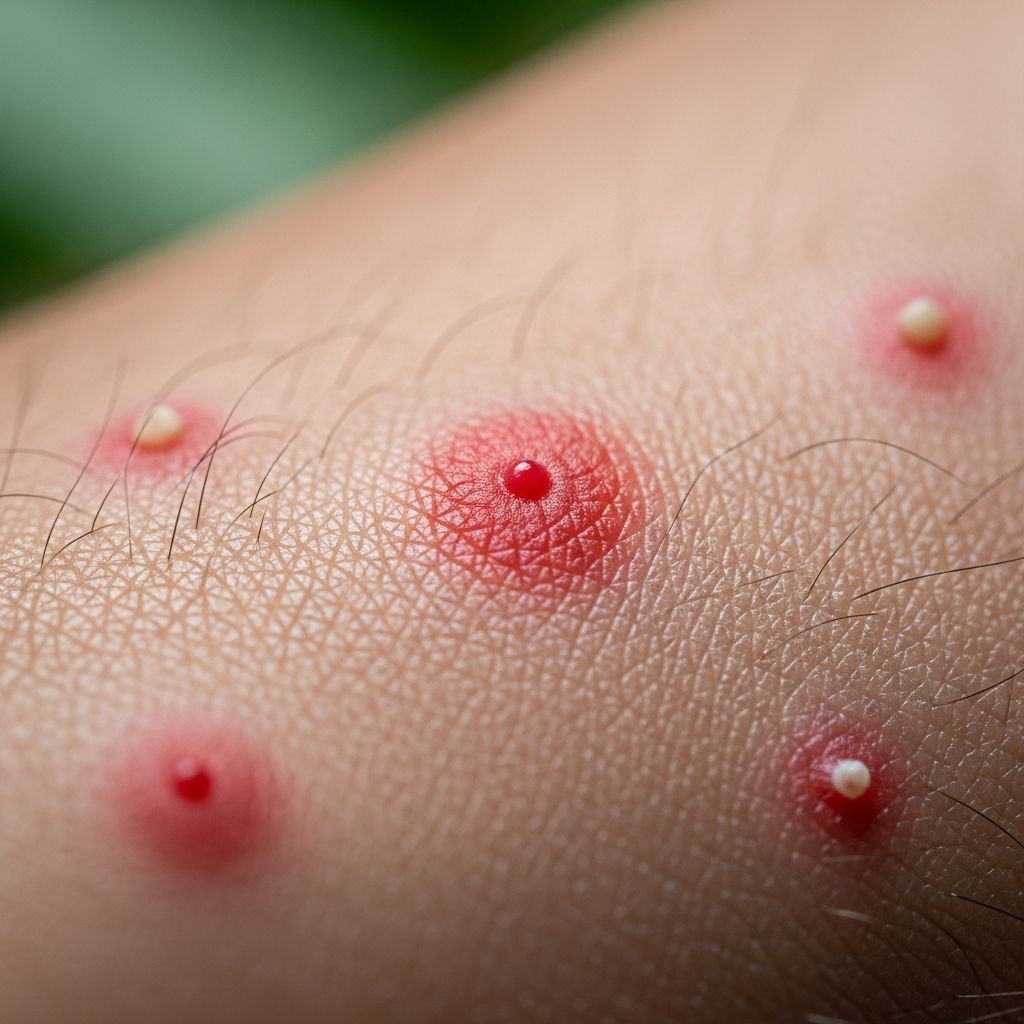
Mosquito bites are small, raised bumps that appear on the skin after a female mosquito pierces your skin with its proboscis to draw blood. During this process, the mosquito injects saliva into your bloodstream, which triggers an immune response in your body. Most mosquito bites are harmless and temporary, but understanding what happens during a bite and how to properly treat it can help you manage the discomfort effectively.
What Causes Mosquito Bite Reactions
The itching and discomfort associated with mosquito bites result from your body’s natural immune response. When a mosquito bites you, your immune system recognizes the mosquito saliva as a foreign substance and registers it as an allergen. In response, your body releases histamine at the bite site. Histamine acts like your body’s bouncer, working to remove the perceived threat. However, while histamine is doing its job to protect you, it also causes the characteristic itching, redness, and swelling that accompanies mosquito bites. This allergic reaction is why different people experience varying levels of itching intensity—some individuals are more sensitive to the proteins in mosquito saliva than others.
Common Symptoms of Mosquito Bites
Mosquito bite symptoms typically develop within minutes to hours after being bitten. The most common symptoms include:
- Small, raised bumps on the skin
- Redness and inflammation around the bite area
- Intense itching sensations
- Mild swelling at the bite site
- Localized warmth around the affected area
For most people, these symptoms are mild and resolve on their own within a few days without requiring medical intervention. However, it’s important to monitor your bites for any changes or worsening of symptoms.
Severe Symptoms and When to Seek Medical Care
While typical mosquito bites are relatively harmless, certain symptoms warrant medical attention. These more severe symptoms can indicate a mosquito-borne illness or an allergic reaction:
- Fever and chills
- Headaches and body aches
- Muscle pain and fatigue
- Rashes that appear in areas away from the original bite site
- Nausea and abdominal pain
- Unexplained feeling of illness resembling a cold or flu
Additionally, seek immediate medical help if you experience swelling of the mouth or throat, difficulty breathing, or any signs of a serious allergic reaction. These symptoms may indicate exposure to a mosquito-borne disease such as West Nile virus, Zika virus, dengue fever, or malaria, particularly if you have recently traveled to an area where these infections are prevalent.
Complications: Infected Mosquito Bites
One of the most common complications from mosquito bites results from scratching. When you repeatedly scratch a mosquito bite to the point of breaking the skin and causing bleeding, you create an opening for bacteria to enter. This can lead to a bacterial skin infection known as cellulitis. Scratching also introduces bacteria from your hands and fingernails into the wound, increasing the risk of infection. This complication occurs frequently in children whose hands may have picked up dirt and bacteria while playing outside, but it happens in adults as well.
Signs of an Infected Mosquito Bite
Related Stories



An infected bite typically displays the following warning signs:
- Increasing redness and warmth that spreads beyond the original bite area
- Pus or discharge from the bite
- Red streaking extending from the bite site
- Swelling that grows significantly—potentially to the size of a ping pong ball or mandarin orange
- Increased pain and tenderness
- Lymph node swelling
- Fever or chills
How to Identify Spreading Infection
A helpful technique to objectively track whether an infected bite is spreading involves using a pen. Simply draw an outline around the mosquito bite with a pen, marking the current extent of redness. Check the area periodically to see if the redness has expanded beyond your pen marking. If it has, this indicates the infection is spreading and you should contact your healthcare provider immediately.
Treatment for Infected Bites
If your healthcare provider confirms you have cellulitis from a mosquito bite infection, you’ll likely be prescribed antibiotics to eliminate the bacteria. The most common bacteria causing these infections are streptococcus and staphylococcus. Your doctor may recommend specific antibiotics based on the severity of the infection and your medical history. It’s crucial to complete the full course of antibiotics as prescribed, even if you start feeling better, to ensure the infection is completely cleared.
Skeeter Syndrome: Severe Allergic Reaction to Mosquito Bites
Some individuals develop a large local allergic reaction to mosquito bites known as skeeter syndrome. This condition is characterized by significant inflammation and swelling beyond what occurs with typical mosquito bites. People with skeeter syndrome are allergic to specific proteins and polypeptides found in mosquito saliva.
Symptoms of Skeeter Syndrome
If you have skeeter syndrome, symptoms typically begin appearing eight to ten hours after a mosquito bites you. These symptoms include:
- Large areas of swelling and warmth at the bite site
- Intense itching
- Possible blister formation
- Fever in some cases
- Significant swelling that may impair movement or function
The good news is that skeeter syndrome symptoms typically resolve within three to ten days without specific treatment, though they can be uncomfortable while they persist.
When to Seek Emergency Care
Contact your healthcare provider if you suspect skeeter syndrome after being bitten by mosquitoes. Seek emergency medical care immediately if you experience swelling of your mouth or throat, difficulty breathing, or other serious symptoms that suggest anaphylaxis. These could indicate a severe allergic reaction requiring immediate intervention.
Treatment Options for Mosquito Bites
Most mosquito bites don’t require medical treatment and will heal naturally over time. However, several over-the-counter and home remedies can help relieve the itching and discomfort while your body’s natural healing process works.
Immediate Relief Measures
For minor mosquito bites without concerning symptoms, several simple treatments can provide relief:
- Ice application: Applying ice to the bite site early on helps reduce inflammation and numbs the area, providing temporary relief from itching
- Anti-itch creams: Over-the-counter hydrocortisone cream can help reduce itching and inflammation as the bite heals
- Oral antihistamines: Medications such as Benadryl or other oral antihistamines may be more effective than topical treatments for providing itch relief
- Avoid scratching: This is perhaps the most important treatment—resist the urge to scratch the bite to prevent infection and allow proper healing
Home Remedies
In addition to over-the-counter treatments, several home remedies may help ease discomfort:
- Applying a cold compress to the area
- Using baking soda paste on the bite
- Applying calamine lotion
- Taking cool baths or showers
- Wearing loose clothing to avoid irritating the bite
Prevention Strategies
The best approach to mosquito bites is prevention. By taking steps to avoid mosquito bites, you eliminate the problem before it starts.
Use EPA-Approved Mosquito Repellent
Apply an EPA-approved mosquito repellent to exposed skin when you’ll be outdoors, especially during dawn, dusk, and nighttime hours when mosquitoes are most active. Reapply repellent as directed on the product label, particularly after swimming or sweating.
Wear Protective Clothing
Cover exposed skin by wearing long sleeves, long pants, and socks, particularly during peak mosquito hours. Light-colored clothing may help you spot mosquitoes more easily.
Reduce Mosquito Habitats
Eliminate standing water around your home where mosquitoes breed, including birdbaths, flower pots, clogged gutters, and children’s toys left outside.
Avoid Peak Mosquito Times
Mosquitoes become increasingly active as temperatures rise above 50 degrees Fahrenheit, with peak activity occurring at temperatures of 70 degrees and above. Activity typically increases in spring, peaks throughout summer, and tapers in late fall. Try to remain indoors during peak feeding hours if possible.
Why Mosquitoes Bite Some People More
If you feel like mosquitoes target you more than others, you’re not alone—and there’s actually science behind it. Mosquitoes are attracted to several factors that vary from person to person. Body heat is one significant attractant, as mosquitoes use thermal sensors to locate hosts. Your exhaled carbon dioxide creates a plume that mosquitoes can detect from considerable distances, making it another major factor in their attraction to specific individuals. Additionally, the natural odors emitted by your skin play a role. These odors are largely determined by genetics and influenced by the combination of bacteria normally living on your skin—factors largely beyond your control. This is why some people seem to attract mosquitoes far more readily than others.
Monitoring and Follow-Up Care
After any mosquito bite, it’s important to monitor the affected area for concerning symptoms. If bites last longer than a few days, continue to grow in number, or if you develop signs of allergic reactions or infection, contact your healthcare provider. Early intervention can prevent complications and ensure proper treatment if needed.
Frequently Asked Questions
Q: How long do mosquito bites typically last?
A: Most mosquito bites resolve within a few days to a week. However, if you continue scratching the bite or develop an infection, healing may take longer. Skeeter syndrome symptoms typically resolve within three to ten days.
Q: Can mosquito bites cause serious illness?
A: Most mosquito bites are harmless. However, mosquitoes can transmit serious diseases including West Nile virus, Zika virus, dengue fever, and malaria. Seek medical care if you develop fever, rash, body aches, or other flu-like symptoms after being bitten, particularly if you’ve traveled to endemic areas.
Q: Is it ever safe to scratch a mosquito bite?
A: No. Scratching a mosquito bite, especially to the point of breaking the skin, introduces bacteria and increases the risk of infection. Avoid scratching and use anti-itch creams, ice, or oral antihistamines for relief instead.
Q: What should I do if a mosquito bite becomes infected?
A: Clean the area with soap and water, apply hydrocortisone cream, and contact your healthcare provider. If signs of spreading infection appear (expanding redness, pus, fever), seek prompt medical attention. Your doctor may prescribe antibiotics to treat bacterial cellulitis.
Q: Why do some people have severe reactions to mosquito bites?
A: Some individuals develop skeeter syndrome, a large local allergic reaction to proteins in mosquito saliva. Genetics determine susceptibility to this condition. Symptoms typically improve with age and repeated exposure to mosquito bites.
Q: How effective is insect repellent for preventing mosquito bites?
A: EPA-approved mosquito repellents are highly effective when applied properly to exposed skin. For best results, reapply after swimming or sweating, and use in combination with protective clothing and avoiding peak mosquito hours.
References
- What Happens When a Mosquito Bite Gets Infected? — Cleveland Clinic. 2024. https://health.clevelandclinic.org/what-happens-when-a-mosquito-bite-gets-infected-and-what-to-do
- Tips for Preventing and Treating Mosquito Bites — Cleveland Clinic News Service. 2025-06-16. https://newsroom.clevelandclinic.org/2025/06/16/tips-for-preventing-and-treating-mosquito-bites
- Skeeter Syndrome: Causes, Symptoms & Treatment — Cleveland Clinic. 2021. https://my.clevelandclinic.org/health/diseases/23289-skeeter-syndrome
- Why Do Mosquitoes Like Me So Much? — Cleveland Clinic News Service. 2024-08-20. https://newsroom.clevelandclinic.org/2024/08/19/why-do-mosquitoes-like-me-so-much
- West Nile Virus: Symptoms, Treatment & Prevention — Cleveland Clinic. https://my.clevelandclinic.org/health/diseases/10939-west-nile-virus
- How to Prevent Spread of West Nile Virus — Cleveland Clinic News Service. 2025-08-05. https://newsroom.clevelandclinic.org/2025/08/05/how-to-prevent-spread-of-west-nile-virus
Similar Articles








Read full bio of Sneha Tete