Motion Sickness: A Comprehensive Guide To Prevention And Relief
Understand the causes, symptoms, and effective strategies to prevent and manage motion sickness during travel.
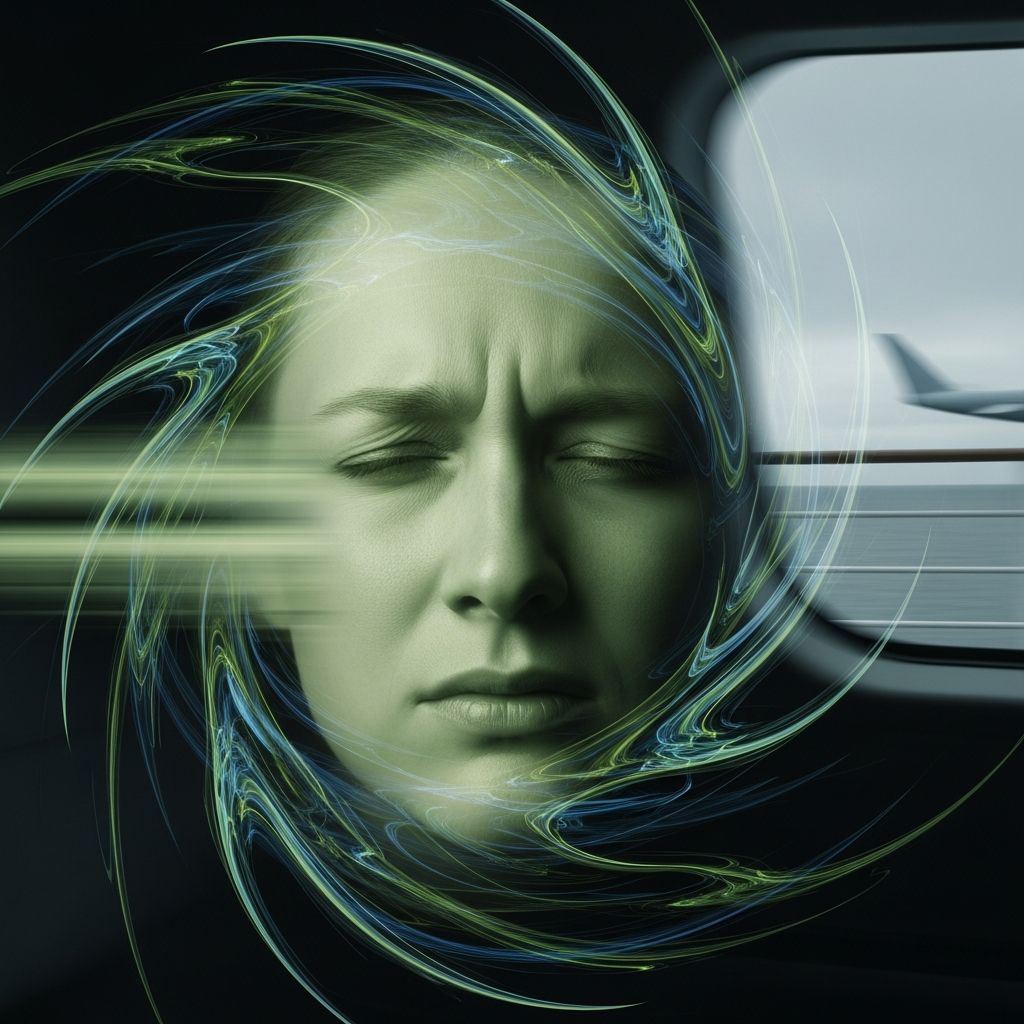
Motion sickness is a widespread condition triggered by conflicting signals between the eyes, inner ears, and body during movement, leading to discomfort that disrupts travel and daily activities. It impacts people across all ages, particularly during car rides, boat trips, flights, or even virtual reality use.
Understanding the Science Behind Motion Sickness
The condition arises from a sensory mismatch where the brain receives inconsistent information from visual cues, vestibular systems in the inner ear detecting balance and acceleration, and proprioceptive feedback from muscles and joints. This conflict activates the body’s stress response, culminating in nausea and other symptoms. Low-frequency motions, such as those in vehicles or simulators, most commonly provoke it.
Research indicates that nearly everyone experiences symptoms under extreme conditions, but susceptibility varies. Factors include female gender, children aged 2-12, and those with migraines or vestibular disorders.
Recognizing the Signs and Symptoms
Symptoms typically emerge within minutes of exposure and can persist for hours afterward. They range from mild unease to severe incapacitation, affecting gastrointestinal, neurological, and autonomic functions.
- Early indicators: Increased salivation, stomach awareness, pallor, and cold sweats.
- Progressive signs: Dizziness, headache, yawning, and fatigue.
- Severe manifestations: Nausea, vomiting, and profound disorientation.
These effects can compromise safety, such as impairing driving or enjoying vacations.
Risk Factors and Who Is Most Affected
Certain groups face higher vulnerability due to physiological differences or comorbidities.
| Group | Reason for Increased Risk |
|---|---|
| Children (2-12 years) | Developing sensory integration |
| Females | Hormonal influences |
| Migraine sufferers | Overlapping neural pathways |
| Pregnant individuals | Heightened nausea sensitivity |
| Vestibular disorder patients | Impaired balance processing |
A prior history of motion sickness strongly predicts recurrence.
Proven Prevention Strategies
Preventing symptoms proves more effective than treating them once onset occurs. Behavioral adjustments minimize sensory conflicts and prepare the body.
Positioning and Posture Tips
- Choose forward-facing seats or the front of vehicles to align vision with motion.
- Stabilize the head against a seatback to reduce vestibular input.
- Actively steer or drive when possible to synchronize body movements.
- Focus gaze on the horizon or a distant fixed point.
Lifestyle and Preparation Tactics
- Avoid reading, screens, or close-up activities.
- Practice controlled breathing and mindfulness to calm autonomic responses.
- Opt for light, bland meals; steer clear of heavy, greasy, or odorous foods.
- Stay hydrated but avoid excess fluids right before travel.
- Habituate gradually: expose yourself to mild motion over days.
For chronic sufferers, pre-travel acclimation like short drives building to longer ones can build tolerance.
Pharmacological Treatments and Medications
Medications target nausea pathways and vestibular signals, best taken prophylactically 30-60 minutes before travel.
Over-the-Counter Options
- Antihistamines: Dimenhydrinate (Dramamine) and meclizine (Bonine) block histamine receptors in the inner ear and brain, reducing nausea but often causing drowsiness.
- Suitable for children over 2, with dosing adjustments.
Related Stories



Prescription Medications
- Scopolamine patch: Applied behind the ear 4 hours prior, lasts up to 72 hours by inhibiting acetylcholine; watch for dry mouth or withdrawal.
- Antiemetics: Promethazine or prochlorperazine suppress vomiting centers.
Second-generation antihistamines like loratadine lack efficacy for motion sickness. Consult providers for personalized regimens, especially with comorbidities.
Natural and Alternative Remedies
Non-drug approaches offer relief with fewer side effects, supported by varying evidence levels.
- Ginger: Acts on serotonin receptors to curb nausea; consume as tea, candy, or capsules.
- Acupressure: Wristbands targeting the P6 (Neiguan) point show promise in trials.
- Chamomile: Soothes stomach upset via teas or candies.
- Avoid nicotine and strong smells.
Cognitive behavioral techniques and music may further alleviate symptoms.
Managing Motion Sickness in Specific Scenarios
By Car
Front seat positioning, minimal head turns, and fresh air intake help. Drivers rarely succumb.
On Boats and Ships
Midship cabins minimize rocking; stay on deck watching the horizon. Gradual habituation aids sea legs.
During Flights
Over-wing seats reduce turbulence feel; avoid meals before takeoff.
Virtual Reality and Simulators
Short sessions, stable visuals, and breaks prevent VR-induced sickness.
When to Consult a Healthcare Professional
Seek advice if symptoms persist post-motion, accompany severe headaches, or suggest migraines/vestibular issues. A clinical history diagnoses most cases; imaging rarely needed. Providers may recommend migraine prophylaxis for overlapping symptoms.
Frequently Asked Questions (FAQs)
Can children take motion sickness medication?
Yes, dimenhydrinate is safe for kids over 2; consult pediatric dosing.
Does ginger really work for motion sickness?
Evidence supports its anti-nausea effects via 5-HT3 antagonism.
Why do some people never get motion sickness?
Genetic factors and sensory processing efficiency confer resistance.
Is motion sickness dangerous?
Rarely, but dehydration from vomiting or impaired function can pose risks.
How long do symptoms last after travel?
Typically hours, but up to days in severe cases.
Long-Term Management and Research Outlook
Habituation training and behavioral therapies offer sustained benefits. Ongoing research explores neural mechanisms for targeted therapies beyond current palliatives.
Empower yourself with these strategies for confident, symptom-free adventures.
References
- Motion Sickness Information & Treatment — Columbia Doctors. 2023. https://www.columbiadoctors.org/health-library/condition/motion-sickness/
- Motion Sickness – StatPearls — NCBI Bookshelf. 2023-10-30. https://www.ncbi.nlm.nih.gov/books/NBK539706/
- Prevention and Treatment of Motion Sickness — American Academy of Family Physicians (AAFP). 2014-07-01. https://www.aafp.org/pubs/afp/issues/2014/0701/p41.html
- Several options for treating misery of motion sickness — UCLA Health. 2023. https://www.uclahealth.org/news/article/several-options-treating-misery-motion-sickness
- Motion sickness: How you can prevent symptoms and enjoy travel — UC Davis Health. 2024-05. https://health.ucdavis.edu/blog/cultivating-health/motion-sickness-how-you-can-prevent-symptoms-and-enjoy-travel/2024/05
- Motion sickness: First aid — Mayo Clinic. 2023. https://www.mayoclinic.org/first-aid/first-aid-motion-sickness/basics/art-20056697
Similar Articles








Read full bio of Sneha Tete