Mottled Skin (Livedo Reticularis): Causes & Treatment
Understanding mottled skin: causes, symptoms, and effective treatment options explained.
What is Mottled Skin?
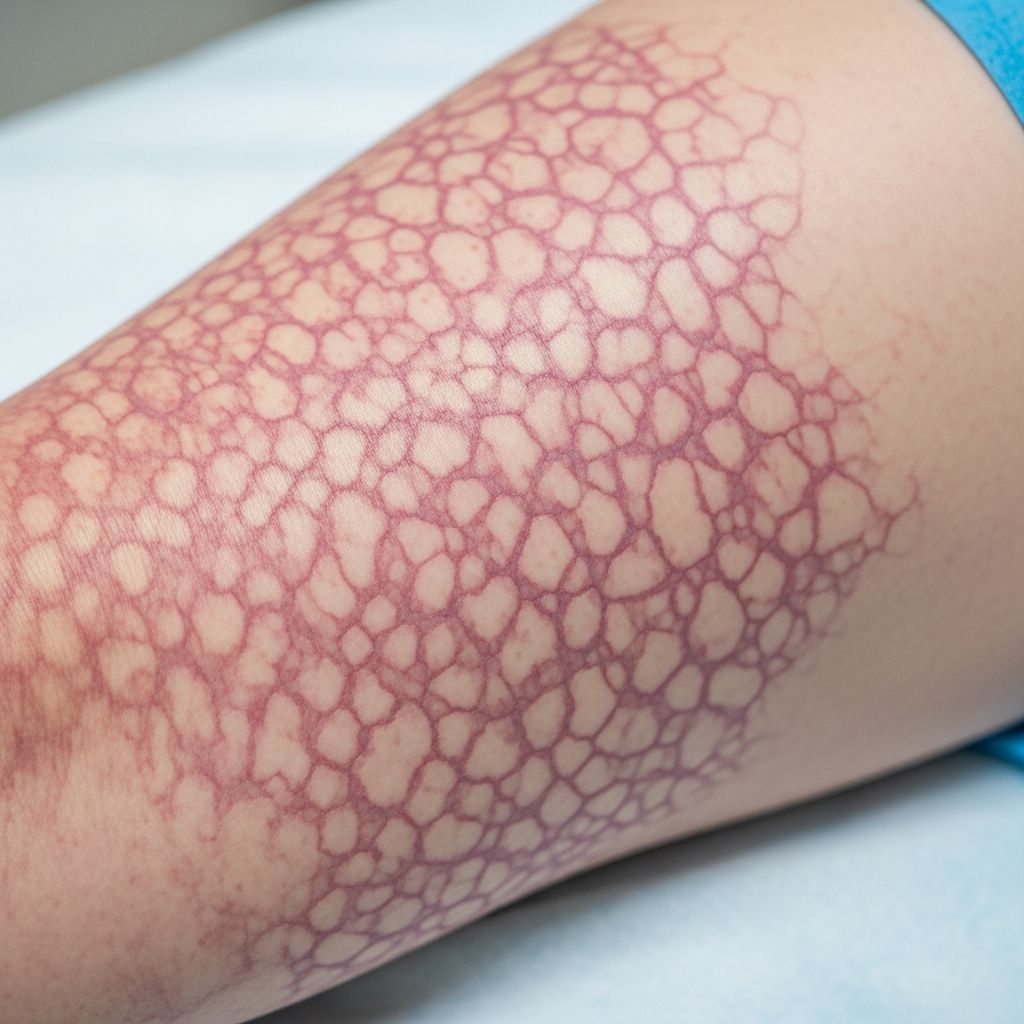
Mottled skin, medically known as livedo reticularis, is a condition characterized by a bluish-red, lace-like pattern that appears on the skin’s surface. This distinctive reticulated pattern resembles a fine net or marble effect, typically forming when deoxygenated blood pools beneath the skin. The condition occurs as a result of disrupted blood flow to the tiny vessels (capillaries) located just below the skin’s surface.
In most cases, mottled skin is a temporary condition that develops when blood circulation becomes compromised or irregular. The lace-like appearance is usually flat and smooth, distinguishing it from other skin conditions that involve raised bumps, blisters, or active inflammation. The pattern tends to become more pronounced in response to environmental triggers such as cold temperatures, stress, or prolonged periods of standing or sitting.
The condition can vary in severity and duration. While some individuals experience mottled skin that resolves quickly once the triggering factor is removed, others may have persistent patterns lasting weeks or even longer. Understanding what mottled skin looks like and how it differs from other conditions is essential for determining whether medical attention is necessary.
How Mottled Skin Differs from Other Skin Conditions
Distinguishing mottled skin from other dermatological conditions is important for proper diagnosis and treatment. Several conditions may initially appear similar but have different underlying causes and treatment approaches:
Rashes: Unlike typical rashes, mottled skin does not involve raised bumps, blisters, or active inflammation. Rashes often cause itching, burning, or tenderness, whereas mottled skin typically produces no discomfort or physical sensations beyond the visual discoloration.
Bruises: Bruising results from trauma or injury to the skin and undergoes color changes as it heals, progressing from purple to green to yellow. Mottled skin, by contrast, maintains a consistent lace-like pattern over time without the progression associated with healing bruises.
Raynaud’s Phenomenon: This condition causes fingers and toes to turn pale, blue, or red in response to cold exposure or emotional stress, but it does not create the web-like appearance characteristic of mottled skin. Raynaud’s typically affects the extremities in a more localized manner.
Livedo Racemosa: This related but distinct condition features a net-like pattern with a more irregular and broken appearance. Livedo racemosa is often associated with circulatory or autoimmune disorders and tends to persist longer than typical temperature-related mottling.
Primary Causes of Mottled Skin
Mottled skin develops through various mechanisms, with causes ranging from benign environmental factors to serious underlying medical conditions. Understanding the underlying cause is crucial for determining the appropriate treatment approach.
Temperature-Related Causes
Cold Exposure: One of the most common triggers for mottled skin is exposure to cold environments. When external temperatures drop, the body’s natural response is to constrict surface blood vessels to preserve core body heat. This vasoconstriction disrupts normal blood flow patterns and creates the characteristic bluish-red, lace-like discoloration. The appearance typically fades within minutes to hours once the skin warms up. Extended exposure to cold temperatures increases the likelihood of developing mottled skin, particularly in individuals with heightened sensitivity to temperature changes.
Related Stories



Heat Exposure: Conversely, prolonged exposure to heat can also produce mottled skin through a different mechanism. Extended heat exposure may create a reticular pattern as the skin attempts to regulate temperature through altered blood vessel activity.
Age-Related Changes
Mottled skin becomes increasingly common in older adults due to physiological changes that occur with aging. Blood flow naturally slows down in elderly individuals, and temperature regulation becomes less efficient. These age-related modifications in circulatory function make the skin more susceptible to appearing mottled, particularly in the limbs. This type of age-related mottling is often harmless and represents a normal part of the aging process rather than an indication of serious disease.
Circulatory and Vascular Disorders
Poor Blood Circulation: Conditions that impair blood circulation, such as peripheral artery disease (PAD) or varicose veins, frequently cause uneven skin coloration. This mottled appearance is most visible in the lower legs and feet and becomes more pronounced after prolonged sitting or standing, when blood pooling is more likely to occur.
Blood Vessel Spasms: In certain individuals, blood vessels may undergo sudden, temporary constriction. This vasospastic activity is characteristic of conditions like Raynaud’s disease and can lead to temporary skin discoloration, particularly in the fingers and toes. The mottled pattern typically resolves as normal circulation returns.
Autoimmune and Connective Tissue Disorders
Several autoimmune conditions can manifest with mottled skin as a symptom. Systemic lupus erythematosus (lupus) and polyarteritis nodosa (PAN) both affect blood vessel function and can contribute to characteristic skin changes. These conditions often involve additional symptoms and require comprehensive management by qualified healthcare providers. Antiphospholipid syndrome (APS) presents with livedo reticularis in approximately 25 percent of patients with primary APS and up to 70 percent of those with lupus-associated APS.
Vascular Diseases
Inflammatory vascular conditions, particularly vasculitis (inflammation of blood vessels), frequently produce mottled skin as a presenting symptom. When blood vessel walls become inflamed, they disrupt normal blood flow patterns, leading to characteristic discoloration. Vasculitis may also cause additional symptoms such as tenderness, swelling, or pain in affected areas.
Infectious Diseases
Certain infections can cause mottled skin, most notably sepsis. In sepsis, widespread inflammation impairs circulation throughout the body, resulting in skin mottling along with other serious symptoms such as fever, confusion, and rapid heart rate. Sepsis represents a medical emergency requiring immediate professional intervention.
Secondary Causes and Associated Conditions
Medication Side Effects
Mottled skin can develop as a side effect of certain medications that affect blood vessel function or circulation. Individuals taking medications that influence vascular tone should be aware of this potential reaction and report any new or changing skin patterns to their healthcare provider.
Malignancies
Cancerous growths can cause mottled skin if tumors disrupt normal blood flow patterns in affected areas. This represents another reason why persistent or unexplained mottling warrants medical evaluation.
Nervous System Disorders
Conditions affecting peripheral nervous system function can contribute to mottled skin development through their effects on vascular regulation. Nerves outside the brain and spinal cord play crucial roles in controlling blood vessel diameter and blood flow distribution.
Idiopathic Livedo Reticularis
This type occurs when healthcare providers have ruled out underlying medical conditions and determined that no identifiable cause exists. Idiopathic livedo reticularis is typically persistent, potentially remaining present for extended periods. Despite the lack of identified cause, this form is usually benign and does not require specific treatment beyond reassurance and monitoring.
End-of-Life Mottling
Mottled skin can appear during the end-of-life stage as circulation progressively slows. In this context, reticulated patterns are accompanied by other end-of-life symptoms including difficulty breathing, decreased consciousness, and reduced cardiac activity. This type of mottling reflects the body’s physiological changes during the dying process.
Symptoms and Presentation
The primary symptom of mottled skin is its distinctive visual appearance: a blotchy pattern with red or purple spots forming a lace-like or net-like network across the skin surface. The irregular skin color can appear on virtually any body part, though it most commonly affects the legs, feet, and arms.
In most cases, mottled skin produces no accompanying physical sensations. The affected area typically remains smooth, without pain, itching, or tenderness. However, certain concerning symptoms warrant immediate medical attention:
Warning signs include:
- Painful nodules (raised, tender bumps)
- Skin ulcers (open sores)
- Fever or signs of infection
- Shortness of breath or difficulty breathing
- Dizziness or confusion
- Numbness or tingling sensations
- Swelling or tenderness in affected areas
The presence of any of these accompanying symptoms suggests a more serious underlying condition requiring prompt medical evaluation.
Mottled Skin in Different Age Groups
Mottled Skin in Children
Children may develop mottled skin in response to cold exposure, emotional stress, or prolonged physical activity. Infant mottling, in particular, can occur as a normal physiological response and typically requires no intervention. However, if mottling persists, worsens, or appears alongside fever or other illness signs, medical evaluation is necessary.
Mottled Skin in Adults
Adult mottled skin frequently develops in response to cold temperatures, emotional stress, or prolonged standing. Sometimes the condition reflects medication side effects or altered blood flow patterns. Adults should monitor the frequency and duration of mottling episodes and note any accompanying symptoms such as numbness, fatigue, or discomfort. This information proves valuable when consulting with healthcare providers.
Treatment and Management Options
Treatment approaches for mottled skin depend entirely on the underlying cause. For temperature-related mottling, the primary intervention involves removing the triggering factor—simply moving to a warmer environment or adjusting stress levels often resolves the condition within minutes to hours.
When mottled skin results from an underlying medical condition, treatment focuses on managing that condition. For example:
- Autoimmune disorders may require immunosuppressive medications
- Vascular diseases may benefit from medications that improve blood flow
- Infections require appropriate antimicrobial therapy
- Medication-related mottling may resolve by adjusting or discontinuing the offending drug
For persistent idiopathic mottling without an identifiable cause or associated symptoms, reassurance and monitoring typically suffice. Most cases of mottled skin resolve without specific treatment.
When to Seek Medical Attention
While most mottled skin is benign and temporary, certain situations warrant professional medical evaluation:
- Mottled skin that persists for extended periods without obvious cause
- Patterns that spread to new areas of the body
- Accompanying pain, swelling, or tenderness
- Associated fever, shortness of breath, or dizziness
- Rapid worsening of the appearance or symptoms
- Mottling that interferes with daily activities or causes significant concern
Timely medical evaluation helps rule out serious underlying conditions and ensures appropriate management.
Frequently Asked Questions
Q: Is mottled skin dangerous?
A: Most cases of mottled skin are temporary and benign, particularly when caused by cold exposure or stress. However, mottled skin accompanying other symptoms or resulting from serious medical conditions requires professional evaluation and management.
Q: How long does mottled skin last?
A: Temperature-related mottling typically resolves within minutes to hours of warming the affected area. Persistent mottling associated with underlying medical conditions may last longer and require specific treatment directed at the underlying cause.
Q: Can mottled skin be prevented?
A: Avoiding cold exposure by dressing warmly in winter conditions can help prevent cold-related mottling. Stress management techniques may reduce stress-induced episodes. For mottling caused by medical conditions, appropriate disease management is essential.
Q: Should I be concerned if mottled skin appears suddenly?
A: Sudden onset mottling related to obvious triggers like cold exposure typically requires no concern. However, sudden mottling without clear triggers or accompanied by other symptoms warrants medical evaluation.
Q: Can medications cause mottled skin?
A: Yes, certain medications can cause mottled skin as a side effect. If you notice mottled skin appearing after starting a new medication, discuss this with your healthcare provider before making any changes to your medication regimen.
References
- Mottled Skin (Livedo Reticularis): Looks Like, Causes, Treatment — Cleveland Clinic. 2024. https://my.clevelandclinic.org/health/symptoms/24429-mottled-skin
- Livedo Reticularis: When is it a Concern? — Mayo Clinic. 2024. https://www.mayoclinic.org/diseases-conditions/vasculitis/expert-answers/livedo-reticularis/faq-20057864
- What Causes Mottled Skin? Symptoms and Treatment — Rupa Health. 2024. https://www.rupahealth.com/post/what-causes-mottled-skin-symptoms-and-treatment
- Mottled Skin: Causes, Symptoms, Pictures, Treatment, and More — Healthline. 2024. https://www.healthline.com/health/mottled-skin
- Granulomatosis With Polyangiitis (GPA): Symptoms, Causes & Treatment — Cleveland Clinic. 2024. https://my.clevelandclinic.org/health/diseases/granulomatosis-with-polyangiitis-formerly-wegeners-granulomatosis
- Sneddon Syndrome: Symptoms, Causes & Rare Disease Treatment — Cleveland Clinic. 2024. https://my.clevelandclinic.org/health/diseases/22957-sneddon-syndrome
Similar Articles








Read full bio of medha deb