Mounjaro vs. Ozempic: Complete Comparison Guide
Comprehensive comparison of Mounjaro and Ozempic for weight loss and diabetes management.

Mounjaro vs. Ozempic: A Comprehensive Comparison
Both Mounjaro® (tirzepatide) and Ozempic® (semaglutide) have emerged as popular medications for managing type 2 diabetes and promoting weight loss. While they work in similar ways and are both administered as once-weekly injections, there are important differences between them that patients should understand before choosing a treatment option. This guide breaks down the key distinctions to help you make an informed decision with your healthcare provider.
How Mounjaro Works
Mounjaro® is the newer of the two medications and represents a significant advancement in diabetes and weight loss treatment. Although originally approved by the FDA for managing type 2 diabetes, the remarkable weight loss results observed in clinical trials have led to its widespread off-label use as a weight loss medication.
What sets Mounjaro® apart is its unique mechanism of action. Mounjaro® is a dual agonist, meaning it works on two distinct hormones: GLP-1 and GIP (glucose-dependent insulinotropic polypeptide). GIP enhances the weight loss effects by further reducing appetite and promoting stronger feelings of fullness. This dual-action mechanism makes Mounjaro® fundamentally different from other GLP-1 medications like Ozempic, which targets only GLP-1.
How Ozempic Works
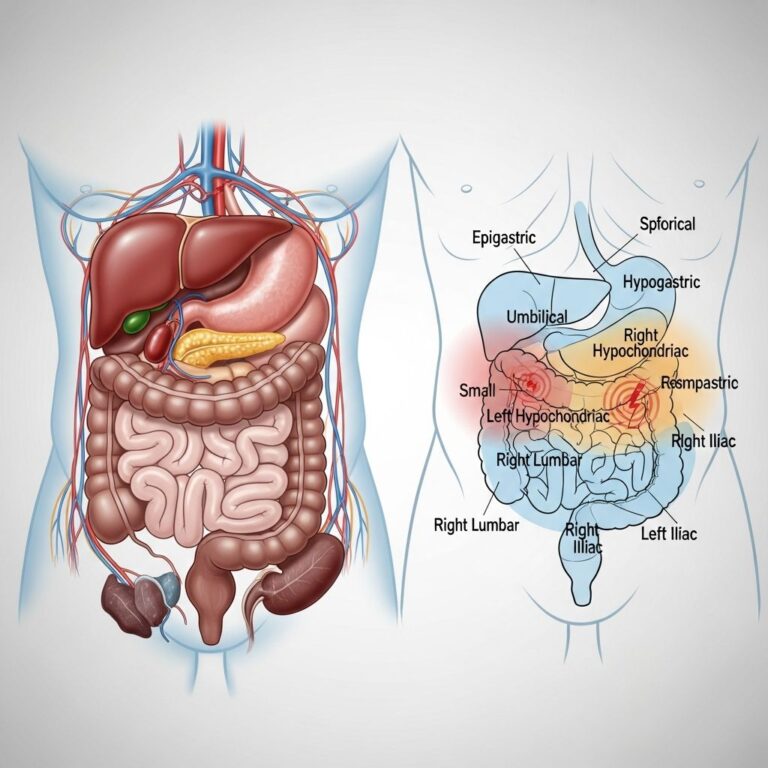
Ozempic® operates through a different mechanism, focusing solely on the GLP-1 receptor. The medication works by enhancing insulin secretion, slowing gastric emptying (the rate at which food moves from the stomach into the small intestine), and reducing appetite. This combination helps patients feel fuller for longer, making it easier to adhere to a calorie-restricted diet and ultimately promoting weight loss.
Ozempic® is FDA-approved for type 2 diabetes management. However, the same active ingredient, semaglutide, is marketed under the brand name Wegovy™ at higher doses specifically for weight loss purposes in people without diabetes.
Weight Loss Results: Mounjaro vs. Ozempic
One of the most significant differences between these medications lies in their weight loss potential. Clinical trials have demonstrated varying results for each drug.
Mounjaro Weight Loss Outcomes
In clinical studies, Mounjaro® has demonstrated impressive weight loss results. Research published in the New England Journal of Medicine reported that individuals using the highest dose of Mounjaro® lost an average of 22.5% of their body weight. Some studies have shown patients losing more than 20% of their body weight at a 15-milligram weekly dose. These results represent a remarkable outcome compared to many other weight loss therapies currently available on the market.
Ozempic Weight Loss Outcomes
Patients using Ozempic® have also experienced substantial weight loss, though generally less than with Mounjaro®. In clinical trials, including the STEP clinical trial, patients lost an average of 15% of their body weight. At the highest dose of Ozempic® (2.4 mg), participants in the STEP trial lost approximately 14.9% of their body weight. While this is impressive and meaningful for weight management, it tends to be lower than the weight loss observed with Mounjaro®.
Dosing and Administration
Both medications are administered as once-weekly subcutaneous injections, making them convenient for long-term use. However, the dosing regimens differ.
Mounjaro Dosing
- Starting dose: 2.5 milligrams once per week
- Maximum dose: 15 milligrams once per week
- Dose adjustments are made gradually over time based on patient tolerance and therapeutic response
Related Stories



Ozempic Dosing
- Starting dose: Varies depending on indication
- Maximum dose: 2.4 milligrams once per week
- Physicians typically start patients at lower doses to minimize side effects, gradually increasing as tolerance improves
Side Effects Comparison
Both Mounjaro® and Ozempic® share similar side effect profiles, as they work on comparable physiological systems. However, there are some nuances worth noting.
Common Ozempic Side Effects
- Nausea
- Vomiting
- Diarrhea
- Abdominal pain
- Constipation
Common Mounjaro Side Effects
- Nausea
- Diarrhea
- Reduced appetite
- Vomiting
- Constipation
- Indigestion
- Abdominal pain
Most side effects are mild to moderate and often decrease over time as the body adjusts to the medication. The dual action of Mounjaro® may result in slightly more pronounced appetite suppression, which some patients experience as a more noticeable side effect initially but contributes to its superior weight loss outcomes.
Comparison Table: Mounjaro vs. Ozempic
| Feature | Mounjaro® | Ozempic® |
|---|---|---|
| Active Ingredient | Tirzepatide | Semaglutide |
| Mechanism | Dual agonist (GLP-1 and GIP) | Single agonist (GLP-1 only) |
| Primary FDA Approval | Type 2 Diabetes | Type 2 Diabetes |
| Weight Loss Brand Name | Zepbound® (when used off-label) | Wegovy™ (same drug, higher dose) |
| Average Weight Loss | Up to 22.5% | Around 15% |
| Starting Dose | 2.5 mg weekly | Varies |
| Maximum Dose | 15 mg weekly | 2.4 mg weekly |
| Administration | Once-weekly injection | Once-weekly injection |
| Monthly Cost (Uninsured) | ~$1,000 | ~$1,000 |
Cost and Insurance Coverage
The cost of these medications can vary significantly based on insurance coverage and pharmacy discounts.
Without insurance, both medications typically cost approximately $1,000 per month. Neither medication is available as a generic drug, which contributes to the high out-of-pocket cost.
Regarding insurance coverage, Ozempic® (especially in its weight-loss formulation Wegovy™) may be more widely covered by insurance due to its FDA approval for weight management. Mounjaro®, being newer and often used off-label for weight loss, may not always be covered by insurance plans, potentially making it more expensive out-of-pocket for patients seeking weight loss benefits specifically.
Which Medication Is Better for Weight Loss?
When comparing Mounjaro® and Ozempic® specifically for weight loss, several factors should be considered:
Weight Loss Potential
Based on clinical evidence, Mounjaro® demonstrates superior weight loss potential, with patients losing up to 22.5% of their body weight compared to Ozempic’s approximately 15%. For individuals seeking maximum weight loss benefits, Mounjaro® may be the more effective option.
Mechanism of Action
As a dual agonist, Mounjaro® activates both GLP-1 and GIP receptors, providing enhanced weight loss benefits compared to Ozempic®, which targets only GLP-1. This dual mechanism may explain Mounjaro’s superior weight loss results.
Side Effects
Both medications have similar side effect profiles. The slightly more pronounced appetite suppression with Mounjaro® may be viewed as either an advantage (for weight loss) or a disadvantage (if side effects are bothersome).
Individual Variability
It’s important to note that individual responses to these medications can vary significantly. Some patients may achieve excellent results with Ozempic®, while others may respond better to Mounjaro®. Your healthcare provider should consider your specific health situation, other medications, and personal goals when recommending treatment.
Special Considerations and Warnings
Both medications have important safety considerations:
- Neither medication is recommended during pregnancy
- They haven’t been adequately studied in people with a history of pancreatitis
- Regular monitoring by a healthcare provider is essential during treatment
- Weight regain may occur if the medication is discontinued, requiring ongoing treatment for sustained results
- These are prescription medications requiring medical supervision
Switching Between Medications
If you’re currently taking Ozempic and considering switching to Mounjaro® (or vice versa), consult your healthcare provider. While limited evidence suggests Mounjaro® might lead to more weight loss than Ozempic®, the safety and efficacy of switching between these medications requires professional medical guidance. Your doctor can help determine the appropriate transition strategy based on your individual circumstances.
Frequently Asked Questions
Q: Are Mounjaro and Ozempic the same medication?
A: No. While both are GLP-1 receptor agonists used for type 2 diabetes and weight loss, Mounjaro is a dual agonist (GLP-1 and GIP) while Ozempic targets only GLP-1. They are different medications with different mechanisms of action.
Q: Which medication causes more weight loss?
A: Mounjaro generally produces more significant weight loss, with patients losing up to 22.5% of body weight compared to Ozempic’s approximately 15% average weight loss.
Q: Can I use these medications if I don’t have diabetes?
A: Ozempic is FDA-approved only for type 2 diabetes, though its weight-loss form (Wegovy) is approved for weight management. Mounjaro is approved for diabetes, though it may be prescribed off-label for weight loss by doctors. Zepbound (tirzepatide) is the FDA-approved version specifically for weight management.
Q: What happens if I stop taking these medications?
A: Most patients regain weight after discontinuing these medications. They are not considered “one-time” treatments but rather ongoing therapies for sustained weight management and blood sugar control.
Q: How long does it take to see weight loss results?
A: Weight loss typically begins within the first few weeks, with more significant results appearing over several months as doses are increased and the body adjusts to the medication.
Q: Are there generic versions available?
A: No. Neither Mounjaro nor Ozempic currently have generic equivalents available, which contributes to their high cost.
Q: Which medication should I choose?
A: The choice between Mounjaro and Ozempic depends on your individual health status, insurance coverage, side effect tolerance, and weight loss goals. Work with your healthcare provider to determine the best option for your specific situation.
References
- Mounjaro vs. Ozempic for Weight Loss: A Comparison — GoHolistiq. Accessed January 2026. https://goholistiq.com/mounjaro-vs-ozempic-for-weight-loss/
- Mounjaro, Ozempic, Wegovy, Zepbound: How Do They Differ? — WebMD. Accessed January 2026. https://www.webmd.com/obesity/mounjaro-ozempic-wegovy-zepbound-difference
- Semaglutide vs Tirzepatide for Weight Loss in Adults With Overweight or Obesity — JAMA Internal Medicine. Accessed January 2026. https://jamanetwork.com/journals/jamainternalmedicine/fullarticle/2821080
Similar Articles








Read full bio of Sneha Tete