Mouth Anatomy, Function, And Care: A Complete Guide
Complete guide to mouth anatomy, functions, and essential care practices for oral health.
Understanding Your Mouth: Anatomy, Function & Care
Your mouth is a remarkable and complex anatomical structure that plays vital roles in multiple essential bodily functions. Located as an oval-shaped opening just below your nose, your mouth extends from your lips and ends toward your tonsils. Far more than just a space for eating, your mouth serves as a critical gateway for both your digestive and respiratory systems, working continuously throughout the day to support your overall health and quality of life.
The mouth is composed of numerous interconnected parts, each with specialized functions that work harmoniously together. Understanding the anatomy and functions of your mouth can help you appreciate how this intricate system operates and emphasize the importance of proper oral care.
The Anatomy of Your Mouth
Your mouth consists of several distinct anatomical regions and structures, each contributing to its overall function. These components work in perfect coordination to facilitate chewing, speaking, and breathing.
External Mouth Structure
The outside of your mouth creates a physical boundary that serves multiple important purposes. Your lips and cheeks form the external framework of your mouth, helping to hold food in place during chewing while also enabling you to form various sounds and words necessary for clear speech. The lips are particularly sensitive, containing numerous nerve endings that allow you to sense temperature and texture, while your cheeks provide structural support and flexibility during mastication.
Internal Mouth Components
The interior of your mouth contains several critical structures that work together to support digestion and respiration:
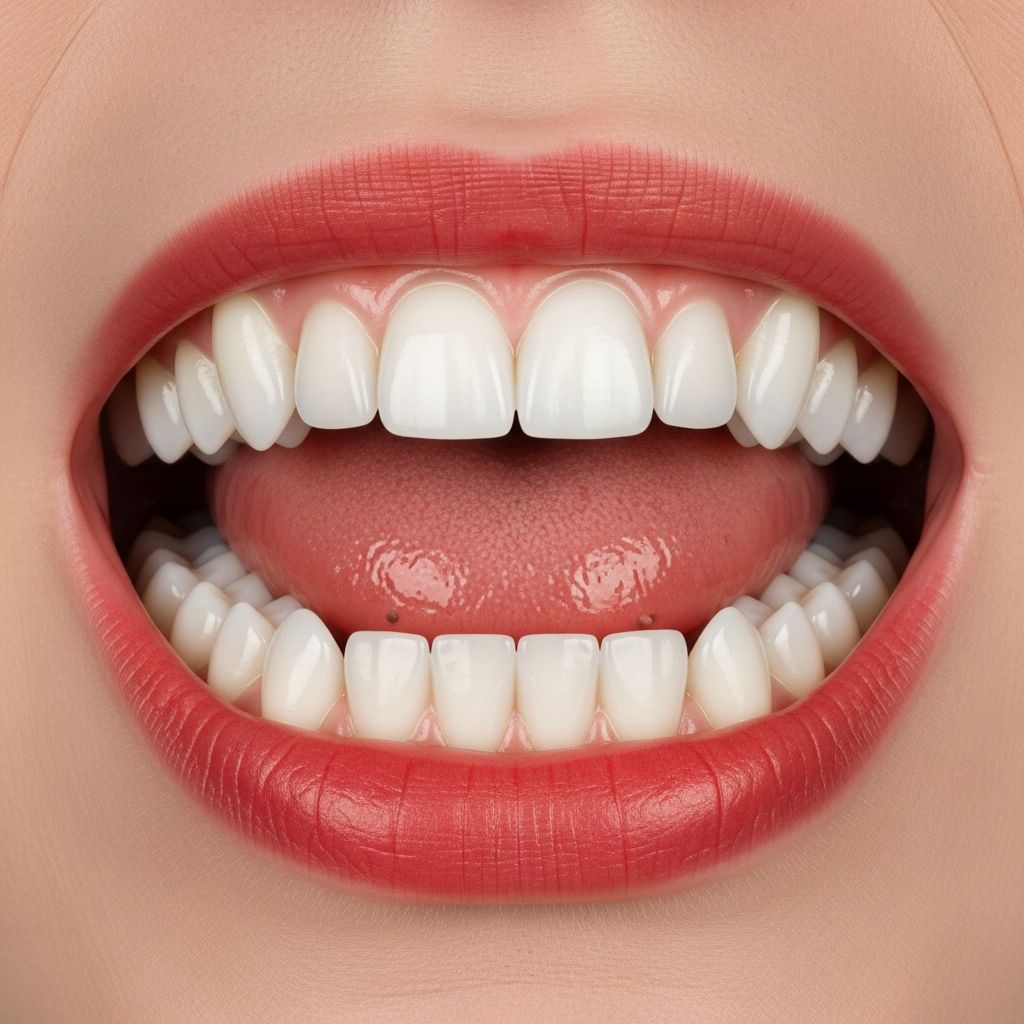
- Teeth — Your teeth are the primary tools for breaking down food into manageable pieces. Most adults have 32 permanent teeth, including eight incisors for cutting, four canines for tearing, eight premolars for crushing, and twelve molars for grinding.
- Tongue — This muscular organ moves food around your mouth, facilitates swallowing, and enables speech production.
- Gums — Pink tissues that surround the base of your teeth, providing support and protection for tooth roots.
- Salivary glands — These glands produce saliva, which lubricates your mouth, aids digestion, and protects your teeth from harmful bacteria.
- Palate — The roof of your mouth, divided into the hard palate and soft palate, which helps direct food toward the throat.
- Pharynx — Your throat, which connects your mouth to your esophagus and larynx.
- Frenums — Small bands of connective tissue that support and stabilize your lips and tongue.
Functions of Your Mouth
Your mouth serves three primary functions that are essential for survival and quality of life: digestion, respiration, and communication.
Digestion and Food Processing
One of the most obvious functions of your mouth is the initiation of the digestive process. When you eat, your teeth work to mechanically break down food into smaller pieces, increasing the surface area for digestive enzymes. Your tongue orchestrates this process by moving food around your mouth and positioning it between your teeth for optimal chewing. Saliva from your salivary glands mixes with the food, beginning the chemical breakdown of carbohydrates and providing lubrication to facilitate swallowing. This coordinated effort transforms solid food into a bolus—a ball of partially digested food—that can safely travel down your esophagus to your stomach.
Related Stories



Respiratory Function
Your mouth serves as one of two primary entry points for air into your respiratory system. When you breathe through your mouth, air travels past your pharynx and into your lungs. This function becomes particularly important when your nasal passages are congested or obstructed, allowing you to maintain adequate oxygen intake.
Speech and Communication
Your mouth is essential for verbal communication. Your tongue, lips, teeth, and palate work together to produce the various sounds that comprise human speech. The precise positioning and movement of these structures allow you to articulate consonants and vowels, enabling clear and effective communication with others.
Key Structures in Detail
Teeth: Your Mouth’s Workforce
Your teeth are specialized structures designed for specific functions in food processing. Adult humans typically have 32 permanent teeth, which are categorized into four types. Incisors, located at the front of your mouth, are sharp and flat, perfect for cutting and biting into food. Canine teeth, positioned next to your incisors, are pointed and designed for tearing tough foods like meat. Premolars sit between your canines and molars, featuring characteristics of both, allowing them to tear, crush, and grind food. Finally, your molars, located in the back of your mouth, handle approximately 90% of all chewing, making them your primary grinding teeth. Each tooth type serves a distinct purpose in the comprehensive food processing system of your mouth.
The Tongue: Master Coordinator
Your tongue is a muscular organ anchored inside your mouth by strong webs of tissue, running from your hyoid bone in the middle of your neck to the floor of your mouth. Covered by mucosa—a moist, pink lining—and dotted with papillae (bumps) and taste buds, your tongue is responsible for far more than just taste. It actively moves food during chewing, positions food between your teeth for optimal processing, and forms boluses for swallowing. Additionally, your tongue enables speech by shaping sound waves into intelligible words and helps keep your airway open during breathing and swallowing, which is critical for preventing aspiration.
Gums: Protective Supporters
Your gums, or gingivae, are pink tissues that surround the base of your teeth in both your upper and lower jaws. These tissues play an essential protective role, surrounding and supporting your teeth’s roots and providing a seal against bacteria and food particles. Your gums consist of layered soft tissue that works with your teeth’s roots and the periodontal ligament to keep your teeth securely anchored in place, allowing you to chew with confidence and force.
Salivary Glands: Nature’s Lubricant
Your mouth contains salivary glands that continuously produce saliva, a remarkable fluid that serves multiple functions. Saliva lubricates your mouth and food, making chewing and swallowing easier and more efficient. It contains enzymes that begin breaking down carbohydrates, initiating the chemical process of digestion. Additionally, saliva contains antimicrobial compounds that protect your teeth and gums from harmful bacteria, helping to prevent tooth decay and gum disease. Without adequate saliva production, eating and speaking become uncomfortable, and your teeth become more susceptible to decay.
Frenums: Stabilizing Structures
Frenums are small bands of connective tissue that serve important stabilizing functions in your mouth. The labial frenum connects your upper lip to your gums and provides support to your lips. The lingual frenum connects your tongue to the floor of your mouth, allowing your tongue to move while maintaining its proper position. Smaller buccal frenums support your cheeks and lips along both sides of your mouth. In most people, these structures function without issue, but in some cases, a frenum may be too thick or abnormally attached, potentially interfering with functions like chewing, speaking, or breastfeeding in infants.
Signs of a Healthy Mouth
Recognizing the characteristics of a healthy mouth can help you monitor your oral health and identify potential problems early. A healthy mouth displays several distinctive features:
- Pink, firm gums that don’t bleed when brushed or flossed
- Clean teeth free from visible plaque or tartar buildup
- Fresh breath without persistent odors
- Proper tongue color and texture without excessive coating
- Adequate saliva production that keeps your mouth moist
- No pain or discomfort during eating or speaking
- Tissues that appear uniform in color without unusual lesions or sores
Maintaining Your Mouth Health
Proper oral care is essential for maintaining the health and function of all mouth structures. Daily brushing removes plaque and food debris, while flossing cleans areas between teeth that brushes cannot reach. Regular dental checkups allow healthcare professionals to identify and address problems before they become serious. Limiting sugary foods and drinks helps prevent tooth decay, and staying hydrated supports saliva production. Additionally, avoiding tobacco products protects your gums and reduces your risk of oral cancer.
Common Mouth Conditions
Understanding common mouth conditions can help you recognize when professional care is needed. Tooth decay occurs when bacteria produce acids that erode tooth enamel, while gum disease develops when bacteria accumulate along the gum line. Dry mouth, or xerostomia, results from inadequate saliva production and can lead to increased cavity risk. Tongue-tie, or ankyloglossia, occurs when the lingual frenum is too short, restricting tongue movement. Canker sores and cold sores are common painful lesions that typically resolve on their own but may require treatment if severe. Many of these conditions are preventable or manageable with proper oral hygiene and professional dental care.
Frequently Asked Questions
Q: How often should I visit the dentist?
A: Most dental professionals recommend visiting your dentist at least twice per year for routine checkups and cleanings. However, individuals with gum disease, diabetes, or other risk factors may need more frequent visits.
Q: What is the best way to brush my teeth?
A: Use a soft-bristled toothbrush and gentle circular motions to brush all tooth surfaces, including the backs of your teeth and your gumline. Brush for at least two minutes, twice daily, and don’t forget to clean your tongue.
Q: Why is saliva important?
A: Saliva lubricates your mouth, aids digestion, contains enzymes that begin breaking down food, and provides antimicrobial protection against bacteria that cause tooth decay and gum disease.
Q: What causes bad breath?
A: Bad breath can result from poor oral hygiene, gum disease, dry mouth, certain foods, tobacco use, or underlying health conditions. Regular brushing, flossing, and staying hydrated can help prevent it.
Q: Can tongue-tie affect adults?
A: Yes, while tongue-tie is often identified in infants who have breastfeeding difficulties, it can persist into adulthood and may affect speech or eating. A simple procedure called a frenectomy can correct this condition if needed.
Q: How can I prevent cavities?
A: Prevent cavities by brushing twice daily with fluoride toothpaste, flossing daily, limiting sugary foods and drinks, maintaining adequate saliva production, and visiting your dentist regularly for professional cleanings.
References
- Mouth: Anatomy, Function & Care — Cleveland Clinic. 2024. https://my.clevelandclinic.org/health/body/21765-mouth
- Teeth: Anatomy, Types, Function & Care — Cleveland Clinic. 2024. https://my.clevelandclinic.org/health/body/24655-teeth
- Tongue: Definition, Location, Anatomy & Function — Cleveland Clinic. 2024. https://my.clevelandclinic.org/health/body/22845-tongue
- What Are Gums (Gingivae)? — Cleveland Clinic. 2024. https://my.clevelandclinic.org/health/body/24972-gums
- Salivary Glands: Location & Function — Cleveland Clinic. 2024. https://my.clevelandclinic.org/health/body/23462-salivary-glands
- Frenum (Frenulum in Mouth) — Cleveland Clinic. 2024. https://my.clevelandclinic.org/health/body/frenum-mouth-frenulum
Similar Articles








Read full bio of Sneha Tete