Mouth Bacteria May Trigger RA: Key Insights For Joint Health
Discover how gum disease bacteria like P. gingivalis may spark rheumatoid arthritis and learn prevention strategies for better joint health.
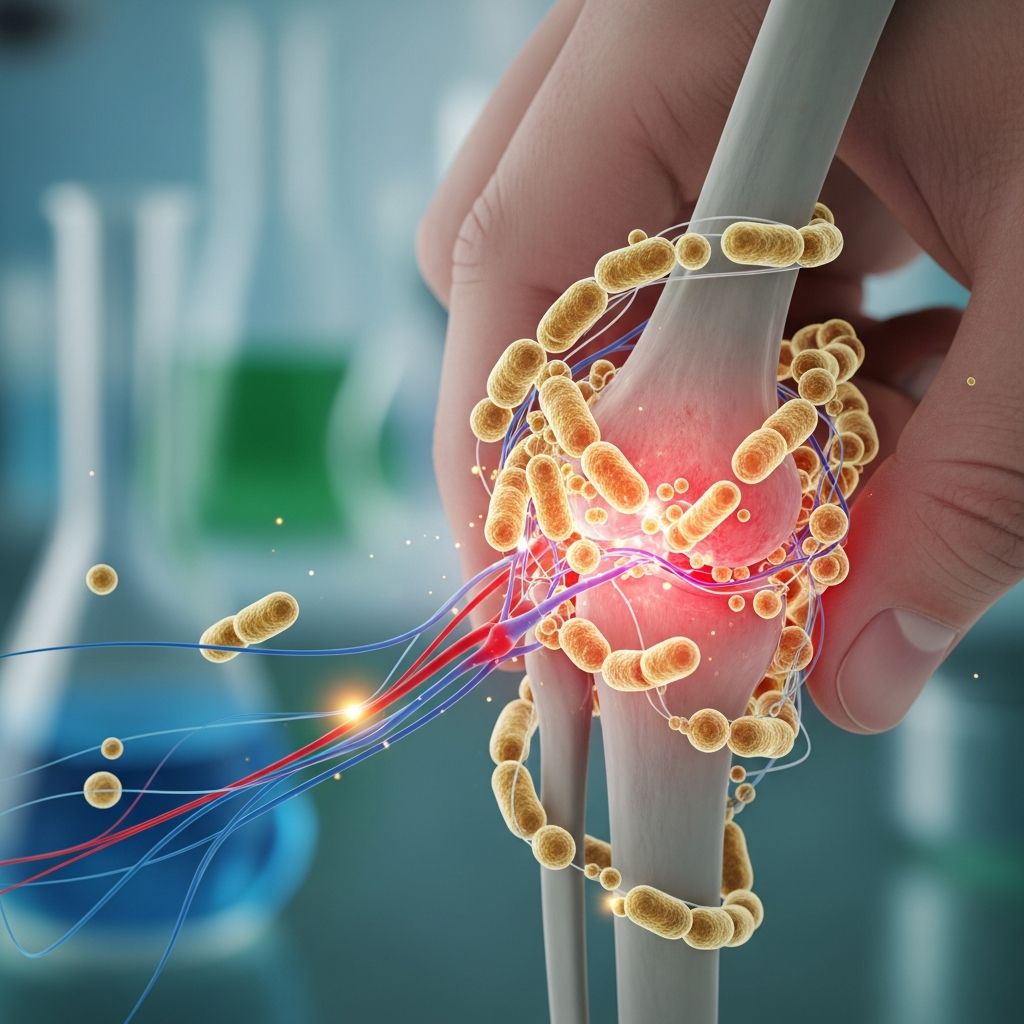
Studies highlight the role of microbes in rheumatoid arthritis and other inflammatory diseases.
By Linda Rath, reviewed and expanded with recent research findings.
The Research
A century ago, medical theory posited that infections in the gums, known as oral sepsis, caused widespread inflammatory conditions like appendicitis and rheumatoid arthritis (RA). Treatments involved extracting all teeth, which proved ineffective and fell out of favor by the 1930s. Modern science has revived this idea with compelling evidence. Advanced DNA sequencing has demonstrated that bacteria causing gum disease, or periodontal disease (PD), contribute significantly to RA and other inflammatory disorders, including psoriatic arthritis and lupus.
RA patients are twice as likely to have gum disease, with more severe periodontal issues compared to those without RA, according to a 2010 study in the Journal of Periodontology. A 2020 Spanish study echoed this, linking severe PD—marked by plaque buildup, bleeding gums, and tissue breakdown—to heightened RA activity and inflammation markers. Even after PD treatment, RA patients with periodontitis show persistent worse arthritis symptoms and are 50% less likely to achieve remission.
This connection extends to children. Kids with juvenile idiopathic arthritis (JIA) harbor distinct inflammatory mouth bacteria absent in healthy peers. Specific bacteria correlate with JIA severity: some with higher disease activity, others with more affected joints, and certain types linked to fluoride-resistant cavities.
Recent research strengthens these findings. A 2023 Science Translational Medicine study analyzed weekly blood samples from five RA patients over 1-4 years. Researchers detected oral bacteria, particularly Porphyromonas gingivalis, entering the bloodstream about one month before RA flares, with no similar pattern from gut or genital bacteria. This leakage triggered anticitrullinated protein antibodies, a hallmark of RA present in two-thirds of cases.
How Mouth Bacteria Harm Joints
Contemporary RA theories suggest the disease originates outside joints, in sites like the digestive tract or lungs, where autoantibodies form. The mouth’s microbiome—trillions of bacteria aiding digestion and pathogen defense—plays a pivotal role. Dysbiosis in PD disrupts this balance, provoking autoimmunity.
P. gingivalis, a key PD anaerobe, produces an enzyme converting arginine to citrulline in proteins—a process called citrullination. This modification fools the immune system into attacking joint-lining proteins, generating anti-citrullinated protein antibodies (ACPAs). Oral bacteria have been found in RA patients’ synovial fluid, the lubricant between joints, and even in osteoarthritis cases.
Gum inflammation creates mucosal breaks allowing bacteria into the blood. Bulk RNA sequencing confirmed these microbes elicit B-cell antibodies binding to them, driving the autoimmune response targeting joints—despite citrullinated proteins existing body-wide. Investigators also note similarities in oral bacterial profiles between early RA patients and at-risk individuals. Poor oral hygiene lets harmful bacteria override defenses, causing gingivitis, potential lung aspiration, and systemic inflammation spreading to joints.
| Bacterium | Associated Condition | Mechanism |
|---|---|---|
| Porphyromonas gingivalis | RA, PD | Citrullination of proteins, ACPA production |
| Other PD pathogens | JIA, PsA | Inflammation, dysbiosis |
| Oral microbiome imbalance | TMD, Lupus | Systemic immune activation |
Future RA Prevention and Treatment
The microbe-RA link inspires novel therapies. Experts like Stephen Paget from Hospital for Special Surgery advocate boosting immunity over suppression. Proposals include probiotics or fecal transplants for microbiome restoration, and aggressive PD treatment to cure systemic diseases.
William Robinson from Stanford emphasizes oral hygiene: brush twice daily, floss, and visit dentists regularly, given 40-45% PD prevalence. His study proves PD pathogens cause RA flares. Jan Potempa from the University of Louisville concurs, validating the causal PD-RA relation.
Related Stories



Ongoing research explores oral microbiomes in temporomandibular disorders (TMDs), where imbalances heighten RA risk. Dr. Jose Scher investigates bacteria-inflammatory disease ties, while Dr. Virginia Kraus studies endotoxemia in osteoarthritis. A review confirms PD’s role via oral bacteria in RA.
Frequently Asked Questions (FAQs)
Can gum disease really cause rheumatoid arthritis?
Yes, evidence shows PD bacteria like P. gingivalis leak into blood via inflamed gums, triggering citrullination and ACPAs that attack joints, preceding RA flares by a month.
How does P. gingivalis contribute to RA?
It produces enzymes citrullinating proteins, prompting autoantibodies that mimic joint threats, found in synovial fluid of RA patients.
Are children with JIA at higher risk from mouth bacteria?
Absolutely; JIA kids show unique inflammatory oral bacteria linked to disease activity, joint count, and treatment-resistant cavities.
Can better oral hygiene prevent RA?
Potentially; with 40-45% PD rates, regular brushing, flossing, and dental visits reduce bacteria leakage and RA risk.
What future treatments target mouth bacteria for RA?
Probiotics, fecal therapy, PD eradication, and immunity enhancement are under study, shifting from suppression to microbiome balance.
Prevention Tips for Oral and Joint Health
- Brush twice daily with fluoride toothpaste to control plaque.
- Floss daily to remove interdental bacteria.
- Visit dentist every 6 months for cleanings and PD screening.
- Avoid smoking, which worsens PD and RA risk.
- Maintain balanced diet supporting microbiome health.
The oral-systemic health nexus underscores that mouth care is joint care. As research evolves, integrating dental and rheumatic strategies could transform RA management.
References
- Oral mucosal breaks trigger anti-citrullinated bacterial and human protein antibody responses in rheumatoid arthritis — Brewer, R. C. et al. Science Translational Medicine. 2023-01-18. https://www.drugdiscoverynews.com/mouth-bacteria-trigger-rheumatoid-arthritis-by-breaking-into-the-blood-15638
- Mouth Bacteria May Trigger RA — Arthritis Foundation. 2021-04-14. https://www.arthritis.org/health-wellness/about-arthritis/understanding-arthritis/mouth-bacteria
- Jaw Pain in Adults With Arthritis — Arthritis Foundation. Accessed 2026. https://www.arthritis.org/health-wellness/about-arthritis/related-conditions/other-diseases/jaw-pain-adults-with-arthritis
- Do Bacteria in the Mouth Affect Risk of Developing Rheumatoid Arthritis — Wiley Newsroom. 2021. https://newsroom.wiley.com/press-releases/press-release-details/2021/Do-Bacteria-in-the-Mouth-Affect-Risk-of-Developing-Rheumatoid-Arthritis/default.aspx
- 11 Risk Factors for Rheumatoid Arthritis and How to Reduce Your Risk — Arthritis Foundation. Accessed 2026. https://www.arthritis.org/health-wellness/about-arthritis/understanding-arthritis/11-risk-factors-rheumatoid-arthritis-reduce-risk
Similar Articles








Read full bio of Sneha Tete