Mouth Problems: Causes, Symptoms & Treatment Guide
Comprehensive guide to common oral conditions, from angular cheilitis to oral lichen planus and mouth ulcers.
Mouth Problems: A Comprehensive Guide to Oral Conditions
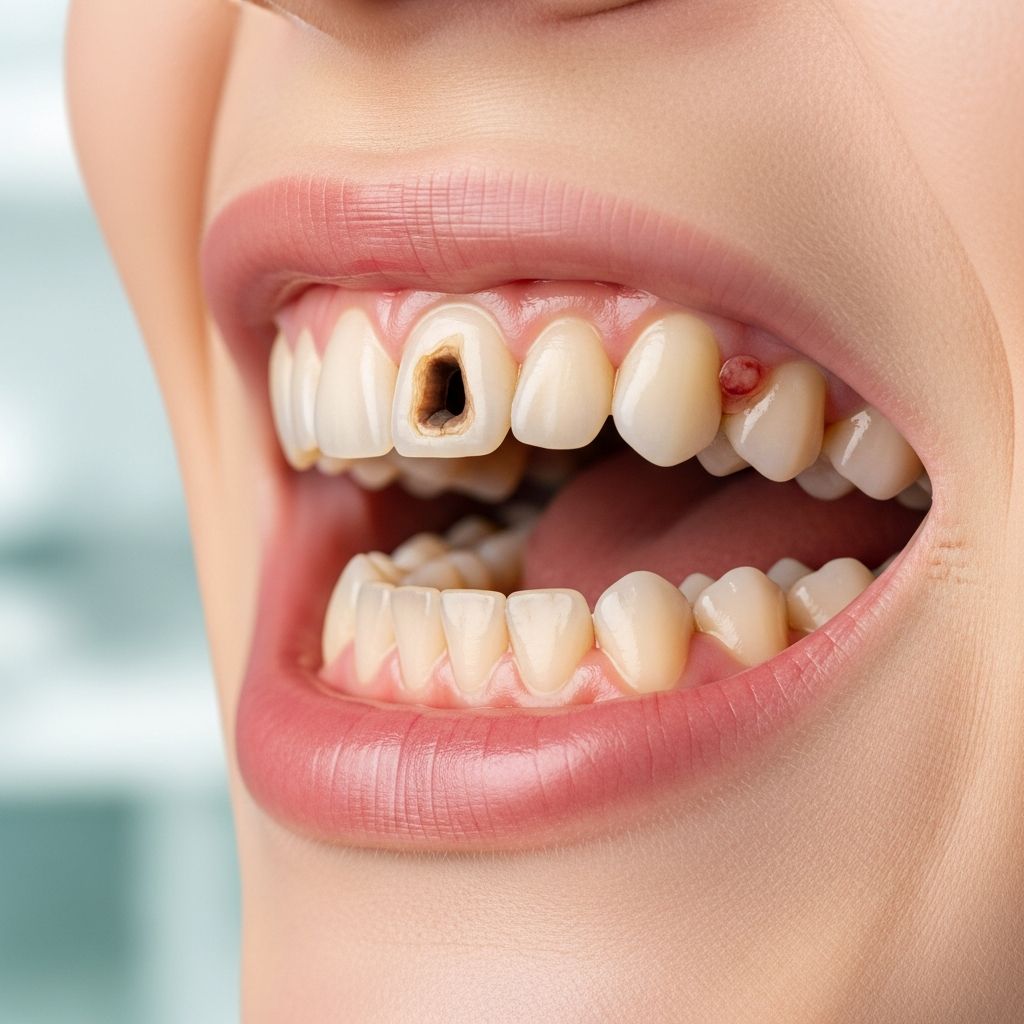
Mouth problems are among the most common health concerns affecting people of all ages. These conditions can range from minor irritations to more serious inflammatory disorders that significantly impact eating, speaking, and overall quality of life. Understanding the various types of mouth problems, their symptoms, causes, and treatment options is essential for maintaining optimal oral health and knowing when to seek professional medical advice.
Angular Cheilitis: Inflammation at the Mouth Corners
Angular cheilitis, also known as angular chelosis, commissural chelitis, angular stomatitis, or perleche, is an inflammatory condition affecting the vermilion commissures and the adjacent mucous membranes at the corners of the mouth. This condition is characterized by erythema, moist maceration, ulceration, and crusting that can develop rapidly if left untreated.
Symptoms and Presentation
Patients with angular cheilitis typically experience soreness, pain, burning, and itching sensations, particularly when opening the mouth. These symptoms can occur unilaterally (on one side) or bilaterally (on both sides). With prolonged inflammation, granulation tissue may develop, eventually evolving into diffuse cheilitis that involves the entire upper and lower lips. Angular cheilitis is most common in adults during the third and sixth decades of life.
Causes and Risk Factors
The most common cause of angular cheilitis is irritant chelitis resulting from persistent contact with saliva, which causes maceration and subsequent inflammation. Several factors contribute to the development of this condition:
- Deeper-than-usual skin folds at the mouth corners, common in edentulous patients (those without teeth)
- Damage to elastic tissue from extensive UV light exposure or smoking
- Habitual drooling, particularly following a cerebrovascular accident (CVA)
- Chemical irritants from denture cleaning products
- Underlying eczema or reactive skin conditions
Diagnosis and Treatment
The diagnostic approach begins with a comprehensive history including timing, duration, recurrence patterns, medication use, dental issues, tobacco use, and solar damage exposure. Physical examination should assess the extent of cheilitis, dental hygiene, signs of saliva pooling, and any nutritional deficiencies. Cultures and laboratory testing may be considered in select patients to evaluate for systemic illness.
Treatment often resolves spontaneously without intervention. For persistent symptoms, barrier creams or emollients such as zinc oxide applied frequently are effective. Low-potency steroids may help reduce inflammation, while topical antifungals or antibiotics address infectious agents. Replacement of ill-fitting dentures and addressing nutritional deficiencies are important when applicable. In cases of recurrent symptoms caused by deep folds, tissue fillers such as collagen or autologous fat may be considered.
Recurrent Aphthous Stomatitis (Mouth Ulcers)
Recurrent aphthous stomatitis (RAS), commonly known as canker sores or aphthous ulcers, represents a frequent oral condition affecting many individuals. These painful ulcers can appear on the labial mucosa, buccal mucosa, or floor of the mouth.
Related Stories



Types of Aphthous Ulcers
Aphthous ulcers present in two main classifications:
- Minor RAS: The most common presentation, representing more than 85% of cases. Typically characterized by 1–5 ulcers smaller than 5mm, located on the labial or buccal mucosa or floor of mouth. These ulcers last 10–14 days and heal without scarring.
- Major RAS: An uncommon, severe form also called periadenitis mucosa necrotica recurrens. Features include oval ulcers larger than 1cm located on lips or soft palate. These ulcers may persist for six weeks and leave scars. This chronic condition can recur over 20 years or longer.
Treatment Approaches
Treatment aims to provide pain relief and promote healing while decreasing recurrence frequency. A thorough search for triggers is essential, including associated foods, medications, trauma from toothbrush bristles or ill-fitting dentures, and stress. Nutritional deficiencies warrant investigation and correction, as up to 20% of patients may have iron deficiency. Topical treatments include:
- Protective pastes that create a protective covering over the ulcer
- Steroid-containing pastes to relieve pain and inflammation while accelerating healing
- Local analgesic mouthwashes and gels for pain relief
- Antiseptic mouthwashes to prevent bacterial infection
- Salt-water rinses made by dissolving half a teaspoon of salt in warm water
Oral Lichen Planus: Inflammatory Oral Condition
Oral lichen planus is an inflammatory condition affecting the mouth that can occur independently or in combination with lichen planus affecting the skin. Approximately 15% of patients with oral lichen planus may also develop lesions on the skin.
Appearance and Symptoms
Oral lichen planus typically presents as white, lace-like patterned patches on the tongue and inner surfaces of the cheeks. The surrounding area may appear bright red and swollen. The condition can also manifest as white and red patches or as areas of ulceration on the mouth lining. When the gums are affected, the condition is termed “desquamative gingivitis,” causing the gums to appear red and shiny.
Symptoms may include burning or stinging discomfort in the mouth, particularly when eating or drinking. Spicy foods, citrus fruits, and alcohol commonly trigger these sensations. If gums are affected, they become tender and tooth-brushing may cause discomfort. Ulcers or erosions can occur and are especially painful. However, mild cases may remain symptom-free.
Management and Treatment
Mild cases of oral lichen planus that are symptom-free do not require treatment. For cases causing discomfort, several topical treatment options are available:
- Anaesthetic mouthwashes containing benzydamine, particularly helpful when used before meals
- Topical steroids applied directly to affected areas, available as mouthwashes, sprays, pastes, and dissolving tablets
- Antiseptic mouthwashes such as daily hydrogen peroxide or chlorhexidine twice weekly
- Soft toothbrushes and interdental brushes for effective cleaning
- Mild-flavored toothpaste free from sodium lauryl sulphate (SLS)
For severe cases, systemic treatment with oral medications may be required for several months or years, with regular blood tests monitoring for side effects. Patients should maintain regular dental check-ups to monitor for any cancerous changes, avoid spicy, acidic, or salty foods that trigger symptoms, and reduce smoking and alcohol consumption.
Other Common Mouth Problems
Black Hairy Tongue
This painless condition occurs when the small bumps on the tongue grow long and trap bacteria, making the tongue appear black and hairy. Causes include antibiotic use, poor oral hygiene, smoking, excessive tea or coffee consumption, and insufficient saliva production. Treatment typically involves brushing the tongue and using a tongue scraper, though medication may sometimes be necessary.
Stomatitis
Stomatitis refers to inflammation of the oral mucous membrane, including the inner surfaces of the lips, cheeks, gums, tongue, and throat. This broad category encompasses various inflammatory conditions requiring proper identification and targeted treatment.
Temporomandibular Joint Syndrome (TMJ)
TMJ syndrome causes severe pain in the jaw, face, ear, or neck. Clenching, tooth grinding, and injury are common causes. Symptoms include pain, headaches, dizziness, and difficulty swallowing. Treatment may involve rest, moist heat, mouth guards, medication, or surgery in severe cases.
Gingivitis and Periodontitis
Gingivitis represents inflammation of the gums, while periodontitis is the advanced stage involving gum infection. Increased inflammation causes gums to recede, forming pockets between teeth and gums where tartar, plaque, and food debris accumulate. This leads to infection and abscesses. Advanced gum disease damages the bone supporting teeth and is a leading cause of tooth loss in adults.
Oral Candidiasis (Thrush)
Oral candidiasis, commonly called thrush, is a fungal infection of the mouth caused by Candida albicans. This condition presents as white patches on the tongue and inner cheeks and requires antifungal treatment.
Hairy Leukoplakia
Hairy leukoplakia presents as white, corrugated patches typically on the tongue’s sides. Often associated with immunocompromised states, this condition requires monitoring and professional evaluation.
Hand, Foot, and Mouth Disease
This viral infection, commonly affecting children, causes mouth ulcers alongside characteristic rashes on hands and feet. The condition is contagious and typically self-limiting.
General Mouth Care and Prevention
Maintaining proper oral hygiene is fundamental to preventing many mouth problems. Regular brushing with a soft toothbrush, flossing, and professional dental cleanings help prevent plaque buildup and gum disease. Avoiding tobacco, limiting alcohol consumption, and reducing stress can minimize the risk of developing various oral conditions.
Dietary modifications play an important role in managing existing mouth problems. Avoiding spicy, acidic, and salty foods that trigger discomfort, staying hydrated, and consuming nutrient-rich foods support oral health. Using a straw when drinking can help protect sensitive ulcers from direct contact with beverages.
Frequently Asked Questions About Mouth Problems
Q: How long do mouth ulcers typically take to heal?
A: Most minor mouth ulcers heal within 10–14 days without treatment. Major aphthous ulcers may take up to six weeks to heal and often leave scars. If ulcers persist beyond three weeks or are extremely painful, consult a healthcare provider.
Q: What should I do if my mouth problem doesn’t improve with home treatment?
A: If symptoms persist beyond two weeks, worsen despite treatment, or significantly impact eating and speaking, seek professional evaluation from a dentist or dermatologist. Some conditions require specialized medical or topical treatment.
Q: Can stress cause mouth ulcers?
A: Yes, stress is recognized as a significant trigger for recurrent aphthous ulcers. Stress management techniques and identifying other personal triggers can help reduce ulcer frequency and severity.
Q: Is oral lichen planus contagious?
A: No, oral lichen planus is not contagious. It is an autoimmune inflammatory condition that affects individuals with predisposing factors, not a communicable disease.
Q: Should I be concerned about mouth cancer?
A: While most mouth problems are benign, it is advisable to have persistent lesions or unusual mouth changes evaluated by a dental professional. Regular check-ups and avoiding tobacco and excessive alcohol reduce cancer risk.
Q: What home remedies are safe for treating mouth problems?
A: Salt-water rinses, topical protective pastes, soft toothbrushes, avoiding irritating foods, and over-the-counter pain relievers are safe and effective home remedies. However, professional treatment may be necessary for severe or persistent conditions.
When to See a Healthcare Professional
Seek immediate professional evaluation if you experience severe pain, difficulty swallowing, fever accompanying mouth sores, lesions lasting longer than three weeks, recurring severe ulcers, signs of infection, or any unusual changes in the mouth. Healthcare providers can perform appropriate diagnostic testing, prescribe systemic medications when necessary, and identify underlying conditions contributing to oral problems.
References
- A Triad of Dermatologic Dilemmas: Angular Cheilitis, Recurrent Aphthous Stomatitis, and Oral Lichen Planus — National Center for Biotechnology Information (NCBI). PMC6139919. https://pmc.ncbi.nlm.nih.gov/articles/PMC6139919/
- Oral Lichen Planus — British Association of Dermatologists (BAD) Patient Hub – Skin Health Info. https://www.skinhealthinfo.org.uk/condition/oral-lichen-planus/
- Mouth Ulcers — Healthify New Zealand. https://healthify.nz/health-a-z/m/mouth-ulcers
- 17 Mouth & Tongue Problems: Pictures of Sores, Blisters, Bumps — WebMD. https://www.webmd.com/oral-health/ss/slideshow-mouth-problems
- Stomatitis — DermNet. https://dermnetnz.org/topics/stomatitis
Similar Articles








Read full bio of medha deb