Mouth Ulcer Medicines: Treatment Options and Relief Strategies
Discover effective pharmaceutical and topical remedies to manage oral ulcer pain and accelerate healing.
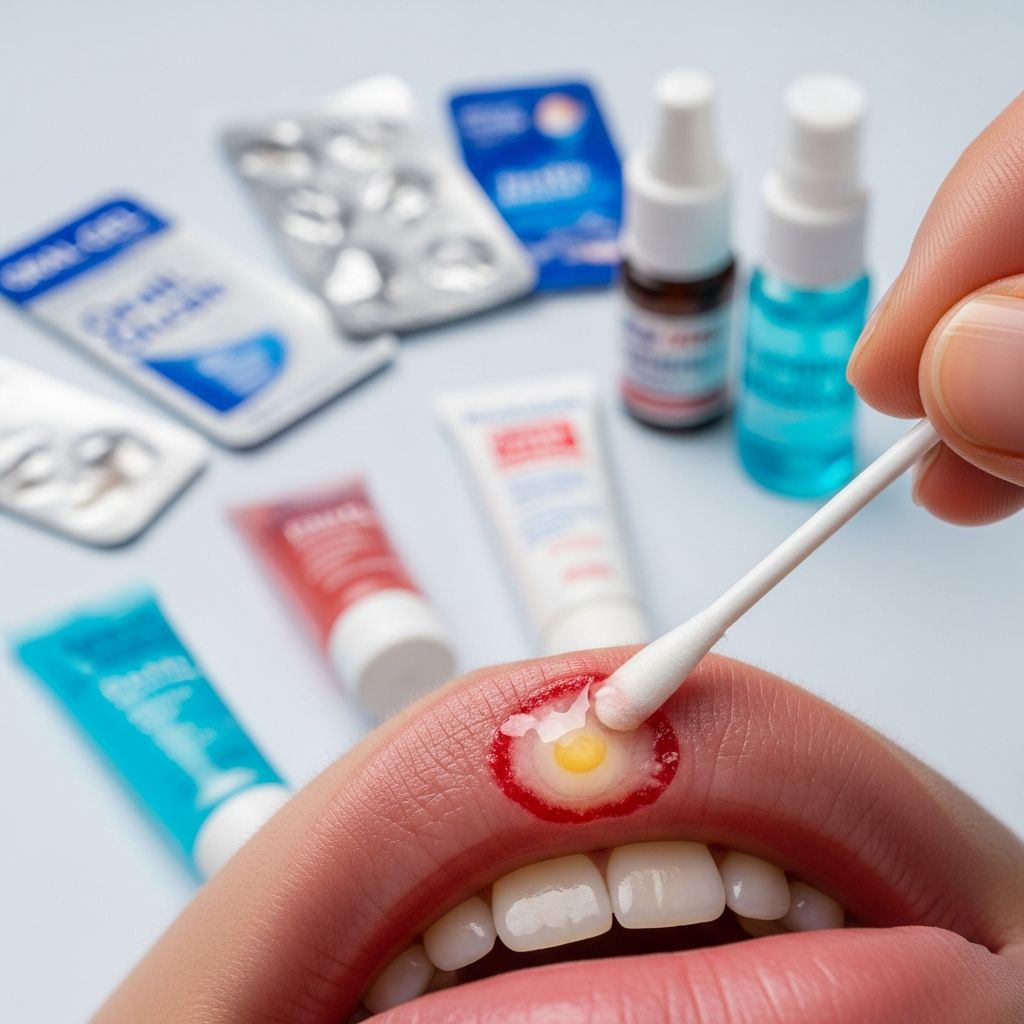
Mouth ulcers are painful lesions that develop on the delicate mucous membrane lining the inside of the mouth, and they affect a significant portion of the population at some point in their lives. While most oral ulcers resolve independently within one to two weeks, topical medications and pain management strategies can substantially reduce discomfort during the healing process. Understanding the available treatment options empowers individuals to make informed decisions about managing these bothersome sores effectively.
Understanding Mouth Ulcers and Their Prevalence
A mouth ulcer represents the loss or erosion of the protective tissue lining the oral cavity. These sores can appear on the gums, tongue, inner cheeks, or palate, and their appearance varies depending on the underlying cause. The condition is remarkably common, with approximately 20 percent of the population experiencing recurring aphthous ulcers—mouth ulcers with no identifiable trigger.
Multiple factors contribute to ulcer development, ranging from minor trauma to systemic health conditions. Understanding the etiology helps guide appropriate treatment selection, as certain medications work better for specific types of ulcers.
Topical Medicinal Applications for Oral Ulcer Relief
Topical treatments represent the primary pharmaceutical approach to mouth ulcer management. These medications are applied directly to the affected area, delivering therapeutic agents precisely where needed.
Topical Anesthetics and Numbing Agents
Numbing gels and solutions provide immediate symptomatic relief by temporarily desensitizing the nerve endings surrounding the ulcer. These medications are particularly valuable for individuals experiencing severe pain that interferes with eating, drinking, or speaking. The anesthetic effect typically lasts several hours, allowing patients to consume food and beverages more comfortably.
Topical anesthetics work by blocking pain signal transmission, making them ideal for short-term management before engaging in activities that might otherwise aggravate the sore. However, they do not address the underlying cause or accelerate healing—they primarily enhance comfort.
Antiseptic Mouthwashes and Rinses
Alcohol-free medicated mouthwashes, particularly those containing chlorhexidine gluconate, serve dual purposes in ulcer management. These solutions reduce bacterial colonization of the lesion, minimizing infection risk while promoting a cleaner oral environment. Regular use—typically twice daily—maintains antimicrobial protection throughout the healing process.
In addition to commercial medicated rinses, saline solutions offer a gentler alternative. A warm saltwater rinse prepared by dissolving salt in warm water can be held in the mouth for up to four minutes and repeated four times daily. This simple remedy cleanses the ulcer, reduces inflammation, and creates an inhospitable environment for pathogenic bacteria without the harshness of chemical antiseptics.
Corticosteroid Preparations
Topical corticosteroid mouthwashes and ointments represent a more potent intervention for moderate to severe ulceration. These preparations reduce inflammation and suppress immune responses that may be perpetuating the ulcer, particularly in cases of aphthous ulceration or recurrent mouth sores. Corticosteroids are typically prescribed by dental professionals or oral medicine specialists and should be used under professional guidance to ensure appropriate application and monitoring.
Antacid and Antihistamine Treatments
Certain over-the-counter medications can be applied topically to mouth ulcers for symptomatic relief. Liquid antacids, when applied directly to the ulcer, create a protective barrier that shields the lesion from further irritation and may provide analgesic properties. This approach is particularly effective for individuals experiencing discomfort during meals.
Related Stories



Antihistamines, traditionally used for allergic reactions, can help soothe mouth ulcers in cases where allergic responses or inflammatory reactions contribute to ulcer formation. These medications may be applied topically or used as rinses depending on the specific product formulation.
Systemic Medications for Persistent Ulceration
When mouth ulcers persist despite topical treatments or occur with extreme frequency, systemic medications may be necessary. Immunosuppressant medications are reserved for severe cases, particularly those associated with autoimmune conditions or significant quality-of-life impacts. These powerful interventions require prescription and careful medical supervision.
Additionally, addressing underlying nutritional deficiencies through supplementation can prevent recurrent ulceration. Deficiencies in vitamin B-12, iron, zinc, folate, and other essential nutrients are documented triggers for frequent mouth sores. Supplementation under professional guidance may reduce ulcer frequency and severity.
Complementary Management Strategies
While medications address the ulcer directly, several adjunctive strategies enhance healing and reduce symptom severity:
- Dietary modifications: Avoiding spicy, salty, sour, and acidic foods prevents mechanical and chemical irritation of the developing ulcer. Citric acid found in citrus fruits, tomatoes, and pineapple can trigger or exacerbate existing ulcers. Hot foods and beverages should also be avoided until the ulcer fully heals.
- Hydration: Consuming adequate fluids supports the body’s natural healing processes and prevents dehydration that can impede recovery.
- Oral hygiene: Gentle mouth cleaning with soft-bristled toothbrushes and mild toothpaste prevents secondary infections and maintains oral health without further traumatizing the ulcer. Electric toothbrushes with extra-soft settings may be preferable during active ulceration.
- Stress management: Since emotional stress exacerbates ulcer development and delays healing, implementing stress-reduction techniques such as meditation, exercise, or counseling can improve outcomes.
- Sleep optimization: Adequate rest supports immune function and tissue repair, both critical for ulcer healing.
Identifying Different Ulcer Types and Treatment Selection
The most common variety of mouth ulcer is the canker sore, or aphthous ulcer—a recurrent lesion with no identified external cause. These typically appear as single or multiple shallow, painful sores with a white or yellow center surrounded by red, inflamed tissue. Canker sores usually resolve within 10-14 days with supportive care and topical treatments.
Herpes simplex virus-induced ulcers present differently, often with multiple blisters that rupture into painful sores, frequently accompanied by fever and systemic symptoms. These require antiviral medications in addition to symptomatic management and warrant professional evaluation.
Severe or persistent ulcers lasting longer than three weeks warrant professional evaluation, as they may indicate underlying malignancy, autoimmune disease, or other systemic conditions requiring specialized treatment.
When to Seek Professional Care
While most mouth ulcers resolve independently, certain situations necessitate professional evaluation. Contact a healthcare provider if:
- Ulcers persist beyond three weeks despite home treatment
- Mouth ulcers recur frequently, interfering with quality of life
- Ulcers are unusually large, deep, or painful
- Multiple severe ulcers develop simultaneously
- Difficulty swallowing or speaking develops
- Signs of infection appear, such as increased pain, drainage, or fever
- Ulcers develop as part of a broader pattern of oral or systemic symptoms
Dental professionals and oral medicine specialists possess expertise in evaluating ulcers, identifying underlying causes, and prescribing appropriate treatments including topical corticosteroids and other medications.
Preventive Approaches and Risk Factor Modification
Reducing ulcer frequency involves identifying and minimizing personal risk factors. Since mouth ulcers arise from diverse causes, prevention strategies must be individualized:
Mechanical trauma prevention: Maintaining proper dental hygiene with gentle techniques, addressing sharp or misaligned teeth, ensuring well-fitting dentures and orthodontic appliances, and using softer toothbrushes all reduce injury-related ulcers.
Chemical irritant avoidance: Selecting toothpaste free of sodium lauryl sulfate—a foaming agent documented to trigger ulcers in susceptible individuals—may prevent recurrent sores. Similarly, discontinuing strong antiseptic mouthwashes in favor of gentler alternatives can reduce irritation.
Dietary awareness: Maintaining a food diary to identify personal trigger foods allows strategic avoidance. Common culprits include chocolate, peanuts, coffee, and gluten in individuals with sensitivities.
Medication review: Discussing medications with healthcare providers may reveal oral ulcers as side effects of NSAIDs, beta blockers, or other drugs, with alternatives potentially available.
Frequently Asked Questions About Mouth Ulcer Medicines
How long do mouth ulcers typically take to heal?
Most mouth ulcers resolve within 10-14 days without treatment. However, this timeline varies based on ulcer size, underlying cause, and individual healing capacity. Severe ulcers or those associated with systemic conditions may require longer.
Are prescription medications always necessary for mouth ulcers?
No. Most uncomplicated mouth ulcers heal with supportive care including dietary modifications, gentle oral hygiene, and over-the-counter topical treatments such as numbing gels and antiseptic rinses. Prescription medications become necessary for severe, recurrent, or persistent ulcers.
Can topical medications prevent new ulcers from forming?
Topical medications primarily treat existing ulcers rather than prevent new ones. Prevention focuses on identifying and eliminating risk factors such as mechanical trauma, dietary triggers, stress, and nutritional deficiencies. However, maintaining good oral hygiene with antimicrobial rinses may reduce secondary infections that complicate healing.
Is it safe to use over-the-counter mouth ulcer products during pregnancy?
While many topical products are considered safe during pregnancy, any medication decisions should involve consultation with healthcare providers. Certain ingredients may warrant caution, and professional guidance ensures mother and fetus safety.
Conclusion
Mouth ulcer medicines encompass diverse options ranging from simple saline rinses and topical anesthetics to prescription corticosteroids and systemic immunosuppressants. Selecting appropriate treatment depends on ulcer severity, underlying cause, and individual risk factors. Most mouth ulcers respond well to conservative management including dietary modifications, gentle oral care, and over-the-counter topical treatments. However, persistent, recurrent, or severe ulcers warrant professional evaluation to identify underlying conditions and access prescription therapies. By understanding available treatment options and implementing preventive strategies, individuals can effectively manage mouth ulcers and minimize their impact on daily quality of life.
References
- Mouth Ulcers — UF Health, University of Florida. Updated 2025. https://ufhealth.org/conditions-and-treatments/mouth-ulcers
- Mouth sores and ulcers (canker sores) — Healthdirect, Australian Department of Health. Updated 2024. https://www.healthdirect.gov.au/mouth-sores-and-ulcers
- Mouth ulcers — Better Health Channel, State Government of Victoria Australia. Updated 2024. https://www.betterhealth.vic.gov.au/health/conditionsandtreatments/mouth-ulcers
- Mouth ulcers — NHS England. Updated 2023. https://www.nhs.uk/conditions/mouth-ulcers/
- Mouth Sores and Inflammation — Merck Manuals. Updated 2024. https://www.merckmanuals.com/home/mouth-and-dental-disorders/symptoms-of-oral-and-dental-disorders/mouth-sores-and-inflammation
- Canker sore – Symptoms and causes — Mayo Clinic. Updated 2024. https://www.mayoclinic.org/diseases-conditions/canker-sore/symptoms-causes/syc-20370615
Similar Articles








Read full bio of Sneha Tete