Mouth Ulcer: 3 Types, Causes, Symptoms, And Relief
Comprehensive guide to causes, symptoms, diagnosis, and management of painful mouth ulcers.
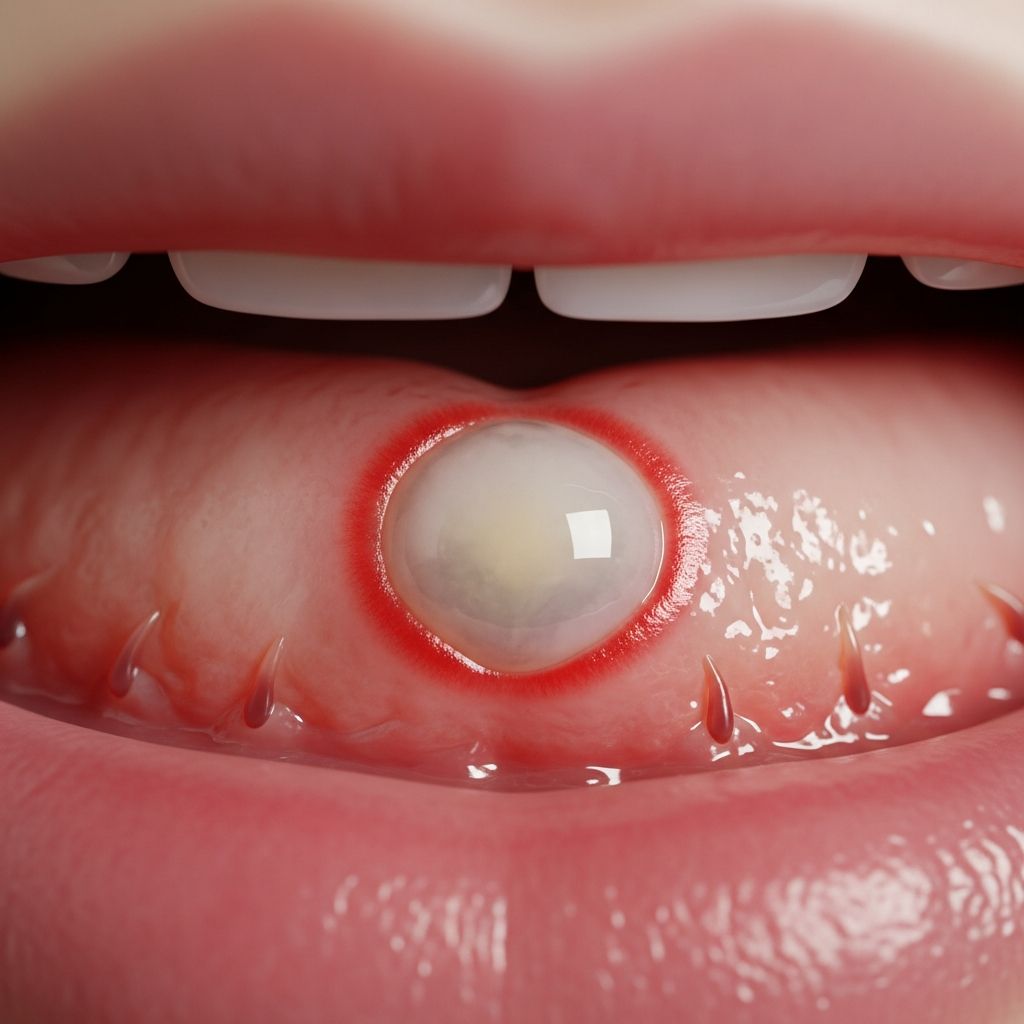
Mouth ulcers, also known as canker sores or aphthous ulcers, are painful sores that develop on the mucous membranes inside the mouth. They are a prevalent form of stomatitis affecting people of all ages, often resolving spontaneously within 1-2 weeks but causing significant discomfort in the interim.
What is a mouth ulcer?
A
mouth ulcer
appears as a shallow, painful sore or lesion on the soft tissues lining the mouth, including the inside of the cheeks, lips, under the tongue, or on the gums and palate. These ulcers feature a white or yellow center surrounded by a red inflamed border, resembling a punched-out erosion. Unlike cold sores caused by herpes simplex virus, mouth ulcers are not contagious and typically occur singly or in small clusters.They represent the most common ulcerative condition of the oral mucosa, arising from various triggers that disrupt the delicate epithelial lining. Minor trauma from biting or dental work often initiates the process, leading to localized inflammation and ulceration.
Who gets mouth ulcers?
Mouth ulcers affect approximately 20% of the population regularly, with higher incidence in women, young adults, and those with a family history. Children and adolescents frequently experience them during periods of stress or illness. Risk factors include:
- Stress, hormonal changes, or fatigue
- Nutritional deficiencies (e.g., vitamin B12, folate, iron, zinc)
- Minor mouth injuries from brushing, biting, or ill-fitting dentures
- Food sensitivities to acidic, spicy, or abrasive foods
- Underlying conditions like celiac disease, Crohn’s disease, or Behçet’s syndrome
- Medications such as NSAIDs, beta-blockers, or nicotine replacement therapies
Recurrent aphthous stomatitis (RAS) describes frequent episodes, impacting quality of life through pain and eating difficulties.
What causes mouth ulcers?
The precise cause remains multifactorial, with no single etiology identified. Common precipitants include:
- Trauma: Accidental cheek biting, aggressive brushing, dental procedures, or sharp teeth
- Irritation: Spicy, acidic (citrus, tomatoes), or salty foods; chewing gum
- Infections: Viral (herpes simplex), bacterial (Vincent’s organisms), or fungal (Candida)
- Drugs: Analgesics like ibuprofen, antibiotics, or oral contraceptives
- Systemic diseases: Inflammatory bowel disease, celiac disease, anemia, or immune disorders
- Unknown: Idiopathic in recurrent cases, possibly linked to genetic predisposition or stress-induced immune dysregulation
Radiation therapy or chemotherapy can also induce severe mucositis resembling ulcers.
What are the clinical features of mouth ulcers?
Symptoms
The hallmark is sharp, burning pain exacerbated by eating, drinking, or speaking. Other symptoms include:
- Tenderness or throbbing at the site
- Increased salivation
- Bad breath (halitosis)
- Lymph node swelling in severe cases
Types of mouth ulcers
Mouth ulcers classify into three main types based on size, number, and duration:
| Type | Size | Number | Duration | Scarring |
|---|---|---|---|---|
| Minor aphthous ulcers | <1 cm | 1-5 | 7-10 days | No |
| Major aphthous ulcers | >1 cm | Few | Weeks to months | Yes |
| Herpetiform ulcers | Tiny (<3 mm) | 10-100 | 1-2 weeks | No |
Minor ulcers are most common (80%), presenting as round/oval sores with a pseudomembranous cover. Major ulcers are deeper, more painful, and prone to scarring. Herpetiform ulcers mimic viral eruptions but lack contagion.
Related Stories



Complications
Secondary bacterial infection can prolong healing. Rarely, persistent ulcers signal oral cancer, especially in smokers or heavy drinkers.
How is it diagnosed?
Diagnosis relies primarily on clinical history and examination. Key features include ulcer morphology, recurrence pattern, and associated symptoms. Differential diagnoses encompass:
- Herpes simplex (vesicles, clustered)
- Traumatic ulcers (history of injury)
- Lichen planus (white lacy plaques)
- Erythema multiforme (target lesions)
- Malignancy (indurated, non-healing)
Investigations for recurrent or atypical cases:
- Blood tests: Full blood count, ferritin, B12, folate, celiac serology
- Swabs: For HSV, Candida, microbiology
- Biopsy: If cancer suspected
- Patch testing: For allergies
What is the treatment for mouth ulcers?
There is no cure; management focuses on symptom relief, healing promotion, and recurrence prevention. Most heal spontaneously.
General measures
- Avoid irritants: Spicy/acidic foods, alcohol, tobacco
- Soft diet; use straw for drinks
- Soft toothbrush; chlorhexidine mouthwash
- Saltwater rinses (1/2 tsp salt in warm water, several times daily)
- Pain relief: Paracetamol or topical anesthetics (benzocaine gels like Orajel)
Topical treatments
- Protective pastes: Orabase® to shield ulcers
- Steroid pastes/lozenges: Kenalog in Orabase®, Corlan pellets (4x/day for ≤5 days)
- Antiseptics: Chlorhexidine (Corsodyl®) to prevent infection
- Analgesics: Lidocaine/benzocaine gels, sprays
- Antivirals: Aciclovir cream for HSV-related
Home remedies
- Baking soda paste or milk of magnesia
- Cold compress or ice
- Salt/baking soda rinses
- Honey, aloe vera, or tea bags (tannins)
Systemic treatments (severe/recurrent)
For major/recurrent aphthous stomatitis:
- Corticosteroids: Prednisolone, thalidomide (off-label)
- Immunosuppressants: Colchicine, dapsone
- Vitamin supplements for deficiencies
What is the outcome for mouth ulcers?
Minor ulcers resolve in 7-14 days without scarring. Recurrent cases may persist lifelong but decrease with age. Major ulcers take longer (weeks-months) and scar. Early intervention shortens duration and severity. Persistent ulcers (>3 weeks) warrant urgent review to exclude malignancy.
How can mouth ulcers be prevented?
- Maintain oral hygiene with soft brush
- Avoid triggers: Stress management, balanced diet
- Correct deficiencies via supplements/foods rich in B vitamins, iron, zinc
- Manage underlying diseases (e.g., gluten-free for celiac)
- Regular dental checks for sharp edges/dentures
Related topics
- Aphthous ulcer
- Angular cheilitis
- Erythema multiforme
- Herpes simplex
- Lichen planus
- Oral lichen planus
- Oral squamous cell carcinoma
Frequently Asked Questions
Q: How long do mouth ulcers last?
A: Most heal in 1-2 weeks without treatment. Major types may last longer.
Q: Are mouth ulcers contagious?
A: No, unlike cold sores. They result from local trauma or internal factors.
Q: When should I see a doctor for a mouth ulcer?
A: If ulcer >3 weeks, very painful, recurrent, or accompanied by fever/swelling.
Q: Can stress cause mouth ulcers?
A: Yes, stress triggers immune changes leading to recurrent aphthous ulcers.
Q: What home remedy works best?
A: Saltwater rinses reduce pain and infection risk effectively.
References
- Mouth ulcers | Healthify — Healthify NZ. 2023. https://healthify.nz/health-a-z/m/mouth-ulcers
- Mouth Ulcer: Causes, Symptoms, Diagnosis, and Treatment — Healthline. 2023-10-12. https://www.healthline.com/health/mouth-ulcers
- Mouth Ulcers – Patient.info — Patient.info. 2024. https://patient.info/oral-dental-care/mouth-ulcers-leaflet
- Mouth sores and ulcers (canker sores) – Healthdirect — Healthdirect.gov.au. 2024. https://www.healthdirect.gov.au/mouth-sores-and-ulcers
- Aphthous ulceration (aphthae, ulcers) – DermNet — DermNet NZ. 2024. https://dermnetnz.org/topics/aphthous-ulcer
- Mouth ulcers – DermNet — DermNet NZ. 2024. https://dermnetnz.org/topics/mouth-ulcer
Similar Articles








Read full bio of Sneha Tete