Mouth Ulcers: Causes, Types, and Treatments
Learn about mouth ulcers, their causes, symptoms, and effective treatments to relieve discomfort and promote healing.
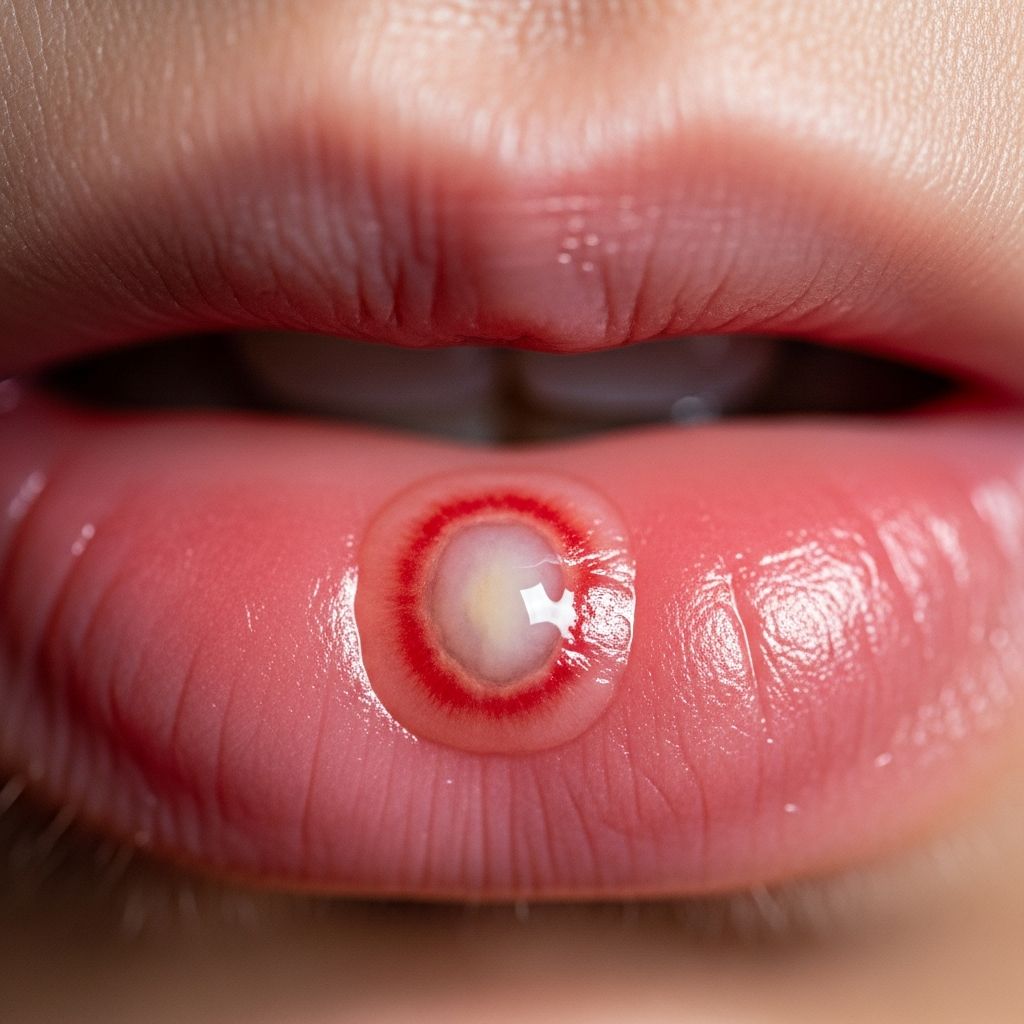
What Are Mouth Ulcers?
Mouth ulcers, also known as canker sores or oral ulcers, are small, painful sores that develop on the soft tissues inside your mouth. They can appear on the gums, lips, tongue, inner cheeks, or the roof of your mouth. These sores are usually white, grey, or yellow with a red border and can make eating, drinking, and speaking uncomfortable.
Types of Mouth Ulcers
- Minor Ulcers: The most common type, usually less than 1 cm in diameter, and heal within 10 to 14 days without scarring.
- Major Ulcers: Larger and deeper, often more than 1 cm, and can take several weeks to heal, sometimes leaving scars.
- Herpetiform Ulcers: Small, multiple ulcers that cluster together, resembling herpes sores but are not caused by the herpes virus.
Causes of Mouth Ulcers
Mouth ulcers can be triggered by a variety of factors, including:
- Minor injuries from dental work, brushing too hard, or biting the cheek
- Hormonal changes, especially during menstruation
- Emotional stress and anxiety
- Nutritional deficiencies, such as vitamin B12, iron, or folic acid
- Food sensitivities or allergies
- Autoimmune diseases like Behçet’s disease or lupus
- Gastrointestinal issues, such as celiac disease or Crohn’s disease
- Infections, including viral or bacterial infections
- Certain medications
Symptoms of Mouth Ulcers
The primary symptom of a mouth ulcer is a painful sore inside the mouth. Other symptoms may include:
- Swelling around the sore
- Burning or tingling sensation before the ulcer appears
- Difficulty eating, drinking, or speaking
- Increased pain when consuming spicy, acidic, or salty foods
Diagnosis of Mouth Ulcers
A healthcare provider can usually diagnose a mouth ulcer by visually examining the sore. If the ulcer is severe, persistent, or accompanied by other symptoms, additional tests may be ordered, such as:
- Blood tests to check for nutritional deficiencies or underlying health conditions
- Biopsy of the ulcer in rare cases to rule out oral cancer
Treatment Options for Mouth Ulcers
Most mouth ulcers heal on their own within a week or two. However, several treatments can help relieve pain and speed up healing:
- Over-the-counter medications: Topical gels, creams, or mouthwashes containing benzocaine or hydrogen peroxide can provide temporary relief.
- Prescription medications: For severe or recurrent ulcers, a healthcare provider may prescribe corticosteroids, antimicrobial mouthwashes, or other medications.
- Home remedies: Rinsing with salt water, using a humidifier, and staying hydrated can help soothe the sore and promote healing.
- Magic mouthwash: A prescription mouthwash containing a numbing agent, corticosteroid, antihistamine, and antacid can provide significant pain relief.
Related Stories



When to See a Doctor
While most mouth ulcers are harmless and resolve on their own, you should seek medical attention if:
- The ulcer lasts longer than three weeks
- The ulcer is unusually large or painful
- You have frequent or recurrent ulcers
- You experience other symptoms, such as fever, difficulty swallowing, or weight loss
- You suspect an underlying health condition
Prevention of Mouth Ulcers
While it’s not always possible to prevent mouth ulcers, you can reduce your risk by:
- Maintaining good oral hygiene
- Avoiding foods that irritate your mouth
- Managing stress and anxiety
- Ensuring a balanced diet rich in vitamins and minerals
- Regular dental check-ups
Complications of Mouth Ulcers
Most mouth ulcers are benign and heal without complications. However, persistent or recurrent ulcers can sometimes indicate an underlying health issue, such as:
- Autoimmune diseases
- Gastrointestinal disorders
- Oral cancer (rarely)
Frequently Asked Questions (FAQs)
Are mouth ulcers contagious?
No, mouth ulcers are not contagious and cannot be spread through kissing or sharing food and drinks.
Can mouth ulcers be a sign of cancer?
In rare cases, a mouth ulcer that does not heal could be a sign of oral cancer. If you have a persistent ulcer, especially on or under the tongue, consult a healthcare provider.
How long do mouth ulcers last?
Most mouth ulcers heal within 10 to 14 days. If an ulcer lasts longer than three weeks, seek medical advice.
Can stress cause mouth ulcers?
Yes, emotional stress and anxiety can trigger mouth ulcers in some people.
What foods should I avoid with mouth ulcers?
Avoid spicy, acidic, salty, or hot foods that can irritate the sore and increase pain.
Conclusion
Mouth ulcers are a common and usually harmless condition that can cause significant discomfort. Most ulcers heal on their own within a couple of weeks, but persistent or recurrent ulcers may require medical attention. By understanding the causes, symptoms, and treatments, you can better manage mouth ulcers and maintain good oral health.
References
- Mouth Ulcers: Types, Causes & Treatment — Cleveland Clinic. 2023. https://my.clevelandclinic.org/health/diseases/21766-mouth-ulcer
- How ‘Magic Mouthwash’ Can Help Relieve Painful Mouth Sores — Cleveland Clinic. 2023. https://health.clevelandclinic.org/what-is-magic-mouthwash
- Which Is Contagious: Your Canker Sore or Cold Sore? — Cleveland Clinic. 2023. https://health.clevelandclinic.org/contagious-canker-sore-cold-sore
Similar Articles








Read full bio of medha deb