Mouth Ulcers: 5 Effective Remedies, Causes, And Prevention
Discover causes, effective treatments, and prevention strategies for painful mouth ulcers to regain comfort quickly.
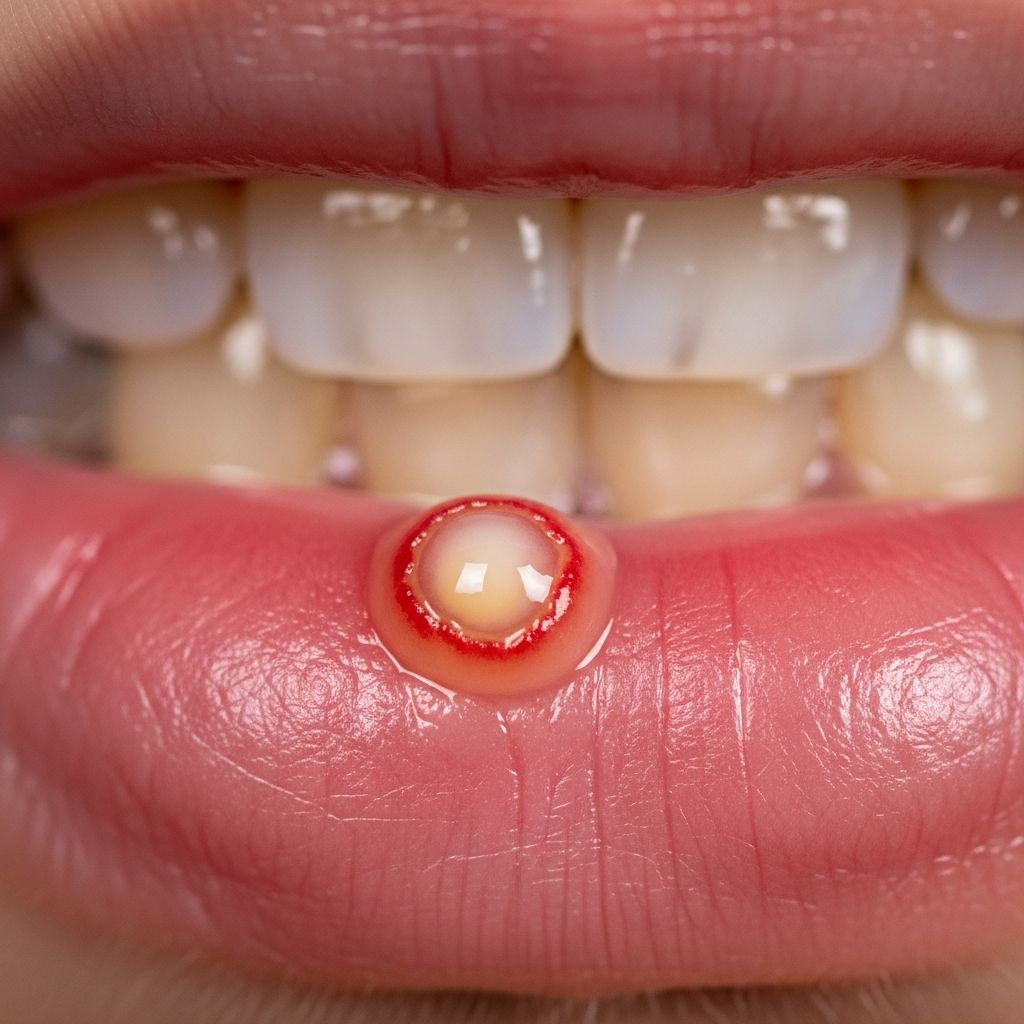
Mouth ulcers, often called canker sores, are small, painful lesions that develop inside the mouth on the cheeks, lips, tongue, or gums. They typically heal within 1-2 weeks without intervention but can cause significant discomfort during that time.
Understanding Mouth Ulcers and Their Types
These sores appear as round or oval white or yellow centers with a red border.
Aphthous ulcers
, the most common type, vary in size: minor ones are under 1 cm and heal quickly; major ones exceed 1 cm, are deeper, and may scar; herpetiform ulcers involve clusters of tiny sores.Unlike cold sores caused by herpes simplex virus, mouth ulcers are not contagious and result from non-infectious triggers. In children, multiple ulcers might signal hand-foot-mouth disease.
Common Triggers Behind Mouth Ulcers
Several factors contribute to their formation, often in combination.
- Physical trauma: Biting the cheek, aggressive brushing, sharp teeth, braces, or dentures irritate tissues.
- Stress and hormones: Emotional strain, anxiety, or menstrual cycles weaken oral defenses.
- Nutritional gaps: Low levels of iron, vitamin B12, folate, zinc, or vitamin D impair healing.
- Food sensitivities: Acidic fruits, spicy foods, chocolate, nuts, or gluten provoke reactions.
- Immune issues: Weakened immunity from illnesses, HIV, lupus, chemotherapy, or medications increases risk.
- Other factors: Toothpaste with sodium lauryl sulfate, quitting smoking, or underlying diseases like Crohn’s or celiac.
Up to 20% of people experience recurrent ulcers, sometimes linked to genetics or systemic conditions.
Recognizing Symptoms and Complications
Initial tingling or burning precedes a visible sore. Pain intensifies with spicy, salty, or acidic foods, hindering eating and speaking. Swelling, redness, or bleeding may occur if irritated.
Most resolve harmlessly, but complications arise if infected or persistent. Rare associations include autoimmune disorders, gastrointestinal diseases, or precancerous changes.
| Symptom | Description | Duration |
|---|---|---|
| Pain | Sharp during eating/talking | 3-7 days peak |
| Appearance | White/yellow center, red edge | 1-2 weeks |
| Other | Tingling pre-ulcer, swelling | Variable |
Effective Home Remedies for Relief
Self-care speeds recovery and eases pain without prescriptions.
- Saltwater rinse: Mix 1 tsp salt in warm water; swish 30 seconds, 3-4 times daily to clean and reduce swelling.
- Hydrogen peroxide: Dilute 3% solution 1:1 with water; rinse gently to disinfect.
- Honey: Apply medical-grade honey for antibacterial effects and faster healing.
- Soft diet: Opt for yogurt, mashed potatoes, avoiding irritants.
- OTC numbing gels: Benzocaine or lidocaine products like Orajel numb pain.
Avoid alcohol-based mouthwashes, which may worsen irritation.
Over-the-Counter and Prescription Treatments
For moderate cases, pharmacies offer targeted relief.
Antiseptic mouthwashes: Chlorhexidine gluconate prevents infection; use twice daily.
Pain relievers: Ibuprofen or acetaminophen reduce inflammation systemically.
Severe or recurrent ulcers warrant professional input. Dentists prescribe:
- Corticosteroid gels (triamcinolone, hydrocortisone) to curb inflammation.
- Stronger options like colchicine or immunosuppressants for chronic cases.
- Benzydamine spray for symptomatic relief.
Address deficiencies with supplements after blood tests.
Prevention Strategies for Fewer Outbreaks
Minimize triggers through daily habits.
- Maintain oral hygiene with soft brushes and SLS-free toothpaste.
- Manage stress via exercise, sleep, or meditation.
- Balanced diet rich in B vitamins, iron, folate.
- Avoid allergens; note food diary for patterns.
- Regular dental checkups for ill-fitting appliances.
- Quit smoking gradually to avoid rebound ulcers.
For recurrent sufferers, cauterization or laser therapy may prevent episodes.
Related Stories



When to Consult a Healthcare Professional
Seek care promptly for:
- Ulcers lasting over 2-3 weeks.
- Severe pain disrupting daily life.
- Frequent recurrences (more than 4/year).
- Large ulcers (>1 cm) or clusters.
- Accompanying fever, swollen nodes, or weight loss.
- Difficulty swallowing or unexplained bleeding.
Biopsy may rule out malignancy or infections. Pediatric cases with multiple sores need evaluation for viral causes.
Frequently Asked Questions (FAQs)
Are mouth ulcers contagious?
No, unlike cold sores, they do not spread via contact.
How long do mouth ulcers last?
Typically 1-2 weeks; minor ones 7-10 days.
Can stress cause mouth ulcers?
Yes, it triggers outbreaks in susceptible individuals.
What foods aggravate mouth ulcers?
Spicy, acidic (citrus, tomatoes), salty, or rough foods.
Do vitamin deficiencies lead to ulcers?
Deficiencies in B12, iron, folate increase risk; test if recurrent.
Special Considerations for Children and Recurrent Cases
Children may get hand-foot-mouth disease with fever and rash; treat supportively. Recurrent aphthous stomatitis affects 20% and links to GI disorders like celiac or Crohn’s—screen accordingly.
Immunocompromised patients face higher risks; monitor closely.
Lifestyle Adjustments for Long-Term Management
Beyond remedies, holistic changes help. Prioritize sleep (7-9 hours), hydration, and nutrient-dense foods like leafy greens, lean meats, and dairy. Mindfulness apps reduce stress-induced flares. Track outbreaks in a journal to identify personal triggers.
Professional cleanings every 6 months prevent trauma from plaque buildup. For denture wearers, ensure proper fit annually.
References
- Mouth ulcers: Types, causes, symptoms, and treatment — Medical News Today. 2023-10-12. https://www.medicalnewstoday.com/articles/317984
- Mouth Ulcers Treatment: Causes, Prevention, and When to Visit a Dentist — BLVD Dentistry. 2024-05-15. https://www.blvddentistry.com/mouth-ulcers-when-to-visit-the-dentist-for-treatment/
- Mouth Ulcers: Causes, Treatment, and Prevention — Beauclerc Dental. 2023-11-20. https://www.beauclercdental.com/dental-health-and-prevention/mouth-ulcers
- Mouth ulcers and other causes of orofacial soreness and pain — PMC (NCBI). 2000-05-01. https://pmc.ncbi.nlm.nih.gov/articles/PMC1118165/
- Mouth ulcers — Better Health Channel (Victoria.gov.au). 2024-02-10. https://www.betterhealth.vic.gov.au/health/conditionsandtreatments/mouth-ulcers
- Mouth sores and ulcers (canker sores) — Healthdirect.gov.au. 2024-08-05. https://www.healthdirect.gov.au/mouth-sores-and-ulcers
- Mouth ulcers — NHS.uk. 2023-07-18. https://www.nhs.uk/conditions/mouth-ulcers/
Similar Articles








Read full bio of medha deb